




Introduction to Humpback Whales and Their Songs
The humpback whale, scientifically known as Megaptera novaeangliae, is a majestic marine mammal celebrated for its acrobatic breaches and complex vocalizations. These whales can be found in oceans worldwide, often migrating thousands of miles between feeding and breeding grounds. Humpbacks are notable for their distinctive body features, including long pectoral fins, a knobbly head, and a prominent dorsal fin. They exhibit a unique blend of grace and power, making them a favorite subject for marine enthusiasts and scientists alike.
One of the most fascinating aspects of humpback whales is their ability to produce elaborate songs. These vocalizations, referred to as “whale songs,” serve multiple important functions. Primarily, they are a crucial form of communication among whales, allowing them to convey information about their location, social structure, and even emotional states. During the breeding season, male humpback whales are particularly known for their songs, which can last up to 20 minutes and may be repeated for hours. This vocal display is believed to play a significant role in attracting females and establishing dominance over other males.
In addition to mating calls, these songs are significant for navigation. The sound travels efficiently through water, enabling humpbacks to communicate over vast distances in the deep ocean. This acoustic communication is vital, as it helps them coordinate social interactions and maintain group cohesion while migrating or foraging. Furthermore, research suggests that the songs may vary geographically, leading to distinct regional dialects among different populations of humpback whales. The songs of these magnificent creatures are not just beautiful; they represent complex social behaviors and are integral to the thriving life of marine environments.
Understanding Whale Songs: Structure and Function
The songs of humpback whales are complex vocalizations that play a critical role in their social behavior and mating rituals. These songs can vary significantly in structure and function, exhibiting a range of patterns and complexities that fascinate researchers and marine enthusiasts alike. Generally, the songs consist of a series of sequences made up of distinct sounds, which can include moans, cries, and even complex melodies. The composition of these vocalizations often follows a specific structure, typically composed of phrases that are repeated over time.
One of the most intriguing aspects of humpback whale songs is their duration. A single song can last anywhere from ten to thirty minutes, and they are typically performed in loops. This looping mechanism allows whales to engage in long, drawn-out performances, which can be crucial during mating seasons when males are competing for the attention of females. The songs can be heard over vast distances—up to twenty miles—through the ocean, depending on the water’s acoustic properties, making them an effective means of communication among these marine mammals.
In addition to male mating displays, whale songs serve other important functions within humpback whale communities. These vocalizations can facilitate social bonding among individuals, provide information about the surrounding environment, and enhance cooperation during group foraging activities. Different pods may utilize unique song patterns that denote their specific locales or social groups, further emphasizing the significance of these vocalizations in establishing identity among humpback whales.
Overall, the structure and function of humpback whale songs reveal a sophisticated communication system that highlights the evolutionary adaptations of these majestic creatures. Understanding the intricacies of whale songs opens a window into their social behavior, helping us appreciate the complexities of life beneath the waves.
The Science Behind Whale Vocalizations
Humpback whales are renowned for their captivating songs, which serve various purposes including communication, navigation, and attracting mates. The production of these complex vocalizations is deeply rooted in the unique biological and physiological features of these marine mammals. The primary organs involved in sound production are the larynx and the air sacs located in the whale’s head, which function somewhat differently than those of terrestrial animals.
Unlike humans, who use vocal cords to generate sound, humpback whales produce their songs by expelling air through their larynx into the nasal passages. This action creates vibrations that resonate in the surrounding air sacs. The sound is further modified by the shape and articulation of their mouths, which include specialized structures that help in modulating pitches and tones. The resultant sound waves propagate efficiently through the water, allowing them to communicate over vast distances.
The environment in which whales reside greatly affects their vocalizations. Sound travels much faster in water than in air—approximately four times swifter—allowing for effective communication even when the whales are separated by several kilometers. The frequency and wavelength of their songs can also vary, enabling them to avoid overlap with ambient noise, such as that produced by waves or other marine life. Notably, the songs of humpback whales are characterized by their low-frequency sounds, which can travel long distances without significant attenuation.
Understanding the science behind these vocalizations contributes to our appreciation of the humpback whale’s complex social structures and behaviors. The study of sound in marine environments continues to reveal the nuances of how these magnificent creatures interact with one another and their environments, further underscoring the importance of their songs in the tapestry of ocean life.
Cultural Significance of Whale Songs
The songs of humpback whales have transcended mere biological communication, resonating powerfully within the realm of human culture. These majestic creatures use their melodic calls not only to communicate with each other but also to evoke a profound emotional response in listeners. The beauty of whale songs has inspired countless artists, musicians, and writers, leading to a rich tapestry of artistic expressions that celebrate the essence of marine life and its connection to humanity.
In the world of music, humpback whale songs have created a unique genre, blending the natural sounds of these creatures with human creativity. Composers have incorporated the haunting melodies of whale songs into symphonies, soundscapes, and ambient music, allowing listeners to experience the tranquility and wonder of the ocean. This integration helps bridge the gap between nature and human art, showcasing the magnificence of the underwater world.
Additionally, indigenous cultures have long recognized the significance of whales in their traditions and spiritual beliefs. Many native communities view whales as sacred beings, often telling stories that reflect their deep respect and admiration for these animals. Through oral traditions and ceremonial practices, the songs of whales are interwoven into their cultural identities, emphasizing a historical bond that highlights the interconnectedness of all life forms.
The emotional connections people forge with whale songs can also be attributed to the sense of calm and introspection elicited by these natural harmonies. As individuals listen to the intricate patterns of sound that resonate beneath the waves, there is often a feeling of peace and unity with the environment, fostering a deeper appreciation for marine ecosystems. This response can lead to an increased awareness of conservation efforts aimed at protecting these creatures and their habitats.
Overall, the cultural significance of humpback whale songs is multifaceted, reflecting a blend of artistic influence, indigenous heritage, and the emotional power of nature’s music in our lives.
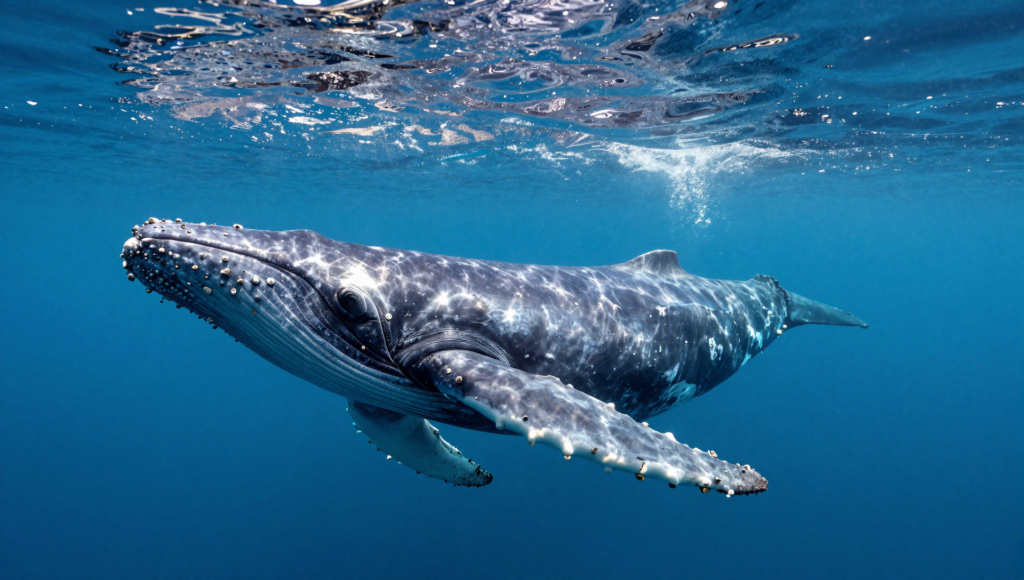
Where and When to Listen for Whale Songs
Humpback whales are known for their complex and enchanting songs, which can be heard in specific locations and seasons. To optimize your chances of hearing these magnificent vocalizations, it is essential to choose the right destination and timing. The primary habitats for humpback whales are typically found in coastal waters and areas rich in marine life, where these gentle giants congregate for migration, breeding, and feeding.
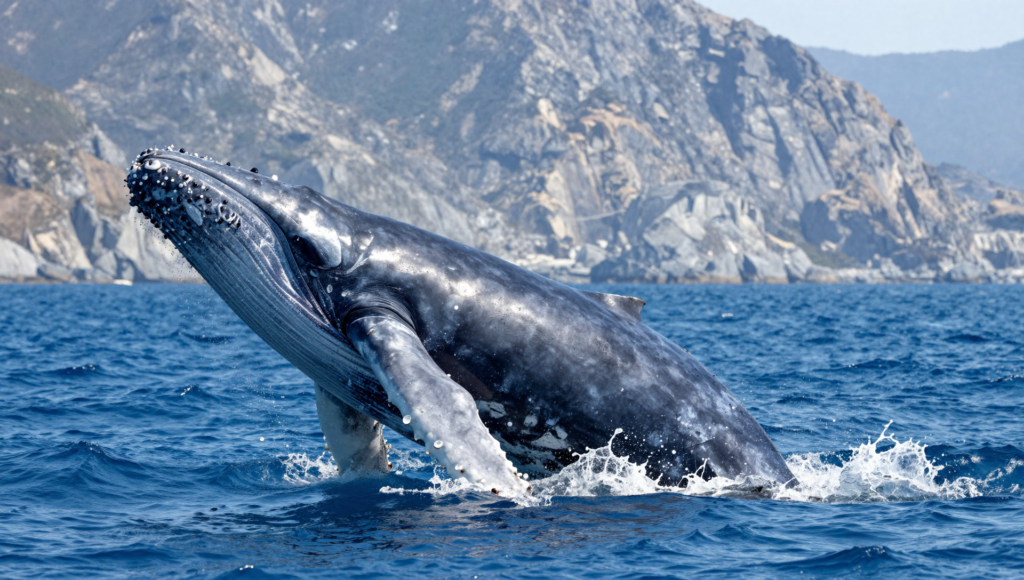
The best time to listen for humpback whale songs is during the breeding season, when male humpback whales become especially vocal.
One of the best locations to listen for whale songs is off the coast of Hawaii. Here, humpback whales migrate from Alaska to breed between December and April, offering prime opportunities for whale-watching tours. There are numerous tour operators that provide guided trips specifically aimed at locating and observing these majestic creatures in their natural habitat. During these excursions, not only can you witness the whales breaching and tail-slapping, but many tours also offer hydrophone equipment, allowing you to listen to the songs of humpback whales in real-time.
Other notable locations include the southern coasts of California, Massachusetts, and the Gulf of Maine, where humpback whales are frequently spotted between April and October. Timing is crucial, as the likelihood of hearing the whales’ songs increases significantly during the peak migration and breeding periods. Furthermore, many research organizations and marine centers offer specialized trips aimed at documenting whale sounds, enhancing your understanding of their communication.
For those seeking a more intimate experience, smaller avenues such as kayaking tours in places like the San Juan Islands in Washington State also provide chances for close encounters. Ensure to arrange your outings around the known periods when these whales are active. By selecting the ideal time and location, you can greatly enhance your chances of witnessing the majestic songs of humpback whales in their natural environment.
Technology and Tools for Listening to Whale Songs
The fascinating world of humpback whale songs has captivated researchers and nature enthusiasts alike, illuminating the depths of underwater communication among these majestic creatures. To capture these ethereal sounds, scientists employ a variety of technologies and equipment, with underwater microphones, known as hydrophones, being the most essential tools in this endeavor.
Hydrophones are designed to operate effectively in challenging marine environments, where they can detect and record the low-frequency sounds produced by humpback whales. These sophisticated devices are able to isolate whale vocalizations from background noise and transmit the data for analysis. The recordings obtained from hydrophones enable researchers to study various aspects of whale songs, including patterns, frequencies, and behavioral contexts. By employing arrays of hydrophones placed at strategic locations in oceans or during migration routes, scientists can create a clearer auditory picture of whale communication.
In addition to professional research, citizen science has played a vital role in listening to and documenting whale songs. Enthusiastic individuals, equipped with their own hydrophones or access to recording technologies, are increasingly contributing to whale song databases. This grassroots involvement is beneficial not only to researchers but also to the participants themselves, as they foster a deeper connection with marine life. Online platforms and applications have been developed to facilitate the sharing of whale songs and enhance public engagement in marine conservation efforts.
Moreover, advancements in technology are paving the way for innovative solutions for more accurate recordings. For example, the integration of artificial intelligence is allowing researchers to analyze vast amounts of whale song data more efficiently, leading to new insights into the behaviors and communication methods of humpback whales. As technological capabilities continue to evolve, our understanding of these enigmatic songs will undoubtedly deepen, providing us with vital information about the health of marine ecosystems.
The Conservation of Humpback Whales and Their Songs
Humpback whales, known for their captivating songs and extensive migratory patterns, face a range of conservation challenges that threaten their populations and the marine ecosystems in which they inhabit. One significant issue is overfishing, which not only depletes the whale’s food sources but also disrupts the delicate balance of marine life. The decline in fish populations can lead to increased competition among species, making it difficult for humpback whales to find adequate nourishment during their migration.
Climate change constitutes another pressing challenge, as it impacts ocean temperatures and currents. Altered marine ecosystems can lead to changes in the distribution of prey species, making it increasingly difficult for humpback whales to locate their primary food source, krill. Additionally, changing sea temperatures often induce shifts in breeding and migration patterns, adversely affecting the lifespan and reproduction rates of these majestic creatures.
Noise pollution is yet another significant threat to humpback whales and their songs. As human activities increase, sounds from shipping, industrial processes, and recreational boating can interfere with the whales’ communication. Humpback songs play a crucial role in their social interactions and mating rituals; disturbances in their acoustic environment can lead to disorientation and difficulties in mating, ultimately affecting their population growth.
Due to these challenges, the protection of humpback whales is vital not only for preserving their songs but also for maintaining the broader health of marine ecosystems. Conservation efforts must focus on sustainable fishing practices, reducing greenhouse gas emissions to combat climate change, and minimizing underwater noise to ensure that these magnificent marine mammals thrive for generations to come.
Personal Experiences and Stories of Whale Song Listeners
The enthralling songs of humpback whales captivate not only marine biologists but also casual enthusiasts and ocean lovers. Many individuals have sought the opportunity to listen to these magnificent creatures singing in their natural habitat, and their personal experiences provide deep insight into the emotional and spiritual connections formed during these encounters.
One notable account comes from a marine ecologist who spent years researching whale songs off the coast of Hawaii. They describe the first time they heard the ethereal melodies reverberating through the water. “It felt like the ocean was alive and communicating with us in a language beyond words. I’ve listened to many sounds in my career, but the songs of humpback whales are unlike anything else; they touch something profound within you,” they shared. Such experiences underscore the unique ability of whale songs to evoke emotional responses and foster a deeper appreciation for marine life.
Another individual recounted her journey on a whale-watching expedition, emphasizing the transformative impact of listening to a whale serenade. “As I sat on the boat, listening to the distinct calls harmonizing through the waves, I felt a connection to the natural world that I had never experienced before. It was as if I was being invited into their realm. The soothing nature of their songs eased my mind, and I found myself reflecting on my place in the ecosystem,” she mentioned. This anecdote highlights how humpback whale songs can serve as a bridge between humans and the ocean, instilling a sense of wonder and interconnectedness.
These personal stories illustrate the profound impact of whale songs on listeners, enriching their understanding of marine life and fostering a commitment to ocean conservation. As awareness of the delicate balance of ocean ecosystems grows, so too does the significance of preserving the captivating songs of these great whales.
Conclusion: The Legacy of Humpback Whales and Their Songs
The songs of humpback whales are not only an extraordinary aspect of their behavior but also play a significant role in the broader marine ecosystem. These magnificent creatures, known for their long and complex vocalizations, have fascinated researchers and nature enthusiasts alike. The haunting melodies that resonate through the oceans serve multiple purposes, including communication and possibly even navigation. Furthermore, the songs foster social bonds among individuals, indicating the sophisticated nature of their interactions.
Ecologically, the presence of humpback whales and their songs highlights the health of marine environments. As apex predators, they contribute to the balance of ocean ecosystems and serve as indicators of marine biodiversity. Their songs enrich the underwater soundscape, creating a linguistic tapestry that reflects the vibrancy of life beneath the waves. However, these awe-inspiring beings face numerous threats, including human-induced changes to their habitats, climate change, and illegal hunting practices. The decline of their populations can disrupt ecological connections, underscoring the necessity for conservation efforts.
On an emotional level, humpback whales captivate our imagination, evoking a sense of wonder about the natural world. Their songs have inspired art, literature, and music, as they symbolize the beauty and mystery of the ocean’s depths. Appreciating humpback whale songs encourages a deeper connection with nature and a commitment to preserving these magnificent creatures as well as their environments.
In conclusion, the legacy of humpback whales transcends their individual lives, permeating cultural, ecological, and emotional facets of our existence. As stewards of the planet, it is essential to advocate for their preservation, ensuring that future generations can continue to be enchanted by their songs. The narratives we weave around these ocean giants remind us of our responsibility to protect our planet’s diverse life forms for years to come.


