




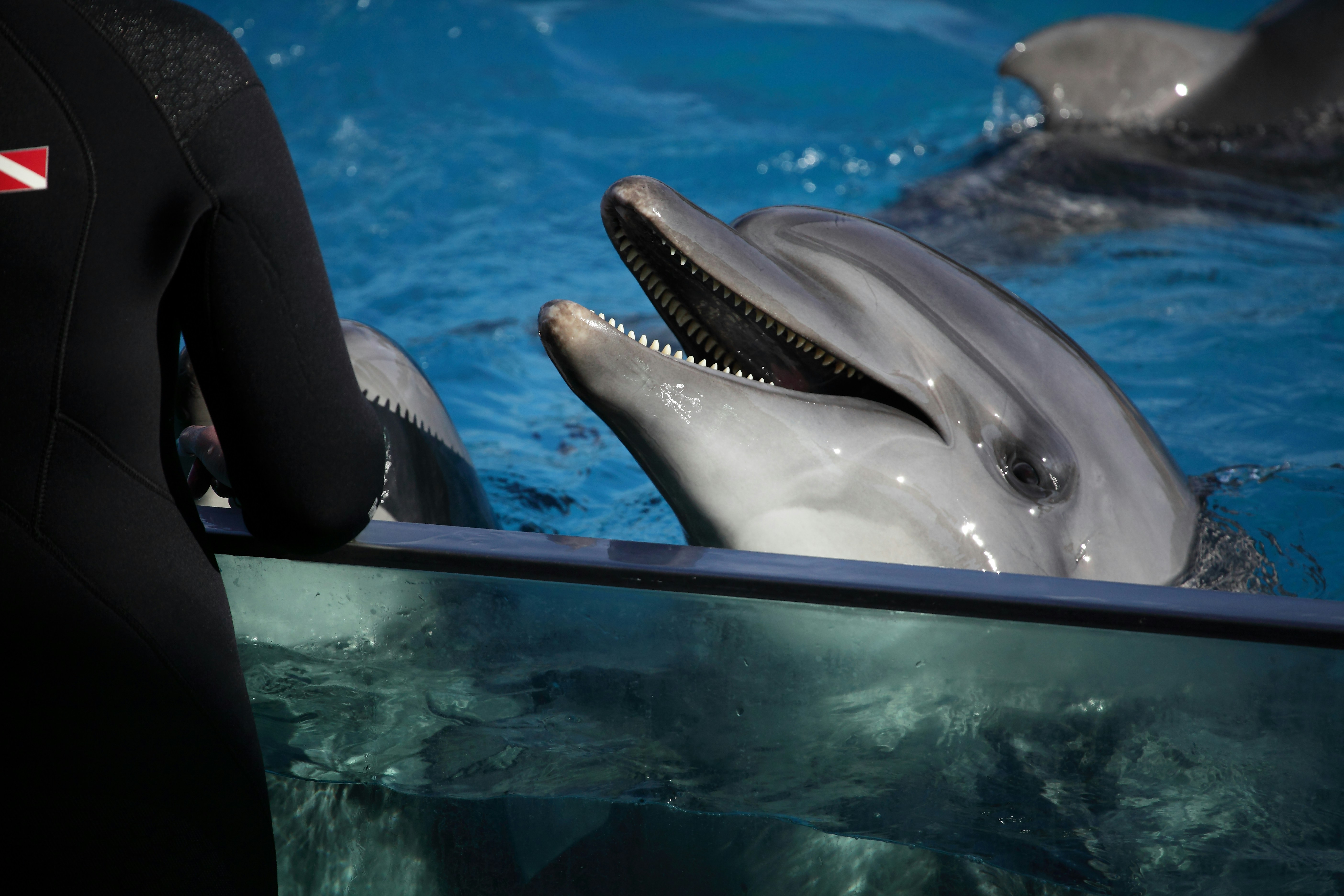
Introduction to Dolphins
Dolphins are fascinating members of the marine mammal family, specifically categorized under the order Cetacea, which includes all types of whales and porpoises. They belong to the suborder Odontoceti, also known as toothed whales, characterized by their complex behaviors and advanced cognitive abilities. This subgroup encompasses a diverse array of species, including the well-known bottlenose dolphin and the more exotic orca, or killer whale. The uniqueness of dolphins lies not only in their physical attributes but also in their social structures, communication, and problem-solving capabilities.
These marine mammals are primarily found in oceans and some river systems, displaying a remarkable adaptability to aquatic environments. Dolphins are typically recognized for their streamlined bodies which are well-suited for swift movement through water. Their dorsal fins and flukes allow them to swim efficiently, while their blowholes facilitate breathing, making it easier for them to surface for air. The skin of dolphins is smooth and often appears in shades of gray or blue, helping them blend into their surroundings and evade predators.
The social nature of dolphins further enhances their distinction in the animal kingdom. They are known for forming tight-knit groups, or pods, which provide social interaction and cooperative hunting strategies. Communication among these marine mammals is complex and involves a range of vocalizations, body language, and echolocation—an impressive ability that allows them to navigate and locate prey in dark or murky waters.
In conclusion, dolphins are remarkable creatures with a wealth of characteristics that set them apart as a unique family of marine mammals. Their intelligence, social structures, and adaptability are vital not only to their survival but also to the marine ecosystems in which they thrive.
Anatomy and Physiology
Dolphins, as members of the cetacean family, exhibit a unique body structure that distinctly contributes to their intelligence and social behavior. The streamlined bodies of dolphins are specifically adapted for efficient swimming, enabling these marine mammals to reach speeds of up to 40 km/h. Their torpedo-shaped morphology minimizes water resistance, facilitating rapid movement through aquatic environments, which is essential for their hunting and social interactions.
Size variations among dolphin species are noteworthy, with adult bottlenose dolphins measuring between 2 to 4 meters in length, while the larger orca, or killer whale, can reach lengths of up to 9 meters. This range in size demonstrates not only evolutionary adaptations but also highlights the diverse ecological niches dolphins occupy. The variations in size and shape allow different species to utilize various habitats effectively, whether coastal or open ocean.
One of the most significant adaptations in dolphins is their sophisticated echolocation system. This biological sonar enables dolphins to emit sound waves that bounce off objects in their environment, allowing them to decipher distances, shapes, and even the textures of objects submerged in water. This remarkable ability is not only critical for locating food but also plays a vital role in social interactions and navigation. It is a primary factor enabling dolphins to thrive in their often murky habitats where visibility is limited.
Additionally, dolphins have developed social behaviors that are closely tied to their physical capabilities. They exhibit complex communication methods, engaging in various vocalizations and physical displays that reflect their social structures. Such traits suggest a high level of cognitive function, illustrating how anatomy and physiology intertwine to support their remarkable intelligence.
Behavioral Intelligence of Dolphins
Dolphins are renowned for their impressive cognitive abilities, which have been the subject of extensive research and observation. Their behavioral intelligence manifests in various forms, particularly in their adeptness at problem-solving, the use of tools, and their capacity to learn and execute complex tasks.
One of the most notable aspects of dolphin intelligence is their problem-solving skills. Numerous studies have shown that dolphins can navigate challenging tasks that require careful thought and strategy. For instance, in controlled environments, they have successfully completed puzzles that involve manipulating objects to achieve a specific goal, showcasing their ability to think critically and adaptively.
Additionally, dolphins utilize tools in their natural habitats. A prominent example is the use of marine sponges by bottlenose dolphins in Shark Bay, Australia. These dolphins cover their snouts with sponges to protect themselves while foraging on the seafloor, indicating advanced planning and foresight. This tool use not only highlights their resourcefulness but also suggests a learned behavior passed through generations, emphasizing the social learning aspect of their intelligence.
Furthermore, dolphins demonstrate remarkable learning abilities through both formal training and observational learning. They can acquire new behaviors quickly when trained by humans, often outperforming expectations for intelligence in marine mammals. Certain dolphins have been observed mimicking the behavior of their trainers, effectively showcasing their understanding and the ability to replicate complex actions. This capacity for imitation strengthens the notion that dolphins possess a high level of cognitive function, akin to primates in some respects.
The combination of problem-solving skills, tool use, and advanced learning capabilities positions dolphins as one of the most intelligent species in the animal kingdom. Their cognitive prowess not only fascinates researchers but also underlines the need to protect and understand these remarkable marine mammals within their environments.
Social Structures and Communication
Dolphins are renowned for their complex social structures and sophisticated methods of communication, both of which play critical roles in their daily lives. Typically, dolphins live in groups known as pods, which can range in size from a few individuals to over a hundred. These pods often exhibit intricate social hierarchies that are observed through behaviors such as grooming, feeding, and even playing. The bonds among pod members can be quite strong, sometimes reflecting familial relationships, where mothers and calves maintain close ties for several years.
Within dolphin pods, social interactions are governed by various dynamics, including dominance hierarchies. Research has shown that dominant individuals may assert their status through vocalizations and physical displays, yet cooperation is equally essential for pod cohesion. Mating behaviors also reflect the social structures at play. Males may compete for access to females, leading to complex mating displays that underscore the importance of social relationships in reproduction.
Communication among dolphins is another fascinating aspect of their intelligence. These marine mammals employ a range of vocalizations, which include clicks, whistles, and pulsed sounds, each serving different purposes. Clicks are typically used for echolocation—helping dolphins navigate and hunt in their aquatic environment—while whistles often convey emotional states or social cues. Additionally, body language complements these vocalizations, with physical movements providing context to their interactions. For instance, leaping out of the water or breaching can signify excitement or playfulness, further enhancing their communicative repertoire.
Overall, the social structures and communication methods of dolphins demonstrate their sophisticated cognitive abilities. Understanding these dynamics sheds light on the complexities of dolphin societies and the ways they coordinate and cooperate within their pods, making them one of the most intelligent marine mammals.
Dolphins in Popular Culture
Dolphins have long captivated human imagination and have been prominently featured in various forms of popular culture, including literature, film, and documentaries. These intelligent marine mammals are often depicted as friendly, playful creatures, which has contributed significantly to their popularity. Literature, in particular, has portrayed dolphins through many narratives that emphasize their social behavior and intricate communication methods. In children’s books such as “The Friendly Dolphin” or “Dolphin Tale,” these animals are illustrated as benevolent beings, further solidifying their status as symbols of friendship and compassion.
In cinema, dolphins have been central characters in numerous films, most notably in the 1963 movie “Flipper,” which showcased a young boy’s bond with a dolphin. This film not only entertained but also ignited public interest in marine life, leading to an increased awareness of the ocean’s ecosystems. Subsequent films, such as “Dolphin Tale,” celebrated the resilience of dolphins while promoting messages surrounding rehabilitation and conservation efforts. Such portrayals have significantly influenced how audiences perceive these mammals, often leading to an emotional connection with them.
Documentaries also play a crucial role in shaping public understanding of dolphins. Films like “The Cove” and series such as “Blue Planet” have revealed the complex behaviors and intelligence of dolphins, while simultaneously raising awareness about the threats they face. This exposure has motivated many viewers to become involved in conservation initiatives aimed at protecting dolphin habitats and promoting marine health. Consequently, the powerful representations of dolphins in popular culture are instrumental in fostering public concern and action regarding marine conservation.
Conservation Status of Dolphins
The conservation status of dolphins varies significantly among different species, heavily impacted by human activities and environmental changes. Many dolphin populations are currently facing serious threats, including habitat loss, pollution, and entanglement in fishing gear, which have all been identified as critical factors contributing to their declining numbers.
Habitat loss, primarily due to coastal development and marine pollution, interrupts the natural habitats that dolphins rely on for breeding and feeding. As urban areas expand, the degradation of marine ecosystems becomes more pronounced, resulting in diminished food sources and safe breeding grounds for these intelligent marine mammals. Additionally, pollution, particularly from plastics and toxic chemicals, significantly affects the health of dolphin populations. Contaminated waters can lead to reduced reproductive success and increased mortality rates among dolphins, exacerbating their decline.
Moreover, dolphins often fall victim to entanglement in fishing gear, including nets and lines, which leads to injury or death. This tragic occurrence is particularly widespread in the fishing industry, where bycatch poses a significant threat to many dolphin species. To combat these issues, various conservation efforts are underway globally. Organizations are advocating for stricter fishing regulations and better waste management practices to mitigate the impacts of these threats. Furthermore, marine protected areas have been established to safeguard essential dolphin habitats, providing safe havens for these marine creatures to thrive.
Despite these challenges, dedicated initiatives continue to work towards the preservation of dolphin populations. Raising awareness about the plight of dolphins is essential to garner support for conservation measures and ensure the survival of these remarkable marine mammals. By understanding and addressing the threats they face, we can contribute to the ongoing efforts to protect dolphins and their habitats, ultimately enhancing the conservation status of these valuable species.
Human-Dolphin Interaction
Dolphins have captivated human interest for centuries, leading to a multifaceted relationship that encompasses elements such as tourism, scientific research, and ethical discussions. The surge in dolphin-watching tourism highlights one of the most profound interactions between humans and these intelligent marine mammals. Tours allow people to observe dolphins in their natural habitats, providing them an opportunity to appreciate their graceful movements and social behaviors. Such experiences contribute not only to heightened awareness about conservation issues but also to economic benefits for local communities reliant on this sector.
From another angle, scientific research involving dolphins has expanded our understanding of their intelligence and complex social structures. Collaborative projects between marine biologists and organizations dedicated to studying cetacea have led to insights about dolphin communication, problem-solving skills, and even their emotions. Researchers often utilize techniques such as observational studies or rescue missions that involve direct interaction with dolphins, further enriching the human-dolphin dynamic. This collaboration has given rise to important conservation efforts and protective measures aimed at safeguarding their natural environments.
Despite the benefits of human-dolphin interactions, significant ethical considerations arise, particularly concerning the treatment and captivity of dolphins. The treatment of dolphins in marine parks and aquariums has come under scrutiny, raising questions about the appropriateness and morality of keeping these intelligent creatures in confined spaces for entertainment purposes. Critics argue that dolphins should remain in their natural habitats, advocating for policies that prioritize their well-being and conservation. Ethical guidelines and regulations are pivotal to ensure that any interaction with these marine mammals is responsible and respectful, emphasizing their intrinsic value beyond mere entertainment.
Dolphins and Marine Ecosystems
Dolphins play a significant role in the marine ecosystem, contributing to ecological balance and species dynamics. As apex predators, they help regulate fish populations, thereby supporting the health of fish stocks within their environments. By preying on certain fish species, dolphins ensure that no single species dominates the ecosystem, fostering a diverse marine community. This predatory behavior contributes to the natural selection processes in the aquatic environment, promoting genetic diversity among fish and other aquatic organisms.
Moreover, dolphins engage in complex social behaviors that further influence their ecosystems. For instance, they often hunt collaboratively, employing sophisticated techniques that optimize their foraging success. This cooperative hunting not only benefits the dolphins themselves but also affects the distribution and behavior of prey species. The presence of a dolphin pod can alter the dynamics of marine environments, as their hunting can lead to shifts in the abundance and location of fish schools and other marine life.
The decline of dolphin populations can have profound implications for marine biodiversity. As important players in their ecosystems, dolphins’ absence may lead to an imbalance in species interactions. For example, an increase in certain fish populations due to the reduced predation pressure from dolphins can result in overgrazing of essential marine vegetation like seagrasses and corals. This, in turn, disrupts habitats for many other marine species, potentially leading to a decline in overall biodiversity. The interdependence of various marine species highlights the necessity of conserving dolphin populations, not only for their survival but also for the stability of marine ecosystems as a whole.
Conclusion
Throughout this blog post, we have explored the remarkable intelligence of dolphins, delving into their complex behaviors, social structures, and communication methods. As one of the most intelligent species in the animal kingdom, dolphins exhibit a range of cognitive abilities that include problem-solving, social interactions, and even the use of tools. Understanding their minds not only sheds light on their lives but also highlights the intricate connections between marine mammals and their environments.
Despite the impressive advancements in our knowledge of dolphin intelligence, significant gaps remain. Continued research is vital to fully appreciate the depth of their cognitive and emotional capacities. Studies focused on their social dynamics, echolocation, and learning capabilities will further contribute to our understanding and may reveal insights that challenge conventional notions of animal intelligence. It is imperative that scientists and conservationists work collaboratively to unravel these complexities, ensuring that we gain a deeper appreciation for the roles dolphins play in our oceans.
Furthermore, the urgent need for conservation efforts cannot be overstated. Dolphins face numerous threats from habitat degradation, pollution, and climate change, all of which jeopardize their survival. Protecting these remarkable marine mammals requires dedicated initiatives aimed at preserving their natural habitats and mitigating human impacts. As stewards of our planet, it is our responsibility to advocate for policies and practices that prioritize the conservation of dolphin populations and their ecosystems.
In conclusion, a continued commitment to research and conservation is essential for ensuring the well-being of dolphins and sustaining the intricate marine environments in which they thrive. By prioritizing their protection, we not only safeguard their future but also enrich our understanding of the complexities of intelligence across species.


