




The Balance of Ecosystems: Why It Is Essential for Nature, Human Health, and Our Future
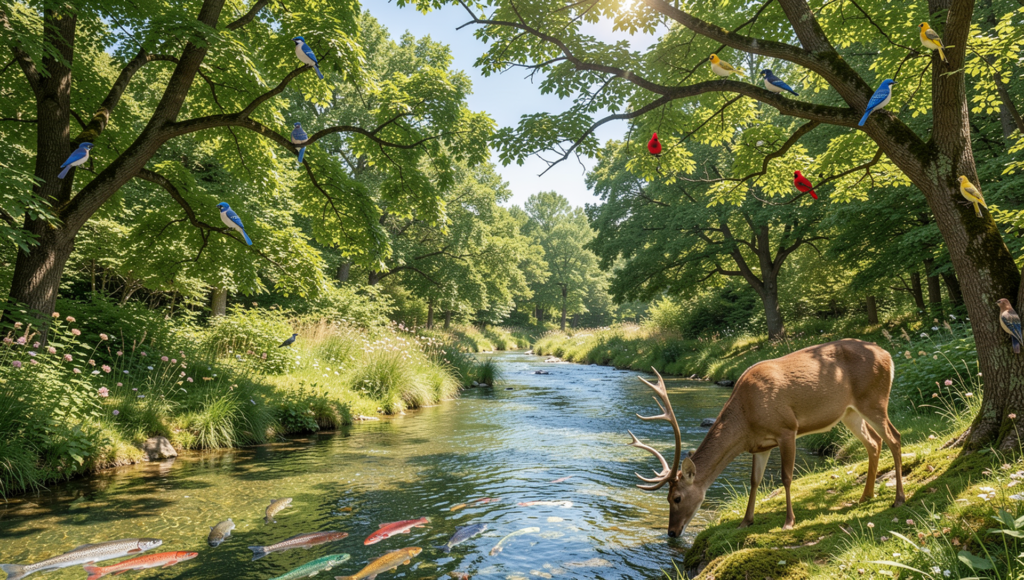
An ecosystem is a community of living organisms and the physical environment in which they exist. Forests, rivers, oceans, wetlands, grasslands, deserts, and even urban green spaces are all examples of ecosystems. Plants, animals, insects, microorganisms, soil, water, and air interact with one another in complex ways. When these relationships remain relatively stable, an ecosystem can continue to function and support life. This condition is often described as ecological balance.
The balance of ecosystems is essential because human beings are also part of nature. We depend on healthy ecosystems for clean air, fresh water, food, fertile soil, medicines, and many other resources. When ecosystems are damaged or severely disrupted, the consequences can eventually affect human health, economies, and quality of life.
Every species has a role in nature. Plants produce oxygen and provide food and shelter. Insects pollinate flowers and crops. Birds and other animals help disperse seeds. Predators control populations of other animals, while microorganisms break down dead organic matter and return nutrients to the soil. These relationships form interconnected food webs. If one important species disappears, the effects can spread through the ecosystem. For example, the decline of pollinating insects can affect plant reproduction and agricultural production. The removal of predators can sometimes lead to an overpopulation of prey species, which may place excessive pressure on vegetation.
Healthy ecosystems also provide natural services that humans often take for granted. Forests help regulate climate and store carbon. Wetlands can help absorb excess water and reduce flooding. Vegetation helps prevent soil erosion, while oceans support fisheries and influence global weather patterns. Protecting ecological balance therefore means protecting the natural systems that support human civilization.
Industrial development has brought enormous benefits to society, including medicines, technology, transportation, energy, and employment. However, industrial activity can also create pollution when waste and emissions are not properly controlled. Factories, power plants, mining operations, chemical industries, and other industrial activities may release pollutants into the air, water, or soil. These pollutants can include particulate matter, toxic chemicals, heavy metals, greenhouse gases, and other substances.
Air pollution can travel far beyond the original source. Water pollution can move downstream through rivers and eventually reach lakes, wetlands, or oceans. Contaminated soil can affect plants and animals and may remain polluted for many years. Industrial pollution can therefore affect entire ecosystems rather than only a single location.
Pollution can have serious consequences for animals and plants. Toxic substances released into water can harm fish and other aquatic organisms. Some pollutants accumulate in the bodies of animals and become more concentrated as they move through the food chain. This process can expose predators at the top of the food web to particularly high levels of certain contaminants.
Air pollution can damage vegetation and contribute to acid deposition in some environments. Excess nutrients entering rivers and lakes can cause algal blooms that reduce oxygen levels in water, creating conditions that are harmful to fish and other aquatic life. Plastic pollution is another growing concern. Marine animals may become trapped in plastic waste or accidentally consume it. When pollution reduces biodiversity, ecosystems may become less resilient and less capable of recovering from future disturbances.
Environmental damage is also a human health issue. Air pollution is associated with respiratory and cardiovascular problems and can be particularly dangerous for children, older adults, and people with existing health conditions. Contaminated drinking water can expose people to harmful microorganisms or toxic substances. Certain heavy metals and industrial chemicals can affect the nervous system, kidneys, reproductive health, or other organs depending on the substance and level of exposure.
Food can also become contaminated when pollutants enter agricultural soil, water supplies, or marine ecosystems. For these reasons, environmental protection is not simply about saving forests and animals. It is also about protecting human health and creating safer communities.
The benefits of healthy ecosystems reach almost everyone. Farmers benefit from healthy soil, pollinators, and reliable water supplies. Fishermen and coastal communities depend on healthy oceans and rivers. Cities benefit from trees and green spaces that provide shade and can help reduce heat. Children benefit from clean air, safe water, and opportunities to experience nature. Future generations benefit when natural resources are protected today.
Businesses also depend on healthy ecosystems. Agriculture, tourism, fisheries, forestry, and many other industries rely directly or indirectly on natural resources. Even industries that appear unrelated to nature ultimately depend on a stable environment. Clean water, energy resources, raw materials, and healthy communities are essential for economic activity.
Protecting ecosystems requires action at multiple levels. Governments can establish environmental regulations, monitor industrial emissions, protect forests and wetlands, and enforce pollution standards. Industries can reduce waste, improve production efficiency, treat wastewater, control air emissions, and invest in cleaner technologies. Communities can participate in recycling, tree planting, river cleanups, and local conservation projects.
Individuals can also make responsible choices. Reducing unnecessary consumption, avoiding littering, conserving water and energy, using reusable products, and supporting environmentally responsible businesses can contribute to positive change. Environmental education is equally important because people are more likely to protect something when they understand its value.
Modern technology can also help reduce environmental damage. Renewable energy sources, improved wastewater treatment, cleaner manufacturing processes, electric transportation, and better pollution monitoring can all contribute to a healthier environment. However, technology alone cannot solve every environmental problem. Strong policies, responsible business practices, public awareness, and individual action must work together. The goal should not necessarily be to stop industrial development but to make development more sustainable.
The balance of ecosystems is not something that belongs only to environmental scientists or conservation organizations. It is a shared responsibility. Every person depends on nature, whether they realize it or not. The food on our plates, the water we drink, the air we breathe, and many of the materials we use come from natural systems.
When ecosystems are healthy, they provide benefits that reach across society. When ecosystems are severely damaged, the consequences can affect wildlife, economies, and human health. The challenge is to find a sustainable relationship between human development and the natural world.
Protecting ecological balance is ultimately an investment in our own future. By controlling industrial pollution, protecting biodiversity, using natural resources responsibly, and supporting cleaner technologies, we can create a world where economic progress and environmental health exist together. The people who benefit are not only today’s communities but also future generations. A healthy ecosystem is a gift that continues to provide clean air, fresh water, food, natural beauty, and protection for everyone. Protecting that balance is therefore one of the most important responsibilities of modern society.


