




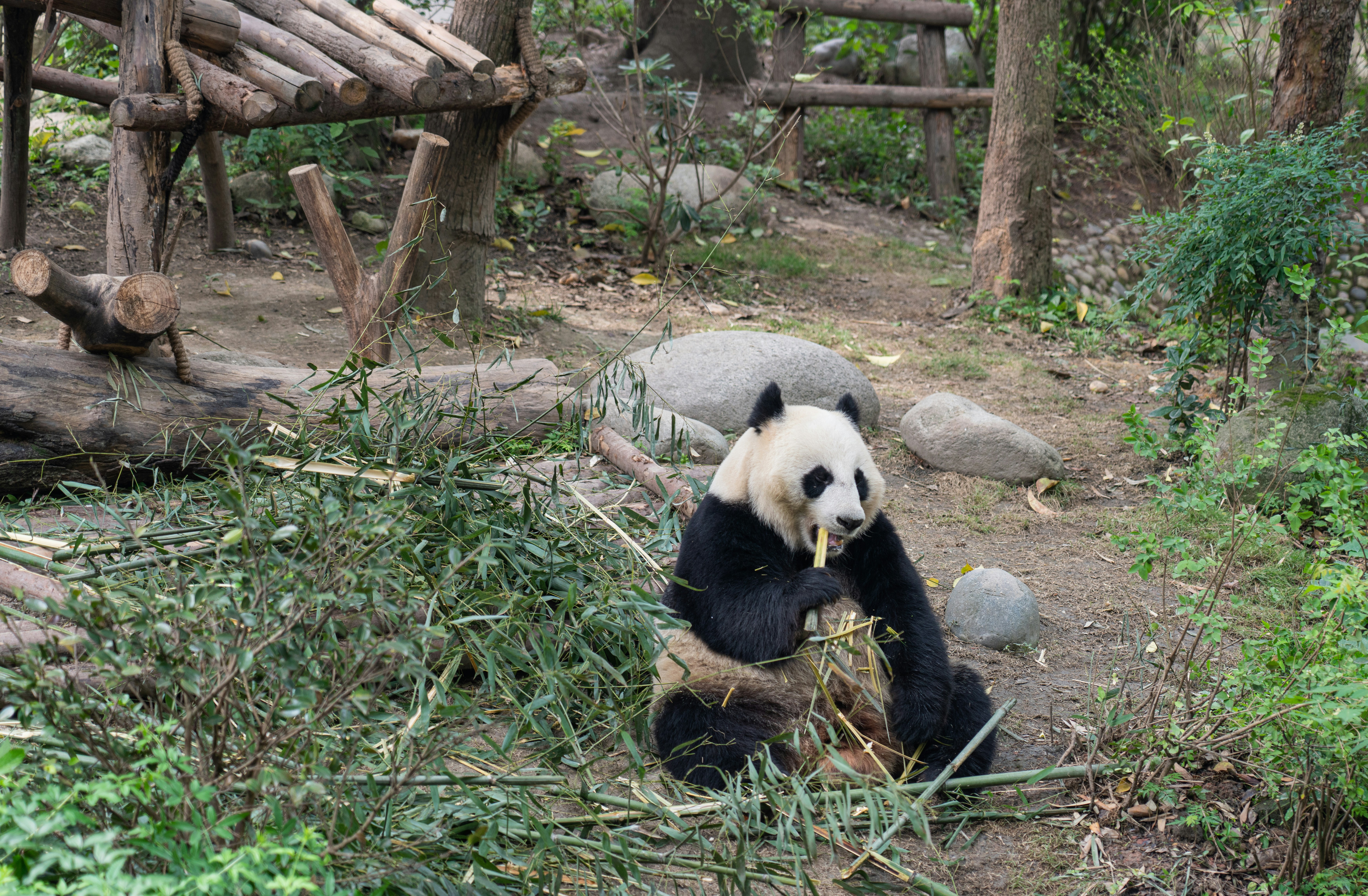
The Plight of the Giant Panda
The giant panda (Ailuropoda melanoleuca) is currently classified as endangered, reflecting a critical status that requires immediate attention and conservation efforts. As of the latest assessments, fewer than 1,900 giant pandas remain in the wild, concentrated primarily in the mountainous regions of Sichuan, Shaanxi, and Gansu provinces in China. This iconic species has faced numerous challenges that have led to its drastic population decline over the past decades.
One of the most significant factors contributing to the giant panda’s endangerment is habitat loss. The expansion of agriculture and urbanization has resulted in the destruction and fragmentation of the bamboo forests that serve as their primary habitat. Given that bamboo constitutes about 99% of a panda’s diet, the loss of this food source due to deforestation and climate change poses a direct threat to their survival. As habitats are destroyed, the remaining populations become isolated, further limiting their reproductive opportunities and genetic diversity.
In addition to habitat loss, poaching remains a critical threat to giant pandas. Although they are protected by law, illegal hunting for their pelts and other body parts still occurs in some regions. Furthermore, human activities such as logging and road construction have exacerbated these challenges, creating barriers that hinder the pandas’ movement and access to food.
Statistics indicate that almost 50% of the giant panda’s current habitat has been lost over the last few decades, leading to further endangerment of the species. Conservation programs, such as the establishment of nature reserves and breeding centers, have made progress in recent years but require ongoing support and commitment to ensure the survival of this beloved species. Addressing these challenges is crucial not only for maintaining biodiversity but also for preserving the cultural significance that giant pandas hold around the world.
Conservation Efforts: Strategies to Save the Giant Panda
The conservation of giant pandas has gained significant attention over the past few decades, leading to numerous strategies aimed at preserving their populations and natural habitats. Various organizations and governmental bodies have initiated impactful programs focused on giant panda protection. One notable entity is the World Wildlife Fund (WWF), which collaborates with local communities and conservation experts to implement effective measures for their survival.
Establishing nature reserves is a cornerstone of panda conservation efforts. These protected areas are crucial for sustaining the bamboo forests on which giant pandas rely for nourishment. In China, the creation of the Wolong Nature Reserve has played a vital role in safeguarding panda habitats, enabling these animals to thrive in a more secure environment. Additionally, the Giant Panda National Park, announced in recent years, exemplifies the commitment to preserving vast areas of panda habitat, integrating multiple reserves into a single ecologically viable area.
Breeding programs have also emerged as a fundamental strategy for increasing the panda population. Institutions like the Chengdu Research Base of Giant Panda Breeding have been pivotal in successfully breeding pandas in captivity and enhancing genetic diversity. These programs not only focus on reproduction but also on educating the public about giant pandas and the threats they face.
Legislation also plays an integral role in giant panda conservation. The Chinese government has enacted laws to protect giant pandas and their habitat, contributing to a decline in poaching incidents and habitat destruction. While these efforts have led to some success stories, including an increase in the giant panda population from near extinction, ongoing challenges remain. Climate change, habitat fragmentation, and human encroachment threaten the long-term survival of these magnificent creatures. Collaborative efforts across various sectors remain essential in ensuring the continued protection of giant pandas and their ecosystems.
The Role of Biodiversity in Panda Preservation
The interconnectedness of species within ecosystems plays a critical role in the conservation of giant pandas. As keystone species, pandas are essential for maintaining the balance of their habitats. Their feeding habits and activities contribute to the health of bamboo forests, which are not only vital for their own nutrition but also serve as a resource for a myriad of other wildlife. In this way, preserving pandas directly correlates with the conservation of their environment and the myriad species that share it.
Biodiversity enhances ecosystem resilience, enabling it to recover from disturbances and adapt to changes. This resilience is particularly important in the face of climate change, habitat loss, and other anthropogenic pressures. By protecting the diverse plant and animal species that coexist with giant pandas, conservation initiatives can create a more stable and sustainable environment. For example, the presence of various pollinators, such as bees and butterflies, is critical for the reproduction of many plant species, including bamboo. Healthy bamboo groves not only provide sustenance for pandas but are also essential for numerous other organisms at different trophic levels.
Furthermore, the preservation of diverse habitats fosters healthy populations of predators and prey alike, promoting balanced food webs. Conservation efforts that focus solely on pandas without considering the broader ecological context may fall short in achieving long-term success. Initiatives such as habitat restoration, inclusion of habitat corridors, and sustainable land-use practices can significantly contribute to maintaining both panda populations and the overall biodiversity of the regions they inhabit.
Thus, the role of biodiversity extends beyond mere coexistence; it is pivotal in fostering the health and stability of ecosystems, which in turn supports the survival of giant pandas. A comprehensive approach to conservation that promotes biodiversity not only benefits pandas but also the intricate web of life within their habitats.
How You Can Help Save the Pandas
Contributing to the conservation of giant pandas is a meaningful way to engage with wildlife preservation. There are several practical ways individuals can aid in the recovery of this emblematic species, and small efforts can collectively make a significant impact.
One of the most effective methods to help is by supporting reputable conservation organizations. Numerous organizations focus on giant panda conservation, working to protect their natural habitats and promote biodiversity. By donating or becoming a member of these organizations, you are directly contributing to their efforts, which may include habitat restoration, research, and educational outreach programs aimed at raising awareness about the challenges facing giant pandas.
Participating in awareness campaigns is another vital way to mobilize support for giant panda conservation. Engaging with social media, sharing educational materials, and attending conservation events can help spread the word about the importance of preserving these creatures and their habitats. Awareness campaigns often provide vital information on the impacts of deforestation, climate change, and poaching on panda populations.
Adopting a panda through various conservation programs allows you to support specific pandas and their care while fostering a personal connection with these animals. Many zoos and wildlife organizations offer ‘adoption’ programs where your contributions help fund the daily needs and conservation efforts of giant pandas in captivity and the wild.
Moreover, consumers can play an influential role by making mindful choices that positively affect wildlife conservation. Opting for sustainable and ethically sourced products helps limit the impact on panda habitats. Ensuring that the products you purchase do not contribute to deforestation or environmental degradation can have a lasting effect on the ecosystems where giant pandas thrive.
In conclusion, every individual has the power to contribute to giant panda conservation. By supporting organizations, participating in campaigns, adopting pandas, and making conscientious consumer choices, you can play a significant role in ensuring their survival for generations to come.


