




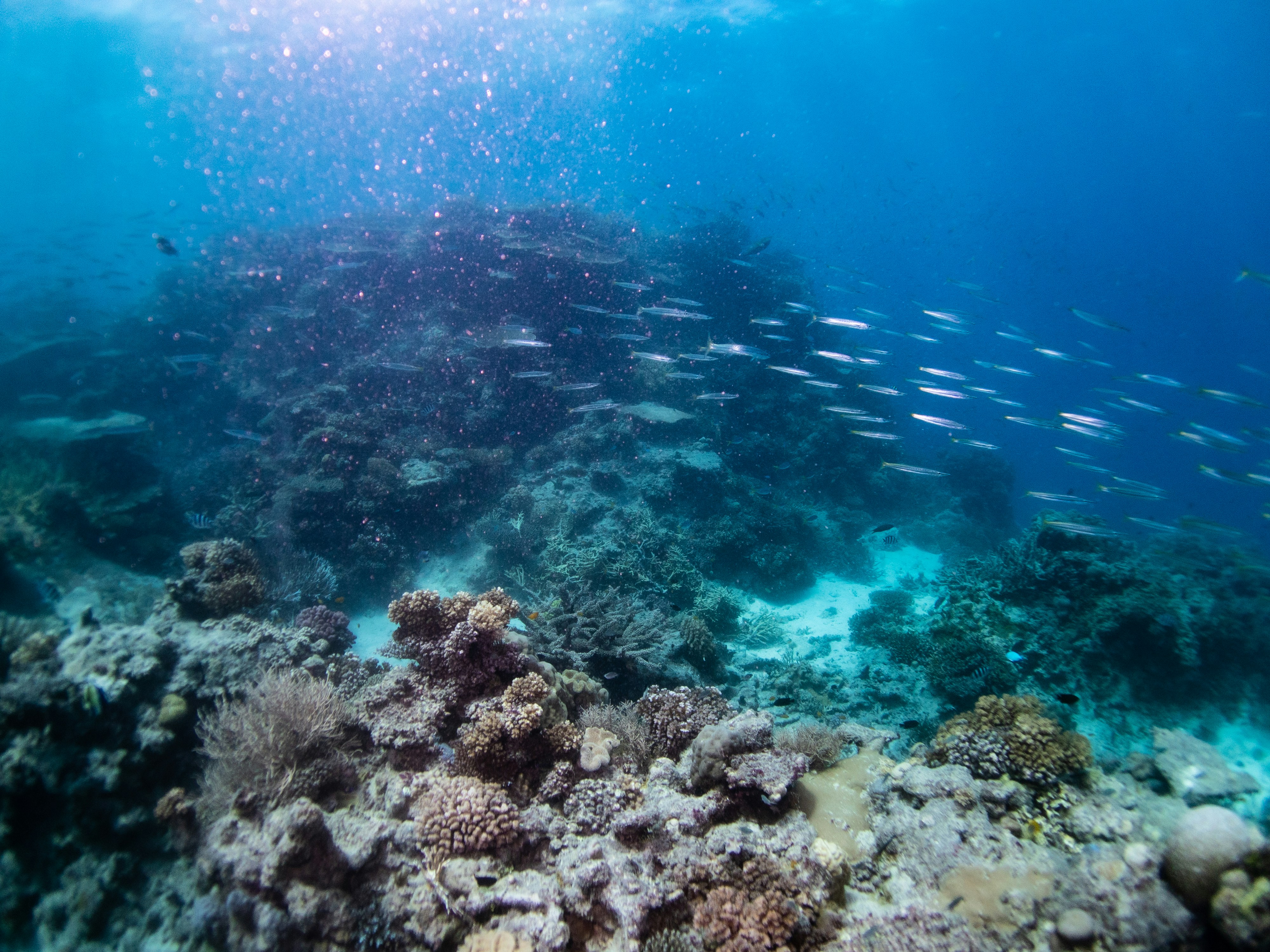
Understanding Reef Biodiversity
Biodiversity in coral reefs encompasses the vast array of living organisms that inhabit these complex marine ecosystems. This diversity includes a multitude of species ranging from corals, fish, and invertebrates to microorganisms, each playing a vital role in the health and functionality of the reef ecosystem. Coral reefs are often described as the “rainforests of the sea” due to their rich variety of species and distinct ecological interactions.
The interconnectedness of species in coral reefs is a fundamental aspect of biodiversity. Each organism contributes to the ecosystem services, such as nutrient cycling, habitat provision, and food web stability. For instance, herbivorous fish help control algal growth on the reef, thereby promoting the survival of coral polyps. Additionally, the symbiotic relationships between corals and zooxanthellae (the algae that live within coral tissues) highlight how interdependence can enhance resilience to environmental changes.
Genetic diversity is another crucial component of reef biodiversity. It allows species to adapt to changing conditions, such as temperature fluctuations or disease outbreaks, thus ensuring the overall resilience of marine ecosystems. A genetically diverse population can better withstand environmental stressors and recover more rapidly after disturbances, such as bleaching events caused by climate change.
With habitat degradation, pollution, and climate change increasingly threatening coral reefs, understanding and preserving biodiversity becomes paramount. Protecting the myriad species that call these ecosystems home is essential not only for maintaining ecological balance but also for supporting human livelihoods and promoting sustainable fisheries. By prioritizing biodiversity, we can help ensure that these underwater ecosystems continue to thrive in the face of escalating pressures, fostering a more resilient marine environment.
The Structure and Function of Coral Reefs
Coral reefs are complex structures formed primarily by the activities of coral polyps, which are small, soft-bodied organisms belonging to the phylum Cnidaria. These polyps secrete a hard exoskeleton made of calcium carbonate, thereby contributing to the reef’s growth. Over time, the accumulation of these skeletons results in the development of large, intricate formations that serve as essential marine habitats.
The structure of coral reefs can be broadly categorized into three main types: fringing reefs, barrier reefs, and atolls. Fringing reefs are directly attached to shorelines, while barrier reefs are separated from land by deeper water. Atolls, often circular or oval in shape, develop around submerged volcanic islands. Such diversity in reef types provides various niches for marine life, supporting thousands of species from fish to invertebrates.
In addition to their physical structure, coral reefs perform several critical functions within marine ecosystems. They provide habitat and breeding grounds for numerous marine species, ranging from small fish to larger predators. The biodiversity found in coral reefs is unparalleled, making them one of the most productive ecosystems on the planet. Moreover, reefs play a significant role in protecting coastlines from erosion and storm surges, acting as natural barriers against waves and strong currents.
Moreover, coral reefs contribute to the overall health of the oceans by supporting food web dynamics through their intricate relationships. The symbiotic relationship between coral polyps and zooxanthellae, the photosynthetic algae that reside within them, exemplifies this interdependence. The algae provide essential nutrients while the coral provides a protected environment for their growth.
In summary, the structure and function of coral reefs are fundamental to marine biodiversity. These ecosystems not only house a wide array of marine life but also offer essential services that sustain coastal communities and contribute to the health of our oceans. Understanding and protecting coral reefs is vital for maintaining balance in marine ecosystems worldwide.
Marine Ecosystems: More Than Just Coral Reefs
When discussing marine biodiversity, coral reefs often steal the spotlight due to their vibrant ecosystems and colorful inhabitants. However, the ocean is home to a multitude of other crucial marine ecosystems, each playing an integral role in the health of our planet. Among these ecosystems are mangroves, seagrass beds, and the deep sea, all of which contribute significantly to biodiversity and ecological balance.
Mangroves, found at the interface between land and sea, are characterized by their unique salt-tolerant trees. These trees provide essential nursery habitats for a variety of fish species, contributing to their early life stages and promoting healthy fish populations. Furthermore, mangrove forests act as natural barriers against coastal erosion and help filter pollutants, thereby maintaining water quality. Their intricate root systems not only support diverse marine life but also serve as vital carbon sinks, aiding in the fight against global warming.
Seagrass beds, another important marine ecosystem, are submerged flowering plants that play a crucial role in enhancing marine biodiversity. These underwater meadows provide habitat and food for countless species, including fish, sea turtles, and marine mammals. Moreover, seagrasses are instrumental in stabilizing sediments and improving water clarity by trapping particles, thus facilitating photosynthesis for other marine organisms.
Delving into the depths of the ocean, the deep-sea environment reveals an astonishing range of life forms that have adapted to extreme conditions. From bizarre bioluminescent organisms to unique ecosystems around hydrothermal vents, the deep sea is a treasure trove of biodiversity. These organisms demonstrate resilience and adaptability, showcasing the vast potential of marine life. The discoveries made in these depths not only expand our understanding of biology but also have implications for biotechnology and medicine.
Each of these marine ecosystems is interconnected, influencing one another and contributing to the overall health of marine biodiversity. Recognizing the importance of these ecosystems beyond coral reefs is crucial for effective conservation strategies. Protecting the diversity and functional integrity of these habitats is essential for the resilience of marine life and the health of our planet. Without focused efforts to safeguard these valuable ecosystems, we risk losing the myriad of services they provide to both marine and terrestrial environments.
Fish Evolution: A Journey Through Time
Fish have inhabited the oceans for hundreds of millions of years, serving as one of the earliest vertebrate groups to evolve. The journey of fish evolution can be traced back to ancient jawless fish, known as agnathans, which first appeared approximately 500 million years ago during the Cambrian period. These primitive creatures laid the foundation for the vast array of fish species we see today.
Throughout their evolution, fish developed several adaptive features that allowed them to thrive in varied environments. For instance, the transition from jawless forms to jawed fish enabled more efficient feeding strategies, leading to increased survival rates. The emergence of adaptations such as fins, which developed into various forms like pectoral and dorsal fins, allowed fish to navigate through complex aquatic environments with enhanced agility.
Environmental changes have played a significant role in shaping the evolutionary journey of fish. During periods of major climatic shifts, such as the Devonian and Permian extinction events, many species faced extinction, while others adapted and diversified. These adaptive radiations resulted in the emergence of various fish groups, including bony fish, cartilaginous fish, and the ancestors of modern-day sharks and rays.
As fish continued to diversify, factors such as habitat availability, predation, and competition influenced their evolution. Each new ecological niche led to unique adaptive traits, resulting in the vast diversity seen in marine ecosystems today. From the deep-sea dwellers to vibrant coral reef inhabitants, fish have evolved a myriad of forms, sizes, and behaviors suited to their environments.
The remarkable evolution of fish not only reveals their resilience in the face of environmental changes, but also highlights the intricate relationship between species and their habitats. Understanding this lineage provides critical insights into the health of marine ecosystems and underscores the importance of preserving reef biodiversity.
Innovations in Ocean Research
The field of ocean research has witnessed remarkable advancements in recent years, driven by the need to better understand the complexities of marine ecosystems and the biodiversity they support. Cutting-edge technologies have reshaped the methods employed by scientists, facilitating deeper exploration and more comprehensive studies of the ocean’s vast depths.
One notable innovation in this domain is remote sensing, which enables researchers to gather data from the surface of the water or the atmosphere without direct contact. This technology utilizes satellites equipped with sophisticated sensors to monitor various environmental parameters, such as temperature, chlorophyll levels, and water quality indicators. The integration of remote sensing technology into oceanographic studies enhances large-scale monitoring of marine ecosystems, allowing scientists to observe changes over time and assess the impacts of climate change on reef biodiversity.
Another significant advancement is the development of underwater robotics. Autonomous underwater vehicles (AUVs) and remotely operated vehicles (ROVs) are now capable of conducting detailed surveys of the seafloor and monitoring marine species at unprecedented scales. These robotic systems are designed to withstand extreme conditions and can operate at great depths, providing valuable data on habitat conditions, species distribution, and ecological interactions. The use of underwater robotics has transformed our ability to explore previously inaccessible areas, such as deep-sea habitats and remote coral reefs.
Lastly, breakthroughs in genetics have unlocked new pathways to understand marine biodiversity. Environmental DNA (eDNA) analysis allows scientists to collect genetic material from water samples, making it possible to identify and monitor species without the need for direct observation or capture. This method showcases the potential for genetic technologies to reveal insights into species diversity and distribution patterns within marine ecosystems, enhancing conservation efforts.
Discovering New Marine Species
The exploration of our oceans has led to a thrilling array of discoveries including new marine species, contributing significantly to our understanding of marine biodiversity. Each new species, be it a fish, coral, or microorganism, represents a unique piece of the complex web that constitutes marine life. The excitement surrounding these discoveries lies not only in their novelty but also in what they reveal about the ecological balance and resilience of marine ecosystems.
Recent expeditions have demonstrated that even in areas previously thought to be well-studied, new species can still be found. For instance, discoveries during deep-sea explorations have uncovered a myriad of organisms with bizarre adaptations, illustrating the vast potential for undiscovered life forms residing in the ocean’s depths. These findings underscore the necessity of ongoing oceanic research, which plays a critical role in cataloging marine biodiversity and understanding the intricate interdependencies within these ecosystems.
The techniques employed in identifying and cataloging new species have evolved significantly with advancements in technology. Modern methods include the use of DNA barcoding, which enables scientists to determine species by analyzing genetic material. Additionally, underwater robotics and advanced imaging techniques allow researchers to explore previously inaccessible habitats, providing insights into hidden marine biodiversity. These innovative approaches not only enhance our knowledge but also inform conservation efforts by identifying which species may be at risk from climate change, habitat destruction, or overfishing.
Understanding and documenting new species is crucial for effective conservation strategies. Each species contributes to its environment, and the loss of biodiversity can have far-reaching consequences. By recognizing and protecting newly discovered species, we can help ensure the stability and health of marine ecosystems for future generations. The allure of uncovering the unknown continues to drive marine research, highlighting the importance of preserving our oceans.
Coral Reef Life: A Look at Key Species
Coral reefs are among the most biodiverse ecosystems on the planet, hosting a wide range of marine life including fish, invertebrates, and various plant species. This vibrant community is critical not only for the species that inhabit it but also for the overall health of the ocean. Understanding the key species that thrive in these environments illuminates the intricate web of life supported by coral reefs.
Among the most recognizable reef inhabitants are the charismatic megafauna, such as sea turtles and sharks. Sea turtles play a pivotal role in maintaining the health of seagrasses and coral reefs; their grazing helps control algal growth, which can otherwise overwhelm these systems. Sharks, as top predators, regulate fish populations, promoting biodiversity and preventing any one species from dominating the ecosystem.
However, the significance of smaller organisms cannot be overlooked. Crustaceans, like shrimp and crabs, are essential for nutrient recycling and act as scavengers, breaking down organic matter and making it accessible for other marine life. Furthermore, algae, often dismissed as mere plants, are vital to reef health. They engage in photosynthesis, providing oxygen and serving as a primary food source for many reef-dwelling species. The symbiotic relationship between algae and corals, known as zooxanthellae, demonstrates a remarkable interaction where both organisms benefit from each other.
These species collectively contribute to the structural complexity of reefs, which provides habitat for countless other organisms. Each species, whether large or small, plays a crucial role, highlighting the interconnectedness of the coral reef ecosystem. Protecting these species and their habitats is essential for sustaining the biodiversity that coral reefs uniquely provide, making them one of the world’s most precious natural resources.
Threats to Reef Biodiversity
The vitality of reef biodiversity is under severe threat from multiple factors that disrupt marine ecosystems. One of the most pressing challenges is climate change, which significantly affects ocean temperatures and acidity levels. These changes can lead to coral bleaching, a phenomenon where corals lose their symbiotic algae, resulting in decreased growth and survival rates. Coral reefs, the backbone of many marine ecosystems, are losing their resiliency as ocean conditions become inhospitable to their growth and the diverse species that rely on them.
Alongside climate change, pollution poses a significant risk to the health of reef systems. Runoff from agricultural activities, urban waste, and plastic pollution introduce harmful chemicals and nutrients into the water, leading to eutrophication. This process can result in toxic algal blooms that deplete oxygen levels and further complicate the survival of marine life. Additionally, underwater construction and tourism practices can harm delicate coral structures, impeding their recovery and overall biodiversity.
Overfishing is another critical threat to reef biodiversity, as it not only depletes fish populations but also disrupts the entire food web within marine ecosystems. Targeted species, often those that sustain coral populations, can become endangered or extinct, magnifying the threats to reefs. The absence of certain key species may lead to an imbalance in the marine community, ultimately affecting ecological dynamics.
Lastly, habitat destruction, often driven by coastal development and unsustainable practices, profoundly impacts reef ecosystems. Mangroves, seagrasses, and coastal habitats serve as nurseries for many marine organisms, and their degradation can have cascading effects on fish populations and reef health. The interplay of these threats underscores the urgency of implementing conservation strategies aimed at safeguarding reef biodiversity and preserving the intricate balance of marine ecosystems.
Conservation Efforts and the Future of Marine Biodiversity
Marine biodiversity is facing significant threats due to climate change, pollution, overfishing, and habitat destruction. As the degradation of reef ecosystems continues, diverse conservation efforts have emerged globally to address these pressing issues and safeguard the future of our oceans.
One notable approach to marine conservation is the establishment of marine protected areas (MPAs). These designated regions help manage human activities and minimize disturbances to sensitive marine habitats, allowing ecosystems to recover and thrive. Successful case studies include the recovery of fish populations and coral cover in the Great Barrier Reef following MPA implementation, which demonstrates the potential for such initiatives to enhance marine biodiversity.
Community-based initiatives are also proving effective in conservation efforts. These programs engage local stakeholders in managing their resources and educating them about sustainable practices. For instance, the Coral Triangle Initiative involves countries collaborating to protect marine biodiversity by managing fisheries cooperatively and promoting environmentally friendly tourism, thereby improving both conservation and community livelihoods.
Furthermore, future strategies must focus on integrating science and technology into conservation practices. Utilizing satellite imagery and drones allows for effective monitoring of coral reefs and fish stocks, leading to more informed management decisions. This technological advancement, combined with public awareness campaigns, can inspire greater support for marine conservation initiatives.
In conclusion, the preservation of marine biodiversity requires concerted efforts that encompass legal frameworks, community engagement, and innovative technology. Through these diverse approaches, stakeholders can work to mitigate the threats facing our reefs and ensure the vitality of marine ecosystems for future generations.


