




Introduction
Polar bears, scientifically known as Ursus maritimus, embody the stark realities of climate change and environmental degradation in the Arctic. Facing a multitude of threats, these magnificent creatures have become emblematic of the intricate balance of ecosystems that are increasingly at risk. Their vulnerability is primarily attributed to the loss of sea ice habitat, which is crucial for hunting seals, their primary prey. As temperatures rise due to climate change, the extent and thickness of sea ice diminish substantially, severely hindering the polar bears’ ability to feed, breed, and ultimately survive.
Moreover, polar bears are not only affected by climatic shifts but also by human-induced issues such as oil exploration, shipping routes expansion, and pollution. These activities further compound the pressures on their already fragile ecosystem. The alterations in their habitat not only jeopardize the polar bears but also disrupt the entire food web. Consequently, the health of polar bear populations is deeply intertwined with the broader health of the Arctic environment.
The iconic status of polar bears has led to their recognition as a species of conservation concern. Awareness campaigns and research endeavors highlight the urgent need to address the challenges they face. Understanding the multifaceted aspects of their vulnerability is crucial for developing effective strategies aimed at preserving their populations and habitats.
Amidst these alarming circumstances, the resilience of polar bears and their role in the Arctic ecosystem can serve as a poignant reminder of the broader implications of climate change. Their plight is a call to action for global communities to come together in efforts to mitigate environmental impacts and foster sustainable practices. The journey to understanding and protecting polar bears reflects the indispensable connection between climate dynamics and wildlife conservation efforts.
Understanding Polar Bear Habitat
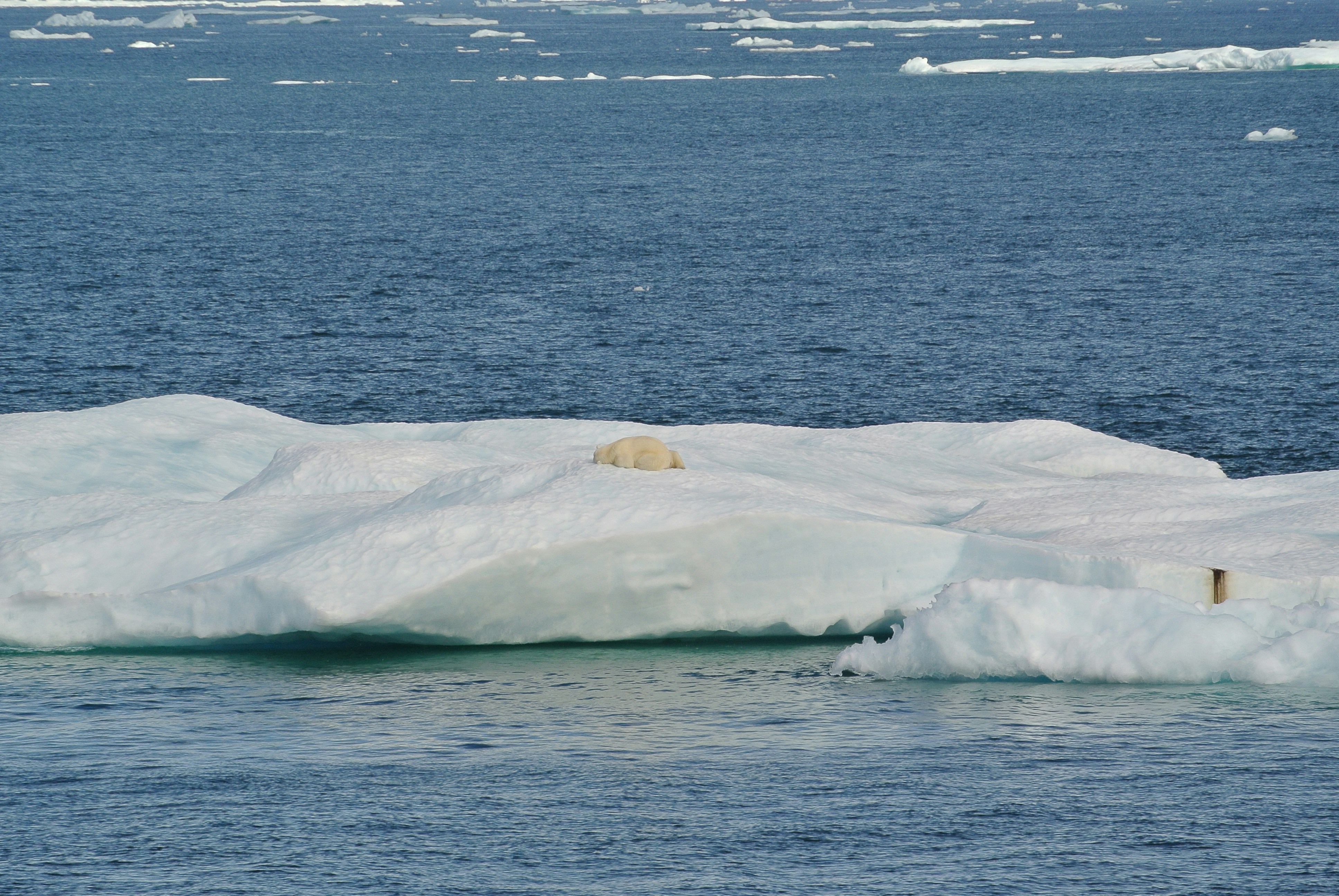
Polar bears (Ursus maritimus) are highly specialized marine mammals whose habitats are intricately linked to the presence of sea ice in the Arctic region. These icy formations serve as critical platforms for the bears, enabling them to hunt for their primary food source—seals. Sea ice not only facilitates their hunting activities but also provides essential breeding grounds during the mating season. As such, the health of polar bear populations is closely tied to the stability and extent of these icy environments.
The geographic range of polar bears encompasses vast areas, including the Arctic Ocean and surrounding coastlines, with significant populations found across regions of Alaska, Canada, Greenland, Norway, and Russia. Their habitats are characterised by the seasonal formation and melting of sea ice, which varies annually due to climatic conditions. During summer months, when the ice retreats, polar bears are often forced to travel greater distances in search of food, diminishing their energy reserves and impacting their overall health.
In addition to sea ice, polar bear habitats include land areas where they may temporarily rest, den, and raise cubs. The construction of maternity dens—often in snowdrifts along leeward slopes—offers protection during the vulnerable gestation and early nursing periods. However, as climate change accelerates the melting of Arctic ice, the availability and quality of these habitats are increasingly compromised.
The challenges of a changing climate not only threaten the immediate survival of polar bears but also have profound implications for the entire Arctic ecosystem. Understanding the intricate relationship between polar bears and their habitat is essential for developing effective conservation strategies aimed at preserving both species and their environment for future generations.
The Impact of Climate Change on Polar Bear Populations
Climate change has emerged as a significant threat to polar bear populations across the Arctic. The most pronounced effect of climate change on these majestic animals is the rapid melting of Arctic sea ice, which serves as their primary habitat. Research indicates that the Arctic is warming at a rate nearly twice as fast as the global average. This accelerated melting of ice not only reduces the habitat available for polar bears but also disrupts their hunting patterns.
With diminished sea ice, polar bears are forced to swim longer distances to hunt seals, their primary source of food. The increased distance coupled with the decline in ice thickness makes it increasingly challenging for bears to find sufficient prey. Scientists have reported instances of polar bears experiencing malnutrition and starvation due to these changes, leading to a significant decline in their overall health and reproduction rates. In particular, studies have highlighted a decrease in cub survival rates, as mothers struggle to feed their young amidst these challenging conditions.
The impact of climate change extends beyond immediate hunting difficulties. Alterations in the Arctic ecosystem may disturb other wildlife that polar bears are dependent upon, leading to broader implications for their survival. As the sea ice continues to melt, it disrupts traditional migration patterns of seals and other marine species, further complicating hunting for polar bears. These interconnected challenges illustrate how climate change poses an integrated threat that jeopardizes the stability of polar bear populations. Recent findings underscore the urgency of countering climate change to preserve not only the polar bears but also the unique Arctic ecosystem they inhabit.
Human Disturbance: An Additional Threat
As the Arctic region experiences the repercussions of climate change, the encroachment of human activities presents an additional threat to polar bears and their habitats. Oil drilling, shipping routes, and various recreational activities are increasingly disrupting the delicate ecosystems that polar bears depend on for survival. The expansion of industrial activities translates into habitat fragmentation, posing significant challenges for these magnificent animals.
Oil drilling, for instance, not only risks oil spills that can devastate the marine environment but also disrupts the natural behavior of polar bears. The presence of heavy machinery and human infrastructure can lead to increased stress and displacement, forcing polar bears to venture further from their traditional hunting grounds. The reduction in accessible food sources can have dire consequences on their health and reproductive success.
Moreover, the opening of new shipping routes due to melting sea ice increases maritime traffic in previously undisturbed areas. The noise and pollution associated with shipping have been shown to interfere with polar bear communication and hunting practices. Additionally, the presence of ships can increase the risk of ship strikes, which pose an immediate threat to bear populations. As these shipping activities intensify, the risk of human-polar bear conflicts also rises, further complicating conservation efforts.
Recreational activities, such as tourism, are another human-induced disturbance that can impact polar bear behavior. Tourists venturing into polar bear habitats can provoke stress and alter natural behaviors, which can lead to increased mortality rates among vulnerable cubs. Overall, the cumulative effects of these human disturbances—alongside climate change—exacerbate the challenges faced by polar bears, underscoring the need for comprehensive management strategies to safeguard their future.
The Unique Challenges of Alaska’s Arctic
Alaska’s Arctic region is increasingly becoming a focal point for environmental change, highlighting the unique challenges faced by its delicate ecosystems. Rapid climate change has resulted in pronounced alterations to the landscape, significantly impacting the lives of polar bears and other wildlife. The region is warming at an alarming rate—approximately twice as fast as the global average—leading to a myriad of consequences that pose a threat to the survival of species reliant on this habitat.
One of the most pressing issues is the accelerated melting of sea ice, which serves as critical hunting ground for polar bears. As the ice diminishes, these animals are forced to travel greater distances in search of food, putting immense strain on their physical condition and overall well-being. The diminishing ice not only affects their hunting patterns but also disrupts the delicate balance of the Arctic ecosystem that supports various marine species. Furthermore, the reduced sea ice coverage leads to higher encounters between polar bears and human settlements, raising safety concerns on both sides.
In addition to the loss of habitat, increased temperatures in Alaska’s Arctic have led to the thawing of permafrost, which releases greenhouse gases like methane into the atmosphere, exacerbating climate change further. Changes in vegetation patterns and migration routes of prey species such as seals also affect the polar bears’ ability to find food, leading to heightened competition and food scarcity. The challenges presented by climate change in this region exemplify the fragility of the Arctic environment and underscore the urgent need for comprehensive conservation strategies. Initiatives must focus on not only mitigating climate change but also enhancing habitat resilience to safeguard the future of polar bear populations and the ecological integrity of Alaska’s Arctic.
Starvation and Malnutrition in Polar Bears
The plight of polar bears is closely tied to the dire effects of climate change on their Arctic habitat. As global temperatures rise, ice coverage in the Arctic is diminishing, significantly impacting the availability of food resources for these apex predators. Polar bears primarily rely on sea ice as a platform for hunting seals, their main source of nutrition. Unfortunately, the loss of this vital habitat has resulted in reduced hunting opportunities, leading to severe consequences such as starvation and malnutrition.
Research has shown that polar bears are experiencing longer fasting periods as the ice melts earlier in the spring and forms later in the autumn. This extended time without access to food sources leads to significant weight loss and a weakening of their overall physical condition. Starvation not only compromises the bears’ health but also adversely affects their reproductive success. Female polar bears that experience malnutrition are less likely to produce healthy cubs, further threatening the population stability.
Behaviorally, the scarcity of food drives polar bears to travel greater distances in search of sustenance. Such increased mobility is energetically costly and further exacerbates the issues of malnutrition. As they venture farther from traditional hunting grounds, conflicts with human populations may also arise, indicating a troubling intersection between an animal’s struggle for survival and the interests of human communities.
This dramatic shift in availability of food sources has profound implications for the overall dynamics of polar bear populations. Decreased body condition can result in weakened immune systems, making them more susceptible to diseases and parasites. Furthermore, the challenges posed by starvation and malnutrition have a cascading effect, impacting not only the well-being of individual bears but also the health of the entire species. It is clear that addressing the underlying issues of climate change and habitat loss is essential to ensure the survival of polar bears in an increasingly unpredictable Arctic environment.
Conservation Efforts: What is Being Done?
Conserving polar bears has become increasingly crucial as climate change continues to impact their Arctic habitat. Various conservation strategies have been implemented to protect both the bears and their environment, emphasizing the importance of multifaceted approaches. These initiatives often involve collaboration among governmental agencies, non-profit organizations, and local communities.
One significant aspect of conservation efforts is the enactment of policies aimed at reducing greenhouse gas emissions. Global climate agreements, such as the Paris Agreement, are instrumental in setting targets for nations to limit their carbon footprints, thus indirectly benefiting the polar bear population. Protecting critical habitats through legislation is another vital component of these policies, ensuring that regions essential for the survival of polar bears are safeguarded from industrial activities and human encroachment.
In addition to policy measures, habitat restoration projects are being pursued to enhance the availability of natural resources for polar bears. These initiatives may include the protection and restoration of sea ice, which is vital for their hunting activities. Efforts to monitor and mitigate the impact of oil drilling and shipping activities in Arctic waters are also critical, as these can threaten the polar bear’s habitat and their overall wellbeing.
Community engagement initiatives play a crucial role in conservation strategies as well. By involving local populations in conservation efforts, there is a greater understanding of the challenges polar bears face. Educational programs aimed at raising awareness about the importance of this species and its ecological role foster support for conservation initiatives. Additionally, collaborations with indigenous communities can benefit conservation strategies by integrating traditional knowledge in the management of wildlife and habitats.
Together, these conservation efforts represent a comprehensive response to the challenges faced by polar bears in a rapidly changing Arctic environment, highlighting the importance of a united approach to ensure the survival of this iconic species.
The Role of Individuals in Polar Bear Conservation
The plight of polar bears can seem overwhelming, with climate change and habitat loss posing significant threats to their survival. However, individual actions play a crucial role in polar bear conservation. Every effort, no matter how small, contributes to a larger movement aimed at protecting these majestic creatures and their fragile ecosystem.
To begin, individuals can make mindful choices in their daily lives that collectively lead to reducing climate change. This includes conserving energy by utilizing energy-efficient appliances, reducing water waste, and opting for public transport or carpooling whenever possible. By lowering carbon footprints, individuals directly contribute to the global effort to mitigate climate change, which greatly benefits polar bear habitats.
Another impactful way to engage in polar bear conservation is through supporting organizations focused on wildlife preservation and climate action. Donations, volunteering, or participating in awareness campaigns can significantly amplify these organizations’ efforts. Engaging with local conservation groups or initiatives that educate the community about wildlife and climate change can help raise the overall awareness of polar bear challenges and engage a wider audience.
Moreover, social media platforms serve as effective tools for advocacy. Individuals can share informative content about polar bears, promote sustainable practices, or highlight events that tackle environmental issues. By raising awareness among peers and networks, individuals can inspire others to take constructive actions towards polar bear and climate conservation.
In essence, the fight for polar bear conservation is a shared responsibility that requires the participation of individuals worldwide. Your actions can contribute to preserving the Arctic ecosystem and ensuring a future for these incredible animals. Embracing sustainability and supporting conservation efforts are not just options; they are essential steps toward making a profound difference in protecting polar bears and their habitat.
Conclusion: The Future of Polar Bears
The future of polar bears is intricately linked to the health of their Arctic habitat, which is increasingly threatened by climate change and human activity. As the polar ice caps continue to shrink, these magnificent creatures face numerous challenges, including loss of hunting grounds, decreased food sources, and increased competition with other animals. The plight of the polar bear is not just a wildlife issue; it is a significant indicator of broader ecological changes that have consequences for the planet as a whole.
To ensure the survival of polar bears, urgent action is necessary at both local and global levels. Protection of their natural habitat through sustainable practices must be prioritized to prevent further environmental degradation. Legislative measures should be enacted to limit carbon emissions, thereby reducing the rate of climate change that is contributing to the early melting of the Arctic ice. Furthermore, raising public awareness about the vital role polar bears play in their ecosystem can foster greater support for conservation efforts.
Each individual can contribute to the conservation movement by adopting more sustainable lifestyles, supporting organizations dedicated to wildlife protection, and advocating for policies that prioritize environmental sustainability. These actions, although they may seem small on a personal level, can produce a significant collective impact. The intrinsic value of polar bears as a unique species and as a symbol of the Arctic ecosystem cannot be overstated; preserving their existence will ensure that future generations can experience the wonder of these incredible animals.
In conclusion, the fate of polar bears rests not only in the hands of conservationists but also on the commitment of individuals and communities to preserve the delicate balance of the Arctic environment. Taking decisive action today can lead to a positive outcome for these iconic creatures and the ecosystem they inhabit, highlighting the critical importance of responsible stewardship of our planet.


