




“Master your emotions before they master your decisions.”
What Are Emotional Fluctuations?
Emotional fluctuations refer to the changes in a person’s emotional state that can range from happiness to sadness, or anxiety to calmness. These shifts occur naturally and can be triggered by numerous factors, including personal experiences, environmental changes, or even biological influences. Understanding these fluctuations is crucial for maintaining emotional well-being.
Why Do Emotional Fluctuations Happen?
Various reasons contribute to why these emotional fluctuations happen. Stress at work, significant life changes, relationship dynamics, and even hormonal changes can lead to rapid emotional shifts. During such periods, a person may feel overwhelmed by their emotions. It is essential to acknowledge that experiencing varying degrees of emotions is perfectly normal and part of the human experience.
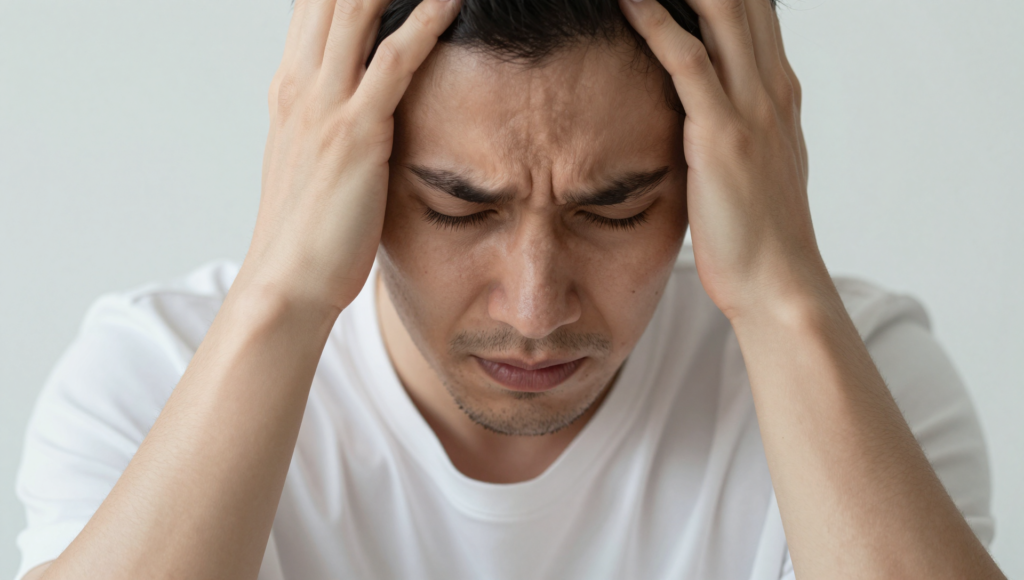
Emotional fluctuations are a natural part of human life, and they can have both positive and negative effects. On the positive side, changing emotions can help people adapt to different situations, understand themselves better, develop empathy, and respond creatively to challenges. Happiness and excitement can increase motivation and energy, while sadness or disappointment may encourage self-reflection and emotional growth. However, frequent or intense emotional changes can make it difficult to maintain concentration, stability, and healthy relationships. They may lead to stress, anxiety, irritability, or emotional exhaustion and can interfere with work, sleep, and daily responsibilities. When emotional fluctuations become severe, persistent, or disruptive, seeking support from a qualified healthcare professional may be helpful. Overall, emotional changes are a normal part of life, but learning to recognize and manage them in healthy ways is important for maintaining emotional balance and well-being.
Learning to Control Emotional Fluctuations
While emotional fluctuations are a natural part of life, it is beneficial to learn how to manage them effectively. Practicing mindfulness and stress-reduction techniques, such as meditation or yoga, can provide invaluable tools. Additionally, recognizing triggers and maintaining a healthy lifestyle through proper nutrition and regular exercise can help stabilize emotions. Seeking support from friends or mental health professionals can also be beneficial. By understanding and managing these emotional changes, individuals can enhance their emotional resilience and overall happiness.
Here are 10 practical ways to control emotional fluctuations and maintain emotional balance:
- Practice Deep Breathing
Take slow, deep breaths for 3–5 minutes whenever you feel overwhelmed. This helps calm your nervous system. - Identify Your Emotional Triggers
Keep a journal to note what situations, people, or thoughts trigger strong emotions. Awareness is the first step toward control. - Maintain a Healthy Sleep Schedule
Aim for 7–9 hours of quality sleep each night. Poor sleep often increases irritability and emotional instability. - Exercise Regularly
Engage in at least 30 minutes of physical activity most days. Exercise releases endorphins, which naturally improve mood. - Practice Mindfulness or Meditation
Spend 10–20 minutes daily focusing on the present moment. Mindfulness helps reduce anxiety and emotional reactivity. - Think Before You React
When emotions rise, pause for a few moments before speaking or making decisions. This simple habit can prevent many regrets. - Eat a Balanced Diet
Stable blood sugar supports stable emotions. Include fruits, vegetables, whole grains, lean proteins, and healthy fats while limiting excess sugar and caffeine. - Stay Connected with Supportive People
Talk with trusted friends, family members, or mentors. Sharing your feelings can reduce emotional pressure and provide new perspectives. - Focus on What You Can Control
Accept that some situations are beyond your influence. Put your energy into actions you can take rather than worrying about what you cannot change. - Seek Professional Help if Needed
If emotional ups and downs are frequent, intense, or interfere with your daily life, consider speaking with a mental health professional. Therapy can provide effective strategies for long-term emotional regulation.
Daily Reminder
“You cannot always control what happens around you, but you can train yourself to control how you respond. Emotional strength grows through practice, patience, and self-awareness.”


