




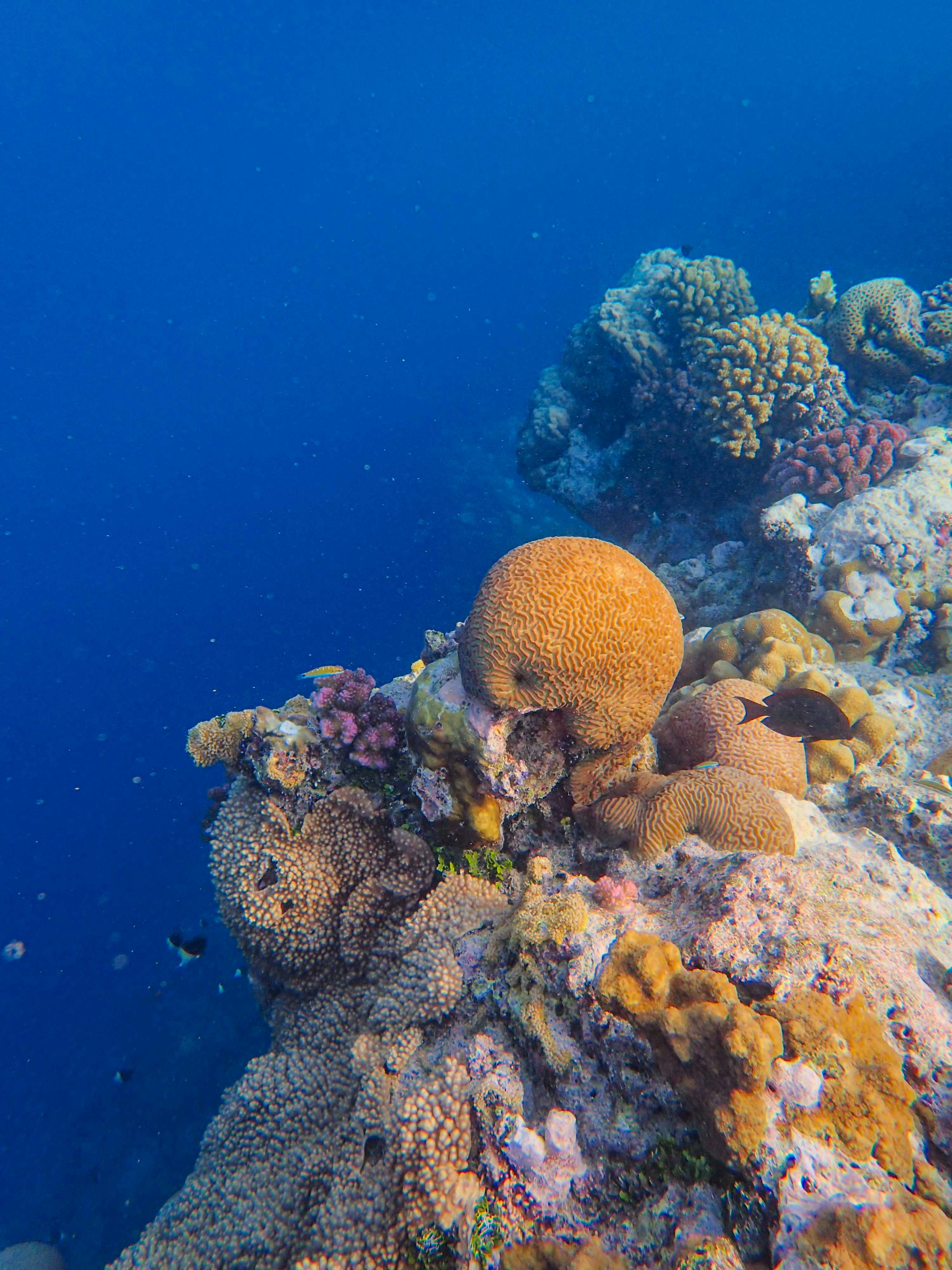
Introduction to the Great Barrier Reef
The Great Barrier Reef stands as one of the most remarkable natural wonders of the world, renowned for its extraordinary biodiversity and stunning beauty. Stretching over 2,300 kilometers along the Queensland coastline in Australia, this UNESCO World Heritage site encompasses approximately 344,400 square kilometers of marine habitat. This vast ecosystem comprises over 600 types of hard and soft corals, more than 1,500 species of fish, and numerous marine mammals, making it home to a rich tapestry of life.
Located in the Coral Sea, the Great Barrier Reef is not only a geographical marvel but also a critical biological hotspot. Its vibrant coral formations and diverse marine life attract millions of visitors each year, who come to experience activities such as snorkeling, scuba diving, and wildlife watching. The allure of the reef lies in its breathtaking visuals, with myriad colors that reflect the vibrant health of its ecosystems. The reef’s complex structure provides shelter and sustenance to countless marine species, highlighting the intricate interdependencies within this unique environment.
The significance of the Great Barrier Reef extends beyond its beauty and tourism appeal, as it also plays a vital role in marine research and conservation efforts. Scientists study this living laboratory to better understand climate change impacts, marine ecology, and coral bleaching phenomena. The ongoing conservation initiatives underscore the reef’s vulnerability and the imperative to protect it from threats such as pollution, overfishing, and climate-related changes. Therefore, visiting or studying this magnificent natural site provides opportunities not only to appreciate its splendor but also to contribute to its preservation for future generations.
The Richness of Australian Marine Life
The Great Barrier Reef, an emblem of marine biodiversity, boasts an astonishing variety of marine species that thrives within its intricate ecosystems. Spanning over 344,000 square kilometers, it represents one of the most complex environments on the planet, supporting thousands of species, many of which are endemic to this region.
Among the most notable inhabitants are the reef’s fishes, which number over 1,500 species. These range from the vibrant parrotfish, known for their beak-like teeth, to the elusive clownfish, which develops a unique symbiotic relationship with sea anemones. Such interactions are a testament to the fascinating adaptations these species possess for survival in their respective niches.
Corals play a fundamental role in the Great Barrier Reef’s biodiversity, acting not only as a habitat but also as a foundation for numerous marine ecosystems. The reef comprises around 400 species of hard corals that vary in structure, color, and resilience. Marine mollusks, another important group, include diverse species such as giant clams and intricate sea snails, which exhibit remarkable camouflage adaptations to evade predators.
Marine mammals also call the Great Barrier Reef home, including iconic species such as the dugong and several species of dolphins and whales. These animals display unique behaviors that highlight their adaptability and intelligence within the marine environment. For instance, the dugong grazes on underwater seagrass, showcasing a special relationship with its habitat and emphasizing the importance of marine vegetation for ecosystem balance.
The Great Barrier Reef stands as a testament to the delicate interdependence of marine life. Each species plays a crucial role in maintaining the ecological balance, influencing everything from nutrient cycles to habitat stability. Understanding this richness not only enhances our appreciation of marine life but also underscores the significance of conservation efforts to protect such a vital resource.
Unveiling New Species: Discoveries in the Reef
The Great Barrier Reef, renowned for its remarkable biodiversity, has recently been the focal point of numerous scientific explorations that have revealed new species, enriching our understanding of marine ecosystems. The ongoing research initiatives within this aquatic paradise have provided crucial insights into the complex web of life that thrives in its waters. Scientists have identified a multitude of previously undocumented marine organisms, including unique coral species, colorful fish, and various invertebrates, each contributing to the overall biodiversity of the reef.
Recent surveys have highlighted the significance of these discoveries not merely as a testament to nature’s creativity, but also as critical elements in conservation biology. For instance, the identification of new species often necessitates a revised understanding of ecological interactions and habitat requirements. Such findings underscore the importance of preserving these ecosystems, as even minor disruptions can have cascading effects on marine communities.
Moreover, these discoveries in the Great Barrier Reef are pivotal for advancing scientific knowledge and informing conservation strategies. Each newly recognized species may hold potential not just for ecological balance but also for scientific advancement in fields such as medicine and biotechnology. The reef serves as a natural laboratory, offering insights that can lead to innovative solutions for various global challenges, including climate change and habitat degradation.
In summary, the continuous unveiling of new species within the Great Barrier Reef is a vivid illustration of its rich biodiversity and ecological importance. This ongoing research not only enhances our scientific knowledge but also reaffirms the urgent need for robust marine conservation efforts to protect these invaluable ecosystems for future generations.
Understanding the Reef Ecosystem
The Great Barrier Reef, a UNESCO World Heritage site, is a complex and vibrant marine ecosystem encompassing an extensive range of life forms and environmental interactions. At the core of its ecological structure are the intricate relationships that define the various tiers of this underwater habitat. The reef is more than just a collection of coral, as it hosts thousands of species that play unique roles within the ecosystem.
The food web within the Great Barrier Reef is characterized by multiple trophic levels, beginning with primary producers such as phytoplankton and seagrasses. These organisms convert sunlight into energy through photosynthesis, providing the foundational energy source for the entire ecosystem. Herbivorous fish and invertebrates, such as parrotfish and sea urchins, feed on these primary producers, while they, in turn, become prey for larger predator species, including groupers and sharks. This dynamic reflects the predator-prey interactions that are crucial for maintaining the balance of the reef ecosystem.
Furthermore, each species within the reef contributes to ecological stability. For instance, corals not only serve as structural components, offering habitats for various fish and invertebrates, but also engage in symbiotic relationships with zooxanthellae, algae that live within their tissues. This partnership enhances the nutritive value of the corals and strengthens the overall health of the reef. Similarly, keystone species, like the sea otter in kelp forests, play a significant role by helping to regulate populations of other species and thus fostering biodiversity.
Overall, the interconnectedness of various species in the Great Barrier Reef underscores the delicate balance necessary for sustaining this marine biodiversity hotspot. Understanding these relationships is key not only for conservation efforts but also for promoting awareness of the challenges the reef faces in a changing climate.
The Threats Facing the Great Barrier Reef
The Great Barrier Reef, recognized as one of the planet’s most exceptional ecosystems, is currently facing a multitude of threats that jeopardize its existence and biodiversity. Among the foremost challenges is climate change, which is primarily manifested through rising ocean temperatures. According to the Australian Institute of Marine Science, the reef has experienced several mass bleaching events, with approximately 50% of coral cover lost since the 1980s due to the stress from elevated temperatures.
Pollution further exacerbates the condition of the reef. Runoff from agricultural land carries fertilizers and pesticides into the marine ecosystem, leading to nutrient loading that stimulates algal blooms. These blooms can conceal sunlight necessary for coral survival and compete for space on the reef. A 2020 study revealed that over 60% of coral reefs are affected by some degree of pollution, illustrating the need for stringent regulations to mitigate this issue.
Additionally, overfishing represents a significant threat, depleting essential fish populations and disturbing the ecological balance. Numerous species play critical roles in maintaining reef health, and their decline can have cascading effects on the entire ecosystem. The Great Barrier Reef Marine Park Authority has indicated that several key species are now at risk due to unsustainable fishing practices.
Coastal development also poses a substantial risk to the Great Barrier Reef. As urban areas expand and tourism increases, the natural habitats are being destroyed. The construction of marinas, resorts, and other infrastructures introduces further stressors such as sedimentation and habitat loss. A report from the World Wildlife Fund has shown that coastal development projects have more than doubled in recent years, which poses an increasing threat to the marine environment.
Ocean Conservation Efforts in the Great Barrier Reef
The Great Barrier Reef, renowned for its stunning biodiversity, faces numerous threats that necessitate robust conservation initiatives. Multiple stakeholders, including government entities, non-profit organizations, and local communities, collaborate to protect this unique marine ecosystem from degradation caused by factors such as climate change, pollution, and overfishing. These efforts encompass a wide range of strategies aimed at promoting sustainability and habitat restoration.
Government policies play a critical role in the conservation of the Great Barrier Reef. The Australian government has enacted several regulations designed to mitigate the impacts of human activity on the reef. Among these, the Great Barrier Reef Protection Amendment Act aims to enhance water quality management through better land use practices and reduced runoff into marine environments. Such policies are pivotal in safeguarding the delicate balance of the reef’s ecosystems.
Alongside governmental measures, non-profit organizations contribute significantly to the conservation landscape. Many of these organizations focus on raising awareness about the importance of protecting marine life and engage in direct action projects. For example, initiatives designed to monitor reef health and educate the public on sustainable practices have gained momentum. These programs often rely on volunteers, demonstrating the community’s commitment to the preservation of the reef.
Community engagement proves crucial in fostering a culture of conservation. Local residents participate in beach clean-ups, assist in coral planting efforts, and advocate for sustainable fishing practices. The integration of Indigenous knowledge further enriches these conservation programs, offering traditional insights into the stewardship of marine environments. This combined approach empowers local communities to take ownership of their natural resources, ensuring that future generations are invested in the health of the Great Barrier Reef.
The Role of the Great Barrier Reef in Global Biodiversity
The Great Barrier Reef, the largest coral reef system in the world, plays a crucial role in sustaining global biodiversity. Spanning over 344,400 square kilometers, it is home to an astonishing array of marine life, including more than 1,500 species of fish, 400 species of coral, and numerous other organisms such as mollusks, sea turtles, and marine mammals. This rich biological tapestry not only enhances the ecological balance of the region but also contributes widely to global marine biodiversity.
As a vital habitat, the reef serves as a nursery for many marine species, providing them with shelter and nutrients necessary for their early stages of life. Furthermore, it supports complex food webs and diverse ecosystems that are essential for the health of marine life that extends far beyond its borders. The Great Barrier Reef’s unique habitats, such as mangroves and seagrasses, enhance the resilience of the local ecosystem and act as critical buffers against climate change and ocean acidification.
The degradation of the Great Barrier Reef poses significant implications for global species and ecosystems. Coral bleaching, caused by rising sea temperatures and other anthropogenic factors, disrupts these essential habitats, leading to a decline in biodiversity. This reduction affects not only the organisms that reside within the reef but also the larger oceanic systems connected to it. The loss of a major biodiversity hotspot like the Great Barrier Reef can result in diminished fish stocks and weakened ecosystems, impacting food security for millions of people and threatening livelihoods dependent on marine resources.
Thus, safeguarding the Great Barrier Reef is critical, not only for the myriad of species it supports but also for the overall health of our global oceans. Conservation efforts are imperative to restore and protect this marine wonder, ensuring its role as a champion of biodiversity continues for future generations.
Engaging the Public: Awareness and Education
Public awareness and education play critical roles in marine conservation, particularly concerning the Great Barrier Reef, which is one of the most biodiverse ecosystems on the planet. Engaging local communities and global citizens fosters a sense of responsibility and stewardship towards the reef, essential for its protection and sustainability.
One effective approach to raising awareness about the reef’s ecological significance is through ecotourism. This practice not only promotes responsible tourism but also educates visitors about the remarkable biodiversity present in the reef. Tour operators often emphasize the importance of protecting marine life and habitats while providing an immersive experience. This model encourages tourists to appreciate the beauty and complexity of the reef, further motivating them to advocate for its conservation.
In addition to ecotourism, educational programs have emerged as vital tools in raising public awareness. Schools and educational institutions have developed curricula focused on marine conservation, educating students about the delicate balance within marine ecosystems. Workshops, lectures, and interactive activities aim to instill an appreciation for the reef’s biodiversity from a young age, inspiring the next generation of environmental stewards.
Community events also serve as a platform for promoting reef conservation awareness. Such initiatives often involve local citizens in hands-on conservation efforts, such as beach cleanups or coral planting projects. These activities not only improve the coastal environment but also forge connections between community members and their natural surroundings, creating a more substantial advocacy network for the reef.
Through these collective efforts in ecotourism, educational programs, and community engagement, the public can become active participants in safeguarding the Great Barrier Reef and contributing to its conservation. Increased awareness plays a pivotal role in garnering support for protective measures, ultimately safeguarding this natural wonder for future generations.
Conclusion: The Future of the Great Barrier Reef
The Great Barrier Reef, a UNESCO World Heritage Site, is not only an extraordinary natural wonder but also a critical habitat for countless marine species. However, it faces numerous challenges, including climate change, pollution, and overfishing, that threaten its biodiversity and health. Addressing these issues requires a multi-faceted approach, encompassing scientific research, committed conservation efforts, and active participation from individuals to ensure its survival.
Continued research is essential for understanding the complexities of the reef’s ecosystem. Researchers strive to monitor coral health and species interactions, targeting factors that disrupt the balance of this intricate marine environment. Implementing action plans based on the findings from these studies is crucial. This will involve adaptive management strategies that can help mitigate the impacts of environmental stressors like sea temperature rise and ocean acidification.
Equally important are the conservation efforts designed to protect the reef’s biodiversity. Local and national initiatives aimed at regulating fishing practices, controlling coastal development, and reducing pollution have shown promise. Partnerships between government, environmental organizations, and local communities play a vital role in instigating these measures. Moreover, raising community awareness about the significance of the reef can foster a collective responsibility toward preserving this irreplaceable resource.
On an individual level, actions such as minimizing plastic use, participating in reef clean-ups, and supporting eco-friendly tourism can contribute positively to the reef’s longevity. Each person can make a difference through conscious lifestyle choices that promote environmental sustainability.
In conclusion, the future of the Great Barrier Reef hinges on comprehensive strategies that blend research, conservation, and community engagement. Sustaining this remarkable marine ecosystem requires ongoing commitment, collaboration, and the realization that every effort counts in the fight for its preservation.


