




Introduction to the Oceans’ Benefits
The oceans cover approximately 71% of the Earth’s surface and serve as a fundamental component of our planet’s ecosystem. One of their most critical functions is the production of oxygen. It is estimated that the oceans contribute to around 50% to 80% of the oxygen present in the atmosphere, primarily due to the photosynthetic activity of marine phytoplankton. These microscopic organisms utilise sunlight, carbon dioxide, and nutrients to produce oxygen, making them a cornerstone of both marine and terrestrial life. Without the oceans, the oxygen levels essential for human and wildlife survival would be drastically reduced.
In addition to oxygen production, oceans play a crucial role in climate regulation. They act as a carbon sink, absorbing significant amounts of carbon dioxide from the atmosphere. This absorption process is vital in mitigating climate change, as it helps to reduce the greenhouse effect by lowering atmospheric carbon dioxide concentrations. By storing carbon, the oceans contribute to maintaining a balanced climate, which is necessary for the survival of various ecosystems, including coral reefs, mangroves, and coastal habitats.
The interconnectedness of ocean health and overall ecological balance cannot be overstated. Healthy oceans support diverse marine life, which in turn sustains human populations that rely on fishing, tourism, and recreation. Moreover, the oceans influence weather patterns and temperature regulation, affecting agriculture and natural habitats around the globe. It is, therefore, imperative to recognize the invaluable benefits offered by these vast bodies of water. Understanding the oceans’ roles is not only crucial for conservation efforts but also for fostering a sustainable relationship between humans and the marine environment.
The Diversity of Marine Life
The world’s oceans encompass a vast array of life forms, showcasing one of the most remarkable diversities on the planet. Marine life ranges from the smallest plankton to the largest animals, including the majestic blue whale, which can reach lengths of up to 100 feet. This incredible diversity is not just a testament to the richness of life itself but also highlights the interconnectedness of various species within marine ecosystems.
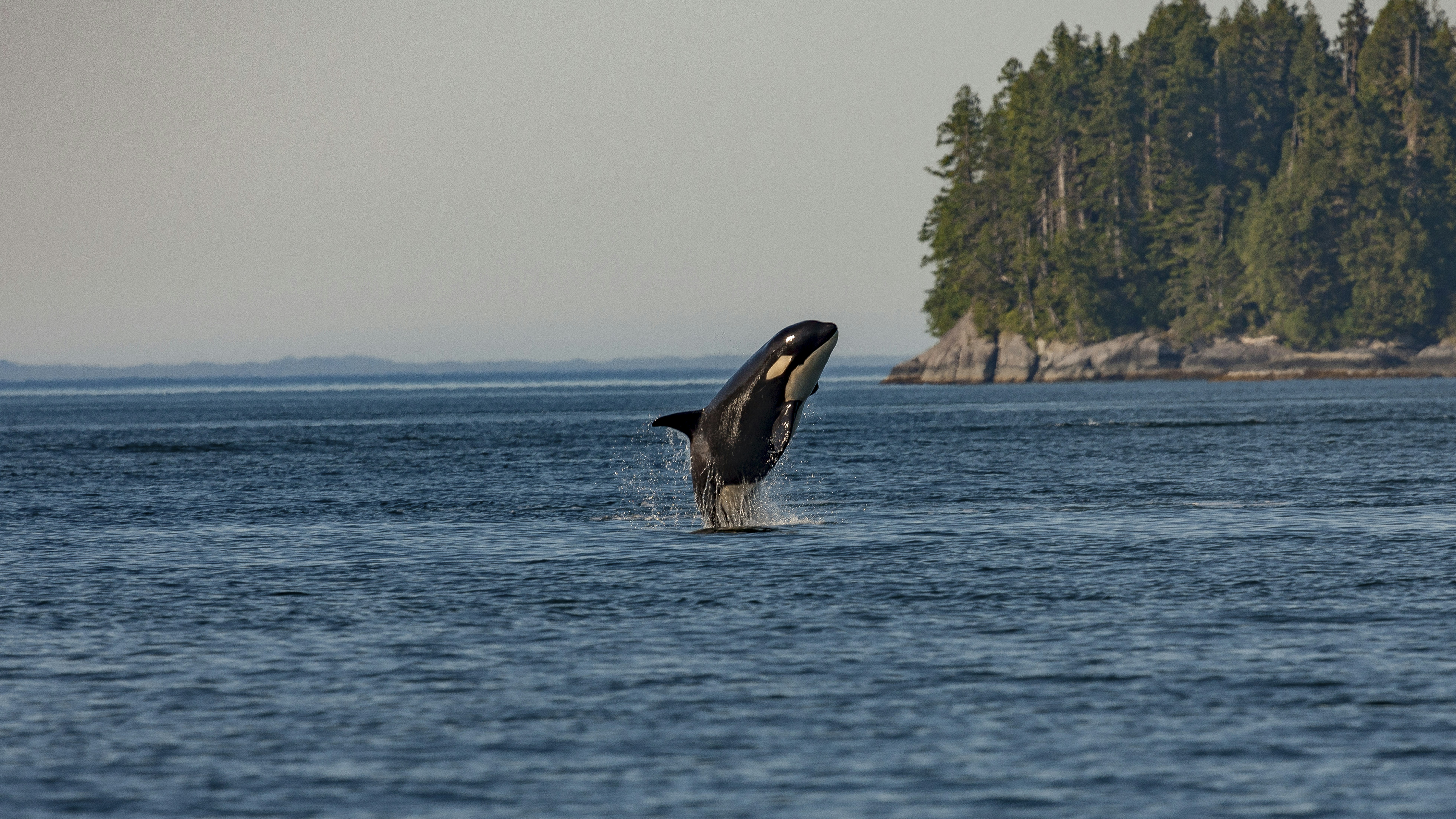
In addition to whales, the oceans are home to a variety of marine mammals such as dolphins and sea turtles. Dolphins are known for their intelligence and social behavior, often living in complex social groups called pods. Each pod exhibits unique behaviors and communication styles. Sea turtles, on the other hand, play a crucial role in maintaining the health of seagrass beds and coral reefs. By grazing on these plants, they help to promote growth and biodiversity, proving their significance within their habitats.
Coral reefs, often referred to as the “rainforests of the sea,” are another spectacular display of marine diversity. They support thousands of species, including fish, mollusks, and crustaceans. Corals themselves are living organisms that provide structure and habitat, forming complex ecosystems that serve as nurseries for many marine species. The presence of keystone species, such as the parrotfish, which help maintain the health of coral reefs through their grazing activities, demonstrates the intricate balance within these ecosystems.
Understanding the diversity of marine life is essential for the conservation of oceanic ecosystems. Each species plays a unique role, contributing to the overall health and functionality of marine environments. Threats such as pollution, overfishing, and climate change jeopardize this delicate balance, underscoring the need for immediate and effective conservation efforts. Protecting the diversity of marine life is not merely an ecological concern; it is a vital component for sustaining humanity and the planet.
The Process of Carbon Dioxide Absorption
The oceans play a pivotal role in regulating atmospheric carbon dioxide (CO2) levels through a complex process known as carbon sequestration. This natural phenomenon involves several mechanisms that allow oceans to absorb CO2 from the atmosphere, thereby mitigating the effects of greenhouse gas emissions and helping maintain global climate balance.
One of the primary processes through which oceans absorb carbon dioxide is known as the physical pump. When atmospheric CO2 dissolves in seawater, it forms carbonic acid, which subsequently dissociates into bicarbonate and hydrogen ions. This chemical transformation not only reduces the concentration of CO2 in the atmosphere but also leads to ocean acidification, a critical factor affecting marine life.
In addition to the physical pump, the biological pump plays an equally significant role in carbon absorption. Phytoplankton, microscopic marine plants, utilize sunlight through photosynthesis, converting CO2 into organic matter. When these organisms die, they sink to the ocean floor, effectively trapping carbon in deep water for centuries. This process not only facilitates the long-term storage of carbon but also supports a variety of marine ecosystems.
Furthermore, ocean currents significantly influence the distribution and movement of absorbed carbon throughout the global ocean system. Warm surface waters are often rich in dissolved CO2, while colder deep waters can hold more carbon. This interplay aids in the continual redistribution of carbon, playing an essential role in the broader carbon cycle.
As the urgency to address climate change intensifies, understanding these mechanisms is crucial. The health of oceans directly impacts their ability to regulate atmospheric CO2. Protecting ocean ecosystems is therefore vital not only for marine biodiversity but also for the overarching goal of stabilizing our climate.
The Consequences of Ocean Overwork
The world’s oceans play a crucial role in regulating the climate and supporting diverse ecosystems. However, human activities are significantly contributing to the overwhelming stress placed on these vital water bodies. The substantial influx of pollutants, coupled with rampant industrial activities, enhances the strain on oceanic systems and hampers their ability to absorb carbon dioxide effectively.
Pollution from various sources, including land runoff, plastic waste, and chemical discharges, has detrimental effects on marine life and, by extension, the ocean’s capacity to function efficiently. The introduction of heavy metals, excess nutrients, and toxic substances leads to phenomena such as algal blooms, which not only deplete oxygen levels but also disrupt the food web. Consequently, these pollutants pose a considerable threat to fish and other marine organisms, illustrating how pollution dramatically affects the health of ocean ecosystems.
Furthermore, overfishing exacerbates the situation. As human demand increases for seafood, fish populations are being depleted at an unsustainable rate. Overfishing not only reduces biodiversity but also diminishes the resilience of marine ecosystems, making it challenging for them to recover from stressors. The removal of key species disrupts trophic levels, which can result in cascading consequences for the entire marine environment.
Industrial activities, including oil drilling and shipping, further contribute to the plight of oceans. These endeavors increase the risk of oil spills and other environmental catastrophes, which can devastate marine habitats for decades. The noise pollution generated from shipping traffic also interferes with the natural behaviors of marine animals, particularly those reliant on sound for communication and navigation.
In summary, the combined impacts of pollution, overfishing, and industrial activities significantly contribute to the overwhelming workload on oceans. Such stressors hinder their ability to absorb carbon dioxide effectively, thereby diminishing their role in climate regulation and ecosystem maintenance. Addressing these challenges is essential for ensuring the future health of oceans and, by extension, the planet’s overall ecosystem.
Understanding Ocean Acidification
Ocean acidification refers to the ongoing decrease in the pH levels of the Earth’s oceans, primarily caused by the absorption of atmospheric carbon dioxide (CO2). Since the beginning of the Industrial Revolution, the ocean has absorbed approximately a quarter of the CO2 emissions produced by human activities. As CO2 dissolves in seawater, it forms carbonic acid, leading to an increase in the acidity of the ocean. This chemical reaction is detrimental to marine ecosystems, particularly affecting organisms that rely on calcium carbonate to build their shells and skeletons.
The impacts of ocean acidification are most pronounced among coral reefs, shellfish, and a wide range of marine species. Coral reefs, which are vital to marine biodiversity, are particularly vulnerable; elevated acidity levels impair the ability of corals to calcify, ultimately hindering their growth and structural integrity. As coral reefs decline, the myriad of species that depend on them for habitat and food sources are also threatened.
Shellfish, such as oysters and clams, face significant challenges due to ocean acidification as well. The increased acidity affects their ability to form shells, leading to weakened populations and, consequently, a decline in fisheries that are economically crucial for many coastal communities. Furthermore, ocean acidification can disrupt the sensory systems of fish and other marine organisms, impairing their ability to detect predators, find food, and reproduce effectively.
In summary, ocean acidification represents a critical challenge to marine ecosystems, driven primarily by human-induced carbon emissions. The consequences extend beyond individual marine species to entire ecosystems, raising concerns about biodiversity loss and the sustainability of fisheries. Addressing ocean acidification necessitates comprehensive climate action to reduce carbon emissions and safeguard the future of our oceans.
The Effects on Marine Ecosystems
The ongoing challenges posed by ocean acidification and climate change have far-reaching implications for marine ecosystems. One of the most significant impacts is the occurrence of trophic cascades, which arise when changes at one trophic level significantly affect the entire food web. For example, the decline in foundational species such as corals and shellfish, which are sensitive to acidic waters, can ripple throughout the ecosystem, leading to a depletion of species that depend on them for food and habitat.
Moreover, climate change contributes to alterations in water temperature and salinity, which can shift species distributions, disrupt migratory patterns, and lead to mismatches in predator-prey relationships. As certain species migrate to cooler waters in search of ideal conditions, traditional fishing grounds may become less productive, affecting both marine biodiversity and the livelihoods of communities that rely on these resources.
Another stark consequence of these environmental changes is the loss of biodiversity. Healthy marine ecosystems are characterized by a rich diversity of species, each playing a crucial role in maintaining ecological balance. However, as habitat degradation occurs—exacerbated by ocean acidification and climate change—threatened species become more vulnerable to extinction. The loss of even a single species can have dramatic effects on community structure and ecosystem functionality.
Additionally, the degradation of habitats such as coral reefs, mangroves, and salt marshes presents a significant challenge. These crucial environments provide shelter and nursery grounds for a myriad of marine organisms. Their destruction not only leads to the loss of species but also diminishes the ocean’s ability to support complex ecosystems. The impacts of these threats highlight the interconnectedness of marine life and the critical need for integrated conservation efforts that address the changing conditions of our oceans.
Impacts on Human Communities
The health of our oceans is intrinsically linked to the well-being of human communities, particularly those that rely on marine resources for their livelihoods. Fishing industries, which provide food and employment for millions globally, are severely impacted by declining ocean health. Overfishing, habitat destruction, and pollution have led to diminished fish stocks, threatening the sustainability of these vital industries. Fishermen often face reduced catches and increased operational costs, forcing them to seek alternative livelihoods while potentially disrupting local economies that depend on a steady supply of seafood.
Tourism is another sector that relies heavily on healthy oceans. Coastal areas are a significant draw for tourists seeking activities such as snorkeling, diving, and beach recreation. However, the degradation of marine ecosystems can lead to the loss of biodiversity, coral bleaching, and even beach erosion. As a result, destinations may experience a downturn in tourist numbers, which in turn affects local businesses, from hotels to restaurants. The financial repercussions extend beyond just the immediate economic impacts; they can lead to broader social challenges, including unemployment and decreased quality of life for communities dependent on tourism.
Coastal economies are intricately woven into the fabric of ocean health, as many rely on both fishing and tourism. As ocean environments continue to suffer due to climate change, such as rising sea levels and increased ocean acidity, these human communities face an uncertain future. To ensure resilience, it is crucial for stakeholders, including governments and local entities, to foster sustainable practices and environmental stewardship. The interconnected nature of human and marine health emphasizes the need for collective action in our approach to ocean conservation.
Solutions and Actions for Ocean Protection
To address the critical threats facing our oceans, it is imperative to implement a variety of solutions and actions aimed at ocean protection. One essential approach is the establishment of marine protected areas (MPAs), which are designated regions of the ocean where human activity is regulated to prevent damage to marine ecosystems. MPAs have been shown to facilitate the recovery of marine biodiversity, thereby enhancing the health and resilience of ocean habitats.
In addition to identifying protected areas, sustainable fishing practices must be employed to prevent overfishing and to maintain fish populations within their ecological limits. Implementing quotas, promoting selective fishing gear, and ensuring proper management of fishing resources can contribute significantly to the sustainable use of oceanic resources. Community-based fishery management systems can also empower local communities to take charge of their marine environments, which can lead to more effective conservation outcomes.
Moreover, international cooperation on issues affecting the oceans is crucial. Agreements like the United Nations Convention on the Law of the Sea (UNCLOS) lay the legal framework for the conservation and sustainable use of the oceans. Collaborative initiatives involving governments, non-governmental organizations, and the private sector can help incentivize environmentally friendly practices and encourage participation in ocean preservation efforts.
Public awareness and education about marine issues also play a pivotal role in ocean protection. By informing individuals about marine ecosystems and the challenges they face, we can foster a culture of conservation that promotes responsible behavior towards the oceans. Programs that connect communities with their local marine environments can generate support for conservation initiatives, stimulating grassroots movements devoted to safeguarding our oceans.
Conclusion and Call to Action
The oceans, covering more than 70% of our planet’s surface, are essential to sustaining life on Earth. They play a vital role in regulating our climate, providing food, and supporting biodiversity. The health of our oceans directly influences atmospheric conditions and, consequently, human survival. Throughout this blog post, we have explored the myriad benefits that oceans provide, touching upon their significance in carbon dioxide absorption, oxygen production, and as a habitat for diverse marine species.
However, it is imperative to recognize that the oceans are facing unprecedented threats. Pollution, overfishing, and climate change jeopardize not only marine life but also the livelihoods of millions who depend on these resources. The stark reality is that without immediate and concerted efforts, we risk irreversible damage to these critical ecosystems. Ocean degradation leads to significant impacts, including loss of biodiversity, habitat destruction, and reduced resilience to climate impacts.
The dire state of ocean health calls for urgent action from individuals, communities, and governments alike. Each stakeholder can contribute to conservation efforts by making informed choices—such as minimizing plastic usage, participating in beach clean-ups, supporting sustainable seafood practices, and advocating for policies aimed at protecting marine environments. Educating ourselves and others about the importance of oceanic ecosystems is a fundamental step in rallying collective action. Our voice can influence policymakers, ensuring that ocean health becomes a priority on political agendas.
In conclusion, safeguarding our oceans is essential for maintaining the delicate balance of our planet’s ecosystem. By fostering awareness and taking proactive measures, we can protect these invaluable resources for future generations. It is now, more than ever, that we need to unite in our efforts to restore and sustain the health of our oceans, ensuring they continue to thrive and support life across the globe.


