


Module 3: Understanding the Breath
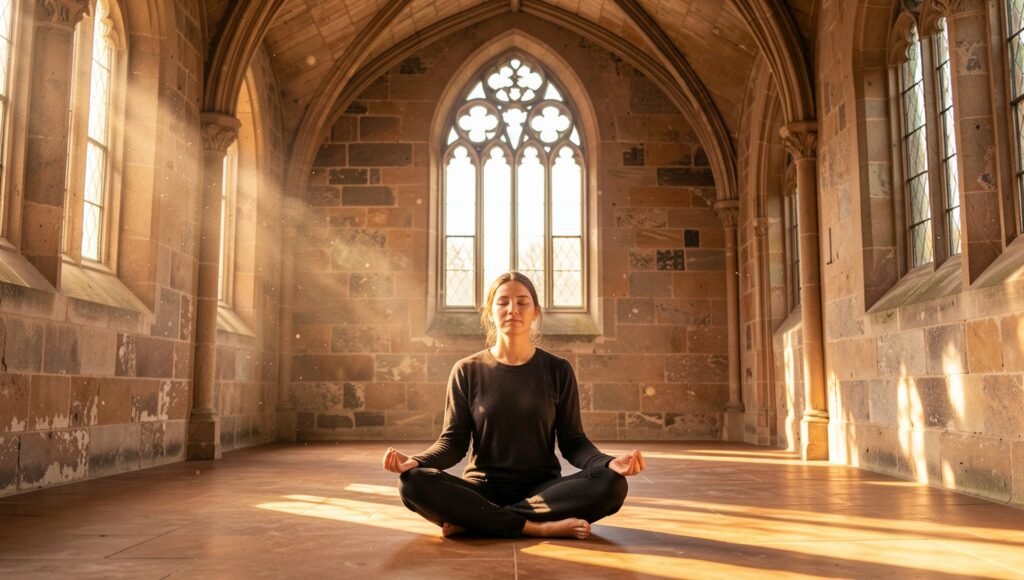
The Importance of Breathing
Discover how gentle, conscious breathing can help prepare the body and mind for a calm and focused meditation practice.
Why Breathing Matters in Meditation
Breathing is one of the most natural activities of the human body, yet paying attention to it can become a powerful part of meditation. The breath provides a simple point of focus that can help bring attention away from distractions and back to the present moment.
During meditation, you do not need to force your breathing or make every breath perfect. Instead, allow the breath to remain natural while gently noticing its rhythm, movement, and sensation.
Read the Complete Meditation EbookBreathing as an Anchor for Attention
The mind can easily wander during meditation. Thoughts about work, family, plans, memories, or everyday activities may appear. The breath can serve as an anchor that gives the mind something simple to notice.
When you notice that your attention has wandered, gently return your awareness to the sensation of breathing. There is no need to become frustrated with yourself. Returning to the breath is itself an important part of meditation practice.
Benefits of Mindful Breathing
Improves Focus
Paying attention to the breath gives the mind a simple object of concentration and can support a more focused practice.
Encourages Relaxation
Slow, comfortable breathing can accompany a relaxed meditation state and help you settle into your practice.
Supports Awareness
Observing each inhale and exhale encourages awareness of what is happening in the present moment.
Reduces Distraction
Returning attention to breathing can provide a practical way to redirect attention when the mind becomes distracted.
A Simple Breathing Practice
Try this gentle exercise before or during meditation. The goal is not to control the breath forcefully, but to observe it comfortably.
Step 1: Get Comfortable
Sit in a comfortable position with your spine naturally upright. Relax your shoulders, jaw, hands, and facial muscles.
Step 2: Notice the Breath
Close your eyes if comfortable and notice where you feel the breath most clearly, such as around the nose, chest, or abdomen.
Step 3: Follow the Inhale
Gently notice the beginning, middle, and end of each inhalation without trying to make it deeper than it naturally is.
Step 4: Follow the Exhale
Notice the sensation of the breath leaving the body. Allow the shoulders and body to remain relaxed.
Step 5: Return When the Mind Wanders
If thoughts arise, acknowledge them without judgment and gently bring your attention back to the next breath.
Helpful Breathing Tips
- Keep your breathing comfortable and natural.
- Do not force very deep or rapid breaths.
- Relax your shoulders and facial muscles.
- Use the breath as a gentle focus point.
- If your mind wanders, calmly return to your breathing.
- Practice regularly rather than trying to achieve perfection.
For more guidance on meditation preparation and practice, explore the complete ebook:
Explore How to Meditate

