




Selecting a Comfortable Posture for Meditation
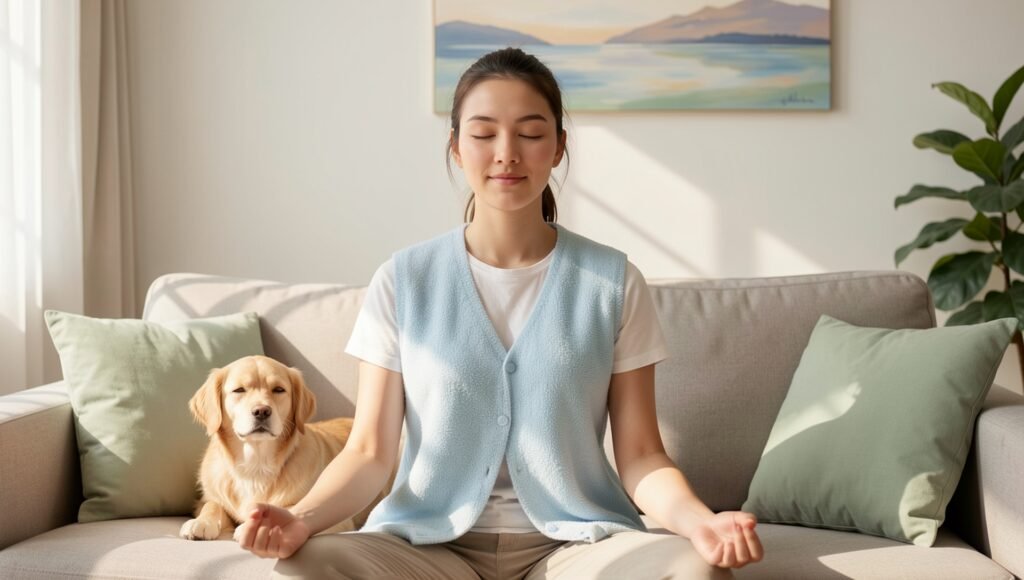
A comfortable and stable posture can make meditation easier by helping you remain relaxed, alert, and focused throughout your practice.
Why Posture Matters
Choosing a suitable meditation posture is an important part of establishing a regular practice. The ideal position should allow the body to remain comfortable while keeping the mind awake and attentive. You do not need to force yourself into a traditional cross-legged position. A good posture is one that you can maintain without unnecessary pain, tension, or distraction.
When selecting your posture, consider your flexibility, physical comfort, surroundings, and the length of your meditation session. Beginners should prioritize stability and relaxation rather than trying to achieve a particular pose.
Common Meditation Postures
1. Seated on a Chair
Sitting on a sturdy chair is an excellent option for beginners. Keep both feet comfortably on the floor and allow your hands to rest naturally on your thighs or in your lap.
2. Cross-Legged Sitting
You can sit on the floor with your legs comfortably crossed. A meditation cushion can raise the hips and reduce pressure on the knees and ankles.
3. Kneeling Posture
Some people find kneeling comfortable when using a meditation bench or cushion. Adjust your support so that your knees and ankles remain comfortable.
4. Supported Sitting
A cushion, folded blanket, or back support can make sitting more comfortable. Use support when it helps you maintain a relaxed and stable position.
5. Lying Down
Lying down may be useful when sitting is uncomfortable. However, because relaxation can lead to sleepiness, this position may be less suitable when your goal is to remain highly alert.
How to Adjust Your Sitting Posture
Keep Your Spine Naturally Upright
Allow your spine to be upright without making it rigid. Avoid deliberately pushing your chest forward or pulling your shoulders backward. Think of the head, neck, and spine as comfortably aligned.
Relax Your Shoulders
Let your shoulders drop naturally. Check for unnecessary tension in the neck, upper back, and arms before beginning your meditation.
Position Your Head Comfortably
Keep your head balanced rather than allowing it to fall forward or tilt excessively backward. Your chin can remain slightly lowered in a natural position.
Rest Your Hands
Place your hands wherever they feel comfortable, such as on your thighs or in your lap. There is no need to hold a complicated hand position unless it is part of the meditation method you are practicing.
Allow Your Legs and Feet to Relax
Choose a leg position that does not create unnecessary pressure. If your knees, hips, ankles, or feet become uncomfortable, change your position rather than forcing yourself to remain still.
Comfort Does Not Mean Falling Asleep
Your meditation posture should be comfortable but also sufficiently alert. If you repeatedly become sleepy while meditating, try sitting upright rather than lying down. You can also open your eyes slightly, improve ventilation, or practice at a time of day when you naturally feel more alert.
Signs of a Good Meditation Posture
- Your body feels stable and reasonably relaxed.
- Your breathing is not restricted by the posture.
- Your spine is naturally upright without excessive effort.
- Your shoulders, jaw, and facial muscles can relax.
- You can remain in the position without significant discomfort.
- Your posture allows you to remain awake and attentive.
The best meditation posture is not necessarily the most traditional one—it is the position that allows you to practice comfortably and consistently.
Making Small Adjustments
It is normal to make small adjustments during meditation. If you notice discomfort, gently reposition yourself and return your attention to the meditation. Over time, you may discover the posture that works best for your body.
Avoid treating physical discomfort as a test of endurance. Meditation should not require you to ignore significant pain. If a particular posture causes persistent pain or physical problems, consider another position and seek appropriate professional advice when necessary.
Learn More About Meditation
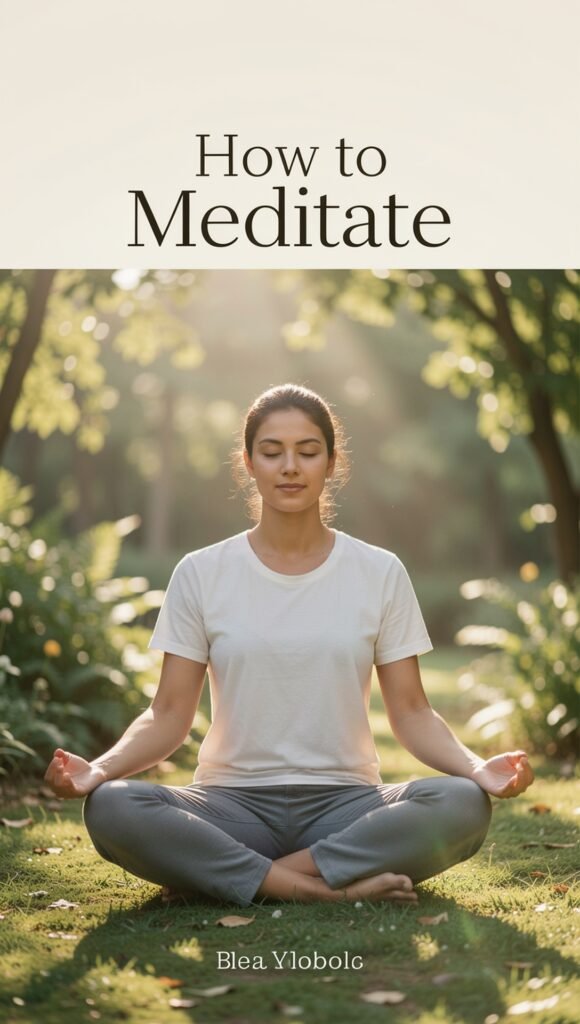
For a broader introduction to meditation techniques, preparation, practice, and helpful guidance, explore the complete ebook resource:
Read: How to Meditate

