




Module 2: Preparing for Meditation
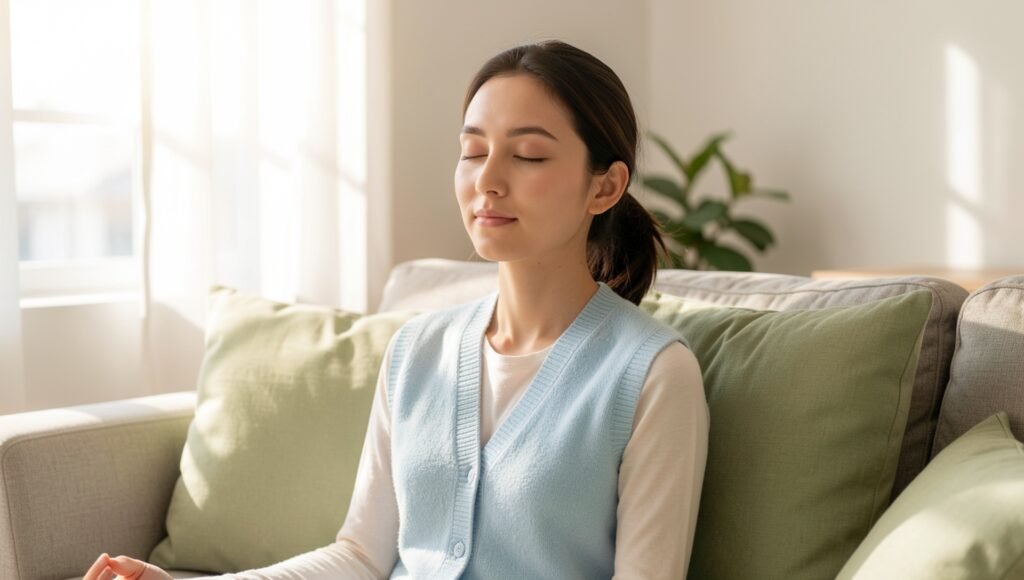
Choosing a Suitable Place for Meditation
Creating a comfortable and peaceful meditation environment can make it easier to relax, focus your attention, and develop a consistent practice.
Why Your Meditation Space Matters
Meditation does not require a special room or expensive equipment. However, choosing a suitable place can reduce distractions and help your mind associate that location with calmness and focused attention. The best space is one where you can sit comfortably and practice regularly without unnecessary interruptions.
What to Look for in a Meditation Space
1. Quiet Environment
Choose a location away from loud conversations, television, traffic, or other sources of constant noise. Complete silence is not essential, but fewer distractions can make meditation easier.
2. Comfortable Seating
Select a chair, cushion, bench, or other safe seating arrangement that allows you to maintain a comfortable and stable posture.
3. Good Ventilation
A space with fresh air and a comfortable temperature can help you remain relaxed. Avoid locations that are excessively hot, cold, humid, or stuffy.
4. Minimal Distractions
Keep phones, computers, televisions, and unnecessary objects away from your immediate meditation area when possible.
5. Pleasant Atmosphere
A clean and uncluttered space may feel more inviting. Natural light, plants, or a simple decoration can be used if they help create a peaceful atmosphere.
6. Easy to Access
Choose a place that is convenient enough for daily practice. A simple corner of your bedroom, living room, office, or garden may work well.
Possible Places for Meditation
You do not need a dedicated meditation studio. Consider using any suitable location that provides reasonable comfort and privacy.
- A quiet corner of your bedroom.
- A clean and comfortable area in the living room.
- A private home office when it is not being used.
- A peaceful garden or shaded outdoor area.
- A quiet balcony where conditions are safe and comfortable.
- A dedicated meditation room if you have enough space.
Keep the Space Simple
Avoid feeling that you must create a perfect meditation room. A comfortable cushion and a quiet corner can be enough. The purpose of the space is to support your practice, not to become another source of pressure or distraction.
Make Your Meditation Space Consistent
If possible, meditate in the same place each day. Returning to a familiar location can make it easier to establish a routine. Keep the area reasonably clean and ready for use so that beginning a meditation session requires little preparation.
If your home is busy, communicate with family members about your meditation time. Even a short period without interruptions can provide a useful opportunity to practice.
Outdoor Meditation
Outdoor spaces can provide natural surroundings, fresh air, and relaxing sounds. If you meditate outdoors, choose a safe location where you are unlikely to be disturbed. Avoid unsafe edges, extreme weather, excessive heat, insects, or areas with heavy traffic.
Quick Checklist
- Is the space reasonably quiet?
- Can you sit comfortably?
- Is the temperature comfortable?
- Can you reduce interruptions?
- Is the location safe?
- Can you use the space regularly?
Learn More About Meditation
Explore the complete guide for additional information about meditation, preparation, techniques, and developing a regular practice.
Read the How to Meditate Ebook

