




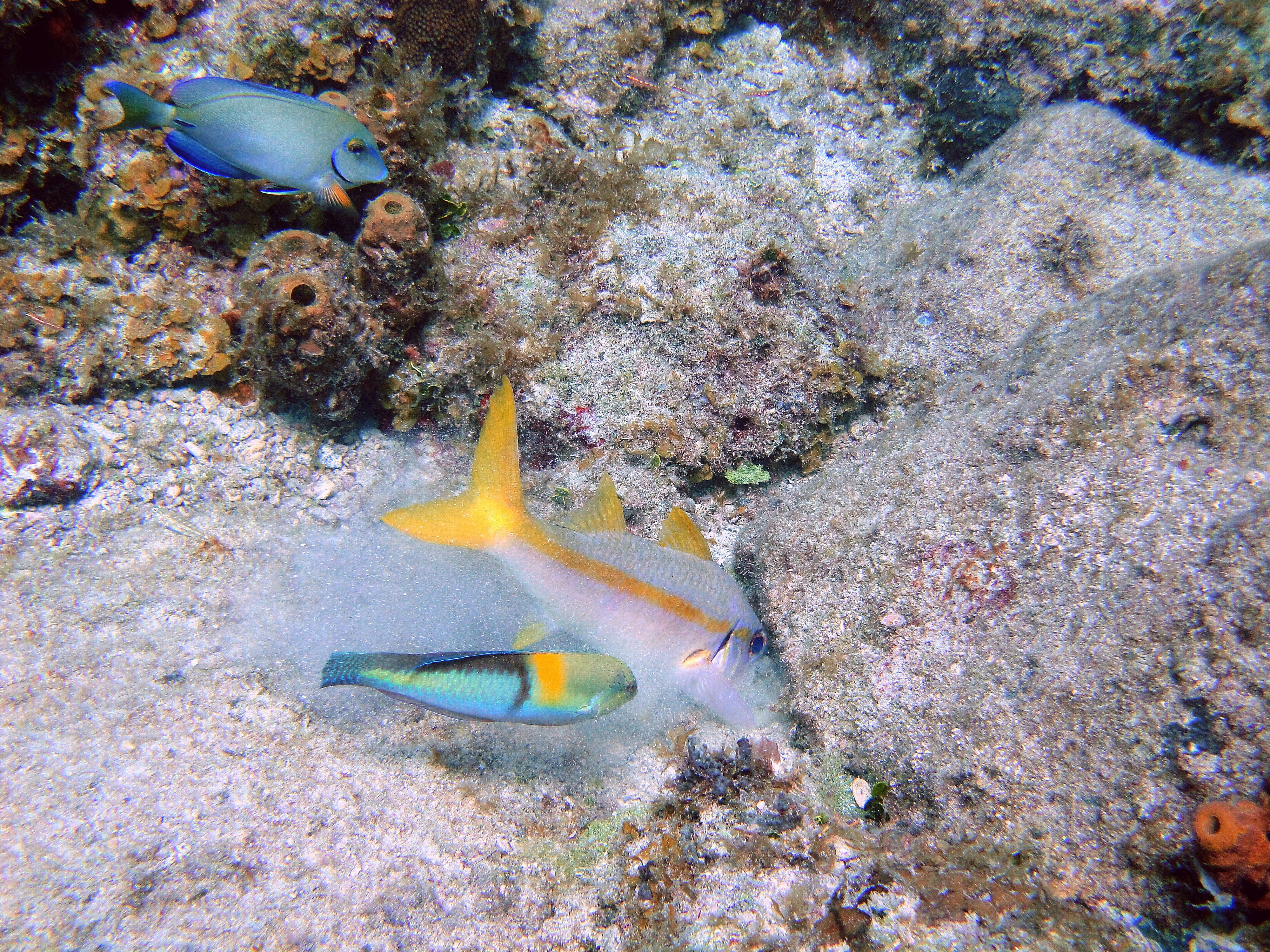
Introduction to Marine Biodiversity
Marine biodiversity refers to the variety of life forms found in oceanic environments, encompassing a vast range of aquatic organisms including fish, invertebrates, mammals, and plant species. This remarkable diversity plays a critical role in maintaining ecological balance, providing vital ecosystem services such as nutrient cycling, habitat provision, and climate regulation. Healthy marine ecosystems are indispensable for sustaining not only ocean life but also human economies and cultures that depend heavily on these resources.
The significance of marine biodiversity cannot be overstated; it serves not only as a cornerstone for food security and economic stability but also contributes to medicine, recreation, and cultural identity. Diverse marine ecosystems, such as coral reefs, seagrass beds, and mangroves, function as crucial habitats that support numerous species, many of which remain undiscovered. These ecosystems also represent some of the most productive and vital components of the Earth’s biosphere, highlighting the need for their protection.
In recent years, marine biodiversity has faced increasing threats from human activities, including overfishing, pollution, and climate change. These stressors lead to habitat degradation and loss of species, which can have cascading effects on the overall health of marine environments. Therefore, understanding and preserving the rich marine biodiversity in places like Papua New Guinea is of paramount importance. Known for its exceptional marine environments, Papua New Guinea boasts some of the highest levels of marine biodiversity globally, making it a focal point for conservation efforts and scientific research. By exploring its unique marine ecosystems, we can gain pivotal insights into both the resilience of life and the impacts of environmental changes on biodiversity.
The Unique Marine Ecosystems of Papua New Guinea
Papua New Guinea (PNG) boasts a remarkable diversity of marine ecosystems that play a significant role in supporting global marine biodiversity. The prominent features of these ecosystems include vibrant coral reefs, deep-sea environments, and diverse coastal habitats, each harboring unique species and intricate ecological interactions.
Coral reefs in Papua New Guinea are considered among the most biologically diverse on the planet. They serve as crucial habitats for countless marine organisms, including fish, invertebrates, and various plant species. The reefs are characterized by complex structures formed from coral polyps, which provide shelter and breeding grounds for numerous aquatic species. The health of these reefs directly correlates with the overall condition of marine ecosystems; thus, they are vital for sustaining fish populations and supporting local fisheries.
In deeper waters, Papua New Guinea’s deep-sea environments present an entirely different set of conditions, contributing to marine biodiversity in unique ways. The abyssal zones, characterized by high pressure, low temperatures, and darkness, are inhabited by organisms adapted to these extreme circumstances. Among these are numerous species of bioluminescent creatures and rare deep-sea fish, showcasing the remarkable adaptability of life in harsh conditions. The exploration of these depths has led to the discovery of many previously unknown species, underscoring the region’s ecological importance.
Coastal habitats, such as mangroves and seagrass beds, are equally critical as they act as nurseries for juvenile fish and protect shorelines from erosion. These habitats not only support marine life but also contribute to carbon sequestration, making them essential in the fight against climate change. The delicate balance within these ecosystems emphasizes the interconnectedness of terrestrial and marine environments, highlighting the need for sustainable management practices to protect Papua New Guinea’s unique marine biodiversity.
The Importance of Scientific Research in Ocean Exploration
Scientific research plays a pivotal role in the exploration and understanding of oceanic environments. As one of the least explored frontiers on the planet, the oceans harbor a plethora of species and ecological processes that remain largely unknown. Researchers employ diverse methodologies, ranging from advanced underwater robotics to traditional scuba diving, to gather valuable data on marine ecosystems. The integration of these technologies not only enhances the efficiency of data collection but also mitigates risks associated with deep-sea exploration.
Field studies in oceanic research typically involve long-term monitoring and experimentation to assess marine biodiversity and the health of ecosystems. Techniques such as underwater surveys, remote sensing, and genetic sampling are essential in documenting species diversity and understanding interspecies relationships. Additionally, researchers utilize acoustic technologies to map ocean floor topography and discover previously uncharted habitats, which are crucial for biological study and conservation efforts.
The implications of scientific findings extend beyond academic knowledge; they significantly influence conservation strategies and policies aimed at protecting marine environments. Research findings can inform decision-makers about the impacts of human activities, such as pollution and overfishing, on marine biodiversity. By identifying critical habitats and endangered species, scientists underscore the urgency for protective measures to ensure sustainable ocean management.
Moreover, the discoveries made through scientific research foster greater public awareness and appreciation of marine resources. Collaborative efforts among researchers, conservation organizations, and local communities enhance efforts in educating the public about the importance of preserving the delicate balance of marine ecosystems. As global challenges such as climate change threaten oceans, the role of scientific research becomes increasingly crucial for future explorations and the sustainable use of marine resources.
Marine Expedition Techniques and Technologies
Marine expeditions in Papua New Guinea utilize a diverse array of cutting-edge techniques and technologies to facilitate the discovery of new species and better understand marine ecosystems. One fundamental method employed is underwater mapping, which involves the use of advanced sonar systems. These sonar technologies, such as side-scan sonar and multibeam sonar, create detailed topographic maps of the ocean floor. Through such techniques, researchers can identify unique habitats that may harbor undiscovered marine life. Underwater mapping is vital for pinpointing areas that require further exploration.
Sampling methods also play an essential role in species discovery during marine expeditions. Researchers often employ a combination of surface and subsurface sampling techniques, including plankton nets, baited traps, and ROVs (Remotely Operated Vehicles). These techniques allow scientists to collect biological specimens from varying depths and habitats, capturing a wide range of marine organisms. Each sampling process is designed to specifically target different ecological zones, thus increasing the likelihood of encountering novel species.
In addition to mapping and sampling, remote sensing technologies have revolutionized marine expeditions. Satellite imagery and aerial drones are now commonly used to monitor larger areas, enabling the assessment of environmental conditions such as water temperature, salinity, and chlorophyll levels. These data are crucial for understanding species distribution and habitat preferences. The incorporation of these technologies allows scientists to survey vast ocean expanses while minimizing the need for extensive physical presence, which can be disruptive to delicate marine ecosystems.
Overall, the combination of these advanced techniques enhances the efficiency and efficacy of marine expeditions. By integrating underwater mapping, sampling methods, and remote sensing technologies, researchers in Papua New Guinea can uncover the rich biodiversity that awaits beneath the waves, paving the way for significant scientific discoveries.
Recent Discoveries: New Species of Fish and Invertebrates
Papua New Guinea has become a focal point for marine exploration, particularly with regard to the discovery of new species of fish and invertebrates. Recent expeditions conducted in its rich coral reefs have unveiled a plethora of hitherto unknown marine organisms. Notably, researchers have identified several new species belonging to various families, each displaying unique morphological traits.
One of the notable discoveries is a new species of angelfish, characterized by its vibrant coloration and distinctive patterning. This species not only contributes to the biodiversity of the region but also possesses ecological significance, acting as an important herbivore that helps maintain coral health. The intricate relationship between such species, their habitats, and other marine life underscores the complexity of marine ecosystems in Papua New Guinea.
Additionally, new invertebrate species have been documented, including several types of nudibranchs and crabs. These species exhibit remarkable adaptations that allow them to thrive in the varying conditions of their environment. For instance, some nudibranchs have developed striking coloration, which can serve as a warning to predators about their toxicity. Invertebrates play a crucial role in the marine food web, serving as both prey and predators, thereby contributing to the overall health of marine ecosystems.
These recent discoveries are vital not only for understanding the biodiversity in Papua New Guinea but also for broader implications regarding marine conservation. As scientists continue to explore these waters, the identification of new species reinforces the importance of protecting these fragile ecosystems from threats such as climate change and overfishing. Continuing research into these marine habitats promises to yield further insights into the functionalities and interactions of these newfound species.
Understanding Fish Biology: Life Cycles and Adaptations
Fish biology encompasses a vast array of species, each with unique life cycles and adaptations that enable them to thrive within their ecological niches. In Papua New Guinea, diverse aquatic environments, from coral reefs to freshwater rivers, support a rich variety of fish species. Understanding these life cycles is crucial not only for their conservation but also for the overall health of marine ecosystems.
Typically, fish undergo several distinct stages throughout their life cycles, which may include egg, larva, juvenile, and adult phases. Many fish species exhibit external fertilization, wherein eggs are laid and fertilized in the water. This reproductive strategy allows for the production of a high number of offspring, increasing the chances of survival against predation during early stages of life. For example, the clownfish, common in Papua New Guinean reefs, lays its eggs in protected anemone beds, offering extra safety for the developing larvae.
Adaptations are also pivotal to the survival of fish species in varied environments. For instance, the vibrant colors of reef-dwelling fish often serve as a means of camouflage, helping them to blend into their surroundings and evade predators. Additionally, some species have developed specialized body shapes or fins that allow for manipulative movements in tight spaces, essential in coral habitats. The adaptability of fish can also be observed in their feeding strategies; while some fish are predators with sharp teeth for capturing prey, others are herbivores with specialized mouths for grazing on algae.
Furthermore, environmental factors such as temperature, salinity, and depth significantly influence fish behavior and distribution. For example, certain species are strictly marine, while others can tolerate brackish waters, showcasing their physiological adaptations to changing habitats. Understanding these intricate life cycles and adaptations aids researchers and conservationists in protecting fish species and their ecosystems effectively.
The Role of Local Communities in Marine Conservation
Local communities play a crucial role in marine conservation efforts in Papua New Guinea, where rich biodiversity is intricately linked to cultural traditions and livelihoods. These communities, with their extensive knowledge of the marine environment, are essential partners in safeguarding marine ecosystems. For centuries, indigenous practices have contributed to the sustainable management of local fish stocks and habitats. Traditional fishing techniques, such as fish traps and seasonal restrictions, have enabled communities to harvest marine resources without depleting them, ensuring that both the environment and community members thrive.
Furthermore, successful marine conservation relies on the exchange of knowledge between scientists and local communities. Scientists often seek out the insights of locals, who have an intimate understanding of their marine environment, to inform research and conservation strategies. This collaboration enables the integration of modern scientific approaches with traditional ecological knowledge, resulting in more effective management practices. It is not uncommon for community members to identify critical habitats, such as spawning grounds and migration routes, that may not have been recognized through scientific methods alone.
Community-led initiatives are also vital in developing and implementing marine conservation strategies. When locals are actively engaged in the decision-making processes regarding marine use, there tends to be a greater commitment to conservation efforts. Programs that empower communities through education and the establishment of marine protected areas demonstrate that when communities take ownership of natural resources, they can significantly enhance marine biodiversity protection. Consequently, these initiatives not only benefit the environment but also support local economies, reinforcing the idea that conservation and community welfare can go hand in hand.
Challenges in Marine Conservation and Biodiversity
Marine conservation is an urgent global concern, particularly in biodiverse regions like Papua New Guinea, where a plethora of marine species and ecosystems are threatened. The challenges faced in preserving marine biodiversity stem largely from human activities and environmental changes, which can drastically impact both the health of the ocean and the myriad of species that depend on these habitats.
One of the most significant external threats to marine ecosystems is climate change. Rising sea temperatures contribute to coral bleaching, a phenomenon that jeopardizes the very foundation of the marine ecosystem. Coral reefs serve as crucial habitats for numerous marine species, and their degradation can lead to a cascade of detrimental effects, including loss of species diversity and disruption of fish populations. Furthermore, climate change may alter ocean currents, affecting nutrient distribution and spawning grounds, which are vital for sustaining marine flora and fauna.
Pollution is another critical challenge, where plastic waste, chemical runoff, and excessive nutrients from agricultural practices degrade marine environments. For instance, the introduction of plastics into ocean waters not only threatens marine wildlife through ingestion and entanglement but also disrupts the entire food chain. Aquatic organisms at the base of the food web, such as plankton, are particularly vulnerable to pollutants, which can bioaccumulate through the food chain.
Overfishing exacerbates the situation, leading to depleted fish stocks and imbalances in ecosystem dynamics. Unsustainable fishing practices threaten not just target species but also non-target species, further contributing to biodiversity loss. Moreover, habitat destruction due to coastal development, mining, and destructive fishing techniques directly reduces the available areas for marine species to thrive.
These external threats pose significant challenges to marine conservation efforts in Papua New Guinea. Addressing these issues requires collaborative initiatives aimed at sustainable resource management, habitat protection, and increased awareness of the importance of marine conservation among local communities and stakeholders. Protecting marine biodiversity is crucial for maintaining healthy ecosystems and the livelihoods of those who depend on them.
Conclusion: The Future of Marine Research and Conservation
The future of marine research and conservation hinges on the ongoing commitment to explore and protect marine ecosystems. Papua New Guinea, with its rich biodiversity and unique marine environments, serves as a critical area for scientific inquiry and conservation initiatives. Continued marine research is essential for understanding the complex interplay of species and their habitats, particularly as climate change and human activities increasingly threaten these vital ecosystems.
International cooperation remains a cornerstone of effective marine conservation. By collaborating across national boundaries, scientists and conservationists can share knowledge, resources, and best practices to address global challenges affecting marine biodiversity. Joint initiatives can lead to the establishment of protected marine areas, shared databases for species monitoring, and integrated management strategies that bolster conservation efforts across territories. Furthermore, fostering relationships between local communities, governments, and international organizations can facilitate sustainable practices that align with conservation goals.
Securing sustained funding for marine studies is also imperative. Such financial support fuels research projects, innovative technologies, and educational programs, all of which play significant roles in conserving ocean environments. Adequate investment enables scientists to conduct long-term studies necessary for observing trends, conducting species assessments, and implementing conservation measures effectively.
Public awareness is another critical element in the fight to protect ocean biodiversity. Educating communities about marine conservation and the importance of preserving marine ecosystems can lead to more proactive participation in conservation efforts. By raising awareness of the threats faced by marine species and the benefits of a healthy ocean, individuals are encouraged to adopt sustainable practices that contribute to the preservation of marine life.


