




Introduction: The Fascinating World of Camouflage
Camouflage is a remarkable adaptation observed across various species in the animal kingdom, particularly within the marine ecosystem. In the underwater realm, where visibility can be limited, the ability to blend into one’s surroundings is vital for survival. This innate skill not only aids in evading predators but also enhances hunting strategies, allowing prey to conceal themselves whilst stalking unsuspecting victims.
Marine creatures have evolved a diverse array of camouflage techniques that cater to their specific environments. For instance, some species possess color-changing abilities that allow them to modify their skin to match the intricate patterns and hues of the ocean floor, rocky substrate, or coral reefs. This dynamic adaptation serves as an essential defense mechanism against predation, providing safety in the vast blue expanse.
Beyond mere evasion, camouflage plays a crucial role in the elaborate hunting behaviors of various marine life forms. Predators such as the octopus and the flounder utilize advanced camouflage not only to avoid detection but also to ambush their prey effectively. By blending into the surrounding environment, they create an illusion that deceives even the most vigilant of creatures. Additionally, some species, like certain cuttlefish, employ a combination of texture change and color adaptation, further enhancing their invisibility in the water.
The intricacies of fish camouflage reveal an evolutionary arms race in which both predator and prey continuously adapt their survival strategies. This interplay defines the complex tapestry of life beneath the waves, where every creature utilizes its unique camouflage techniques to navigate challenges. As we delve deeper into examples of marine camouflage, we can appreciate the remarkable ingenuity of nature and its capacity for innovation in the quest for survival.
Understanding Fish Camouflage
Fish camouflage plays a crucial role in the survival of various fish species by enabling them to blend into their surroundings. This natural adaptation can be attributed to several mechanisms, including coloration, patterning, and texture, which together form a sophisticated system allowing fish to evade predators and improve their hunting capabilities.
Coloration is one of the most prominent aspects of fish camouflage. Many fish possess colors that mimic the hues of their environments, such as sandy seabeds, coral reefs, or dappled sunlight penetrating the water surface. For example, the flounder is particularly renowned for its ability to change color to match the ocean floor, utilizing specialized cells in its skin called chromatophores that contain different pigments. This adaptability allows the flounder not only to hide from predators but also to ambush prey.
Patterning also contributes significantly to the camouflage of fish. Many species exhibit intricate patterns, such as stripes or spots, which can break up their outline. The clownfish, for instance, is known for its bold orange and white bands that blend well with the anemones in which it resides. This visual disruption makes it harder for predators to identify the fish against the clutter of its habitat.
Moreover, texture plays a pivotal role in fish camouflage. Some fish species, like the scorpionfish, have spiny protrusions or rough textures that help them blend seamlessly with rocky substrates or marine flora. Their ability to assimilate into various environments displays nature’s ingenuity, as their camouflaging techniques evolve to enhance survival.
The importance of these camouflage techniques is highlighted by species such as the cuttlefish, which is equipped with the remarkable ability to alter both its color and texture almost instantaneously, making it a master of disguise. These adaptations illustrate the complex interplay of evolution, environment, and survival strategies among marine life.
Algae Mimicry: Nature’s Ingenious Imitators
In the intricate tapestry of marine ecosystems, algae mimicry emerges as a captivating strategy employed by various fish and invertebrate species. This form of camouflage allows these organisms to blend seamlessly into their surroundings, providing them with a crucial advantage in avoiding predators and enhancing their hunting capabilities. Adaptations for mimicking algae are not just fascinating but highlight the evolutionary ingenuity present within aquatic life.
One of the most remarkable examples of algae mimicry can be observed in the leafy sea dragon (Phycodurus eques), a member of the seahorse family. With its elongated, leaf-like appendages, it deftly impersonates floating algae or seaweed, allowing it to hide from predators such as larger fish. This adaptation is not merely for defense; it also enables the leafy sea dragon to ambush smaller prey that approach its leafy disguise.
Another extraordinary example can be found in the mimic octopus (Thaumoctopus mimicus), which, while primarily imitating various marine creatures, also demonstrates behaviors reminiscent of algae. When threatened, it can alter its form and coloration to mirror the shapes and textures of marine vegetation. This ability to imitate both flora and fauna provides flexibility in survival strategies within a dynamic underwater environment.
From an evolutionary perspective, the advantages of algae mimicry extend beyond mere survival from predators. By skillfully blending into algae, these organisms increase their effectiveness as ambush hunters, enabling them to exploit a vast array of prey. The ongoing evolutionary arms race between predators and prey has fueled the development of these exceptional adaptations. Thus, algae mimicry serves as a vivid example of how natural selection can shape the behaviors and physical attributes of marine species over time, resulting in a delicate balance that supports the diversity of life beneath the waves.
Ghost Pipefish: Nature’s Master of Disguise
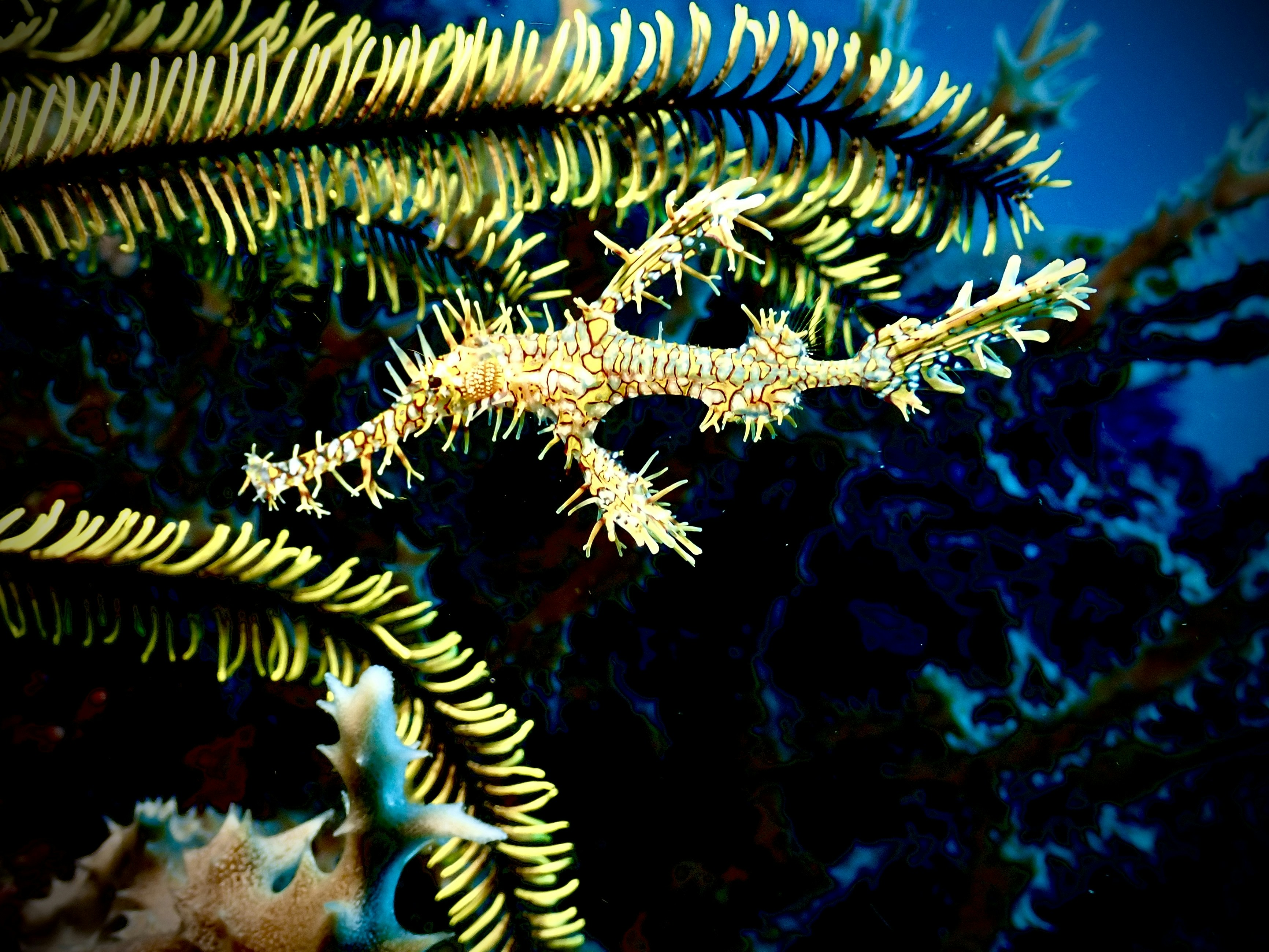
The ghost pipefish, belonging to the family Syngnathidae, exemplifies the extraordinary adaptations for camouflage found in marine life. This unique species, closely related to seahorses and pipefish, can be spotted in various regions, from the warm waters of the Indo-Pacific to the depths of the Atlantic. Its remarkable ability to blend in with its surroundings makes it a fascinating subject for researchers and marine enthusiasts alike.
One of the most striking features of the ghost pipefish is its elongated, ribbon-like body that ranges in color from pale white to deep brown. This coloration, combined with its intricate patterns and the ability to change color based on its environment, serves as an effective means of disguise from potential predators. It often mimics the surrounding marine flora, such as sea grasses and corals, to avoid detection. This adaptation not only showcases the species’ ability to survive but also emphasizes the evolutionary significance of camouflage in marine ecosystems.
Behaviorally, ghost pipefish exhibit intriguing strategies to maximize their camouflage. They often adopt a stationary position, swaying gently with the currents to imitate the movement of sea plants, further enhancing their disguise. Their reliance on their environment for concealment underscores the interconnectedness of marine species and habitats. When threatened, the ghost pipefish can retreat into dense vegetation, employing its uncanny ability to vanish right before the eyes of predators.
In conclusion, the ghost pipefish stands as a remarkable testament to nature’s ingenuity in developing effective camouflage strategies. Through its unique morphology and behavioral adaptations, this species not only ensures its survival but also contributes to the intricate tapestry of marine life, showcasing the complex relationships within its ecosystem.
Marine Survival: The Role of Camouflage in Ecosystems
Camouflage plays a pivotal role in the survival of various marine species, influencing predator-prey dynamics and competition within aquatic ecosystems. This adaptation allows numerous fish and other marine organisms to blend seamlessly into their surroundings, thereby enhancing their chances of survival. For instance, species such as flounders and octopuses possess the ability to change their skin color and texture to match the ocean floor, effectively evading detection by predators. This adaptive mechanism not only affects individual species but also shapes interactions within the marine ecosystem.
The implications of camouflage extend beyond mere survival for individual fish; they significantly impact predator-prey relationships. Predators must rely on sight when hunting, and by reducing visibility through effective camouflage, potential prey species can successfully avoid being captured. This delicate balance ensures that predator populations do not overconsume their prey, promoting a stable ecosystem. Consequently, as certain camouflage tactics become more effective, predator species may also evolve better hunting strategies, illustrating a fascinating evolutionary arms race driven by the necessity of survival.
Moreover, the presence of camouflage impacts competition among species. Fish that can effectively use camouflage may occupy ecological niches that are otherwise inaccessible to less adept species. For example, species that can camouflage themselves effectively around complex coral structures can evade competition for food resources, enhancing their survival prospects. In contrast, species that are less adept at blending in may experience higher predation rates and reduced access to resources, potentially leading to declines in their populations.
The overall health of marine ecosystems is inherently linked to these dynamics of camouflage. By enabling the stable coexistence of diverse species, camouflage contributes to biodiversity, which is essential for resilient marine environments. In essence, the intricate interplay of camouflage influences not only individual survival but also the broader ecological framework of life in our oceans.
The Evolution of Camouflage in the Ocean
The evolutionary history of camouflage in marine species outlines a fascinating narrative of adaptation and survival within diverse aquatic ecosystems. Over millions of years, various environmental pressures, such as predation and competition for resources, have significantly influenced the development of camouflage strategies among marine organisms. The primary drive for these adaptations is the need for species to avoid detection by predators or potential prey, ensuring their survival in a highly dynamic habitat.
Through natural selection, different forms of camouflage have emerged, allowing marine species to blend seamlessly with their surroundings. For instance, many fish species have developed colorations and patterns that mimic the seafloor, coral reefs, or the shifting hues of open water. This type of countershading is particularly effective for predators and prey alike, enhancing their ability to evade confrontations.
Additionally, the evolution of specialized structures, such as chromatophores in cephalopods, allows for rapid changes in color and texture. These adaptations enable species like octopuses and squids to exhibit remarkable forms of camouflage, responding instantaneously to their environment. Moreover, some fish, like the flatfish, utilize their body shape and alignment with the substrate to further obscure their presence, demonstrating the complexities of evolutionary camouflage strategies.
In contemporary marine ecosystems, the ongoing adaptations of camouflage can be observed as species respond to changing environmental conditions, such as those prompted by climate change and pollution. Resilient marine organisms continue to adapt their camouflage techniques to contend with evolving threats and changing habitats, illustrating the persistent influence of evolutionary pressures in the ocean.
Noteworthy Examples of Underwater Wildlife Camouflage
Among the diverse range of marine life, several species stand out for their remarkable camouflage capabilities that aid in both predator evasion and hunting. Cuttlefish, octopuses, and flounders exemplify the intricate methods of adaptation these organisms have developed to thrive in their environments.
The cuttlefish, belonging to the cephalopod family, is renowned for its impressive ability to change color and texture almost instantaneously. This remarkable ability is controlled by specialized skin cells called chromatophores, which contain different pigments. By expanding or contracting these cells, cuttlefish can blend seamlessly into their surroundings, whether it be rocky seabeds or vibrant coral reefs. This camouflage not only serves as a defense mechanism against predators but also enhances their hunting tactics by allowing them to ambush unsuspecting prey.
Similarly, octopuses display an extraordinary degree of adaptability that extends beyond color change. Some species can alter their skin texture to mimic the surface of rocks, corals, or other marine structures. This ability to not only change color but also physically adjust their skin helps octopuses remain virtually invisible to both predators and prey. Additionally, their flexible bodies allow them to squeeze into tight spaces, providing further refuge from threats.
Flounders present another fascinating example of camouflage in marine life. These flatfish are capable of changing their color to match the sandy or muddy ocean floor where they reside. Their lateral compression allows them to lie flat against the seabed, making them difficult to detect. This adaptive strategy facilitates not only evasion from predators but also assists in ambushing their own prey by lying in wait, thus reinforcing the essential balance of their underwater ecosystem.
Human Impact on Marine Camouflage
Marine life has evolved various camouflage techniques to enhance survival in a complex underwater environment. However, human activities, including pollution, climate change, and habitat destruction, are significantly disrupting these natural adaptations. As the oceans become increasingly polluted with plastics and other contaminants, the ability of fish and marine organisms to effectively blend into their surroundings is hampered. Pollutants can alter the coloration of marine species, diminishing their adaptive capabilities and exposing them to predation.
Climate change also poses a considerable threat to marine camouflage. Rising ocean temperatures and acidification impact the habitat structures such as coral reefs, kelp forests, and seagrass beds, which are vital for species that rely on camouflage. When these essential environments deteriorate, the effective blending mechanisms that many fish and invertebrates have developed over time become less relevant. This deterioration not only influences individual species but disrupts the overall ecosystem balance.
Moreover, habitat destruction from activities such as coastal development, overfishing, and destructive fishing practices further exacerbates the challenges for marine creatures. Many species depend on specific habitats for their survival, where they utilize camouflage to evade predators. The loss of these habitats can lead to a decrease in population sizes, which in turn impacts the genetic diversity and adaptability of species over time.
As the effectiveness of camouflage diminishes due to these human-induced changes, the repercussions for marine biodiversity could be significant. A decline in predator-prey dynamics may lead to cascading effects throughout the marine food web, potentially destabilizing entire ecosystems. Therefore, understanding and mitigating human impact on marine camouflage is crucial for preserving marine life and maintaining ecological balance.
Conclusion: The Future of Underwater Camouflage
The study of camouflage in marine life is crucial not only for understanding the natural world but also for comprehending the complex interactions between organisms and their environments. Fish camouflage plays a vital role in the survival and success of various species, allowing them to evade predators, capture prey, and thrive in diverse aquatic ecosystems. Ongoing research continues to unveil the extraordinary adaptations that marine creatures possess, offering insights into the evolutionary processes that shape life beneath the surface.
As scientists delve deeper into the mechanisms of underwater camouflage, utilizing advanced technologies and methodologies, they are observing how fish and other marine organisms adapt in response to changing environmental conditions. Factors such as climate change, ocean acidification, and habitat destruction can significantly influence the effectiveness of these camouflage strategies. The adaptability of marine life in the face of such challenges raises important questions about the resilience of these species over time.
Future discoveries in the field are expected to enhance our understanding of not only the functional aspects of fish camouflage but also the underlying genetic, behavioral, and ecological frameworks that govern these adaptations. By studying how marine animals perceive their environments and modify their appearances accordingly, researchers can develop more effective conservation strategies aimed at protecting vulnerable species and their habitats.
In conclusion, enhancing our knowledge about underwater camouflage is imperative, as it can lead to greater awareness of marine biodiversity and its preservation. As research progresses, it is anticipated that we will uncover new dimensions of how aquatic life responds to environmental pressures, ultimately contributing to the sustainability of our oceans and the myriad of species that inhabit them.


