




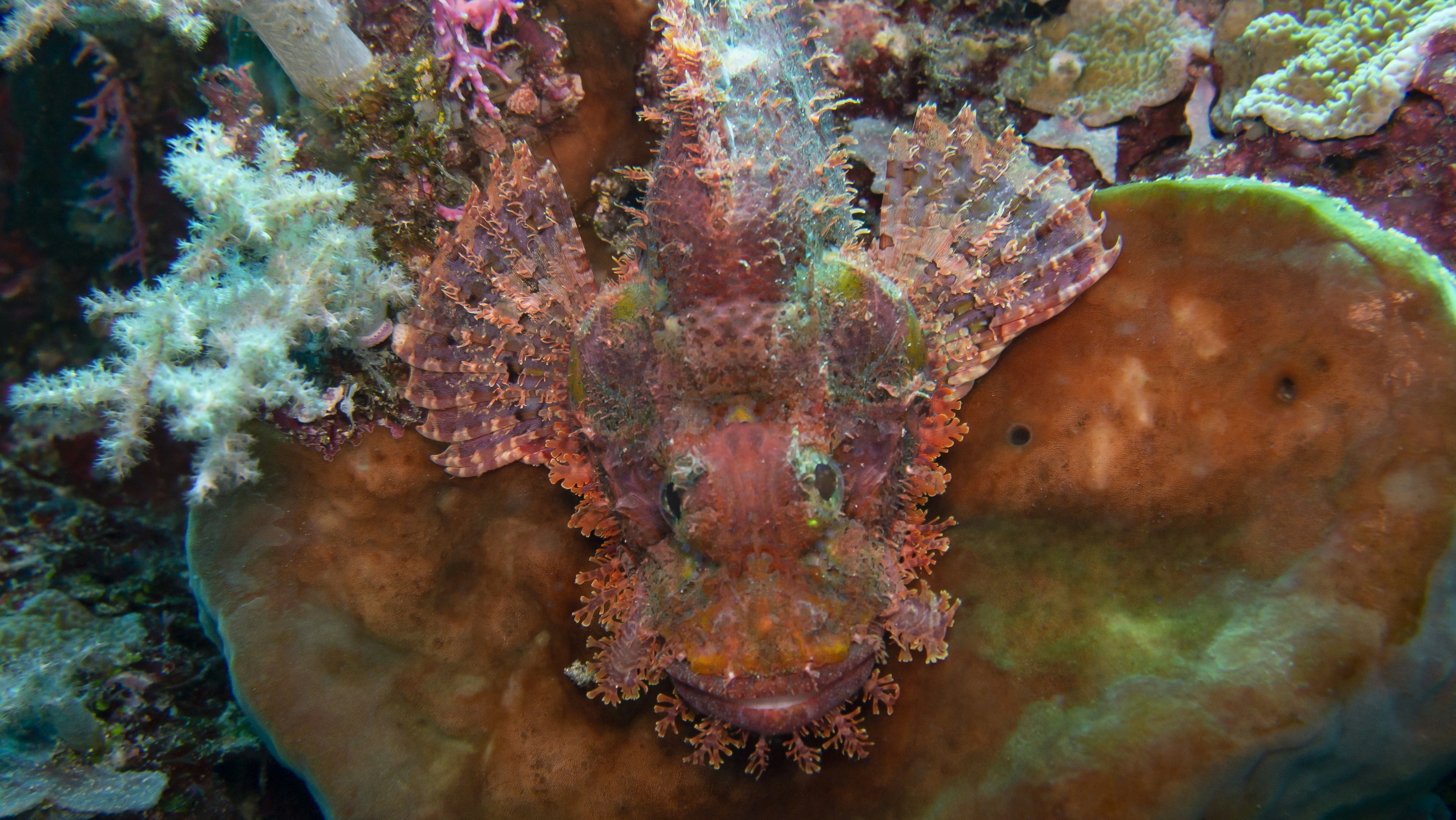
The Intriguing World of Cryptic Fish
Cryptic fish species represent a fascinating facet of marine life, distinguished by their remarkable ability to blend seamlessly into their surroundings. This evolutionary adaptation plays a critical role in their survival. Through an array of colors, patterns, and body shapes, these fish can effectively evade predators while pursuing their prey. The art of camouflage not only safeguards these species but also influences their ecological interactions within diverse habitats.
One notable example of cryptic fish is the flatfish, which includes species such as the flounder and halibut. These fish inhabit sandy or muddy ocean floors and possess the uncanny ability to alter their color and texture to match their environment. This adaptation allows them to hide from larger predators while ambushing unsuspecting prey. The flatfish’s unique asymmetrical body structure further enhances its camouflage, enabling it to lie almost invisibly against the ocean bed.
Another intriguing example can be observed in the leafy seadragon, native to the coasts of Australia. Resembling floating seaweed, this species is equipped with elaborate leaf-like appendages that provide exceptional concealment among the aquatic vegetation. Such adaptations not only help this fish avoid predators but also allow it to thrive in its preferred habitat, characterized by rich kelp forests and seagrass beds.
The significance of camouflage extends beyond mere predation; it influences the overall dynamics of marine ecosystems. By reducing the visibility of cryptic fish, their presence aids in maintaining the balance of species through both predator-prey interactions and competition for resources. The intricate adaptations found in these fish highlight their importance within the ecosystem, demonstrating how nature has perfected the art of survival.
Underwater Camouflage Techniques
Cryptic fish species are renowned for their remarkable adaptations that enable them to blend seamlessly into their environments, employing various camouflage techniques to avoid predators and enhance their hunting strategies. One of the primary methods is color changing, where fish alter their skin pigmentation in response to their surroundings. This remarkable ability is often facilitated by specialized cells known as chromatophores, which contain pigments and can expand or contract to modify coloration. For instance, species such as the flounder can shift their hues from sandy browns to vibrant greens, perfectly aligning themselves with the ocean floor.
Another fascinating technique is texture mimicry, which involves modifying the surface of the fish’s skin to match the substrate they inhabit. Certain fish species can develop bumps, ridges, or other textures that help them imitate coral, rocks, or seaweed. This strategy not only enhances concealment but also allows for better integration into complex marine environments. Research shows that the biological mechanisms behind texture mimicry may involve the production of specialized cells that create protrusions, allowing the fish to achieve a 3D appearance that confuses the eyes of potential threats.
Behavior modifications also play a critical role in the survival of cryptic fish. Many species are known to exhibit specific behaviors that augment their camouflage. For instance, some fish remain motionless for extended periods, adopting postures that resemble their surroundings, while others may swim in a manner that mimics the movement of surrounding plants or debris. Environmental triggers, such as changes in light or the presence of predators, can prompt these behavioral adjustments, enabling fish to enhance their disguise. Ultimately, the intricate interplay of these camouflage techniques demonstrates the evolutionary prowess of cryptic fish species, showcasing their survival strategies in the diverse underwater world.
Reef Wildlife: A Habitat for Diversity
The vibrant ecosystems of coral reefs serve as a home to an astonishing variety of marine life, making them one of the most biologically diverse environments on the planet. In these intricate habitats, cryptic fish species, with their adept camouflage, play a vital role in maintaining the ecological balance. These fish are not only visually well-concealed but also exhibit behaviors that help them thrive alongside numerous other marine inhabitants.
Cryptic fish benefit from their ability to blend into the reef environment, which aids in avoiding predators while also enabling them to ambush unsuspecting prey. Among the myriad of species present in coral reefs, these elusive fish often engage in symbiotic relationships with other marine organisms, including cleaner shrimp and anemones. Such interactions exemplify the interconnectedness of reef ecosystems; for instance, cleaner shrimp remove parasites from the bodies of cryptic fish, while the fish, in turn, provide a reliable food source for the shrimp.
Competition for resources is also a significant aspect of life on the reef. As various species vie for habitat, food, and breeding grounds, cryptic fish must adapt their behavior and feeding strategies to coexist with both their counterparts and more conspicuous fish species. This competitive dynamic can lead to remarkable evolutionary adaptations, allowing cryptic fish to develop specialized feeding habits that exploit their camouflage, further enhancing their survival prospects.
However, these unique habitats face numerous threats, including climate change, pollution, and overfishing. The degradation of coral reefs undermines the biodiversity that is crucial for the intricate balance of marine life. Conservation efforts are essential to protect these ecosystems and ensure that not only cryptic fish but the entire array of marine wildlife continues to thrive in their natural surroundings. These actions are imperative for the sustainability of not just the species that inhabit the reefs, but also the human communities that depend on these ecosystems for their livelihoods.
Unraveling Ocean Mysteries: The Quest for Fish Discovery
The ongoing research into cryptic fish species is vital for advancing our understanding of marine biodiversity and the intricate ecosystems of the ocean. Marine biologists are increasingly employing advanced technologies, such as underwater drones, high-resolution cameras, and genetic sequencing, to explore the depths of uncharted waters. These tools enable researchers to conduct more effective field studies, uncovering species that were previously hidden due to their exceptional camouflage and elusive behaviors.
One of the significant challenges in studying cryptic species is their ability to blend seamlessly into their environments. Innovative techniques like remote-operated vehicles (ROVs) equipped with sophisticated imaging systems allow scientists to capture detailed footage in habitats that are difficult to access. These discoveries often reveal new species, which contributes to the existing knowledge of marine biodiversity and may challenge previously held classifications.
Genetic analysis is another crucial component in the quest for discovering new fish species. By comparing DNA samples taken from specimens found in various geographical locations, marine biologists can identify distinct species and better understand their evolutionary history. This molecular approach not only aids in the classification of newly discovered species but also sheds light on their ecological roles within marine environments.
The importance of preserving marine biodiversity cannot be overstated, especially as ongoing discoveries highlight the intricate interplay between species and their habitats. The implications of these findings extend beyond academic interest; they are critical for informing conservation efforts aimed at protecting vulnerable ecosystems. As cryptic fish species often serve as indicators of environmental health, understanding their behaviors and habitats can guide more effective conservation strategies and policies.
Furthermore, these discoveries emphasize the pressing need for sustainable practices, highlighting the interconnectedness of marine life. Protecting cryptic fish species thus becomes not merely a matter of scientific inquiry but a necessary step towards maintaining the integrity of marine biodiversity.


