




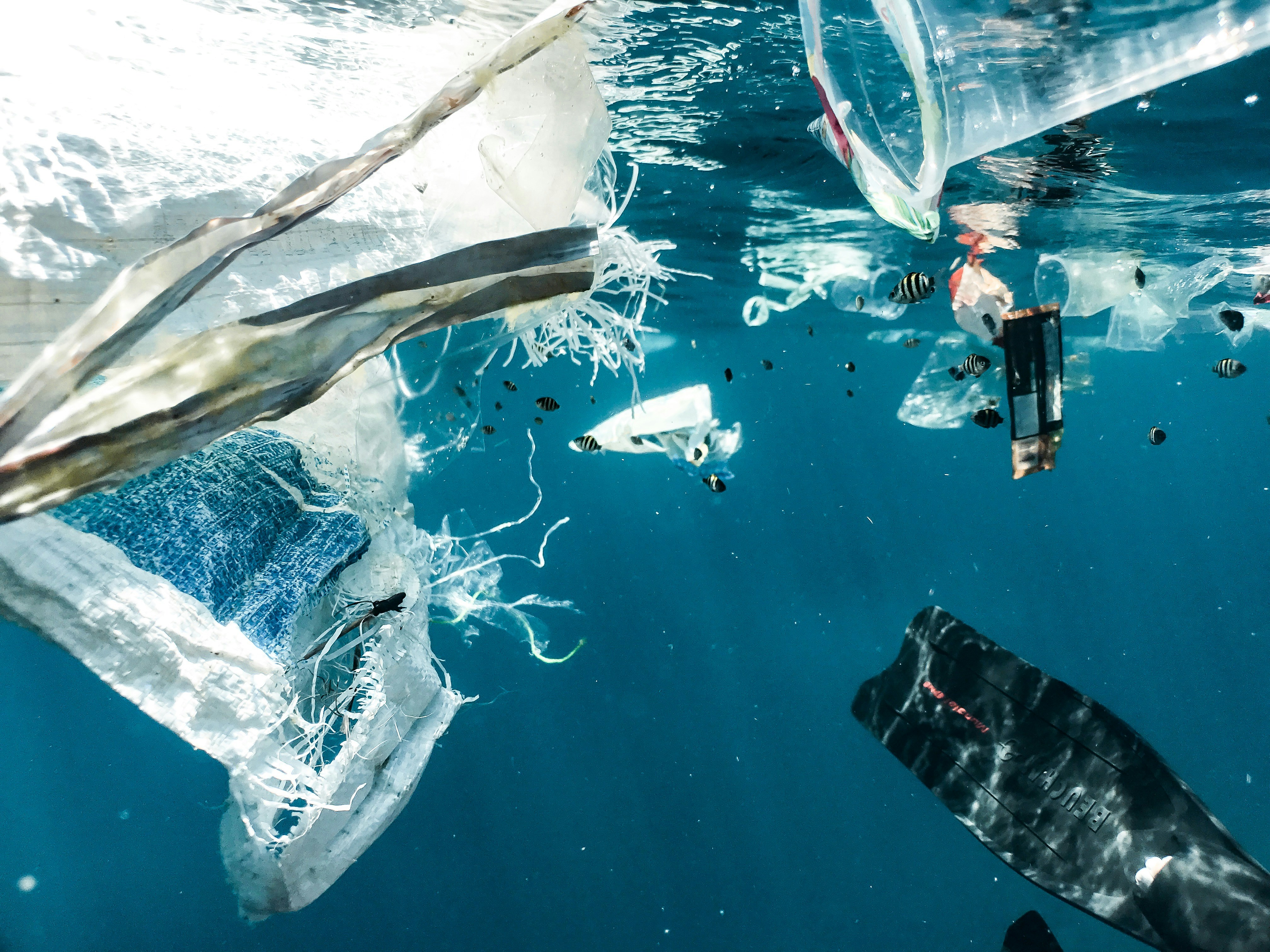
The Scale of Plastic Pollution
The issue of plastic pollution in our oceans has reached alarming levels, with an estimated 8 million metric tons of plastic waste entering the marine environment each year. This vast scale of plastic pollution poses severe threats to marine life, habitats, and ecosystem health. It is estimated that over 600 different species are affected by marine debris, and many of these species are at risk of extinction due to the toxic effects of plastic exposure.
Plastics come in a myriad of forms, including single-use items such as bags, bottles, and straws, which are among the most common contributors to this crisis. Single-use plastics are problematic due to their short lifespan and high likelihood of ending up in the oceans if not managed properly. Additionally, larger plastic items often degrade into microplastics—tiny plastic fragments less than five millimeters in length—that can be ingested by marine organisms, causing long-term harm to their health and, subsequently, to the food chain.
A significant portion of plastic pollution can be traced back to industrial activities. These include not only the manufacturing of plastic products but also improper disposal practices and the lack of efficient waste management systems. Industries that produce or use plastic must take responsibility for their waste, reducing reliance on harmful materials and finding sustainable alternatives. Furthermore, urban runoff, which often carries plastic debris from inland areas to oceans, plays a crucial role in the ongoing challenge of plastic pollution.
Beyond its origin, the impact of plastic pollution on marine ecosystems cannot be understated. Marine animals often mistake plastic for food, leading to ingestion that can cause suffocation, internal injury, or starvation. Habitat destruction is another tragic outcome, as plastic waste accumulates in delicate environments such as coral reefs and mangroves. Through collective awareness and effective policy changes, addressing the scale of this pollution is imperative for protecting marine biodiversity and ensuring the health of our oceans.
Impact on Marine Life
Plastic pollution has emerged as one of the most critical environmental challenges affecting marine ecosystems across the globe. The various forms of plastic waste, whether in larger pieces or as microplastics, have direct and indirect consequences for marine species. Ingestion of plastic debris is particularly harmful, as many marine organisms mistake plastic for food. Fish, seabirds, and marine mammals are notable examples of species vulnerable to this toxic ingestion. Consuming plastic can lead to physical blockages in their digestive systems, malnutrition, and exposure to hazardous chemicals absorbed from the plastic.
Furthermore, entanglement poses another significant threat to marine life. Large volumes of discarded fishing gear and other plastic materials result in injuries or deaths for countless animals. For instance, sea turtles often become trapped in plastic bags, mistaking them for jellyfish, their natural prey. This entanglement can lead to drowning, severe injuries or even death, and disrupts the delicate balance of marine biodiversity.
The repercussions of plastic pollution extend beyond individual species. Microplastics, in particular, infiltrate the entire food web, affecting small marine organisms such as plankton that serve as a primary food source for larger aquatic creatures. As these microplastics work their way up the food chain, they accumulate in the bodies of marine animals, resulting in potential biochemical consequences. These may include decreased reproductive rates and altered growth patterns, ultimately threatening the sustainability of marine populations. The broader implications for oceanic biodiversity are severe; as specific species decline, ecosystems can face significant disruption. In essence, plastic pollution not only endangers individual marine species but also undermines the health of entire oceanic ecosystems, prompting a need for immediate action to mitigate its effects.
Strategies for Effective Waste Management
Effective waste management is a crucial component in addressing the pervasive issue of plastic pollution, particularly in marine environments. Various strategies can be implemented to mitigate the impact of plastics on marine life, encompassing both individual and collective actions.
One primary method to combat the plastic crisis is through enhanced recycling programs. By promoting recycling at both community and industrial levels, societies can significantly reduce the amount of plastic waste that ends up in oceans and waterways. For instance, cities that have adopted comprehensive recycling policies have seen a reduction in landfill waste and an increase in the recovery of reusable materials. This is particularly vital in fostering a circular economy, where products are designed for longevity and recyclability, thereby limiting the reliance on new plastic production.
Additionally, reducing single-use plastic consumption is essential. Initiatives that encourage consumers to adopt reusable alternatives, such as cloth bags, metal straws, and refillable containers, can diminish the demand for single-use plastics. Noteworthy is the success of various campaigns that have partnered with retailers to incentivize customers to bring their own containers, significantly decreasing the volume of plastic waste generated during shopping.
Furthermore, community clean-up initiatives serve as another effective strategy. Organizing local beach clean-ups or park restoration projects not only helps to physically remove plastics from the environment but also fosters a sense of responsibility and awareness among participants. These efforts have been pivotal in empowering individuals and communities to take direct action against plastic pollution.
In summary, through effective waste management practices such as recycling, reduction of single-use plastics, and community engagement, it is possible to make significant strides in combating plastic pollution. By implementing these strategies, we can protect marine life and promote a healthier ecosystem for future generations.
Promoting Ocean Conservation and Environmental Awareness
The health of our oceans is vital not only for marine life but for the planet at large. Ocean conservation efforts play a fundamental role in combating the plastic pollution crisis, which has drastically affected marine ecosystems. Collective action is essential in raising awareness about the deleterious effects of plastic waste on marine habitats, and it requires the dedication of individuals, communities, and organizations.
Numerous nonprofit organizations and movements are leading the charge in ocean conservation. Initiatives such as Ocean Conservancy and Plastic Pollution Coalition provide educational resources, participate in clean-up activities, and advocate for policy changes to mitigate the impact of plastic. These organizations emphasize the importance of community involvement, demonstrating how individuals can contribute to significantly reducing plastic waste through both grassroots activism and larger mobilization efforts.
Education initiatives are vital to fostering a society that prioritizes ocean health. Schools and local communities can implement programs that focus on environmental science, conservation tactics, and sustainable practices. Raising awareness about the impact of single-use plastics and promoting alternatives are crucial steps in this educational journey. By informing young generations about the importance of marine ecosystems, we cultivate a more environmentally conscious citizenry.
For individuals looking to take action, several actionable tips can help promote sustainable living practices. Reduce reliance on single-use plastics by opting for reusable bags, bottles, and containers. Participate in local beach or river clean-ups, which not only help remove debris but also raise awareness about the consequences of plastic pollution. Additionally, supporting businesses that prioritize environmentally friendly practices can galvanize a shift towards more sustainable options within the economy. Each small step contributes to a greater collective impact, safeguarding our oceans for generations to come.


