




Understanding the Extinction Threat
The ongoing extinction crisis represents one of the most pressing challenges facing modern civilization. Current estimates suggest that species are disappearing at a rate that is alarming and unprecedented in human history. This rapid loss of biodiversity threatens not only the intricate web of life on Earth but also critical services that ecosystems provide to humanity.
Among the numerous factors contributing to this extinction threat, habitat destruction, climate change, pollution, and overexploitation stand out as significant culprits. Each of these elements disrupts the delicate balance within ecosystems, leading to declines in species populations and, ultimately, extinction. As biodiversity diminishes, ecosystems become less resilient and more vulnerable to various pressures, significantly impacting food security, medicinal resources, and the very foundations of human societies.
Food systems, in particular, are deeply intertwined with biodiversity. A wide range of species contributes to the stability of crops and livestock, ensuring agricultural resilience against pests and diseases. The loss of pollinators, such as bees, or soil microorganisms can result in decreased agricultural productivity, undermining food security for millions. Furthermore, ecosystems provide a storehouse of plant-derived substances essential for developing pharmaceuticals and medical treatments; the extinction of species limits future discoveries that could address global health challenges.
Moreover, as ecosystems approach critical thresholds or tipping points, their ability to recover is significantly compromised. This risk is exacerbated by the interconnectedness of global systems, where changes in one region can ripple through others, exacerbating existing vulnerabilities. The current trajectory of biodiversity loss could lead to irreversible changes, emphasizing the urgent need for actionable solutions to mitigate this crisis.
Climate Change: The Catalyst of Global Disruption
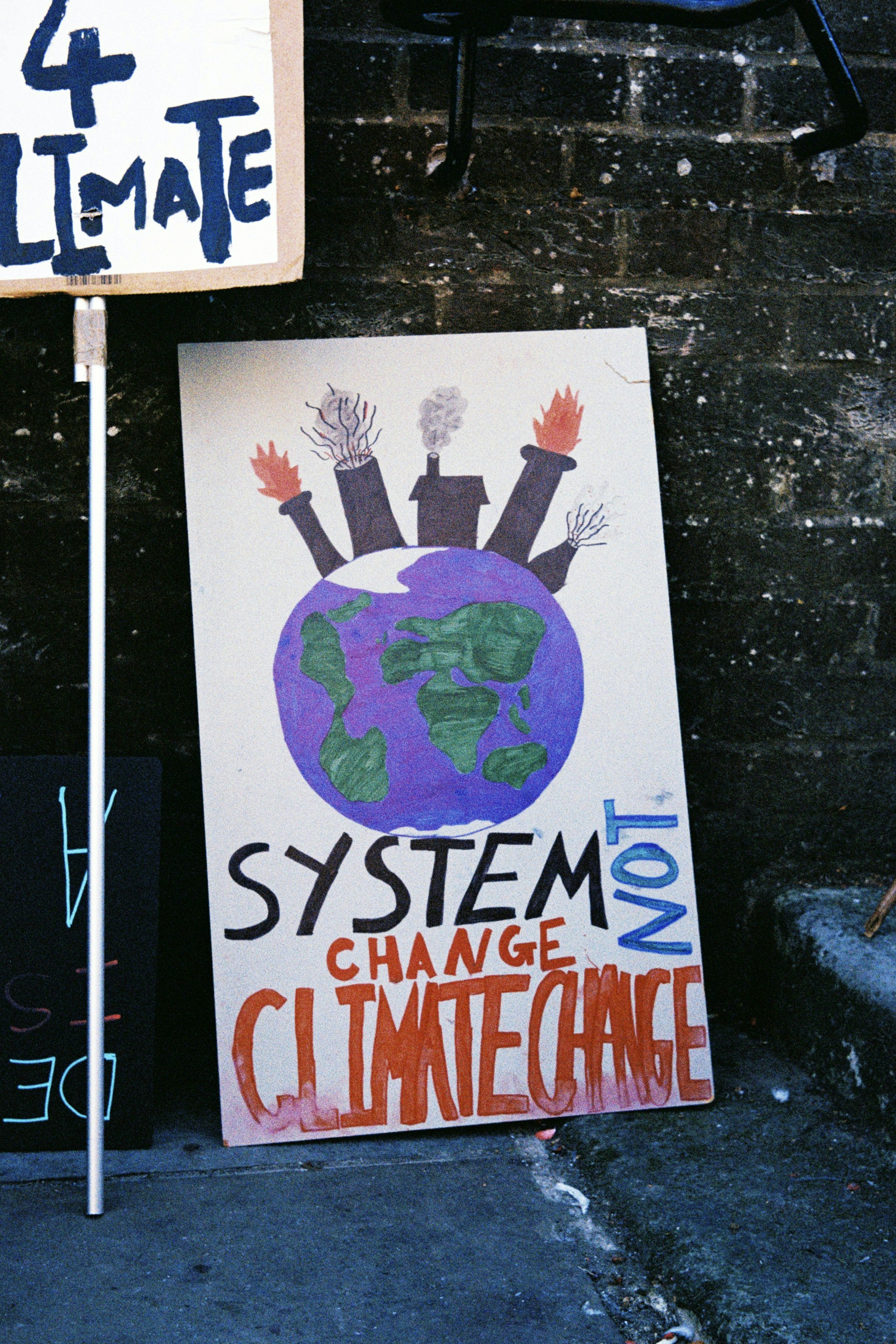
Climate change is increasingly recognized as a critical factor contributing to a spectrum of disruptions facing global civilization. The scientific underpinnings of climate change suggest that human activities, particularly the burning of fossil fuels and extensive deforestation, have led to an unprecedented increase in greenhouse gases in the atmosphere. This phenomenon, largely characterized by rising temperatures, correlates directly with consequential alterations in weather patterns across the globe.
The effects of climate change manifest in various ways, such as the intensification of natural disasters, including hurricanes, droughts, and wildfires, which have become more frequent and severe. Such events not only threaten lives but also wreak havoc on infrastructure and ecosystems. The economic ramifications are profound, as these disasters result in substantial financial losses and disrupt local and international markets. Agriculture, a sector fundamentally reliant on stable weather conditions, is also severely impacted; shifts in climate patterns can lead to reduced crop yields, threatening food security and exacerbating malnutrition.
Moreover, the socio-economic consequences of climate change are unequal. Vulnerable populations in developing regions often bear the brunt of its impact, with limited resources to adapt or recover from climatic shocks. These communities are frequently situated in areas more susceptible to environmental hazards and may lack the financial and technical capacity to implement effective mitigation strategies.
In light of these challenges, a coordinated global response becomes imperative. Strategies aimed at reducing carbon emissions, enhancing sustainable agricultural practices, and investing in resilience-building initiatives are vital. Climate change action not only requires cooperation among governments but also the involvement of private sectors and civil society to forge comprehensive solutions that address both mitigation and adaptation. Through collective efforts, it is possible to combat the looming crisis and work towards a more sustainable future.
Pollution and Its Far-Reaching Effects
Pollution is an omnipresent challenge that significantly aggravates environmental degradation and public health crises. It manifests in various forms, including air, water, and soil pollution, each with its own unique set of consequences. Air pollution arises from emissions of harmful substances from industrial activities, vehicular exhaust, and other sources. These pollutants can penetrate deep into the respiratory system, resulting in chronic health conditions such as asthma, cardiovascular diseases, and reduced lung function. Regions exposed to high levels of air pollution often report increased mortality rates and a diminished quality of life.
Water pollution is another critical concern, affecting drinking water sources, aquatic ecosystems, and human health. Contaminants such as heavy metals, pesticides, and pathogens can infiltrate water bodies, posing risks to both wildlife and human populations relying on these resources. For instance, the Flint water crisis in Michigan unveiled the severe repercussions of lead contamination in drinking water, highlighting the dire implications of infrastructure negligence and industrial pollution. Recovery from such pollution events requires extensive remediation efforts and community engagement, often taking years to restore both ecosystems and public trust.
Soil contamination, frequently the consequence of agricultural runoff or industrial waste, impairs land’s productivity and disrupts local flora and fauna. Polluted soils can lead to decreased agricultural yields, threatening food security and economic stability in affected regions. Moreover, chemicals in contaminated soil can bioaccumulate in the food chain, leading to severe health ramifications for animals and humans alike.
The interconnectedness of pollution with climate change cannot be overlooked. As pollutants accumulate, they contribute to greenhouse gas emissions, thereby exacerbating the global warming crisis. Each form of pollution not only harms individual ecosystems but compounds the challenges faced in mitigating climate change impacts and improving public health. Addressing pollution in its various forms is crucial for promoting environmental resilience and safeguarding human health.
Water Quality and Availability: A Growing Concern
The quality and availability of water are becoming increasingly critical issues that pose significant threats to civilization as we know it. Water contamination arises from various sources, including agricultural runoff, industrial discharges, and inadequate wastewater management. This contamination not only leads to the degradation of freshwater resources but also affects the health and well-being of populations relying on these water sources for their survival.
Climate change further exacerbates the crisis of water quality and availability. Altered precipitation patterns and increased temperatures can dramatically influence freshwater ecosystems, resulting in reduced water supply during times of drought and altered water chemistry that promotes harmful algal blooms. These changes not only compromise the availability of safe drinking water but also pose severe public health risks. Contaminated water supplies have been linked to various illnesses, ranging from gastrointestinal disorders to long-term health complications.
In response to these looming threats, both engineering innovations and sound public policies play crucial roles in improving water quality and ensuring its availability. Investments in water treatment technologies, such as advanced filtration systems and sustainable groundwater management practices, can dramatically enhance water quality. Similarly, the implementation of stringent regulatory frameworks to control pollution sources, combined with community-based efforts to promote responsible water usage, is essential for safeguarding this vital resource.
Additionally, raising public awareness and educating communities about the importance of preserving water quality can drive more sustainable practices. Actions such as reducing plastic pollution, conserving water, and advocating for responsible agricultural practices are essential to maintain freshwater ecosystems. By collaboratively working towards these goals, we can mitigate the impacts of contamination and climate change, ensuring future generations have access to clean and safe water.


