


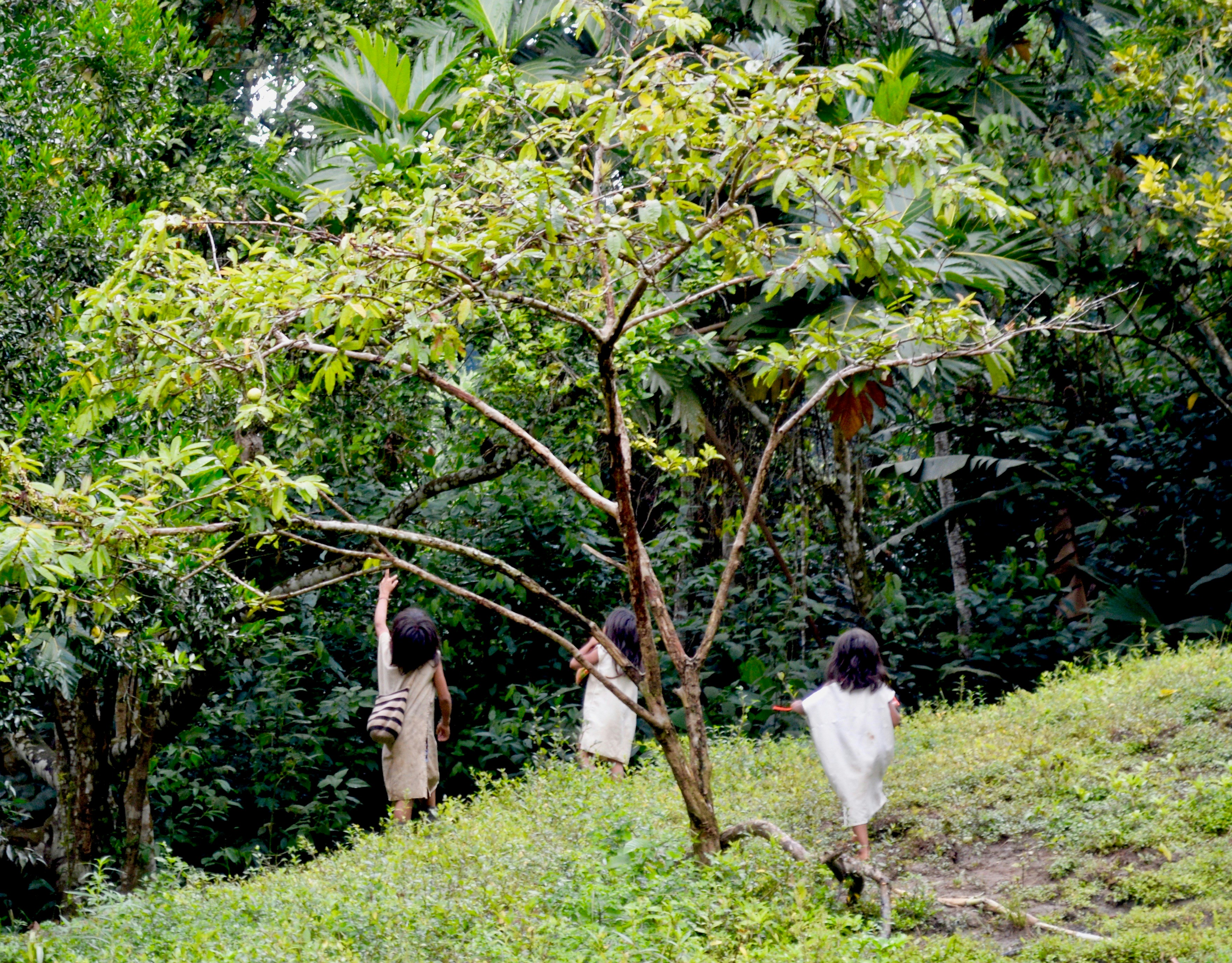
Introduction: The Importance of Connecting Children with Nature
In an increasingly urbanized world, the disconnection between children and nature has been growing. However, research emphasizes that hands-on experiences in the natural environment play a crucial role in emotional and psychological development. By allowing children to interact directly with the outdoors, they can cultivate a deeper understanding and appreciation of the world around them.
When children engage in activities such as gardening, hiking, or exploring parks, they not only learn about the intricacies of natural ecosystems but also develop essential life skills. These experiences foster curiosity, as children are naturally inclined to ask questions about their surroundings. This inquisitive nature is pivotal, as it drives them to seek knowledge and understanding of biological processes and environmental stewardship.
Moreover, hands-on experiences with nature nurture empathy. As children observe plants and animals, they learn the importance of every organism within an ecosystem, recognizing the interconnectedness of life. This understanding encourages them to care for their environment and fosters a sense of responsibility towards preserving it. By developing an emotional attachment to nature, children learn to express care and compassion, extending this empathy to their interactions with others.
“Hands-on experience in nature doesn’t just teach children about the Earth—it teaches them to love, respect, and protect it for life.”
- Builds real emotional connection with nature
When children touch soil, plant trees, or observe animals, they develop a personal bond with the natural world. - Improves long-term environmental responsibility
Practical experiences help children understand that nature needs care, not just study, leading to lifelong eco-friendly habits. - Enhances curiosity and scientific thinking
Direct interaction with nature encourages children to ask questions, observe patterns, and explore how ecosystems work. - Strengthens memory and understanding
Hands-on learning is more powerful than reading alone, helping children retain concepts about plants, animals, and the environment. - Develops empathy for living beings
Caring for plants or animals teaches children to respect life and understand the impact of human actions on ecosystems. - Reduces stress and improves mental health
Outdoor activities like gardening or nature walks calm the mind and improve emotional well-being. - Encourages physical activity and healthy lifestyle
Nature-based learning involves movement—walking, digging, exploring—which supports physical development. - Improves teamwork and social skills
Group activities like planting trees or cleaning environments teach cooperation and communication. - Boosts creativity and imagination
Natural environments inspire storytelling, problem-solving, and creative thinking in children. - Builds future environmental leaders
Early hands-on experience can inspire children to become scientists, conservationists, or environmental advocates.
The benefits of connecting children with nature are not solely emotional but extend into psychological realms as well. Outdoor activities can significantly reduce stress and anxiety, promoting a sense of belonging and well-being. Nature has a calming effect, allowing children to explore and reflect without the distractions often present in structured environments. Engaging with nature is integral in shaping how children relate to their surroundings, establishing a foundation for lifelong environmental stewardship. In this blog post, we will delve deeper into how hands-on experiences with nature can significantly transform children’s lives, fostering a profound love for the environment that will carry into adulthood.
Understanding the Natural World: The Foundation of Curiosity
Hands-on experiences play a crucial role in nurturing children’s curiosity about the natural world. Engaging activities, such as gardening or exploring local ecosystems, allow young learners to connect with nature on a personal level. When children dig their hands into soil, plant seeds, and watch them grow, they are not just participating in a task. They are observing life cycles, understanding plant biology, and witnessing the beauty of nature unfold right before their eyes. Such tangible interactions foster a vibrant curiosity that traditional, passive learning methods often fail to ignite.
For instance, community gardens serve as excellent platforms for experiential learning. Children involved in gardening activities gain insights into sustainable practices, such as composting and organic gardening techniques. They learn that every plant has a role in the ecosystem, leading to a greater appreciation of biodiversity. These early lessons can foster long-standing environmental awareness and stewardship, encouraging children to think critically about their relationship with the earth.
Another example is exploring local ecosystems, whether it is a nearby forest, river, or beach. Field trips or community-led explorations immerse children in their surroundings, unveiling the complex interdependencies among organisms. Such experiences not only stimulate curiosity but also impart critical thinking skills, as children begin to question and investigate the phenomena they observe in the natural world. Through these explorations, they learn about the ecological roles of various species and the importance of conservation.
Curiosity rooted in real-world experiences is essential for sustainable living. When children understand how their actions impact the environment, they are more likely to advocate for sustainable practices in their daily lives. This early foundation of curiosity sets them on a lifelong journey of learning and discovery, ultimately inspiring future generations to protect our planet.
Learning Through Play: The Role of Outdoor Experiences in Child Development
Outdoor experiences play a crucial role in the holistic development of children, offering unique opportunities for growth that cannot be replicated indoors. Engaging in play within natural environments allows children to enhance their cognitive, physical, and social skills through direct interaction with their surroundings. This hands-on approach to learning naturally fosters curiosity and promotes critical thinking.
Cognitive development is particularly enriched through outdoor experiences, as children encounter diverse stimuli that challenge their problem-solving abilities. For instance, building a shelter or navigating a natural obstacle course requires planning and foresight. These activities compel children to devise strategies, assess risks, and adapt to new challenges, leading to the development of essential cognitive skills.
Moreover, outdoor play significantly impacts physical development. Activities such as climbing trees, running on uneven terrain, or engaging in nature trails enhance motor skills and coordination. Such physical engagement also promotes better health by encouraging active lifestyles, which not only aid in the growth and strengthening of muscles but also in maintaining a healthy weight.
Socially, outdoor experiences cultivate teamwork and communication skills. When children engage in group play, whether through team sports or collaborative projects, they learn to share ideas, negotiate roles, and develop empathy. Nature serves as an equalizer, fostering relationships built on shared experiences and collective problem-solving.
Furthermore, exposure to natural settings has been linked to reduced stress and anxiety levels. Time spent outdoors offers therapeutic benefits, allowing children to connect with their environment in a calm, relaxed manner. This connection instills a sense of wonder for nature, which is key in nurturing a long-term appreciation for the outdoors.
Youth Engagement: Real-Life Projects That Inspire a Love for Nature
Engaging children in real-life environmental projects plays a pivotal role in fostering an appreciation for nature. Numerous programs have demonstrated the effectiveness of hands-on experiences in instilling a sense of responsibility and connection to the planet among young participants. One notable example is the community tree-planting initiatives, which not only beautify local areas but also educate children on the importance of trees in maintaining ecological balance. In these programs, children are involved in every step—from selecting the species of trees to planting and caring for them—thus reinforcing their commitment to environmental stewardship.
Similarly, wildlife conservation programs have shown remarkable success in engaging youth with their natural surroundings. These initiatives often include activities such as birdwatching, creating habitats, and participating in citizen scientist programs. For instance, organizations have facilitated projects where children track local bird populations or monitor the health of nearby ecosystems. Such practical experiences empower children to understand the complexities of biodiversity and the essential roles various species play in their environments.
Additionally, community gardens serve as another excellent platform for engaging youth. In these gardens, children learn about sustainable gardening practices, the importance of native plants, and food sources. The act of nurturing a garden encourages a sense of ownership and pride in their contributions to their community. Participants frequently report a newfound appreciation for not only the food they consume but also the environment it is sourced from. Through these diverse initiatives, children embrace the role of environmental advocates, fostering a generation more attuned to the intricacies of nature.
Cultivating Empathy: How Nature Experiences Foster Compassion for All Living Beings
Experiencing nature firsthand can significantly transform children’s perceptions and relationships with the environment, instilling a profound sense of empathy towards all living beings. Engaging children in hands-on activities such as gardening, animal care, or nature exploration fosters a connection that transcends mere observation. Rather than viewing nature as a distant entity, children begin to recognize it as an integral part of their existence, one that warrants understanding and respect.
Caring for plants and animals in a tangible way encourages children to witness the fragility of life. As they nurture seeds into plants or help feed animals, they directly observe the cycles of growth, sustenance, and interdependence within ecosystems. This involvement not only nurtures their appreciation for nature but also cultivates a sense of responsibility towards preserving it. The act of nurturing instills a deep-rooted belief that every life, regardless of size or significance, deserves care and protection.
Moreover, such interactions promote emotional intelligence by allowing children to recognize and respond to the needs of other living beings. When children experience the joy of a sprouting seed or the joy an animal exhibits during feeding, they connect emotionally with those experiences. These emotional connections are vital; they serve as the foundation for empathy, as children learn to relate to and understand conditions faced by both animals and plants. Activities like these resonate deeply, fostering a realization that all creatures, big or small, share the planet and impact one another’s well-being.
By nurturing this compassion through nature experiences, children are equipped not only to appreciate biodiversity but also to advocate for the protection of their environment. Thus, the act of engaging with nature can be a powerful catalyst in developing a generation that respects, values, and fights for the vibrant tapestry of life on Earth.
The Role of Educators and Parents: Encouraging Exploration and Appreciation
Educators and parents play a vital role in nurturing a child’s connection to nature. By fostering an environment that encourages exploration, they can help children develop a profound appreciation for the natural world. One effective strategy involves integrating outdoor activities into the curriculum. For instance, educators can design lessons that take advantage of the local ecosystem, using nearby parks, gardens, or nature reserves as educational sites. By doing so, children not only learn about biology and ecology but also immerse themselves in hands-on experiences that deepen their understanding of nature.
Parent involvement complements the efforts of educators. Family outings to natural settings, such as hiking trails or botanical gardens, can enhance a child’s learning experience. These activities allow families to engage in meaningful conversations about the environment, promoting a sense of stewardship and responsibility towards nature. Organizing weekend camping trips or nature walks can help cultivate curiosity and instill a sense of wonder in children while providing a platform for bonding and shared experiences.
Additionally, it is essential for educators and parents to encourage open-ended exploration during outdoor activities. This can be achieved by allowing children to lead their discoveries, whether it be through observing insects or identifying plants. Such freedom fosters creativity and critical thinking, as children learn to ask questions and seek answers within their environment. Incorporating activities like journaling or art projects inspired by nature can further enhance their connection, allowing children to express their observations and feelings about the natural world.
Ultimately, by prioritizing outdoor exploration, parents and educators can work together to instill a lasting love for nature in children, empowering them to become informed and engaged stewards of the environment.
Challenges and Solutions: Overcoming Barriers to Nature Experiences
In today’s urbanized society, numerous challenges can hinder children from experiencing the great outdoors. One of the primary barriers is the limited access to natural environments that many urban children face. Cities often lack green spaces like parks, forests, or any natural settings where children can explore and engage with nature. Additionally, the increasing prevalence of technology and screen time can distract children, drawing them away from outdoor activities. This reliance on digital devices diminishes their inclination to seek out nature experiences, fostering a disconnect from the environment.
To address these issues, parents and educators can implement several effective strategies to encourage children to engage with the natural world. First, leveraging urban green spaces, such as parks and community gardens, can provide accessible opportunities for children to connect with nature. Organizing group outings to these locales, including nature walks or picnics, can motivate children to explore their surroundings and appreciate the beauty of the environment.
Furthermore, integrating nature-based educational programs in schools can play a crucial role in combating barriers. Outdoor classrooms, where lessons are taught in natural settings, can cultivate a love for the environment while also enhancing academic learning. These programs not only present children with the opportunity to learn about ecosystems and biodiversity but also engage them in hands-on experiences that foster curiosity.
In addition, educating parents on the importance of nature experiences can encourage them to reduce screen time and promote outdoor play. By creating family rituals that include regular outdoor activities, such as hiking, gardening, or simply visiting local parks, families can strengthen their relationship with nature.
Benefiting Future Generations: The Long-Term Impact of Nature Connection
The early experiences children have with nature play a vital role in shaping their environmental values and attitudes as they grow older. Connecting with the natural world during formative years fosters a sense of wonder and appreciation that significantly influences a child’s future choices and behaviors. When children immerse themselves in nature, whether through exploring local parks, participating in outdoor education, or engaging in environmental stewardship, they develop an intrinsic motivation to protect their surroundings. This connection often blossoms into a life-long commitment to sustainability and conservation.
One of the most profound impacts of nurturing a love for the environment in children is their ability to become environmentally conscious adults. As they transition into adulthood, individuals who have had meaningful experiences in nature often emerge as advocates for sustainability. They are more likely to engage in practices that promote ecological balance, such as recycling, reducing waste, and supporting policies that safeguard natural ecosystems. Furthermore, these adults are equipped to inspire future generations, perpetuating a cycle of environmental stewardship that can have lasting implications on community and global scales.
In addition, when children learn to appreciate the beauty and complexity of nature, they tend to develop a heightened awareness of environmental issues. This proactive approach can manifest in various forms, from participating in conservation initiatives to pursuing careers in environmental science, ecology, or activism. Ultimately, investing in children’s connections with nature leads to communities that prioritize sustainable practices and resilience against climate change.
By cultivating this deep-rooted relationship with the environment from a young age, we pave the way for future generations to create meaningful change. The transformations instilled through early nature connections extend beyond the individual, fostering a collective consciousness that embraces responsible stewardship of the earth.
Conclusion: Encouraging a Lifelong Relationship with Nature
Throughout this discussion, we have highlighted the critical role that hands-on experiences play in developing a child’s affinity for the natural world. Engaging with nature directly allows children to learn about ecosystems, appreciate biodiversity, and develop a sense of responsibility towards environmental stewardship. When children interact with their surroundings, whether through gardening, hiking, or exploring local parks, they form emotional connections that foster a lifelong love for nature.
Our exploration has shown that immersive experiences are essential in not only cultivating curiosity but also in enhancing children’s observational skills and encouraging critical thinking regarding environmental issues. These activities empower them to make meaningful contributions to preserving nature and promoting sustainability as they grow. Thus, by facilitating outdoor learning and encouraging exploration, caregivers play a pivotal role in nurturing future generations who value and protect our planet.
To ensure that children establish a deep-rooted relationship with nature, it is important for parents, educators, and communities to collaborate and create more opportunities for outdoor experiences. This could involve organizing field trips, community gardening initiatives, or even simple family outings to nearby natural parks. Incorporating nature walks or outdoor classes in schools can also be beneficial. By making these experiences a regular part of children’s lives, we can help cultivate an enduring appreciation for the environment.
In conclusion, fostering a genuine love for nature in children is achievable through intentional, hands-on, outdoor experiences. Let us encourage and inspire our youth to explore the wonders of the natural world, ensuring they grow up as conscious caretakers of our environment.


