




Armored body
Pangolins have an armored body because their scales provide essential protection from predators. The scales are made of keratin, the same tough protein found in human fingernails and hair. When threatened, a pangolin can curl its body into a tight ball, using its overlapping scales like a protective shield. This makes it difficult for predators to reach the soft skin underneath.
The scales cover most of a pangolin’s body, including its back, sides, tail, and legs. However, the belly and some other areas remain relatively soft. The powerful muscles of the tail and body help the pangolin curl tightly, while the sharp edges of the scales can discourage a predator from trying to open the ball. This defense is particularly useful because pangolins do not have strong teeth or claws for fighting large predators.
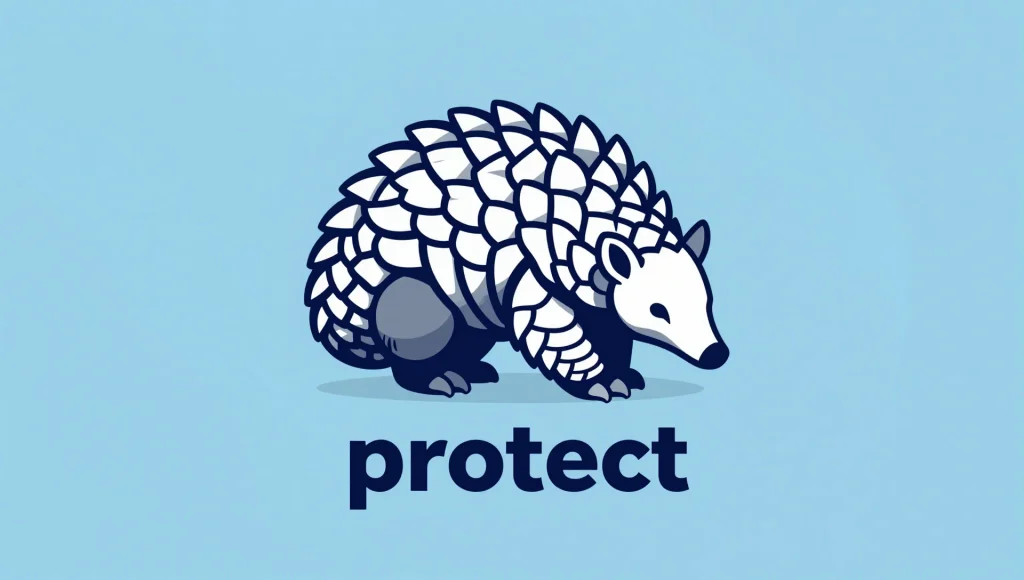
The armored body also reflects how pangolins have adapted to their environment over millions of years. Rather than relying mainly on speed or aggressive behavior, they use physical protection and defensive behavior to survive. Their scales do not make them completely invulnerable, but they provide an effective natural defense against many threats. Sadly, this remarkable armor cannot protect pangolins from humans, who are their greatest threat because of illegal hunting and wildlife trafficking.


