


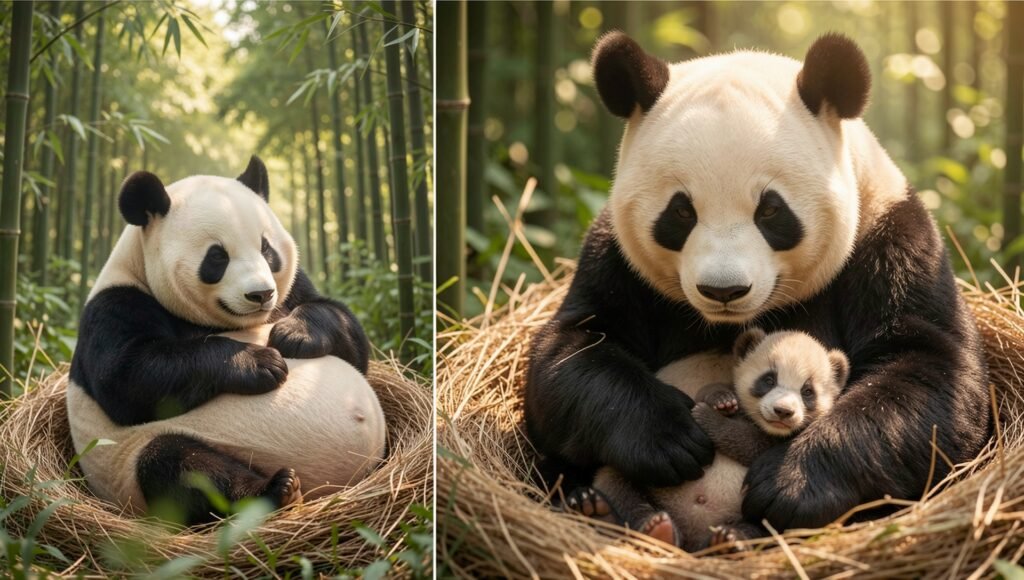
Panda Pregnancy and Birth
Understanding pregnancy, birth, and early maternal care is an important part of responsible panda conservation and professional animal care.
Introduction
Giant pandas have a highly specialized reproductive cycle. Female pandas are generally fertile for only a very short period each year, making successful breeding a carefully managed process in conservation programs.
Pregnancy and birth require close observation by experienced wildlife professionals and veterinarians. The mother should be provided with a quiet, secure environment where stress and unnecessary disturbance are minimized.
Panda Pregnancy
Giant panda pregnancy has a distinctive feature called embryonic diapause. After fertilization, development of the embryo may temporarily pause before implantation and further development.
Because of this reproductive process, determining the exact length of pregnancy can be difficult. The period from mating to birth can vary considerably, and veterinary teams may use behavioral observations, hormonal monitoring, and imaging techniques when appropriate.
Signs That May Be Observed
- Changes in activity and behavior.
- Changes in appetite or feeding patterns.
- Nesting or den-seeking behavior.
- Increased rest or changes in daily routines.
- Hormonal changes detected through professional monitoring.
Preparing for Birth
As birth approaches, professional caretakers prepare a suitable maternity environment. The area should be clean, secure, quiet, and designed to allow the mother to behave naturally.
The Birth of a Panda Cub
Giant panda cubs are extremely small at birth compared with their mothers. Newborn cubs are pinkish, largely hairless, and highly dependent on their mother.
The mother normally provides essential care immediately after birth. She keeps the cub close, helps maintain its warmth, and nurses it with milk.
Mother-Cub Bond
The relationship between a mother panda and her cub is especially important during the early weeks of life. The mother provides warmth, protection, grooming, and milk.
Care teams should avoid unnecessary handling of the mother or cub. Intervention should be based on established veterinary and conservation protocols rather than routine human contact.
Supporting the Mother
- Maintain a calm and secure environment.
- Provide appropriate nutrition and fresh water.
- Monitor the mother’s behavior and physical condition.
- Observe nursing and maternal behavior when appropriate.
- Maintain appropriate hygiene around the maternity area.
- Contact the veterinary team if unusual signs appear.
Care of the Newborn Cub
Newborn panda cubs are vulnerable and require constant maternal care. In managed conservation settings, trained staff may monitor the cub using appropriate methods while attempting to minimize disturbance.
- Monitor the cub’s general condition.
- Observe feeding and nursing behavior.
- Ensure appropriate environmental temperature.
- Watch for signs of weakness or abnormal behavior.
- Follow veterinary instructions for examinations or treatment.
Human Intervention
Human intervention should be carefully controlled. Excessive handling can cause stress and may interfere with natural maternal behavior. In professional facilities, any intervention should follow established animal-welfare and veterinary procedures.
Panda care involves specialized knowledge and should not be attempted by untrained individuals. For broader information about responsible panda care, see the related ebook page: How to Take Care of a Panda .
Why Panda Births Are Important
Successful panda births contribute to the conservation of the species. Because panda reproduction is naturally challenging, successful breeding programs can provide valuable opportunities for population management, scientific research, and conservation education.
Every birth should therefore be managed with a strong emphasis on animal welfare, maternal health, newborn survival, and long-term conservation goals.
Key Points
- Panda reproduction has a short annual fertile period.
- Embryonic diapause makes the reproductive timeline unusual.
- Pregnant females need a calm and secure environment.
- Newborn cubs are extremely small and dependent on maternal care.
- The mother provides warmth, protection, grooming, and milk.
- Professional veterinary monitoring is important when needed.
- Human handling should be minimized and carefully controlled.
- Responsible reproductive management supports panda conservation.


