




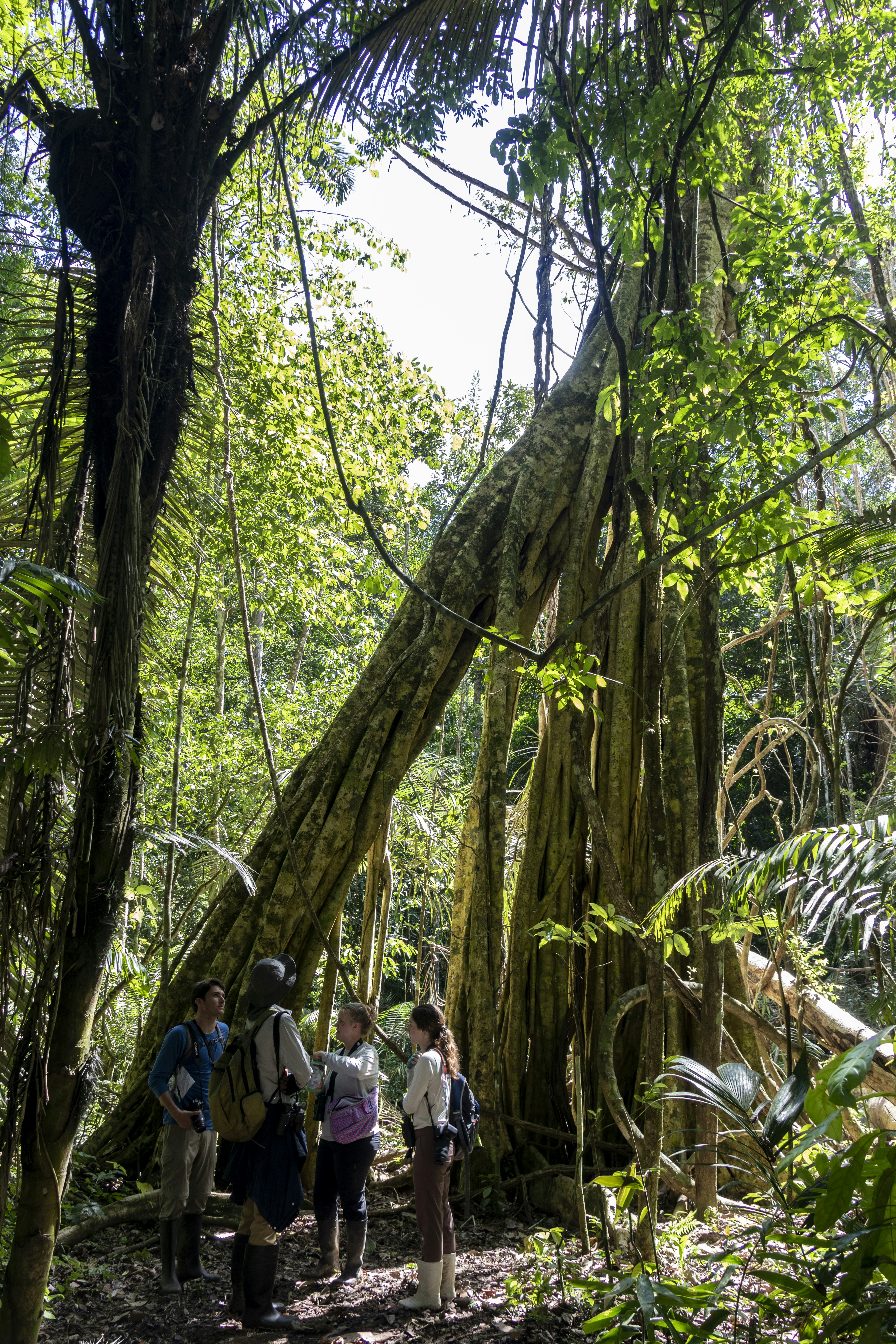
Introduction to Science and Nature
The realms of science and nature are intricately woven together, each influencing and enhancing our understanding of the other. Scientific research plays a crucial role in unraveling the complexities of the natural world, facilitating a deeper comprehension of ecosystems and the rich tapestry of biodiversity that they encompass. Each scientific inquiry—whether through biology, chemistry, geology, or environmental science—adds a layer of knowledge that illuminates the myriad interactions occurring within various habitats.
The interconnectedness of these fields has never been more apparent than in the context of environmental conservation. As we explore the facets of nature—ranging from the microscopic organisms that inhabit the soil to the grandiose landscapes of pristine forests—science enables us to appreciate the delicate balance that sustains life on Earth. In turn, these revelations underscore the importance of preserving our natural environments, as every species plays a pivotal role in maintaining the health and functionality of ecosystems.
The primary purpose of this blog post is to delve into the remarkable natural discoveries that exemplify the profound relationship between science and nature. By examining recent advancements in scientific research and how they relate to ecological conservation efforts, this article aims to foster a greater understanding of the vital role our planet’s biodiversity plays in human existence. Furthermore, it will highlight the pressing need for informed conservation practices to ensure a sustainable future for generations to come.
Significant Natural Science Discoveries
Throughout history, numerous groundbreaking discoveries in the realm of natural sciences have profoundly impacted our understanding of the world around us. These advancements in various fields, including geology, biology, and chemistry have not only reshaped scientific thought but have also provided critical insights into environmental conservation efforts.
One of the pivotal breakthroughs in geology is the theory of plate tectonics, which explains the movement of the Earth’s lithosphere. This theory has revolutionized our understanding of earthquakes, volcanic activity, and mountain formation, emphasizing the dynamic nature of our planet. The implications of plate tectonics extend beyond geology; they have also impacted environmental science by highlighting the interconnectedness of ecological systems and climate change.
In biology, the discovery of the structure of DNA by James Watson and Francis Crick has been one of the most significant natural science discoveries of the 20th century. Understanding the double helix structure of DNA has paved the way for advancements in genetic research, biotechnology, and conservation biology. These advancements have enabled scientists to better manage endangered species, restore ecosystems, and understand genetic diversity within populations, essential for the survival of species in changing environments.
Additionally, breakthroughs in chemistry, such as the synthesis of new materials like bioplastics, have also emerged as essential contributions to both science and conservation. These innovative materials reduce reliance on fossil fuels and help minimize environmental impact. Such discoveries provide practical solutions to pressing environmental issues, emphasizing the role of chemistry in fostering sustainable practices.
These significant natural science discoveries serve as a reminder of the continuous interplay between scientific exploration and environmental stewardship. As we further our understanding of the natural world, we are better equipped to address the challenges facing our environment and enhance conservation efforts for future generations.
The Role of Environmental Science in Conservation
Environmental science is a multidisciplinary field that integrates various scientific disciplines to address pressing environmental issues. This discipline plays a crucial role in biodiversity conservation by providing the necessary framework to understand ecosystems and the myriad factors threatening their integrity. With the escalating concern over species extinction, habitat degradation, and climate change, environmental science emerges as a vital ally in devising strategies aimed at mitigating these challenges.
One of the primary focuses of environmental science is the study of ecosystems and their interdependent relationships. By employing ecological assessments, scientists are better equipped to identify critical habitats and the species that rely on them. Understanding these connections allows for the application of targeted conservation efforts, ensuring the survival of both flora and fauna. A key component of these efforts involves climate modeling, which seeks to predict potential changes in environmental conditions and their impacts on wildlife and plant species.
The importance of environmental science extends beyond observational studies and theoretical frameworks. Through the integration of advanced technologies, such as Geographic Information Systems (GIS) and remote sensing, researchers are able to gather and analyze vast amounts of data. These tools assist in mapping biodiversity hotspots, monitoring ecosystem health, and assessing the efficacy of conservation initiatives. Furthermore, collaborative efforts between scientists, policymakers, and conservationists yield actionable frameworks that promote sustainable practices within communities and industries.
In essence, environmental science serves as the backbone of efforts aimed at conserving biodiversity. By harnessing scientific knowledge and innovative technologies, environmental scientists are not only capable of addressing current ecological challenges but are also committed to fostering a sustainable relationship between humanity and the natural world. The ongoing diligence in this field is vital for ensuring that future generations can appreciate and benefit from the rich tapestry of life on Earth.
Understanding Biodiversity and Its Importance
Biodiversity refers to the comprehensive variety of life, encompassing genetic, species, and ecosystem diversity. Each level plays a critical role in the overall health and functionality of our planet. Genetic diversity consists of the variations in genetic makeup among individuals within a species. This variation is essential as it underpins the adaptability and resilience of species in the face of environmental changes. For instance, a genetically diverse population of plants is more likely to withstand disease outbreaks and adapt to climate fluctuations than a homogenous population.
Species diversity pertains to the variety of species within a particular habitat or ecosystem. Higher species diversity often correlates with greater stability and resilience of ecosystems. When many different species inhabit an area, their interactions contribute to a balanced ecosystem, supporting processes like pollination, seed dispersal, and nutrient cycling. Ecosystem diversity, the third level, includes the variety of ecosystems present on Earth. Each ecosystem, be it a forest, grassland, river, or coral reef, has unique characteristics and supports specific wildlife, contributing to the planet’s overall biodiversity.
The importance of maintaining biodiversity cannot be overstated. Biodiversity is essential for ecosystem health, providing the necessary services that support human life, such as clean air, water, and fertile soil. It also has cultural, spiritual, and recreational significance for many communities. When ecosystems lose their biodiversity, they become less resilient and more susceptible to collapse, impacting food security, medicinal resources, and the quality of life. Conservation efforts aimed at protecting biodiversity are vital for sustaining these ecological functions and ensuring a stable future for all living organisms, including humans.
Ecosystem Sustainability: Challenges and Solutions
The concept of ecosystem sustainability is vital in maintaining the health and balance of our environment. Unfortunately, several challenges put this sustainability at risk, predominantly stemming from human activities. Pollution remains one of the most pervasive threats to ecosystems, impacting air, water, and soil quality. Contaminants from industrial processes, agricultural runoff, and plastic waste infiltrate natural habitats, severely affecting wildlife and plant life alike.
Furthermore, habitat destruction poses a significant challenge to ecosystem sustainability. Urbanization, deforestation, and land conversion for agriculture lead to the loss of biodiversity and the disruption of ecological processes. As habitats diminish, species face increased competition for resources, leading to population declines and heightened extinction risks.
Climate change is another significant stressor, altering ecosystems across the globe. Rising temperatures, shifting weather patterns, and increased frequency of extreme weather events create conditions that many species are ill-equipped to adapt to. The resulting effects, such as ocean acidification and sea-level rise, further endanger fragile ecosystems.
Despite these challenges, there are promising solutions aimed at promoting ecosystem sustainability. Scientific research plays a critical role in understanding the complexities of ecosystems and developing mitigation strategies. For instance, advancements in pollution control technologies and sustainable agricultural practices are pivotal in reducing environmental impacts.
Community initiatives, such as local conservation projects and citizen science, empower individuals to contribute to ecosystem health. By engaging communities in restoration efforts and environmental monitoring, these initiatives foster a sense of stewardship towards natural resources.
On a broader scale, global policies aimed at environmental protection, such as the Paris Agreement, facilitate international cooperation to address climate issues and promote sustainable development. Implementing these solutions will require concerted efforts across all sectors of society to ensure the longevity and vitality of our ecosystems.
Cutting-edge Earth Science Research
The realm of earth science encompasses various disciplines that strive to enhance our understanding of the planet’s complex systems, including geology, meteorology, and oceanography. Recent advancements in these fields have yielded significant insights into climate change, natural resources, and environmental conservation, serving as a vital foundation for future research.
In geology, researchers are employing innovative technologies such as remote sensing and Geographic Information Systems (GIS) to map geological features and monitor land-use changes. These technologies enable scientists to identify patterns in seismic activity and understand the impacts of natural disasters. For example, the study of earthquake-prone regions relies heavily on real-time data, leading to improved predictive capabilities that can mitigate risks to communities.
Similarly, in meteorology, the integration of artificial intelligence and machine learning algorithms into weather prediction models has dramatically improved the accuracy of forecasts. Scientists are now able to analyze vast amounts of meteorological data to assess climate patterns and extreme weather events more effectively. This newfound precision is crucial in preparing for natural disasters, ultimately saving lives and resources.
Oceanography also plays a critical role in earth science research by examining oceanic processes and their influence on global climate. Current research initiatives focus on the impact of temperature rise on marine ecosystems, including coral bleaching and the migration of fish species. These studies are essential for understanding how our oceans, which absorb a considerable amount of carbon dioxide, are responding to climate change and how such changes will affect biodiversity.
Through these advancements, earth science research not only enhances our comprehension of the planet’s systems but also informs crucial decision-making regarding environmental conservation. As scientists continue to explore the intricacies of our earth, these discoveries will provide foundational knowledge that can be harnessed to address pressing environmental challenges, ensuring a balanced and sustainable future for generations to come.
The Impact of Climate Change on Nature and Wildlife
Climate change represents one of the most pressing challenges facing the natural world today. The gradual rise in global temperatures, coupled with shifts in weather patterns, is profoundly affecting various ecosystems and the wildlife populations that inhabit them. Biodiversity is facing unprecedented threats as species struggle to adapt to changing conditions. The delicate balance of ecosystems is being disrupted, leading to cascading effects that can influence food webs and species interactions.
For instance, rising temperatures can result in habitat loss for many species. Polar bears, for example, rely on sea ice to hunt for seals, their primary food source. As climate change continues to thaw Arctic ice, these animals face increasing hardships in securing sustenance. Similarly, terrestrial creatures such as the red fox and the snowshoe hare are seeing alterations in their habitats and food availability, pushing them to adapt or face decline.
Furthermore, climate change contributes to altered migration patterns, which can lead to mismatches in species interactions. Birds migrating earlier in the season may arrive before their food sources are available, which can adversely affect their survival rates and reproduction. Such changes are not only significant for individual species but can also threaten entire ecosystems as biodiversity diminishes.
Scientists play a crucial role in monitoring these impacts and developing adaptive strategies. Research initiatives focused on climate change are pivotal in understanding its effects on wildlife. By using advanced technology such as satellite imaging and remote sensing, researchers can track changes in habitats, assess species populations, and identify areas most at risk. Conservation strategies are being devised to protect vulnerable species and habitats, ensuring the resilience of natural systems in the face of these environmental shifts.
Scientific Exploration and Its Influence on Conservation Efforts
Scientific exploration plays a pivotal role in conservation efforts by providing essential data and insights that drive environmental stewardship initiatives. Through field research and scientific expeditions, researchers gather vital information about ecosystems, species, and environmental changes. This information can then be utilized to inform conservation strategies and policy decisions aimed at safeguarding biodiversity.
Field research projects can take many forms, from studying the effects of climate change on polar bear populations in the Arctic to exploring the rich biodiversity of tropical rainforests. These scientific expeditions often aim to collect data that supports the creation of protected areas or the implementation of sustainable practices within impacted regions. A notable example is the role of the Global Biodiversity Information Facility (GBIF), which facilitates the sharing of data on species distributions worldwide. Such collaborations enhance our understanding of ecological patterns and support conservation by tracking biodiversity loss more effectively.
Furthermore, scientific organizations are instrumental in promoting conservation initiatives. They often collaborate with local communities and governments to develop education and outreach programs centered around environmental protection. For instance, organizations like the World Wildlife Fund (WWF) conduct extensive research that not only identifies critically endangered species but also proposes actionable steps to mitigate threats to these species, ultimately influencing legislative frameworks and conservation policies.
In summary, the intricate relationship between scientific exploration and conservation efforts exemplifies how rigorous research can lead to practical solutions for environmental challenges. The outcomes of scientific expeditions contribute valuable knowledge that guides conservation actions and reinforces the necessity of protecting our natural world for future generations. By prioritizing science in conservation, we can form a more sustainable relationship with nature, ensuring that its wonders are preserved.
Conclusion: The Path Forward for Science and Nature
Throughout this exploration of the interplay between science and nature, it has become increasingly clear that science plays a fundamental role in understanding the complexities of our natural environment. From studying biodiversity and ecosystems to investigating climate change, scientific research equips us with the knowledge necessary to navigate and address the pressing environmental challenges we face today. By leveraging innovative technologies and methodologies, we can uncover critical insights that guide conservation efforts and drive sustainable practices.
Additionally, the importance of community involvement cannot be overstated. Through educational outreach and local initiatives, communities are empowered to connect with their natural surroundings, fostering a sense of stewardship. Engaging local populations in conservation efforts not only enhances the effectiveness of these initiatives but also ensures that diverse perspectives are integrated into the decision-making processes. By working collaboratively with scientists, policymakers, and citizens, we stand a better chance of promoting environmental sustainability and biodiversity conservation.
Moreover, public policy must align with scientific findings to create effective environmental strategies. It is essential for policymakers to consider scientific research when drafting legislation that impacts our natural world. By prioritizing evidence-based policies, we can safeguard ecosystems and promote practices that enhance the preservation of our planet. Continued support for scientific research—across disciplines—will provide the tools needed to tackle environmental issues head-on and secure a healthier, sustainable future.
In conclusion, the path forward for science and nature relies on a multifaceted approach that incorporates scientific research, community engagement, and sound public policy. Together, these components can help us understand and protect our natural environment, ensuring a balanced coexistence between humanity and the earth’s delicate ecosystems.


