


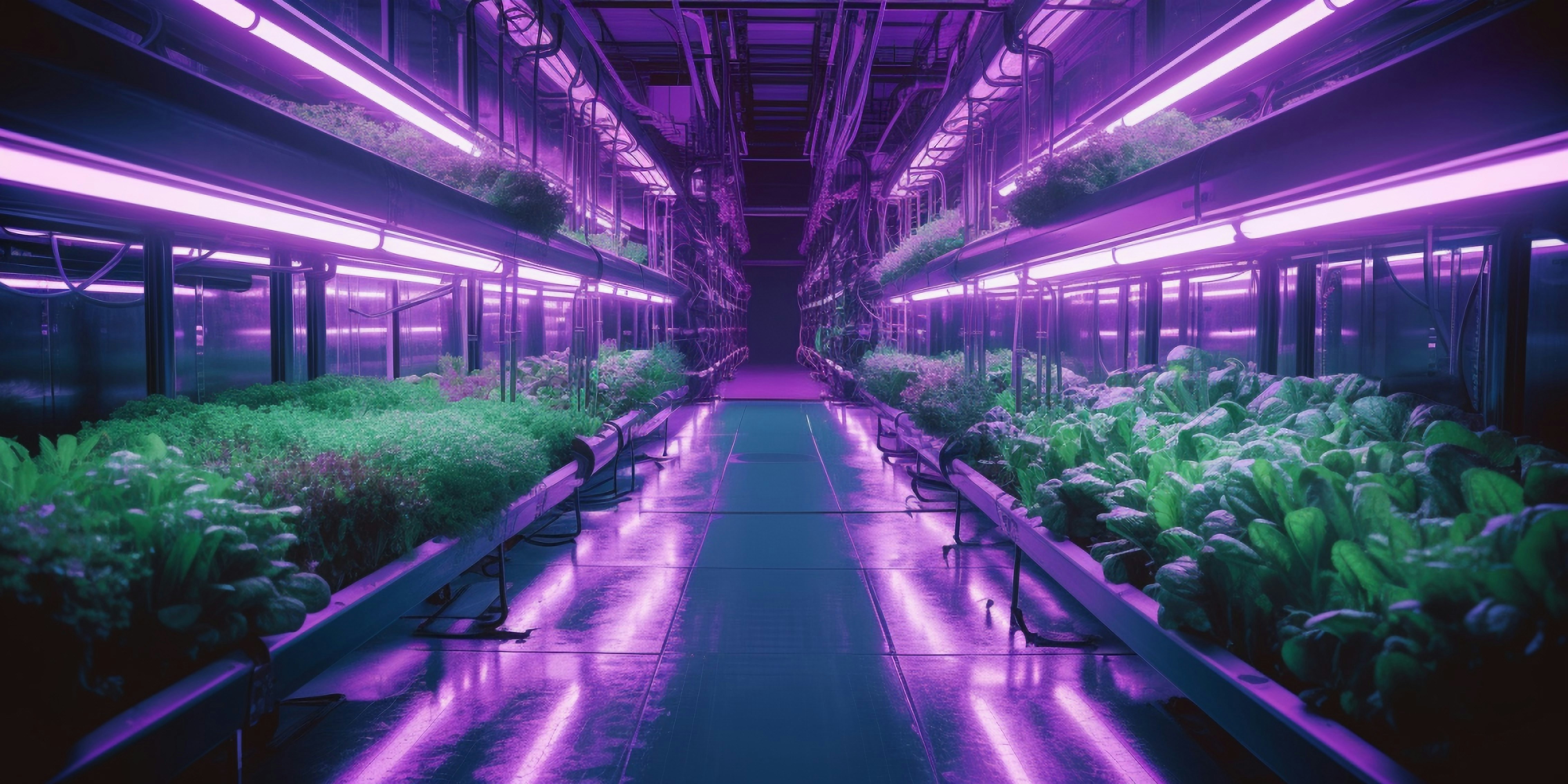
Introduction to Space Agriculture
Space agriculture is an emerging field that plays a pivotal role in the future of sustainable space travel. As humanity aims to extend its presence beyond Earth, the ability to produce food in space becomes essential, particularly for long-duration missions, such as those to Mars or establishing colonies on the Moon. The significance of space agriculture lies not only in the sustenance it provides but also in its potential to support the psychological and physiological well-being of astronauts.
Growing food in a microgravity environment has several benefits. First and foremost, it reduces dependency on frequent resupplies from Earth, which can be costly and logistically challenging. Traditional methods of resupplying food and supplies are inadequate for prolonged missions. Thus, the ability to cultivate crops onboard spacecraft or habitats promotes self-sufficiency, enhancing the feasibility of missions that could last for months or years.
Moreover, space agriculture contributes to the mental health of astronauts. Engaging in the process of planting, nurturing, and harvesting crops offers a sense of purpose, helping to alleviate feelings of isolation and monotony that can arise during extended missions. The presence of greenery and living organisms can also improve the overall environment within spacecraft, creating a more enjoyable and healthy atmosphere.
Research into space agriculture explores various aspects, including hydroponics, aeroponics, and closed-loop systems that mimic Earth’s ecosystem. These innovative agricultural techniques can ascertain optimal conditions for plant growth in space, taking into consideration factors such as nutrient delivery, water recycling, and artificial lighting. Understanding and mastering these technologies will be crucial in enabling humans to thrive off-planet, making space agriculture not just a practical solution, but a fundamental aspect of humanity’s future in exploration and habitation of outer space.
Microgreens: A Nutritional Powerhouse in Space
As space travel continues to evolve, the need for sustainable food sources in extraterrestrial environments becomes increasingly vital. Microgreens, the edible seedlings of various plants, present a compelling solution for space agriculture owing to their impressive nutritional profile and adaptability. These tiny greens are rich in vitamins, minerals, and antioxidants, making them a powerhouse of nutrition crucial for astronauts during extended missions.
One of the key advantages of cultivating microgreens in space is their rapid growth cycle. Typically, microgreens can be harvested within 7 to 21 days after germination, depending on the variety. This quick turnaround allows astronauts to have a continuous supply of fresh produce, which not only enhances their diet but also contributes to mental well-being through the incorporation of greenery into their living environment. Varieties such as radish, broccoli, and pea shoots are particularly popular choices, as they are known for their rich flavor and dense nutritional content.
The conditions of space present unique challenges, but microgreens thrive well in controlled environments, making them an ideal crop for space gardening. Their small size not only requires less space but also makes them easier to manage in the confined quarters of a spacecraft. Moreover, microgreens are capable of growing in various substrates, including soil and hydroponic systems, ensuring flexibility in cultivation methods. This versatility aligns perfectly with the innovative techniques required for sustainable agriculture in space.
Integrating microgreens into space travel not only addresses nutritional needs but also enhances the overall sustainability of life beyond Earth. As research continues into the best practices for growing these crops in microgravity, microgreens may play an essential role in the future of space travel, ultimately helping to cultivate a healthier and more sustainable lifestyle for astronauts on long missions.
The Versatility of Alfalfa Plants
Alfalfa plants (Medicago sativa) present a remarkable opportunity as a sustainable crop for space agriculture. Known for their high nutritional value, they are packed with essential vitamins and minerals that can support the health and well-being of astronauts during long-duration missions. The protein content of alfalfa is notably high, along with a wealth of vitamins A, C, E, and K, making it a superior food source that can be cultivated in confined environments like spacecraft or lunar bases, where nutritional diversity is critical.
Additionally, alfalfa’s status as a legume offers significant advantages for soil health. Legumes have the unique ability to fix atmospheric nitrogen into the soil through symbiotic relationships with root-nodulating bacteria. This process enhances soil fertility, pivotal for continuous crop production in closed-loop agricultural systems prevalent in space travel scenarios. With the reduction of dependency on external nitrogen fertilizers, alfalfa contributes to a self-sustaining ecosystem that is crucial for life support in extraterrestrial habitats.
Furthermore, alfalfa can be seamlessly integrated into hydroponic and aeroponic systems, which are optimal methods for space farming. These cultivation methods not only save precious water but also maximize growth within constrained habitats. By implementing a crop rotation plan that includes alfalfa, space farming systems can benefit from enhanced biological diversity, which ultimately increases resilience against pests and diseases. The adaptability of alfalfa allows it to thrive in various conditions, making it an excellent candidate for experimentation in extraterrestrial agriculture.
In conclusion, the versatility of alfalfa plants not only meets the dietary needs of astronauts but also fosters soil improvement and efficient farming techniques that are essential for sustainable agriculture in space. As research continues, alfalfa can play a vital role in ensuring the success of long-term human endeavors beyond Earth.
Challenges of Growing Food in Space
Growing food in space presents a unique set of challenges that differ significantly from agriculture on Earth. One of the primary obstacles is microgravity, which alters the growth patterns of plants and affects nutrient uptake. In a microgravity environment, plants struggle to orient themselves, complicating their ability to grow strong stems and roots. This can lead to stunted growth or even failure to thrive, necessitating innovative growth solutions.
Additionally, limited resources in space pose significant hurdles for sustaining agricultural practices. Water, light, and nutrient availability must be carefully managed, as resources are finite aboard space missions. This scarcity requires advanced agricultural systems that maximize efficiency and minimize waste. Hydroponics and aeroponics have emerged as promising techniques for mitigating these constraints. Hydroponics can grow plants in nutrient-rich water solution without soil, reducing the need for traditional agricultural inputs. Aeroponics takes this a step further by suspending plants in air and misting them with nutrients, allowing for rapid growth while using even less water.
Furthermore, the environmental conditions in space must be meticulously controlled to support plant life. Factors such as temperature, humidity, and carbon dioxide levels must be monitored and adjusted regularly. Failures in the environmental controls can jeopardize crop yields, making it imperative to devise reliable systems that ensure plant health throughout the duration of missions. Innovations in controlled environment agriculture (CEA) technology are essential to establishing sustainable food systems in space, paving the way for potential long-duration missions to distant planets.
As researchers continue to explore these challenges, addressing the complexities of space agriculture will be crucial for future space travel and human habitation beyond Earth.
The Role of the International Space Station (ISS) in Gardening Research
The International Space Station (ISS) serves as a unique laboratory for advancing our understanding of plant growth in space, making it instrumental in the field of space agriculture. Through a series of dedicated experiments, researchers study how microgravity affects various plant species. These investigations are crucial as they offer insights into how we can sustain human life during long-duration space missions.
One of the notable projects conducted on the ISS is the Veggie experiment, which investigates the growth of crops such as lettuce and radishes. Veggie was designed to assess how plants grow in a controlled environment, utilizing LED lighting to simulate sunlight and provide optimal growth conditions. Initial findings indicate that with proper care and monitoring, crops can flourish in microgravity, successfully producing edible plants for astronauts.
Another significant research initiative is the Advanced Plant Habitat (APH), which encompasses a larger volume for cultivating plants. The APH employs various technologies to create a conducive growing environment while continuously monitoring atmospheric conditions and plant responses. These efforts not only aid in understanding plant biology but also emphasize the importance of plant-based food systems for future space travel.
Moreover, the ISS hosts experiments that focus on the genetic and physiological changes within plants grown in space. Investigations into the aromatic profile and nutritional content of space-grown produce have produced promising results, revealing that space conditions could significantly alter plant characteristics. These findings are paramount as they inform future agricultural practices on long-term missions to Mars and beyond.
Ultimately, the ISS operates as a vital platform, facilitating research that enhances our knowledge of plant development in the unique environment of space. As we prepare for future endeavors of human exploration beyond Earth, the data gathered from these experiments will significantly influence the strategies we adopt for sustainable space agriculture.
Sustainable Practices in Space Farming
In order to cultivate crops in the challenging conditions of outer space, sustainable practices in space farming are paramount. These practices not only enhance the viability of food production but also promote environmental stewardship in space exploration. One such approach is the implementation of closed-loop systems. These systems effectively minimize waste by recycling resources within the agricultural environment. For example, plants can utilize the waste produced by other organisms, such as astronauts or bacteria, thereby creating a self-sustaining ecosystem. Closed-loop systems ensure that any organic waste is converted into nutrients that can be reused by the plants, reducing the need for external inputs.
Another crucial aspect of sustainable space agriculture is the recycling of waste products. In the zero-gravity environment of space, traditional waste management can become challenging. However, integrating waste recycling into the farming process can dramatically enhance sustainability. This may include composting organic waste or using advanced bioreactor technologies, where byproducts from food production serve as inputs for future crops. This circular approach not only conserves resources but also fosters a holistic environment where every element contributes to the overall system.
Energy-efficient technologies also play a significant role in promoting sustainable practices in space farming. LED lighting, for example, can be tailored to specific wavelengths that optimize plant growth while consuming minimal energy. Additionally, harnessing renewable energy sources—such as solar power—can create a more sustainable farming operation in space, further decreasing reliance on Earth-derived energy. By focusing on energy-efficient systems, space agriculture can thrive without exerting undue pressure on the limited resources available aboard spacecraft or space stations.
Psychological Benefits of Gardening in Space
The psychological effects of space travel on astronauts are well-documented, with long-duration missions posing significant mental health challenges. One promising solution to mitigate these issues is the practice of gardening in space, which can offer numerous psychological benefits. Engaging in the act of cultivating plants helps astronauts establish a connection with nature, an essential aspect that is often lacking in the sterile environment of a spacecraft.
Gardening in space has been shown to reduce stress, enhance feelings of well-being, and foster a sense of purpose among astronauts. The act of tending to plants encourages mindfulness, allowing astronauts to focus their thoughts and efforts away from the rigors of their mission. This immersion in gardening not only provides a mental break but also stimulates positive emotions, reinforcing their emotional resilience in challenging conditions.
Moreover, the responsibility of caring for plants creates a routine that can be beneficial for astronauts in maintaining their mental health. Establishing a daily ritual around gardening can lead to improved mood and reduced feelings of isolation during long missions. The visible growth of plants serves as a source of motivation and achievement, helping astronauts maintain hope and optimism throughout their endeavors in outer space.
There are also sociocultural benefits to gardening in space. Engaging in this activity promotes teamwork and collaboration among astronauts, fostering interpersonal connections and strengthening the communal bonds necessary for enduring the psychological strains of space travel. The act of gardening can be a rewarding shared experience, wherein astronauts can discuss their progress and share tips and challenges, thus enhancing collective morale.
In conclusion, integrating gardening into space missions may significantly improve the psychological well-being of astronauts. It serves not only as a means for sustaining food supplies but also as a vital tool in mitigating stress, fostering resilience, and enhancing interpersonal connections during prolonged stints in space.
Future Prospects of Space Agriculture
As humanity ventures further into space, the concept of space agriculture becomes increasingly vital. The successful cultivation of food in extraterrestrial locations will play a critical role in supporting long-duration space missions and potential colonization of planets such as Mars. This endeavor necessitates innovative approaches that integrate advanced biotechnology, hydroponics, and aeroponics to create sustainable agricultural systems capable of thriving in extraterrestrial environments.
One promising avenue for the future of space agriculture lies in the development of genetically modified organisms (GMOs) specifically designed for space conditions. These organisms could be engineered to withstand the harsh temperatures, radiation, and low gravity experienced on distant planets. Advances in gene editing technologies, such as CRISPR, have already shown potential for enhancing crop resilience and nutritional profiles. This biotechnological intervention could be foundational in ensuring a consistent and nutritious food supply for astronauts and settlers.
Moreover, research into closed-loop systems minimizes waste and maximizes resource efficiency, essential for sustainability in off-Earth habitats. By recycling water and organic materials, these systems can significantly reduce the need for resupply missions from Earth, thereby lowering costs and enhancing mission feasibility. As we continue to explore the cosmos, the integration of advanced robotics could also streamline agricultural practices. Automated systems could monitor plant growth, manage nutrient delivery, and optimize environmental conditions, allowing human occupants to focus on other critical tasks.
In summary, the future of space agriculture is set to be intrinsically linked to the broader ambitions of space exploration and colonization. Through innovative biotechnological solutions, sustainable practices, and advancements in automation, humanity can strive to become self-sufficient beyond Earth, paving the way for a new era of exploration and habitation across the universe.
Conclusion: The Importance of Space Agriculture for Humanity’s Future
As we explore the vast expanse of outer space, the significance of space agriculture emerges as a pivotal factor in ensuring sustainable space travel. The integration of agricultural systems in extraterrestrial environments is not merely an option; it is essential for the survival of humanity beyond Earth. The advancements in this field hold the potential to provide food security, reduce reliance on Earth for supplies, and enhance the overall feasibility of long-duration missions.
The development of space agriculture will facilitate the establishment of self-sufficient habitats, enabling astronauts to grow their food in controlled conditions. This shift from traditional reliance on pre-packaged supplies to in-situ food production is crucial for missions to Mars and beyond, where logistical challenges and resupply missions become increasingly complex and costly. By cultivating food in space, we can also unlock a deeper understanding of biological processes in varied gravitational conditions.
Furthermore, space agriculture has implications beyond mere sustenance. It fosters mental well-being among crew members by providing a connection to Earth and enhancing the overall quality of life in isolated environments. Growing plants can offer not only nourishment but also a semblance of normalcy and purpose during lengthy missions. As we envision a future where humanity becomes a multi-planetary species, the success of space agriculture will play a vital role.
The journey towards enabling human presence in space hinges on the continuous development and application of agricultural innovation. As our technological capabilities advance, the lessons learned from Earth-based practices can be adapted for space, paving the way for a sustainable future. In summary, the role of space agriculture cannot be underestimated as it is integral to humanity’s aspirations of exploring and eventually colonizing other planets, ensuring our survival and prosperity in the cosmos.


