




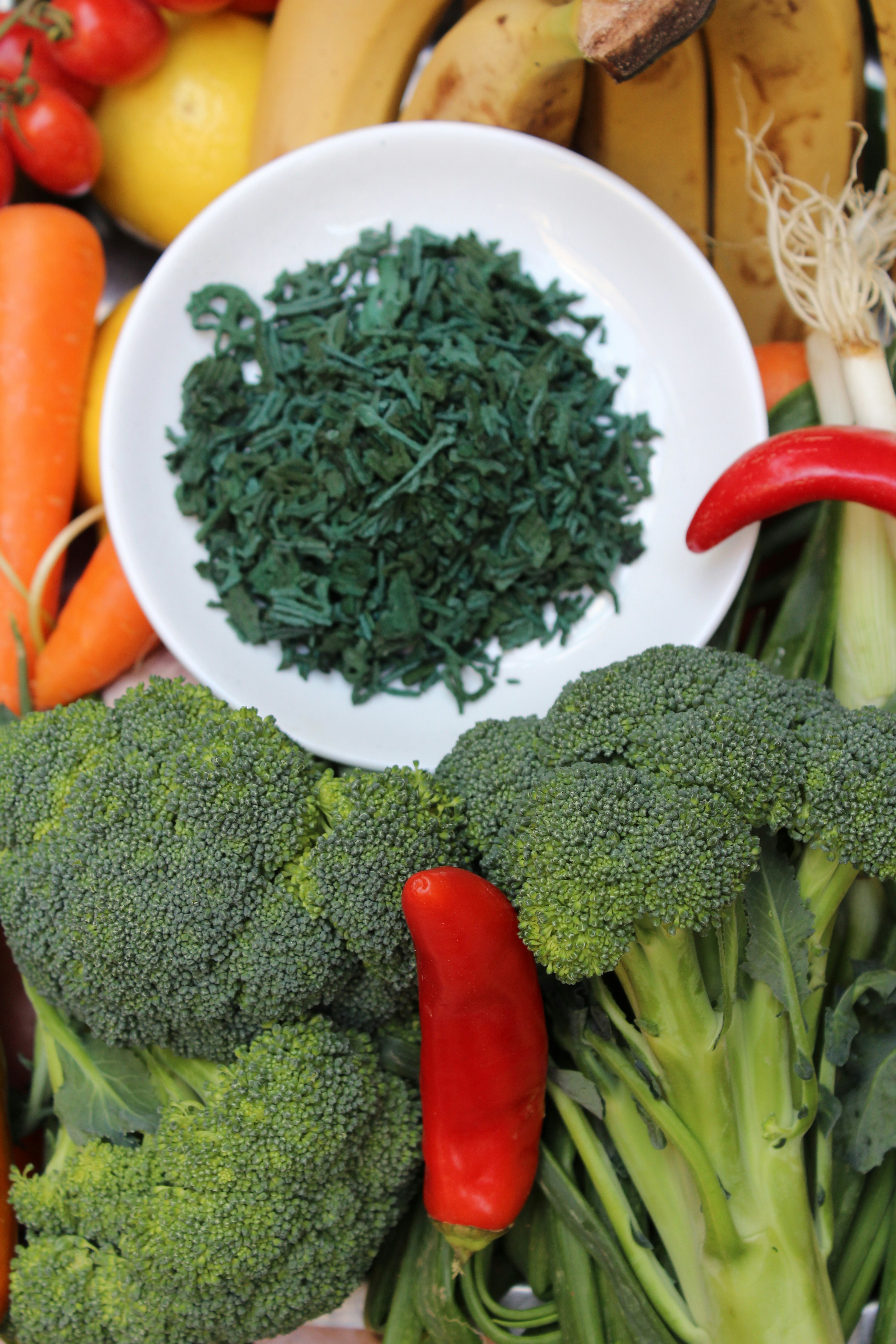
Introduction to Antioxidants
Antioxidants are molecules that inhibit the oxidation of other molecules, thereby preventing cellular damage caused by free radicals. Free radicals are unstable atoms that can contribute to oxidative stress, a harmful process that can lead to various chronic diseases, including cancer, heart disease, and neurodegenerative disorders. By neutralizing free radicals, antioxidants play a crucial role in maintaining cellular integrity and overall health. Antioxidents can help us to live long:
- 🧬 Protect Cells from Damage – Antioxidants help neutralize free radicals that can damage cells and speed up aging.
- ❤️ Support Heart Health – They reduce oxidative stress, which is linked to heart disease and improved cardiovascular longevity.
- 🧠 Protect Brain Function – Antioxidants may reduce the risk of neurodegenerative diseases like Alzheimer’s and support long-term cognitive health.
- 🛡️ Strengthen Immune System – They help the body fight infections and reduce chronic inflammation, supporting a stronger immune response.
- ⏳ Slow Down Aging Process – By reducing cellular damage, antioxidants contribute to healthier skin and slower visible aging.
- 🍎 Reduce Risk of Chronic Diseases – Regular intake is linked to lower risks of diabetes, cancer, and other long-term illnesses.
- 🔥 Decrease Inflammation – Chronic inflammation is linked to many age-related diseases, and antioxidants help control it.
- 🌿 Support Detoxification – They assist the body in neutralizing toxins and improving liver function.
- 🫀 Improve Blood Circulation – Better circulation supports organ health and overall longevity.
- 🥗 Found in Healthy Foods – Fruits, vegetables, nuts, and green tea provide natural antioxidants that promote long-term health and longevity.
There are three primary categories of antioxidants: vitamins, minerals, and phytochemicals. Vitamins such as vitamin C and vitamin E are well-known antioxidants. Vitamin C, a water-soluble vitamin, helps protect cells from oxidative damage and is essential for the maintenance of healthy connective tissue. Vitamin E, a fat-soluble vitamin, primarily protects cell membranes from oxidative damage, thereby supporting cellular function and overall health.
Minerals such as selenium and zinc also serve as important antioxidants. Selenium is vital for the activity of certain antioxidant enzymes, which help combat oxidative stress in the body. Zinc, on the other hand, plays a role in stabilizing cell membranes and facilitating proper immune response, thereby indirectly contributing to antioxidant defense mechanisms.
Phytochemicals, which are bioactive compounds found in plants, comprise another significant group of antioxidants. These compounds, including flavonoids and polyphenols, are known for their anti-inflammatory and immune-boosting properties. By incorporating a variety of fruits, vegetables, and whole grains rich in these phytochemicals, individuals can enhance their antioxidant intake and promote better health.
In summary, antioxidants are vital components in the fight against oxidative stress, and understanding their various types and functions can empower individuals to make informed dietary choices for a healthier lifestyle.
How Antioxidants Contribute to Health
Antioxidants are compounds that play a vital role in maintaining our health by combatting oxidative stress, which is caused by free radicals in the body. A diet rich in antioxidants can provide numerous health benefits, including improved immune function, reduced inflammation, and a lower risk of chronic diseases such as heart disease, cancer, and diabetes.
Research has shown that antioxidants can enhance immune response by helping to neutralize free radicals, thereby reducing the oxidative damage to immune cells. For instance, vitamin C, a well-known antioxidant, can boost the production of leukocytes, which are crucial for fighting infections. This indicates that including antioxidant-rich foods, such as citrus fruits, berries, and leafy greens in our diets may enhance our resistance to illnesses.
Moreover, antioxidants like flavonoids and carotenoids possess anti-inflammatory properties. Chronic inflammation is a contributor to a variety of health issues, including arthritis, cardiovascular conditions, and cancer. Studies have demonstrated that individuals who consume a diet high in antioxidants experience significantly lower levels of inflammation markers. Foods such as tomatoes, carrots, and colorful berries are rich in these compounds, and regularly incorporating them into meals can help mitigate inflammatory responses in the body.
Furthermore, research indicates that a diet abundant in antioxidants might lower the risk of developing chronic diseases. For example, several studies have found a correlation between high antioxidant intake and a reduced incidence of heart disease. The dietary antioxidants present in nuts, whole grains, and green tea could work collectively to protect heart health by improving endothelial function and lowering blood pressure.
Additionally, the protective effects of antioxidants against certain cancers are gaining recognition in the scientific community, with various studies suggesting that antioxidant-rich diets may inhibit tumor growth and promote cancer cell death. Incorporating a range of antioxidants into one’s diet, through a varied and colorful plate, can significantly contribute to long-term health benefits.
Top Antioxidant-Rich Foods
Antioxidants play a crucial role in protecting our bodies from oxidative stress and are vital for maintaining overall health. Many everyday foods are packed with these beneficial compounds. Below is a categorized list of some of the most antioxidant-rich foods.
Fruits: Berries are among the best sources of antioxidants. Blueberries, for instance, are known for their high levels of flavonoids, which help reduce inflammation and promote heart health. Other notable fruits include strawberries and blackberries, both rich in vitamin C and ellagic acid, contributing to their strong antioxidant properties.
Vegetables: Leafy greens such as spinach and kale are not only nutrient-dense but also offer a wealth of antioxidants. Spinach contains lutein and zeaxanthin, which are essential for eye health, while kale is rich in vitamins A, C, and K. Additionally, cruciferous vegetables like broccoli and Brussels sprouts boost the body’s defense systems thanks to their high levels of sulforaphane.
Nuts: Nuts are a delicious source of healthy fats and antioxidants. Walnuts, in particular, are noteworthy for their high levels of polyphenolic compounds, enhancing heart health and reducing inflammation. Almonds, on the other hand, provide vitamin E, which acts as a powerful antioxidant, contributing to skin health and heart wellness.
Grains: Whole grains like oats and quinoa are not just fiber-rich but also packed with antioxidants. Oats, for instance, contain avenanthramides, unique antioxidants that can lower blood pressure and reduce inflammation. Quinoa offers an array of phytonutrients while also being a complete protein source, making it a nutritious addition to meals.
Including these antioxidant-rich foods in your diet can significantly improve your health and well-being. Their diverse range of flavors and nutrients makes them easy to incorporate into daily meals.
Incorporating Antioxidants into Your Diet
Incorporating antioxidant-rich foods into your daily meals can be both simple and enjoyable. By carefully selecting ingredients, you can enhance your overall nutritional intake while adding vibrant flavors and textures to your dishes. One effective strategy is to plan your meals around a variety of colorful fruits and vegetables, as the diverse pigments often indicate high antioxidant levels. For instance, consider adding berries, such as blueberries and strawberries, to your morning cereal or yogurt. These not only provide a rich source of antioxidants but also contribute natural sweetness.
Another way to ensure you are consuming adequate antioxidants is to explore different cooking methods that help preserve nutrients. Steaming vegetables like broccoli, spinach, or kale can retain their potent antioxidant properties. Additionally, incorporating herbs and spices like turmeric, ginger, and rosemary can also enhance the antioxidant profile of your meals. These ingredients can be used in marinades, dressings, or as seasonings to elevate the flavor and the nutritional value significantly.
Snacking can also be an opportunity to increase your intake of antioxidants. Instead of reaching for processed snacks, consider choosing options like a handful of nuts, which are not only rich in healthy fats but also provide antioxidants. Alternatively, raw vegetables with hummus or a fruit salad can serve as delicious and fulfilling snacks.
Meal prep can further aid in your quest to incorporate more antioxidants. When preparing meals for the week, ensure that you include a variety of antioxidant-rich foods. Batch cooking soups or stews loaded with vegetables can be an efficient way to enjoy nutritious meals while saving time. By following these tips, you can effortlessly enhance your diet with antioxidant-rich foods, promoting better health through delicious and nutrient-packed culinary choices.
Antioxidant-Rich Smoothies and Juices
Incorporating smoothies and juices that are rich in antioxidants into your daily routine can significantly enhance your overall health. Antioxidants play a crucial role in combating oxidative stress, which is linked to various chronic diseases. Here are a few recipes that showcase vibrant flavors and nutrient density.
Berry Blast Smoothie
Ingredients:
- 1 cup mixed berries (blueberries, strawberries, raspberries)
- 1 banana
- 1 cup spinach
- 1 cup almond milk
- 1 tablespoon honey (optional)
- Combine all ingredients in a blender.
- Blend until smooth.
- Pour into a glass and enjoy!
Green Detox Juice
Ingredients:
- 1 cucumber
- 2 green apples
- 1 lemon (juiced)
- 1 cup kale
- 1 tablespoon fresh ginger
- Juice the cucumber, green apples, and kale using a juicer.
- Add lemon juice and ginger.
- Stir well and serve chilled.
Pineapple Turmeric Smoothie
Ingredients:
- 1 cup fresh pineapple
- 1 banana
- 1 teaspoon turmeric
- 1 cup coconut water
- 1 tablespoon chia seeds
- Combine all ingredients in a blender.
- Blend until fully integrated and smooth.
- Serve immediately for optimal freshness.
By including these antioxidant-rich smoothies and juices in your diet, you can enjoy a delicious way to support your body’s defense against free radicals. Regular consumption of these nutrient-packed beverages can contribute significantly to your healthy living goals.
Cooking Methods that Preserve Antioxidants
Exploring the relationship between cooking methods and antioxidant retention is essential for maximizing the health benefits of nutrient-rich foods. Antioxidants are vital components of a healthy diet, and understanding how to preserve their levels during preparation can significantly enhance overall wellbeing.
Steaming is one of the most effective cooking methods for retaining antioxidants. This technique involves cooking food over boiling water, which helps to minimize nutrient loss while enhancing flavors. Steamed vegetables, for instance, maintain a higher concentration of vitamins such as vitamin C and various phytonutrients compared to those boiled in water. The gentle heat from steaming helps to break down the cell walls of vegetables, making their antioxidants more bioavailable without subjecting them to the destructive effects of prolonged cooking.
Another beneficial method is microwaving. While some may have concerns about nutrient loss when microwaving food, this technique can actually preserve antioxidants quite well. The short cooking time and minimal use of water significantly reduce the leaching of nutrients. Research indicates that microwaving broccoli, for example, can retain a significant amount of its glucosinolate compounds, which are known for their antioxidant properties.
Raw consumption of fruits and vegetables is another way to ensure maximum antioxidant intake. Many fruits, such as berries and citrus, are packed with vitamins and antioxidants that can diminish when heated. Incorporating a variety of raw foods into your diet can provide a powerhouse of nutrients that support overall health.
Avoiding overcooking is crucial to preserving the antioxidant content in foods. High temperatures and prolonged cooking times can lead to significant nutrient degradation, ultimately reducing the health benefits of these foods. Therefore, individuals seeking to boost their antioxidant intake should consider appropriate cooking methods, such as steaming, microwaving, and raw consumption, to ensure they are reaping the maximum benefits from their meals.
Antioxidants and Skin Health
Antioxidants play a crucial role in maintaining skin health, primarily by combating oxidative stress caused by environmental factors such as pollution and UV radiation. These factors can lead to premature aging, characterized by wrinkles, fine lines, and a dull complexion. Antioxidant-rich foods help neutralize free radicals, thereby reducing cellular damage in skin cells and promoting a youthful appearance.
Fruits and vegetables rich in vitamins C and E are particularly beneficial for skin health. For example, citrus fruits such as oranges and grapefruits contain high levels of vitamin C, which is vital for collagen synthesis. Collagen is a structural protein that helps maintain skin elasticity and firmness. Furthermore, berries like blueberries and strawberries are packed with vitamin C and other antioxidants that can enhance cellular repair and rejuvenation.
In addition to vitamins, other antioxidants like beta-carotene, found in carrots and sweet potatoes, contribute to skin protection by promoting a healthy complexion. Beta-carotene is converted into vitamin A in the body, which is essential for skin cell production and repair. Nuts and seeds, particularly those rich in vitamin E, such as almonds and sunflower seeds, also provide significant skin benefits. Vitamin E acts as a powerful antioxidant that helps protect skin cells from UV damage and other environmental stressors.
Moreover, incorporating green tea into one’s diet is an effective means to enhance skin health. Green tea contains catechins, which have been shown to provide photoprotection and reduce the risk of skin cancer while also improving skin hydration and elasticity. Regular consumption of these antioxidant-rich foods not only boosts overall health but also significantly supports skin vitality and resilience.
Addressing Common Myths about Antioxidants
Antioxidants are widely recognized for their health benefits, yet there remains a considerable amount of misinformation surrounding their sources and efficacy. One prevalent myth is the belief that antioxidant supplements are superior to obtaining these nutrients through whole foods. This misconception often leads individuals to prioritize pills over a balanced diet, which can undermines the overall approach to health. Research has shown that while supplements might offer concentrated doses of antioxidants, they can lack the synergistic benefits found in whole foods, including vitamins, minerals, and fiber.
Whole foods such as fruits, vegetables, nuts, and whole grains provide a diverse array of antioxidants that work together to combat oxidative stress more effectively than isolated supplements. For instance, the combination of vitamin C and E found in various fruits and vegetables not only contributes to enhanced antioxidant activity but also boosts the body’s immune response. This synergy is often lost in supplement form, which may lead consumers to misjudge the role of antioxidants in their health regime.
Another myth revolves around the idea that consuming large quantities of antioxidant-rich foods or supplements will guarantee improved health outcomes. In reality, moderation and balance are key. An excessive intake of antioxidants can lead to adverse effects, such as reducing the body’s natural oxidative processes, which are vital for cellular function. Moreover, it is important to note that a healthy diet encompasses more than just antioxidants; it should include a variety of nutrients vital for overall health.
In addressing these misconceptions, it becomes evident that focusing on a nutrient-rich diet rather than relying solely on supplements is crucial. By prioritizing whole foods, individuals not only ingest a spectrum of antioxidants but also enjoy the myriad of additional nutrients that work in harmony to promote health and well-being. Ultimately, embracing a holistic approach to nutrition will foster a more effective strategy for enhancing overall health through the power of antioxidants.
Conclusion: Making Antioxidants a Part of Daily Living
In summary, the incorporation of antioxidants into our daily diets presents a significant opportunity to enhance overall health and well-being. Throughout this discussion, we have explored the myriad benefits that antioxidants provide, ranging from combating oxidative stress to bolstering the immune system. These remarkable compounds, found abundantly in various nutrient-rich foods such as fruits, vegetables, nuts, and whole grains, play a crucial role in protecting cells from damage and promoting longevity.
By prioritizing a diet rich in antioxidants, individuals can take proactive steps towards reducing the risk of chronic diseases, including heart disease, cancer, and neurodegenerative disorders. Emphasizing the consumption of colorful fruits and vegetables not only enhances nutritional intake but also fosters a diverse and enjoyable eating experience. Furthermore, as antioxidants come in various forms, it is vital to incorporate a wide array of foods to ensure a comprehensive intake of these essential nutrients.
To facilitate this lifestyle change, consider creating meal plans that feature antioxidant-rich ingredients. Experimenting with new recipes, incorporating a variety of produce, and leaning towards whole food options are practical ways to enhance your antioxidant consumption. Moreover, educating oneself on antioxidant sources can empower individuals to make better-informed dietary choices.
In light of the considerable benefits associated with antioxidants, it is prudent for readers to assess their current dietary habits. Assessing and adjusting food choices to incorporate more antioxidant-rich foods can lead to improved health outcomes. By making these dietary changes, individuals can not only enjoy a more vibrant and healthier lifestyle but also contribute positively to long-term health and vitality.


