


Introduction to Health Care Innovation
Health care innovation refers to the systematic development and application of new ideas, methods, and technologies aimed at improving the context of health delivery. This encompasses medical devices, treatment protocols, and healthcare delivery systems, all designed to enhance patient outcomes and streamline processes within medical facilities. The significance of health care innovation is underscored by its capacity to address critical challenges such as rising healthcare costs, limited access to care, and the need for improved patient management.
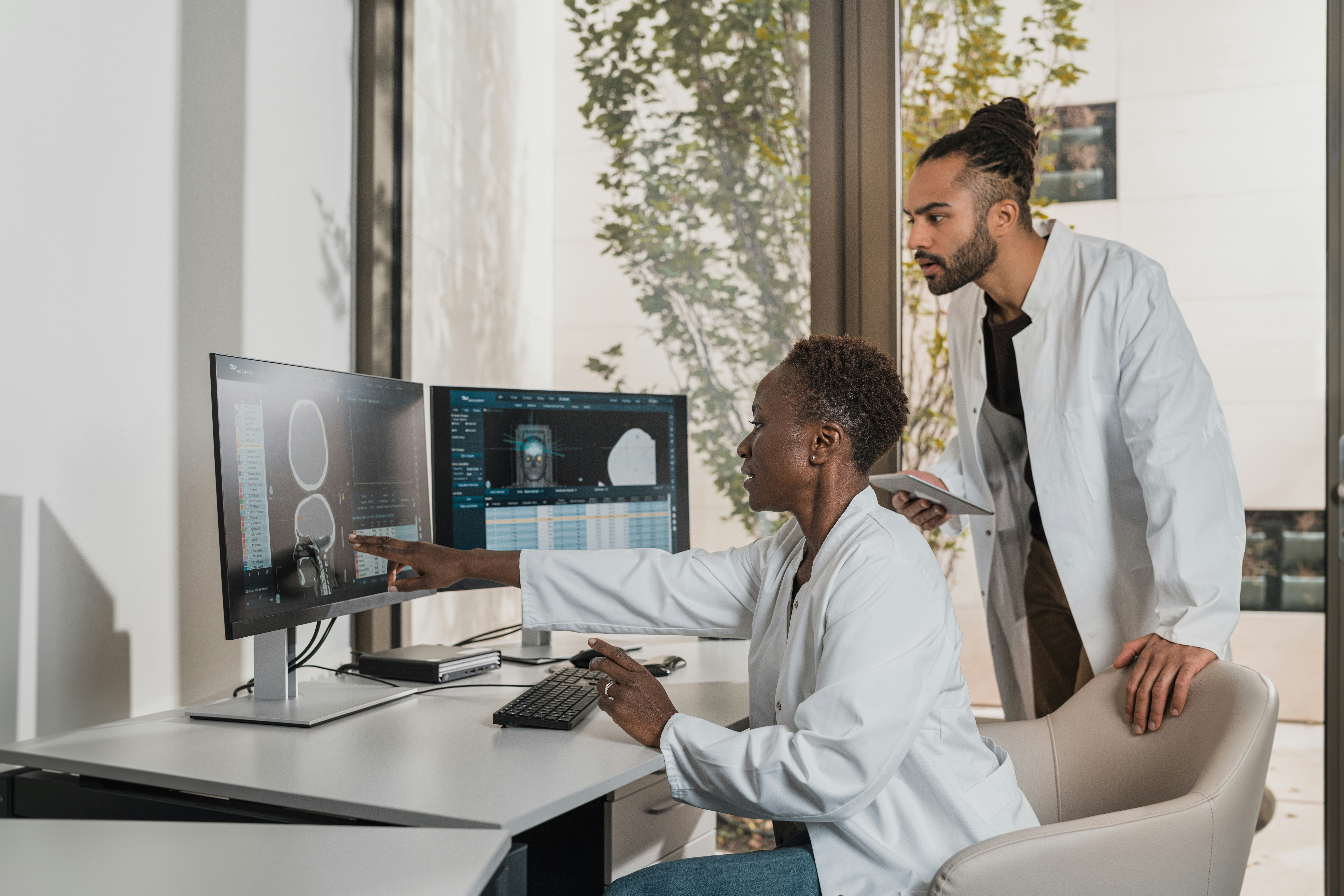
The intersection of engineering and medicine serves as a fertile ground for innovation. Engineers bring analytical and technical skills that can be applied to develop new medical technologies, such as advanced imaging systems or robotic surgical tools. Meanwhile, healthcare professionals provide insights regarding clinical needs and patient interactions, enabling engineers to create solutions that are not only effective but also user-friendly and aligned with real-world practices. As such, collaboration between these two fields can lead to groundbreaking advancements that foster a proactive approach to patient care.
Moreover, health care innovation can foster a culture of continuous improvement among healthcare providers. The adoption of data-driven approaches, for instance, allows medical institutions to analyze patient outcomes systematically and identify areas for improvement. Through these methods, organizations can implement strategies that enhance service delivery, optimize resource allocation, and elevate the overall quality of care.
In conclusion, health care innovation, driven by the synergistic relationship between engineering and medicine, holds significant potential to transform the healthcare landscape. By harnessing the strengths of both domains, health care systems can evolve to meet the demands of modern society, ensuring that patient care is not only effective but also efficient and accessible to a wider population.
The Role of Engineering in Healthcare
Engineering disciplines play a pivotal role in the advancement of healthcare technologies, promoting innovation and enhancing patient care. Biomedical engineering, for instance, combines principles of engineering with biological sciences to develop medical devices and diagnostic tools that save lives. Innovations such as MRI machines, artificial limbs, and drug delivery systems exemplify the transformative impact of this field on patient healthcare.
Mechanical engineering also significantly contributes to the medical landscape by designing and manufacturing state-of-the-art medical equipment. Surgical robots, designed by mechanical engineers, allow for minimally invasive procedures, improving recovery times and reducing the risk of complications. These robots offer greater precision and control, enabling surgeons to perform intricate operations with enhanced safety.
Software engineering, on the other hand, is equally critical in facilitating healthcare innovations through the development of electronic health records (EHRs), telemedicine platforms, and medical software applications. The integration of data analytics into patient management systems supports healthcare providers in making informed decisions. For example, predictive algorithms assist in identifying potential health risks, allowing for timely interventions that can improve patient outcomes.
Additionally, engineering innovations contribute to healthcare accessibility and efficiency. Technologies such as wearable health monitoring devices empower patients by providing real-time insights into their health conditions. These devices track vital signs, enabling proactive health management and fostering better communication between patients and healthcare providers.
In conclusion, the collaborative efforts between various engineering disciplines and the medical field have led to groundbreaking advancements that enhance healthcare delivery. By leveraging engineering principles, healthcare can continually evolve, leading to improved patient care, efficiency, and overall health outcomes.
Case Studies: Successful Engineering and Medicine Collaborations
The intersection of engineering and medicine offers fertile ground for innovation, driven by collaborations that address complex health challenges. One notable case study is the development of the portable ultrasound device by a team at Stanford University. Initially, healthcare providers faced difficulties diagnosing various conditions in remote and resource-limited settings due to the lack of accessible diagnostic tools. Engineers collaborated with physicians to create a compact and cost-effective ultrasound, integrating digital imaging technology with user-friendly software. This innovation improved diagnostic capabilities and streamlined patient care, facilitating immediate responses in emergency and rural environments.
Another significant example is the collaboration between biomedical engineers and surgeons at Johns Hopkins University, focusing on the design of a smart surgical tool for intraoperative guidance. Surgeons often encounter challenges during complex operations, particularly in distinguishing healthy tissue from malignant cells. By leveraging machine learning and real-time imaging techniques, engineers worked alongside medical professionals to create an augmented reality system that enhances visualization during surgery. This approach has led to improved surgical outcomes, reduced operation times, and enhanced safety for patients.
A further illustration comes from the partnership of engineers and cardiologists in developing bioresorbable stents. Traditionally, metal stents pose long-term complications and the risk of restenosis. Engineers collaborated with cardiologists to pioneer a stent made from a bioresorbable polymer that gradually dissolves after fulfilling its purpose. This innovation has not only improved patient recovery times but also significantly reduced the long-term risks associated with metallic stents, showcasing how engineering can transform medical practices.
These case studies underscore the profound impact of synergistic efforts between engineering and medicine. By pooling expertise, both fields can devise solutions that improve healthcare delivery and patient outcomes, emphasizing the importance of such collaborations in today’s rapidly evolving medical landscape.
Innovative Technologies in Healthcare
The convergence of engineering and medicine has given rise to a multitude of innovative technologies that are transforming the healthcare landscape. One of the most notable advancements is telemedicine, which allows for remote diagnosis and treatment through digital communication technologies. This approach not only increases access to healthcare, especially in rural or underserved areas, but also enhances patient convenience and reduces the time required for consultations.
In addition to telemedicine, wearable health devices have gained significant traction in recent years. These devices, including smartwatches and fitness trackers, monitor vital signs and collect health-related data in real-time. By enabling individuals to track their health metrics, wearable devices empower patients to take proactive roles in managing their health, while also supplying healthcare providers with valuable information that can improve treatment outcomes.
Robotic surgery is another groundbreaking innovation resulting from the intersection of engineering and medicine. Utilizing highly advanced robotic systems, surgeons can perform intricate procedures with unprecedented precision and minimal invasiveness. This technology not only reduces recovery times and postoperative pain for patients but also enhances the overall effectiveness of surgical interventions.
Artificial Intelligence (AI) has further revolutionized healthcare diagnostics. Through machine learning algorithms and sophisticated data analysis, AI systems are capable of interpreting medical images more accurately than traditional methods. This capability facilitates early disease detection, significantly improving chances of successful treatment. AI-driven diagnostic tools are now indispensable in various specialties, proving essential for enhancing patient care and streamlining healthcare processes.
Each of these technologies exemplifies how the union of engineering and medicine fosters a culture of innovation. By harnessing engineering advances, healthcare systems can improve patient outcomes, streamline processes, and ultimately contribute to an environment that promotes better health for all.
Challenges in Merging Engineering with Healthcare
The integration of engineering solutions within the healthcare sector presents a myriad of challenges that must be addressed to realize the full potential of medical innovation. One significant obstacle is the complex regulatory environment governing medical devices and healthcare technologies. These regulations are necessary to ensure patient safety and effectiveness but can pose considerable delays and added costs for engineering initiatives looking to enter the market. Navigating this regulatory landscape demands a thorough understanding of both engineering and healthcare frameworks, often requiring specialized knowledge that not all engineers possess.
Furthermore, clinical environments add another layer of complexity. Healthcare settings, such as hospitals and clinics, are dynamic and multifaceted, requiring solutions that are not only technologically advanced but also user-friendly for diverse medical staff. Patients, caregivers, and clinicians handle diverse tasks in high-pressure conditions, indicating that any new engineering solution must seamlessly integrate into existing workflows to gain acceptance and usage. Failure to account for these operational realities can lead to inadequate adoption of innovative engineering products.
Additionally, the necessity for multidisciplinary training in merging engineering and medicine cannot be overstated. Effective collaboration between engineers, medical professionals, and regulatory experts is essential, yet educational systems often compartmentalize these fields. Bridging the knowledge gap through dedicated training programs that encourage interdisciplinary learning is critical. Engineers need insights into clinical needs and considerations, while healthcare professionals require foundational knowledge of technological advancements and engineering principles to facilitate effective collaboration. This lack of cohesive training programs can hinder the integration process, stifling the innovative potential that could arise from stronger partnerships between the two disciplines.
The Future of Health Care Innovation
As we look ahead, the intersection of engineering and medicine is set to redefine health care innovation across numerous fronts. Innovations such as nanotechnology, personalized medicine, and the Internet of Things (IoT) are poised to revolutionize how healthcare is delivered and experienced by patients.
Nanotechnology, for instance, holds the potential to enhance drug delivery systems, enabling medications to act precisely at the cellular level, thus minimizing side effects and improving treatment efficacy. This advancement signifies a shift towards more tailored therapeutic approaches that could significantly alter treatment protocols, particularly in areas such as oncology and chronic disease management. As research and investment in this field continue to grow, we may witness groundbreaking applications that transform patient outcomes.
Furthermore, personalized medicine is becoming increasingly prominent, driven by an understanding that individual genetic and molecular profiles can lead to more effective interventions. By leveraging big data and advanced analytics, healthcare providers can better predict response to treatments and identify at-risk populations, enabling a more proactive approach to disease prevention and management. This shift toward customized healthcare solutions will not only enhance efficacy but also improve the overall patient experience.
Moreover, the incorporation of IoT in healthcare introduces an era of connected devices that continuously monitor patient health metrics. This capability allows for real-time data collection, empowering healthcare providers to make informed decisions and timely interventions. The growing acceptance of wearable technology and telemedicine will further promote remote monitoring and patient engagement, leading to enhanced access to care.
The future of health care innovation, therefore, appears poised on a precipice of transformative change, with engineering advancements fundamentally altering the landscape of medical practice and patient care. Embracing these innovations will be critical as healthcare systems strive to meet the evolving needs of populations worldwide.
The Importance of Interdisciplinary Education
Interdisciplinary education plays a pivotal role in fostering innovation in health care by bridging the gap between engineering and medicine. As health care challenges become increasingly complex, it is essential for professionals from diverse educational backgrounds to collaborate and share expertise. Programs that integrate engineering with medical studies can cultivate a workforce adept at developing innovative solutions that enhance patient care and medical technology.
One key curriculum model encouraging this collaboration is Project-Based Learning (PBL). In PBL, students work on real-world problems that require input from both engineering and medical perspectives. This hands-on approach not only enriches the learning experience but also instills a sense of responsibility and teamwork. For instance, a project involving the design of a new medical device may require engineering students to understand human anatomy and medical requirements, while medical students gain insights into the technological capabilities and limitations of engineering solutions.
Moreover, interdisciplinary training programs can include joint workshops, internships, and joint degrees that provide students with a comprehensive understanding of both fields. Such collaborations enable students to develop critical skills, such as empathy, communication, and problem-solving, which are essential for effective teamwork in clinical and engineering environments. By fostering a culture of collaboration, educational institutions can prepare the next generation of innovators ready to tackle the pressing challenges of health care.
Integrating engineering and medical education also enhances students’ professional network, exposing them to diverse career paths. As graduates emerge, they are more likely to pursue roles that emphasize teamwork and collaboration, further advancing health care innovation. By fostering interdisciplinary opportunities, we lay the groundwork for a more effective and efficient health care system that ultimately benefits society as a whole.
Policy and Investment for Health Innovation
The intersection of healthcare and engineering is witnessing remarkable innovations, largely driven by supportive policies and strategic investments. Government grants play a critical role in fostering health care innovation by providing essential funding for research and development initiatives. These grants enable startups and established firms alike to explore new technologies and treatments that could revolutionize patient care.
In recent years, there has been a notable increase in funding opportunities, particularly for projects that align with national healthcare priorities. Such initiatives not only encourage more extensive research but also promote collaborations among academic institutions, healthcare providers, and private sector companies. This collaborative spirit accelerates the transition of innovative ideas from concept to clinical application, ultimately benefiting patient outcomes and healthcare systems.
Private investments are equally crucial in cultivating an environment ripe for innovation. Venture capital firms and angel investors are increasingly focusing on companies that bridge the gap between engineering and healthcare. By channeling resources into promising startups, these investors provide the necessary capital to facilitate prototype development and market entry. This influx of private funding has been instrumental in driving advancements in biotechnology, medical devices, and health informatics.
Furthermore, supportive healthcare policies foster an atmosphere conducive to innovation. Regulations that encourage clinical trials, streamline approval processes for new technologies, and ensure fair reimbursement models for innovative treatments are essential. Policymakers must prioritize creating frameworks that not only incentivize innovation but also ensure that emerging technologies are accessible to patients in need.
Overall, the synergy of government support, private investment, and progressive healthcare policies plays a pivotal role in accelerating health care innovation. By fostering a collaborative environment among engineers, clinicians, and investors, we pave the way for groundbreaking advancements that enhance healthcare delivery and patient outcomes.
Conclusion: The Way Forward
In the realm of health care, the dynamic interplay between engineering and medicine has proven to be a catalyst for groundbreaking innovation. As we have explored throughout this discussion, the fusion of these two fields has not only led to the development of advanced medical technologies but has also paved the way for improved patient outcomes. By embracing collaborative practices, we can harness the power of engineering solutions to address prevalent health challenges effectively.
Investment in interdisciplinary partnerships is essential as we look to the future of health care innovation. The collective expertise of engineers and medical professionals can bridge gaps in understanding, ultimately leading to enhanced techniques for diagnosis, treatment, and patient care. The advancements in medical devices, telemedicine, and data analytics are a testament to what is achievable through mutual cooperation and shared resources.
Furthermore, fostering an environment that encourages ongoing dialogue between stakeholders is vital. Research institutions, hospitals, and private organizations must work hand in hand to cultivate a culture of innovation. Encouraging emerging talent in both engineering and medical fields to collaborate from the outset will ensure that long-term sustainable solutions can be developed.
As we move forward, the critical path ahead involves embracing technology, enhancing education pathways, and promoting regulatory frameworks that support innovation. It is imperative that we remain committed to this partnership between engineering and medicine to truly harness the potential for advancing health care systems globally. The synergy of these disciplines will undoubtedly lead us to a healthier future, revolutionizing the ways we approach health care challenges and improve lives. The continuous investment in these collaborative efforts will be the cornerstone of progress in health care innovation.


