




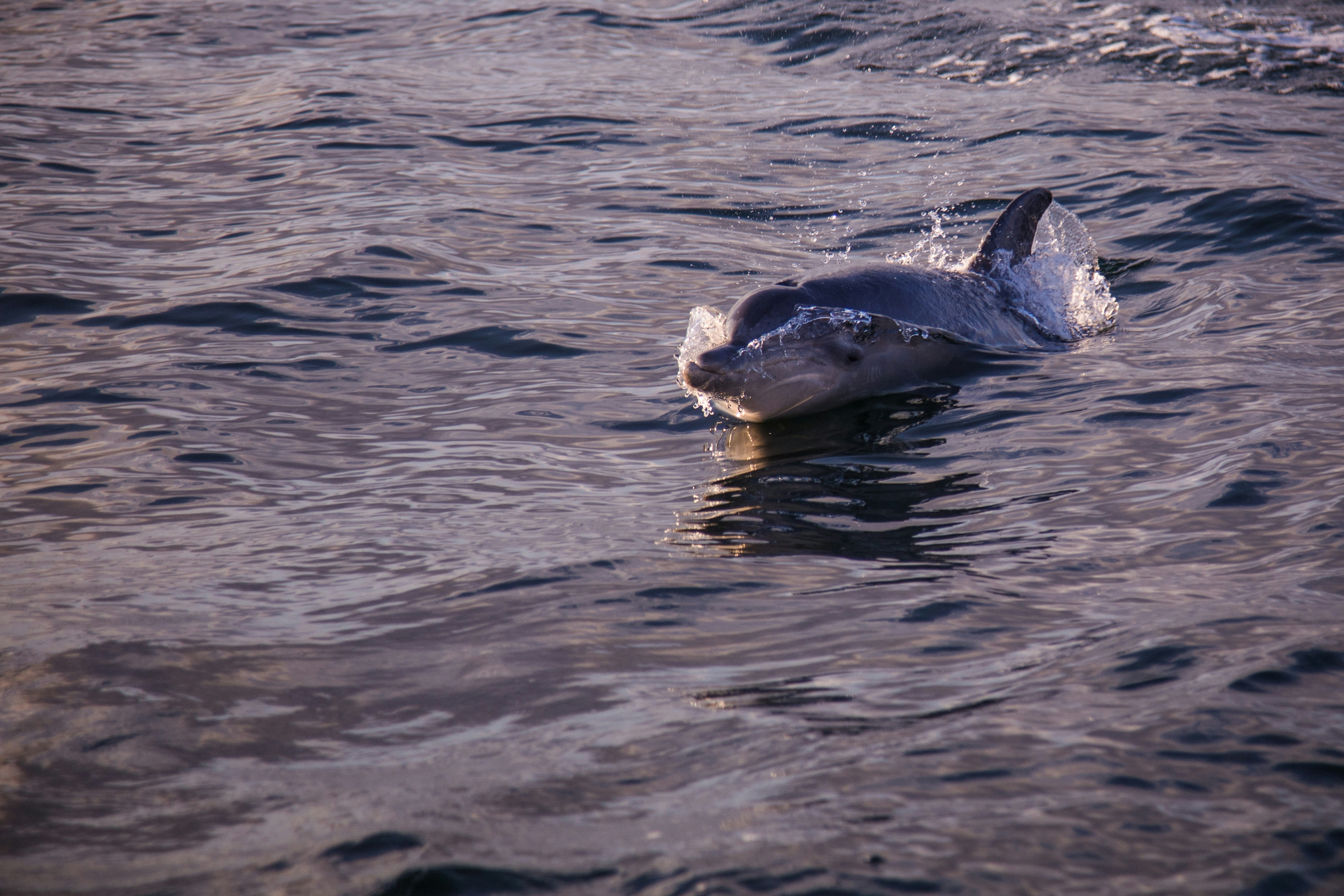
Introduction to Climate Change and Marine Life
Climate change has emerged as a significant force shaping marine ecosystems around the globe. The gradual increase in global temperatures has profound implications for oceanography, affecting various marine species and their habitats. One of the most critical aspects of this climate-driven transformation is the rise in ocean temperatures, which disrupts established marine food webs and alters the distribution of marine life.
As the planet’s temperatures continue to rise, the oceans absorb a substantial amount of this excess heat. This phenomenon leads to thermal stratification where warmer waters sit atop cooler, denser layers, fundamentally changing the oceanic environment. These temperature increases can cause coral bleaching, disrupt fish spawning, and lead to shifts in plankton availability—all of which are vital components of marine ecosystems. When the foundational elements of the food web are disrupted, the effects cascade through the ecosystem, affecting predator-prey relationships and species survival.
Furthermore, changes in ocean temperature can lead to shifting ranges for many marine species, prompting them to migrate to cooler waters. This shift is causing significant changes in species distributions and can result in competition among various marine species for limited resources. Species that were once confined to warmer waters, such as certain dolphins, are now venturing into colder habitats, leading to alterations in marine biodiversity and ecosystem functioning.
The impact of climate change on marine life highlights the interconnectedness of ecological systems. As ocean conditions continue to shift, it is crucial to monitor these changes and assess their implications, not only for the species affected but also for the broader marine environment.
Understanding Dolphin Habitats and Ranges
Dolphins are highly adaptable marine mammals, typically thriving in warm and temperate waters across the globe. Historically, their habitats have predominantly been in regions ranging from tropical seas to temperate coastal waters. These coastal environments often provide the necessary conditions for various dolphin species, including sufficient food sources and shelter from extreme weather. Species such as the bottlenose dolphin are commonly found in shallow bays, estuaries, and river mouths, which support their vivacious lifestyle and social behavior.
The temperature range conducive to dolphin habitation is generally between 10°C to 30°C (50°F to 86°F). This range facilitates optimal metabolic processes, breeding, and foraging practices. Dolphins depend on the availability of fish and squid, which fluctuate with water temperatures and currents. Consequently, their movements and migratory patterns are closely linked to these ecological parameters. Historically, dolphins have exhibited migratory behaviors that correspond to seasonal changes, following prey availability and water temperature adjustments.
However, with climate change increasingly impacting marine environments, the typical habitats and ranges of dolphins have begun to shift. Rising ocean temperatures have prompted certain species to expand their range further north than they have previously ventured, resulting in new interactions with local ecosystems. This extension into cooler waters introduces both challenges and opportunities for dolphins, as they must adapt to new prey dynamics and environmental conditions. Furthermore, alterations in salinity, ocean acidity, and habitat availability due to climate-related phenomena have created uncertain futures for these marine mammals, compelling studies and research to better understand and monitor their changing habitats.
The Phenomenon of Dolphins in Colder Waters
Recent observations have indicated a notable shift in dolphin populations, with these marine mammals venturing into colder waters traditionally not associated with their presence. Instances of dolphins appearing in regions like the North Atlantic, Scandinavian fjords, and even the icy coasts of Alaska have garnered considerable attention from researchers and marine biologists alike. In the past, dolphins were primarily found in temperate and tropical climates, but climate change has initiated a complex response, facilitating their migration towards these cooler habitats.
One remarkable site for this phenomenon is the waters surrounding Iceland, where common dolphin sightings have surged over the last decade. Research conducted by the Marine Research Institute of Iceland has documented increasing dolphin populations, particularly in the region of Faxaflói Bay. These findings are aligned with temperature rises in the ocean, providing conducive environments for prey species such as herring, which attract dolphins.
Another noteworthy area is the coastal waters of Scotland, where sightings of bottlenose dolphins have increased significantly. A study by the Sea Mammal Research Unit indicated that rising temperatures in the North Sea have expanded the habitat range for several dolphin species. The combination of warmer waters and the abundance of fish has led to increased dolphin activity in these regions, altering local marine ecosystems.
Pioneering researchers, including those from the Whale and Dolphin Conservation, have provided anecdotes suggesting that dolphins are now frequently observed in areas as far north as Greenland. The recurring presence of these mammals in typically frigid waters raises vital questions about the health of marine ecosystems and the adaptability of species in response to climate alterations.
Underlying Causes: Warming Oceans
The phenomenon of warming oceans is increasingly recognized as a critical factor in the dynamics of marine ecosystems, including the migration patterns of various species. Central to this issue is the greenhouse effect, a natural process that warms the Earth’s surface. However, human activities have significantly amplified this effect, primarily through the increased emission of carbon dioxide and other greenhouse gases. Since the industrial revolution, the atmosphere has seen a marked rise in the concentration of these gases, which leads to more heat being trapped in the atmosphere and, consequently, warming the oceans.
Carbon emissions primarily stem from burning fossil fuels such as coal, oil, and natural gas. As these fuels combust, carbon dioxide is released into the atmosphere. The oceans absorb about 30% of these carbon emissions, leading not only to increased temperatures but also to ocean acidification. The latter has detrimental effects on marine life, affecting coral reefs and the organisms that rely on them. Increased temperatures can change solubility dynamics in seawater, making it challenging for marine organisms to maintain their physiological processes.
Furthermore, several feedback loops contribute to the process of ocean warming. For instance, as ice caps melt due to rising temperatures, less sunlight is reflected off the ocean surface, leading to further warming. Warmer waters can alter ocean currents and weather patterns, which can exacerbate the warming process. Overall, the gradual increase in ocean temperatures is not just a theoretical concern but has real consequences for marine biodiversity, including species like dolphins, which are adapting to these changing conditions. Understanding the underlying causes of warming oceans is paramount for predicting future ecological shifts and global climate patterns.
Ecological Impacts of Dolphins’ Range Expansion
The expansion of dolphins into colder waters as a consequence of climate change has significant ecological ramifications that extend beyond the immediate habitat of these marine mammals. As dolphins migrate into these new environments, they introduce a variety of ecological variables that can disrupt existing marine ecosystems. One primary concern is the potential for increased competition for food resources. Dolphins are known for their diverse diets, primarily consuming fish and cephalopods. With the arrival of dolphins in colder waters, there is a chance that they may compete with native species for available prey, leading to potential declines in fish populations that are integral to the local marine food web.
In addition to competition for food, the presence of dolphins may alter predator-prey dynamics in these colder ecosystems. Native species may not have evolved behaviors to effectively deal with the potential predation from dolphins, which could result in a shift in species compositions over time. This change may not only affect the abundance of prey species but could also lead to cascading effects throughout the ecosystem, potentially displacing or even leading to the extinction of some native species.
The introduction of dolphins can also change the structure of local ecosystems by altering habitat usage. For example, dolphins often rely on certain areas for hunting and breeding, which may conflict with native marine animals that use these same habitats. These ecological changes signify a profound alteration in community dynamics, possibly leading to a reorganization of the entire ecosystem. Thus, understanding the ecological impacts of dolphins’ range expansion in colder waters becomes crucial for conservation efforts aimed at maintaining the balance of marine biodiversity.
The Role of Conservation Efforts
The ongoing changes in marine ecosystems due to climate change necessitate a shift in conservation approaches aimed at safeguarding dolphin populations. As dolphins expand into colder waters, their habitats and migratory patterns are altered, prompting a reevaluation of existing conservation initiatives. Organizations and researchers are actively engaging in a multitude of efforts to adapt to these ecological changes and ensure the continued existence of these marine mammals.
One of the primary strategies involves the enhancement of marine protected areas (MPAs). Expanding these areas to cater to shifting dolphin distributions is vital. Conservationists are working alongside regulatory bodies to assess and redefine the boundaries of existing MPAs. This adaptation helps ensure that dolphins have access to the ecosystems critical for their survival, preventing potential conflicts with human activities such as fishing and shipping.
Additionally, research plays a crucial role in understanding dolphin behavior in response to contemporary environmental changes. Conservation initiatives now place significant emphasis on data collection, utilizing advanced tracking technologies and citizen science programs. These efforts enable scientists to monitor dolphin movements more closely, which in turn informs conservation management decisions. Knowledge about changing social structures within dolphin pods, as well as shifts in their dietary preferences linked to climate variations, is being integrated into protection strategies.
Furthermore, raising public awareness about the impacts of climate change on marine life, particularly dolphins, is essential for fostering community involvement in conservation efforts. Educational programs and outreach activities are designed to engage local populations, encouraging them to participate in habitat preservation and reporting dolphin sightings, which contributes data critical for conservation.
Ultimately, the convergence of these adaptive measures reflects a growing understanding of the complexities associated with climate change. By collectively implementing these conservation efforts, it is possible to remain proactive in protecting dolphin populations and their habitats amidst changing environmental conditions.
Case Studies of Dolphins in New Environments
Recent climate trends indicate a significant shift in dolphin populations as they venture into regions previously considered too cold for their survival. Various research studies have documented these occurrences, offering valuable insights into this phenomenon.
One notable example is the sighting of bottlenose dolphins in the north of Scotland, where they had rarely been seen in the past. Researchers have observed these mammals in the Moray Firth, an area known for its frigid waters. This migration is believed to be a response to rising sea temperatures, which has allowed them to expand their range into northern habitats. The presence of these dolphins attracted local communities, sparking excitement and curiosity about their unexpected arrival.
Further evidence of dolphins adapting to new environments comes from the Gulf of Maine. Traditionally, this area was home to Atlantic white-sided dolphins during the warmer months. However, studies conducted in recent years have shown that populations of these dolphins are now staying in the area year-round. This has raised questions about the factors contributing to such changes, including shifts in prey availability and the impacts of ocean currents driven by climate change.
Additionally, another compelling case is observed in the waters off the coast of California. Common dolphins, usually found in tropical waters, have been consistently sighted along the central coast, a region previously dominated by more temperate species. Researchers have linked this behavior to an increase in sea surface temperatures, which is altering the ecological balance and driving dolphins to seek food in these newly accessible areas.
These cases highlight a critical aspect of how climate change influences marine species, including dolphins. Understanding these behavioral shifts is essential for conservation efforts and local community engagement with the changing marine landscape.
Public Awareness and Education on Marine Life Changes
Public awareness and education play critical roles in addressing the challenges posed by climate change, particularly regarding the shifting patterns of marine life such as dolphin populations. As climate change induces significant alterations in ocean temperature and ecosystem dynamics, it is essential for individuals to understand these changes and their implications. An informed public can advocate for conservation measures, promoting healthier marine environments.
Educational initiatives can take various forms, including community workshops, school programs, and online campaigns that aim to raise awareness about the impact of climate change on dolphins and other marine species. For example, interactive learning experiences, such as dolphin-watching excursions or virtual reality simulations of marine habitats, can effectively engage audiences while providing insight into the behaviors and habitats of these creatures. These strategies can highlight the importance of dolphins in maintaining ecological balance, ultimately fostering a sense of stewardship over marine ecosystems.
Moreover, collaboration between educational institutions, non-profit organizations, and government agencies is crucial in amplifying the message about marine conservation. Through partnerships, these entities can develop comprehensive resources and tools that facilitate the dissemination of vital information to the public. Implementing campaigns that focus on the urgent needs for marine protection can encourage community participation in conservation efforts, emphasizing the role individuals can play in mitigating climate change’s effects.
Ultimately, cultivating an informed society empowers citizens to engage in discussions and actions that contribute positively to marine conservation. By prioritizing education and awareness around the challenges faced by dolphins and other marine life, we can build a collective commitment to preserving our oceans. A better understanding of these issues can lead to effective advocacy for policies aimed at protecting marine habitats, ensuring that they can thrive even in the face of climate change challenges.
Conclusion and Future Outlook
The increasing presence of dolphins in colder waters is a significant indicator of the effects of climate change on marine life. As ocean temperatures rise and ecosystems shift, these intelligent marine mammals are adapting to new environments previously considered unsuitable. This trend emphasizes the dynamic nature of marine ecosystems and highlights the urgency of understanding how climate change continues to reshape habitats across the globe.
Throughout this discussion, we have examined the ways in which rising sea temperatures and altered prey availability influence dolphin distribution. The evident shift in dolphin populations signals not only a change in their migratory patterns but also poses potential risks to other species within the marine food web. These transformations necessitate adaptive responses from both marine species and conservation strategies aimed at protecting rich biodiversity.
Looking ahead, the future of dolphin populations will largely depend on the continued monitoring of climatic impacts and effective conservation efforts. It is imperative that researchers, local communities, and policymakers collaborate on initiatives that prioritize the preservation of marine environments. Funding for ongoing research into the effects of climate change on marine life must remain a priority, enabling scientists to gather data that can inform predictive models and conservation strategies.
Advocacy for sustainable practices, reducing greenhouse gas emissions, and protecting critical habitats will also play crucial roles in safeguarding dolphin populations. As we approach an uncertain future, it is clear that comprehensive strategies must be developed to mitigate the risks posed by climate change. Only through concerted efforts can we ensure that future generations have the opportunity to enjoy and learn from these remarkable creatures that grace our oceans.


