




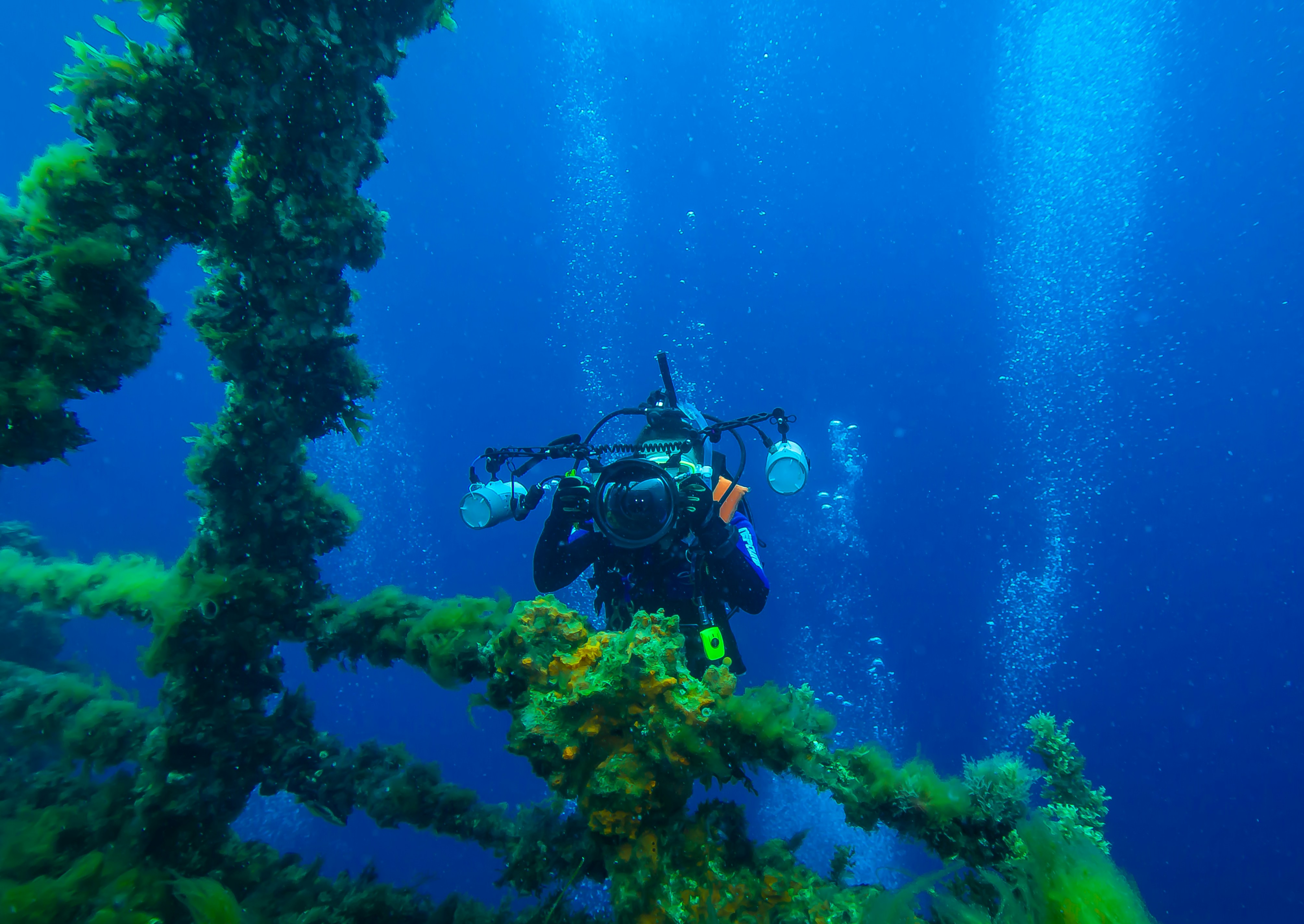
The Importance of Ocean Exploration
The oceans cover more than 71% of the Earth’s surface, making them a crucial component of our planet’s ecosystem. Understanding the role of the oceans is imperative for maintaining the health of the planet, as they regulate climate, support diverse forms of life, and offer resources essential for human survival.
Ocean exploration plays a vital part in our efforts to comprehend these vast bodies of water. The intricate relationship between ocean currents, temperature, and climate change highlights the importance of research in oceanography. Monitoring ocean conditions allows scientists to better predict weather patterns and understand how climate changes are impacting marine environments. By studying the ocean, researchers can identify critical areas that are sensitive to climate shifts, ultimately aiding in the development of conservation strategies.
Beyond climate regulation, the ocean is a reservoir of biodiversity, hosting millions of species, many of which remain unexplored. Ocean exploration encourages the discovery of new organisms that could enhance our understanding of life itself. For instance, marine species have been found to possess unique biochemical properties that can lead to breakthroughs in medicine, ranging from pharmaceuticals to new materials. The potential for scientific discovery in the ocean is vast; each new exploration mission opens doors to the possibility of finding organisms that might hold the key to treating diseases.
Furthermore, ocean exploration drives technological advancement. The need to explore and understand the oceans has led to innovations in underwater robotics, imaging technology, and data collection methods. These advancements not only assist in scientific inquiry but also have applications in environmental monitoring, resource management, and disaster preparedness.
In summary, ocean exploration is paramount for understanding the complexities of our planet. The knowledge gained from such endeavors fosters a deeper appreciation for marine environments, contributing to efforts aimed at preserving one of Earth’s last frontiers.
Hidden Treasures: Discovering Undiscovered Species
The ocean remains one of the most enigmatic frontiers on our planet, characterized by vast expanses and depths that are largely uncharted. Continuous exploration has led to the discovery of numerous species inhabiting these deep-sea environments, with researchers tirelessly working to unveil the mysteries held within. This ongoing quest, however, is fraught with challenges that demand innovative techniques and technology.
One of the primary contributors to deep-sea research is the advancement in robotics, particularly through the use of remotely operated vehicles (ROVs) and submersibles. These sophisticated tools allow scientists to explore areas that are otherwise inaccessible, reaching depths of several thousand meters. Equipped with cameras and sensors, ROVs provide high-resolution imagery and valuable data on marine ecosystems. This capability has radically transformed our understanding of life in the abyss, facilitating the documentation of extraordinary organisms.
Recent years have seen the identification of remarkable species, such as the ethereal glass octopus and luminescent jellyfish, which have adapted uniquely to their dark environments. Discoveries such as these highlight not only the complexity of marine biodiversity but also the very real implications for ecological studies and environmental conservation. Each new species contributes to a broader understanding of oceanic health and resilience, and informs conservation strategies aimed at protecting fragile marine ecosystems.
Additionally, these findings underscore the profound connection between undiscovered life forms and their roles in larger oceanic systems. The more we learn about these hidden treasures, the better equipped we become to address the challenges posed by climate change, pollution, and other anthropogenic impacts threatening marine life. As research continues, the ocean promises to yield even more secrets that may further enhance our appreciation of its unparalleled diversity.
Marine Conservation: Protecting Our Oceans
Marine conservation is a crucial aspect of environmental protection, aimed at safeguarding the diverse ecosystems that inhabit our oceans. The threats faced by these vital bodies of water are numerous and significant; climate change, pollution, overfishing, and habitat destruction stand out as primary concerns. Each of these factors poses a serious risk to marine biodiversity, disrupting the delicate balance that sustains life underwater.
Climate change manifests in various ways, such as rising sea temperatures and ocean acidification, which negatively impact coral reefs and marine species. Pollution, particularly plastic waste and chemical runoff, further exacerbates these issues, leading to devastating effects on marine life and food chains. Overfishing places immense pressure on fish populations, causing many species to decline rapidly, while habitat destruction, whether through coastal development or destructive fishing practices, leads to the loss of critical marine habitats.
To combat these threats, numerous conservation initiatives have been established globally. Successful programs include the establishment of marine protected areas (MPAs), which are designated regions that restrict human activities to preserve marine ecosystems. International collaborations, such as the Paris Agreement, emphasize the necessity of collective action in addressing climate change and its impacts on oceans. Community-driven efforts have also showcased the importance of local involvement in marine conservation, educating individuals on sustainable practices and the importance of biodiversity.
These coordinated efforts in marine conservation play an essential role in maintaining the health of our oceans. By protecting marine habitats and species, not only do we ensure the survival of countless organisms, but we also maintain the benefits that healthy oceans provide to humanity, including food security, economic stability, and a resilient planet. Thus, the ongoing commitment to marine conservation is integral to preserving the richness of ocean life for future generations.
Raising Awareness: The Future of Ocean Research and Conservation
As we delve deeper into the mysteries of ocean life, it becomes increasingly clear that raising awareness about ocean conservation is essential for preserving marine biodiversity. The health of our oceans directly affects global ecosystems and human welfare. Therefore, understanding the significance of ocean research and ongoing conservation efforts must be a priority for individuals, communities, and governments alike.
One of the foremost ways individuals can engage in ocean conservation is by educating themselves about local marine ecosystems. Knowledge can empower individuals to make informed choices regarding lifestyle and consumption, such as reducing single-use plastics and supporting sustainable seafood practices. Community-level initiatives, including beach clean-ups and awareness campaigns, can also foster a sense of stewardship towards our oceans, encouraging collective action in protecting these vital resources.
On a broader scale, government involvement is crucial for advancing ocean research and conservation. Policies that promote marine protected areas (MPAs) and sustainable fisheries regulations can significantly impact the resilience of ocean ecosystems. Investing in scientific research provides the foundation for understanding shifts in marine biodiversity and climate change effects, creating a knowledge base that can guide future decision-making. Moreover, funding grants for ocean exploration can inspire innovation and enhance our understanding of unexplored marine territories.
Public engagement plays a pivotal role in the future of ocean exploration. Through initiatives such as citizen science programs, individuals can contribute to data collection and monitoring efforts, bridging the gap between scientific research and community involvement. These participatory opportunities allow for a diverse audience to connect with ocean research, fostering a communal sense of responsibility for marine conservation.
In conclusion, an informed public, proactive communities, and dedicated governmental support are critical components in the pursuit of ocean conservation. By raising awareness and inspiring responsible stewardship of marine environments, we can pave the way for a sustainable future, ensuring that the wonders of ocean life continue to thrive for generations to come.


