




Understanding Citizen Science and Its Importance
Citizen Science: Everyone Can Contribute 🔬🌍
Discover how ordinary people can participate in real scientific research by collecting observations, recording information and helping scientists understand our world.
What Is Citizen Science?
Citizen science is an innovative approach to scientific research that actively involves non-professional scientists, often called citizen scientists, in the collection, recording and analysis of scientific data.
Traditionally, scientific research has often been conducted by professional scientists working in universities, laboratories, research organizations and specialized institutions. Citizen science expands this model by allowing members of the public to participate in carefully designed research projects.
Through this collaborative approach, citizen science can help break down traditional barriers between professional scientists and the general public.
How Does Citizen Science Work?
A citizen science project normally begins with a scientific question. Researchers then develop a method for collecting information and provide instructions or tools that participants can use.
- Scientists define a research question. The project begins with a problem or question that can be investigated through observations or measurements.
- Participants receive instructions. Citizen scientists learn what to observe, how to record information and how to submit their observations.
- People collect data. Participants may photograph plants, count birds, measure rainfall, record temperatures or document other environmental conditions.
- Data are submitted. Observations can be uploaded through websites, mobile applications, forms or other digital platforms.
- Researchers analyze the information. Scientists combine observations from many participants to identify patterns, changes and important scientific trends.
What Can Citizen Scientists Study?
Wildlife
Participants can record birds, insects, mammals and other animals to help researchers understand biodiversity and population changes.
Plants
People can photograph plants and record flowering, growth, distribution and seasonal changes.
Weather
Local observations of rainfall, temperature, clouds and other conditions can contribute to environmental research.
Water & Oceans
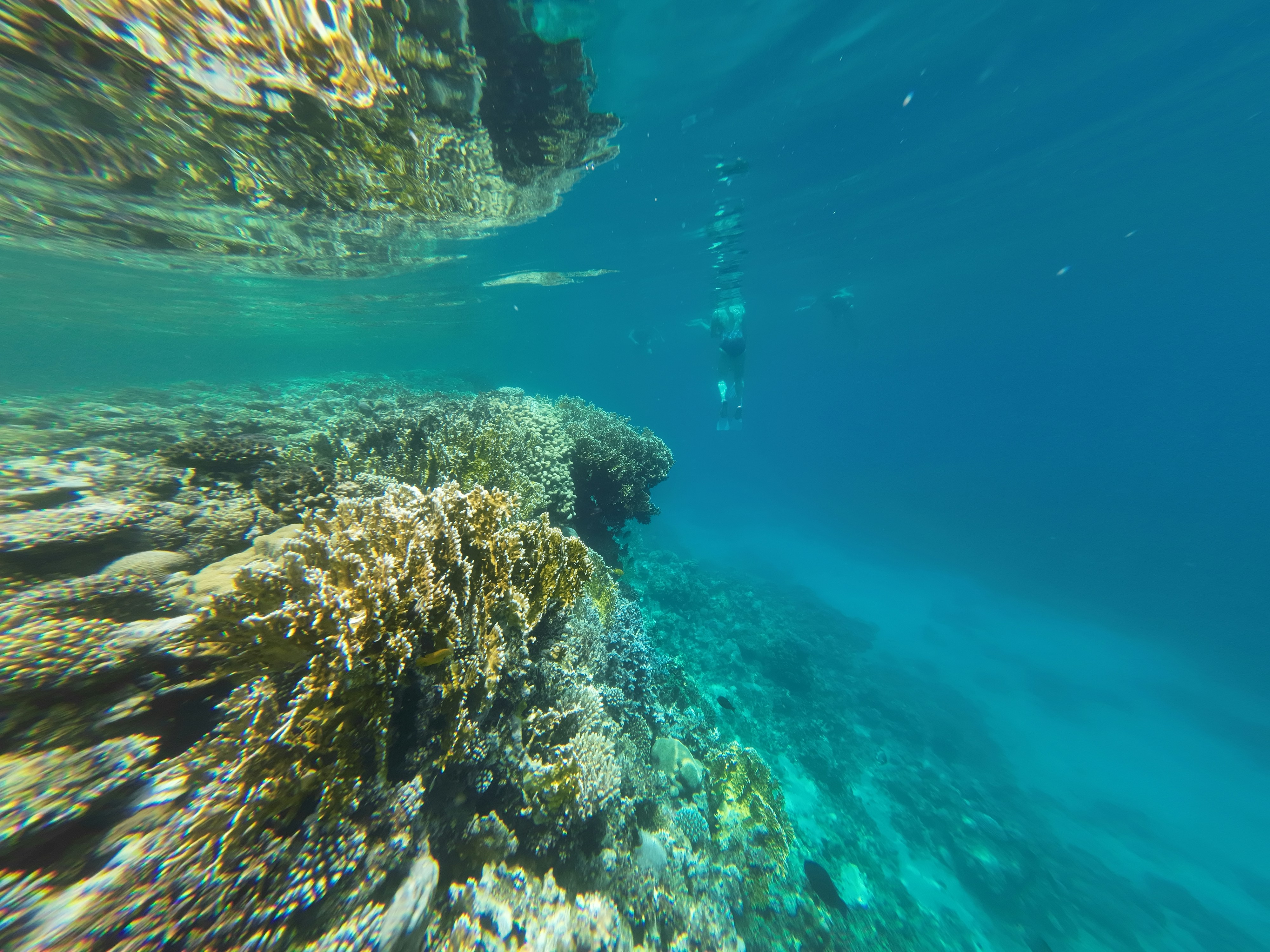
Citizen scientists can help monitor coastal environments, water conditions, marine organisms and changes in aquatic ecosystems.
Astronomy
Members of the public can participate in projects involving observations of stars, planets, meteors and other astronomical phenomena.
Environment
Projects can investigate air quality, pollution, noise, urban environments and other local environmental conditions.
Why Is Citizen Science Valuable?
One major advantage of citizen science is the ability to collect observations across large geographical areas. A small research team may have limited time and resources, while thousands of participants can make observations in many different locations.
Major Benefits
- More observations: Large groups can collect enormous amounts of information.
- Wide geographical coverage: Participants can contribute data from places researchers may not visit regularly.
- Public engagement: People gain direct experience with scientific investigation.
- Environmental awareness: Participants become more aware of changes in their local surroundings.
- Community involvement: Citizen science can connect people who share an interest in nature, technology and discovery.
- Scientific education: Participants learn how observations become useful scientific evidence.
Technology Is Making Citizen Science Easier
Modern technology has greatly expanded the possibilities for citizen science. A smartphone can function as a camera, GPS device, communication tool and data-recording instrument.
Participants can photograph an unusual plant or animal, record its location and submit the observation to an online research platform. In some projects, sensors and connected devices can also collect environmental measurements automatically.
This combination of people, smartphones, sensors, online platforms and scientific analysis allows large communities to contribute to research in ways that were much more difficult in the past.
Citizen Science Builds Stewardship
Citizen science is not only about collecting data. It can also create a stronger connection between people and the natural world. When individuals regularly observe birds, plants, insects, rivers, beaches or weather conditions, they may become more aware of environmental changes taking place around them.
This can foster a sense of community and stewardship. People become active participants rather than simply observers of scientific and environmental issues.
How You Can Become a Citizen Scientist
You do not necessarily need a laboratory, advanced scientific degree or expensive equipment to participate. Many projects are designed for beginners and provide clear instructions.
Start by choosing a topic that interests you. You might observe birds in your neighborhood, photograph plants, monitor local weather, document insects or participate in an environmental survey. The most important requirements are careful observation, accurate recording and following the project’s instructions.
Even a single observation can become more valuable when combined with thousands of observations made by other participants.
Explore More DIY Science Projects
Discover practical science, experiments, technology and hands-on projects at The Science Online DIY section.
Explore DIY Science →

