


Chapter 3
Vitamin C and the Immune System
The human immune system is one of the most sophisticated defense networks found in nature. Every day, it protects the body against billions of bacteria, viruses, fungi, parasites, and other potentially harmful microorganisms. At the same time, it must distinguish between dangerous invaders and the body’s own healthy cells, avoiding unnecessary attacks that could damage tissues. This remarkable balance requires constant communication among immune cells, chemical messengers, and protective barriers throughout the body. Among the many nutrients required to maintain this complex system, Vitamin C stands out as one of the most essential.
For decades, Vitamin C has been closely associated with immunity. Many people instinctively reach for oranges, lemons, or Vitamin C supplements when they feel a cold coming on. While this popular practice is supported by some scientific evidence, the true relationship between Vitamin C and immune health is far more comprehensive than simply preventing the common cold. Research has demonstrated that Vitamin C supports virtually every stage of the immune response, from maintaining the body’s first line of defense to helping specialized immune cells identify, attack, and eliminate invading pathogens.
The immune system consists of two major branches: the innate immune system and the adaptive immune system. The innate immune system serves as the body’s rapid-response defense force. It includes physical barriers such as the skin and mucous membranes, along with immune cells that immediately recognize and destroy common pathogens. The adaptive immune system, on the other hand, develops targeted responses against specific microorganisms and creates immunological memory that allows faster protection during future infections. Vitamin C contributes to the proper functioning of both systems, making it one of the few nutrients with such broad immunological influence.
The skin serves as the body’s largest and most important physical barrier against infection. Healthy skin prevents bacteria, viruses, and environmental toxins from entering the body. Vitamin C supports skin integrity by promoting collagen production, maintaining connective tissue strength, and facilitating wound healing. Strong collagen fibers reinforce the skin’s structure, making it more resistant to injury and microbial invasion. Similarly, the mucous membranes lining the respiratory tract, digestive system, and urinary tract depend on adequate Vitamin C to remain healthy and effective as protective barriers.
When pathogens successfully bypass these barriers, the innate immune system becomes activated within minutes. One of the first responders is a group of white blood cells known as neutrophils. These highly mobile cells travel rapidly through the bloodstream toward sites of infection, where they engulf and destroy bacteria through a process called phagocytosis. Remarkably, neutrophils accumulate very high concentrations of Vitamin C—often many times greater than those found in blood plasma. Scientists believe this concentration reflects the vitamin’s critical importance in supporting neutrophil function.
Vitamin C enhances the ability of neutrophils to migrate efficiently toward infected tissues, recognize invading microorganisms, and eliminate them effectively. It also helps protect these immune cells from oxidative damage generated during the process of destroying pathogens. When neutrophils attack bacteria, they intentionally produce reactive oxygen species to kill microbes. Although this mechanism is highly effective, it also exposes the neutrophils themselves to oxidative stress. Vitamin C helps neutralize excess reactive molecules, preserving the functionality of these important immune cells.
Another major component of innate immunity consists of macrophages, large white blood cells that patrol tissues throughout the body. Their name, meaning “large eaters,” reflects their ability to engulf bacteria, viruses, dead cells, and cellular debris. Macrophages also release signaling molecules that recruit additional immune cells and coordinate inflammatory responses. Vitamin C supports macrophage activity by improving their ability to remove pathogens while helping regulate the inflammatory process. Efficient removal of damaged cells promotes faster tissue repair and recovery after infections or injuries.
Natural killer cells provide another layer of early immune defense. Unlike other immune cells that require prior exposure to specific pathogens, natural killer cells continuously monitor the body for virus-infected cells and abnormal cells that may become cancerous. Once identified, these cells release specialized proteins that trigger the destruction of unhealthy targets. Research suggests that adequate Vitamin C supports the activity and survival of natural killer cells, although scientists continue investigating the precise mechanisms involved.
As the immune response progresses, the adaptive immune system becomes increasingly important. Specialized white blood cells called lymphocytes recognize specific antigens associated with pathogens and mount highly targeted responses. Two major types of lymphocytes are B cells and T cells. B cells produce antibodies that bind to bacteria and viruses, marking them for destruction. T cells perform several functions, including coordinating immune responses and directly killing infected cells. Vitamin C contributes to the development, proliferation, and normal function of both B and T lymphocytes, supporting the body’s ability to generate effective long-term immunity.
One of the most fascinating aspects of Vitamin C’s immunological role involves its regulation of inflammation. Inflammation is an essential component of immune defense. When tissues are injured or infected, inflammatory signals increase blood flow, recruit immune cells, and initiate repair processes. Without inflammation, wounds would not heal properly and infections could spread unchecked. However, excessive or prolonged inflammation can damage healthy tissues and contribute to chronic diseases such as arthritis, cardiovascular disease, diabetes, asthma, and certain neurological disorders.
Vitamin C helps maintain the delicate balance between necessary and excessive inflammation. Through its antioxidant properties, it reduces oxidative stress generated during immune activation while supporting normal inflammatory signaling pathways. Rather than suppressing inflammation entirely, Vitamin C helps ensure that inflammatory responses remain appropriately controlled and resolve once the threat has been eliminated. This balanced regulation contributes to more efficient healing and reduced collateral tissue damage.
Oxidative stress represents one of the greatest challenges faced by immune cells during infection. As immune cells attack pathogens, they generate large quantities of reactive oxygen species designed to destroy bacteria and viruses. While these molecules are effective antimicrobial weapons, they can also damage nearby healthy cells if not carefully controlled. Vitamin C functions as an antioxidant shield, protecting immune cells, blood vessels, and surrounding tissues from excessive oxidative injury while allowing normal antimicrobial activity to continue.
Respiratory infections have been the focus of much Vitamin C research. The common cold, caused primarily by rhinoviruses, remains one of the most frequent infectious illnesses worldwide. Numerous clinical trials have examined whether Vitamin C supplementation prevents or treats colds. The overall scientific evidence indicates that routine Vitamin C supplementation does not significantly reduce the number of colds experienced by the general population. However, individuals who consume adequate Vitamin C before becoming ill may experience slightly shorter illness duration and somewhat milder symptoms. These benefits appear more pronounced among people exposed to intense physical stress, such as endurance athletes, military personnel, and individuals working in extremely cold environments.
Vitamin C is not a cure for viral infections, and it should never replace evidence-based medical treatment. Nevertheless, maintaining sufficient Vitamin C status ensures that immune cells have the nutritional support necessary to function efficiently. During infections, blood Vitamin C concentrations often decline because immune cells rapidly consume the vitamin while combating pathogens. This increased utilization explains why nutritional requirements may temporarily rise during periods of illness or recovery.
The global COVID-19 pandemic stimulated renewed scientific interest in Vitamin C and immune health. Researchers investigated whether Vitamin C supplementation could reduce disease severity or improve outcomes among hospitalized patients. While some studies suggested potential benefits in selected critically ill individuals receiving intravenous Vitamin C as part of comprehensive medical care, the overall evidence remains mixed. Major health organizations continue to recommend adequate dietary Vitamin C as part of a healthy lifestyle but do not endorse high-dose Vitamin C supplementation as a standalone treatment or preventive measure for COVID-19. Ongoing research continues to explore its role in critical care medicine.
Vitamin C also influences immune function through its support of epithelial barriers. The respiratory tract, gastrointestinal tract, and urinary tract are lined with epithelial cells that serve as protective interfaces between the body and the external environment. These tissues rely on continuous renewal and repair to maintain their integrity. Vitamin C promotes collagen formation and tissue healing, helping preserve the strength of these protective barriers. Healthy epithelial tissues reduce opportunities for pathogens to penetrate deeper into the body.
In addition to fighting infections, the immune system plays an important role in wound healing. Whenever the skin is injured, immune cells rapidly migrate to the wound site, remove damaged tissue, eliminate microorganisms, and coordinate tissue repair. Vitamin C supports every phase of this process. It promotes collagen synthesis, stimulates fibroblast activity, encourages the formation of new blood vessels, and protects healing tissues from oxidative damage. Individuals with inadequate Vitamin C intake often experience delayed wound healing and increased susceptibility to wound infections.
Another important function of Vitamin C involves the programmed removal of immune cells after infections have resolved. During active immune responses, millions of white blood cells accumulate at sites of infection. Once pathogens have been eliminated, these cells must undergo controlled cell death and be safely removed to prevent unnecessary inflammation. Vitamin C contributes to this orderly resolution process, supporting efficient recovery and helping restore normal tissue function.
Age significantly influences immune performance. As people grow older, immune responses gradually become less efficient, a phenomenon known as immunosenescence. Older adults may experience slower responses to infections, reduced vaccine effectiveness, and increased susceptibility to respiratory illnesses. Because Vitamin C intake is sometimes inadequate among elderly individuals due to reduced appetite, limited dietary variety, or chronic illness, maintaining optimal nutritional status becomes especially important for supporting healthy immune aging.
Lifestyle factors strongly influence Vitamin C requirements and immune health. Cigarette smoking dramatically increases oxidative stress, accelerating the depletion of Vitamin C within tissues. Smokers therefore require substantially higher daily Vitamin C intake than non-smokers. Excessive alcohol consumption, chronic psychological stress, inadequate sleep, obesity, environmental pollution, and poor dietary habits can also increase oxidative stress and potentially elevate Vitamin C requirements. A healthy lifestyle that combines balanced nutrition with regular exercise, sufficient sleep, stress management, and avoidance of smoking provides the strongest foundation for immune resilience.
Physical activity presents an interesting relationship with immunity. Moderate, regular exercise strengthens immune function and reduces the risk of many chronic diseases. However, prolonged high-intensity exercise may temporarily increase oxidative stress and suppress certain aspects of immunity, particularly among endurance athletes. Studies suggest that maintaining adequate Vitamin C intake through food supports antioxidant defenses during strenuous physical activity. While routine high-dose supplementation is generally unnecessary for recreational exercisers, athletes should ensure they consume sufficient Vitamin C-rich foods as part of a balanced diet.
Children require adequate Vitamin C for both growth and immune development. Because their immune systems continue maturing throughout childhood, diets rich in fruits and vegetables help provide the nutrients necessary for healthy immune function. Similarly, pregnant and breastfeeding women need sufficient Vitamin C to support both maternal immunity and the developing immune systems of their babies. Breast milk naturally contains Vitamin C, emphasizing its importance during early infancy.
Vitamin C also works in partnership with numerous other nutrients involved in immune health. Vitamins A, D, and E, zinc, selenium, iron, copper, folate, and high-quality protein all contribute to normal immune function. Deficiency of any one nutrient can impair immune performance despite adequate Vitamin C intake. This highlights an important principle of nutrition: no single vitamin can compensate for an overall poor diet. Instead, optimal immunity depends on a diverse, balanced dietary pattern that supplies all essential nutrients in appropriate amounts.
Foods naturally rich in Vitamin C remain the preferred source for most individuals. Citrus fruits, strawberries, kiwi, guava, papaya, pineapple, bell peppers, broccoli, Brussels sprouts, tomatoes, cabbage, kale, spinach, and many other fruits and vegetables provide abundant Vitamin C together with fiber, antioxidants, flavonoids, and phytochemicals that work synergistically to support immune health. Regular consumption of colorful plant foods not only supplies Vitamin C but also contributes to overall dietary quality and disease prevention.
Scientific understanding of Vitamin C and immunity continues to evolve. Modern research increasingly recognizes that Vitamin C functions not as an immune stimulant but as an essential regulator that supports the normal operation of immune cells, protects tissues from oxidative damage, facilitates communication among immune components, and promotes efficient recovery after infections. These diverse roles explain why adequate Vitamin C intake remains one of the cornerstones of nutritional strategies for maintaining lifelong immune health.
A resilient immune system is built over months and years rather than overnight. Good nutrition, regular physical activity, restorative sleep, stress reduction, vaccination when appropriate, and healthy lifestyle choices all contribute to the body’s ability to defend itself against disease. Within this comprehensive approach, Vitamin C occupies a central position as one of the most thoroughly studied and biologically important nutrients supporting human immunity. In the next chapter, we will explore another remarkable function of Vitamin C—its essential role in maintaining healthy skin, promoting collagen production, slowing visible aging, and accelerating wound healing.
-
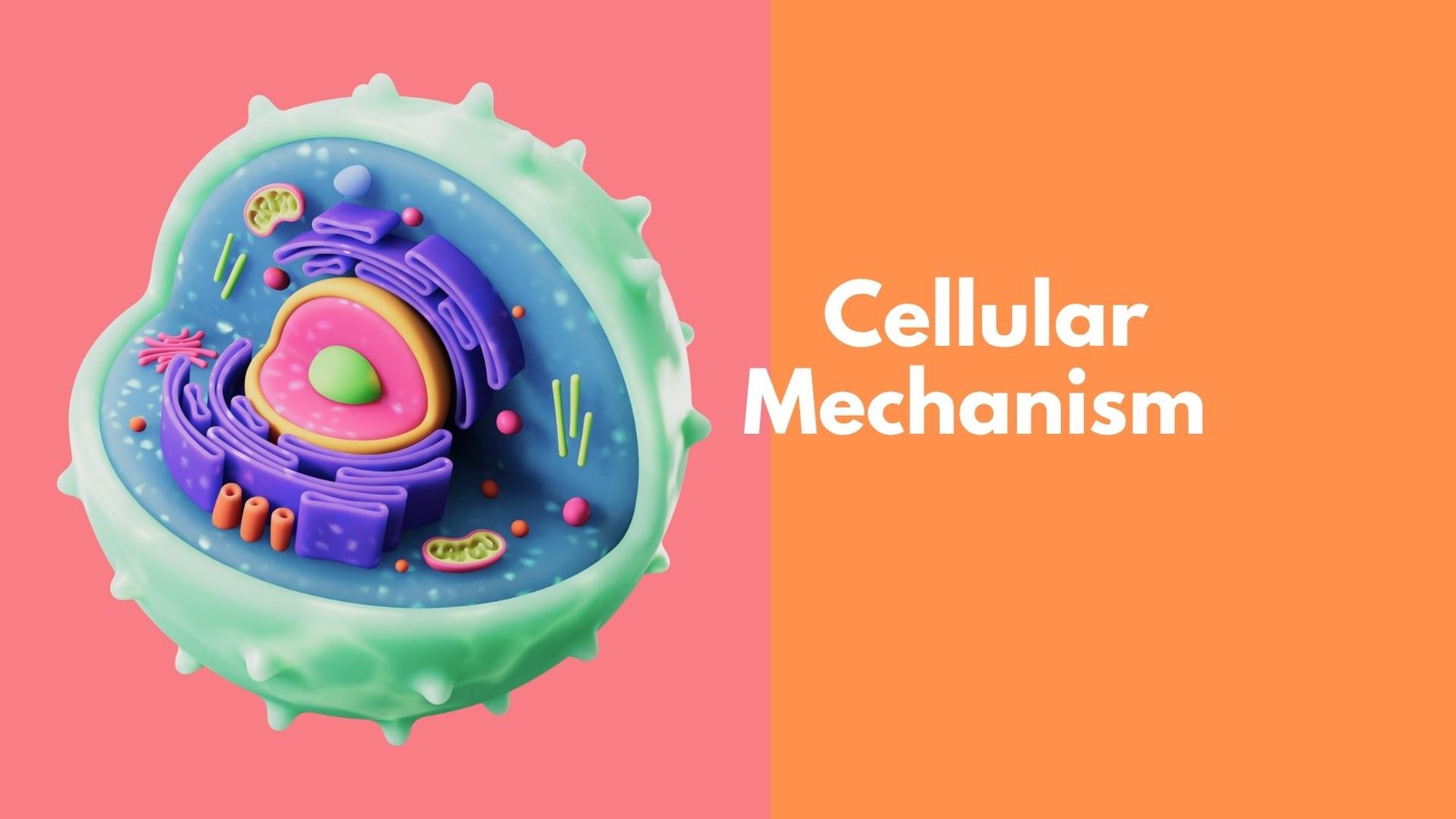
Cellular Survival Mechanism
Scientists Uncover Cellular Survival Mechanism Behind Tissue Regeneration Scientists Uncover a Cellular Survival Mechanism That Helps Severely Damaged Tissue Regenerate A newly identified population of cells appears capable of initiating programmed cell death, surviving the process, and helping damaged tissue rapidly rebuild itself. Scientists have uncovered a remarkable cellular survival mechanism that may help explain…
-

Depression and Memory
How New Neurons May Shape Memory and Emotion How New Neurons May Shape Memory and Emotion A major study has highlighted possible links between depression and changes in the production of new neurons in the hippocampus. The findings suggest that disrupted neurogenesis may affect how the brain processes new experiences and relates them to painful…
-

Hard Cooked Eggs
Hard-Cooked Eggs: Benefits and Cooking Guide Hard-Cooked Eggs: Benefits and Cooking Guide Hard-cooked eggs are a simple, nutritious and convenient food that can provide high-quality protein and several essential nutrients. Hard-cooked eggs can be included in many balanced diets. They are easy to prepare, convenient to carry and can be eaten at breakfast, as a…


