




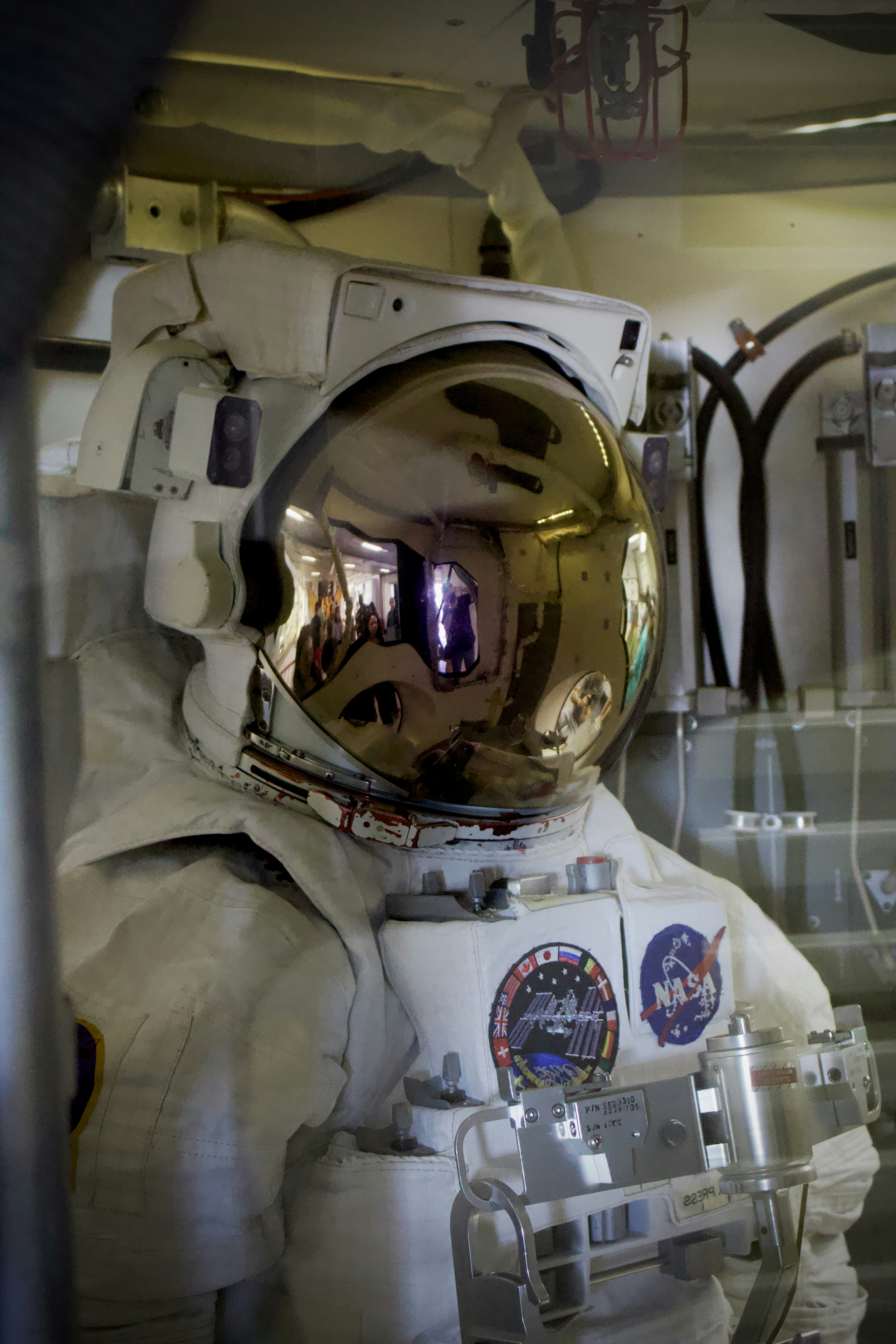
Introduction to Immune Function
The immune system serves as the body’s primary defense mechanism against a multitude of pathogens, including bacteria, viruses, fungi, and parasites. It is a complex network consisting of various cells, tissues, and organs that work harmoniously to identify and eliminate these threats. Understanding the immune function is crucial, especially in the context of unique environments such as space, where conditions like microgravity can potentially alter immune responses.
At the cellular level, the immune system comprises several key components. White blood cells, known as leukocytes, play a pivotal role in protecting the body. These include various types of cells such as lymphocytes (T cells and B cells), which are specialized for adaptive immunity, and phagocytes, which engulf and destroy pathogens. Additionally, innate immunity acts as the first line of defense through physical barriers like skin and mucosal surfaces, along with chemical signals that initiate an immune response.
The tissues involved in immune function include the thymus, bone marrow, and lymphatic system. The thymus, located in the upper chest, is essential for the maturation of T cells, while bone marrow is where both B cells and red blood cells are produced. The lymphatic system is crucial for transporting immune cells throughout the body and facilitating communication between them. Furthermore, organs such as the spleen and lymph nodes filter pathogens from the blood and lymph, aiding in the developmental process of immune responses.
Understanding these components provides valuable insights into how the immune system operates under normal conditions. However, the impact of factors such as microgravity introduces a new dimension to research, suggesting alterations in immune function when astronauts are exposed to the unique challenges of space travel.
Understanding Space Biology
Space biology is a critical field of research that focuses on the effects of the unique space environment on living organisms. By conducting scientific studies in microgravity, researchers can gain valuable insights into biological systems, including cellular functions, immune responses, and genetic mechanisms. These studies offer a unique opportunity to explore how life adapts to extreme conditions that are not replicable on Earth, thus broadening our understanding of fundamental biological processes.
The significance of space biological research extends beyond curiosity; it includes potential applications that can enhance human health on Earth and in future space missions. Microgravity conditions change the way cells interact and communicate, which can influence behaviors such as immune response. Understanding how these changes occur allows scientists to develop strategies for mitigating health risks faced by astronauts during prolonged missions in space. For example, studies have shown alterations in immune cell function, leading to increased susceptibility to infections.
Moreover, space biology research has implications for biomedicine and drug development. By studying organisms in a microgravity environment, researchers can discover new ways to combat diseases and understand the underlying mechanisms of various health issues. The results from these experiments often translate into innovations that can be applied in clinical settings back on Earth. As we look towards long-duration missions to Mars and beyond, comprehending the impact of reduced gravity on biological systems remains a paramount challenge.
In conclusion, the exploration of space biology is an essential aspect of advancing our knowledge of how life functions under microgravity. The findings derived from this research will not only aid in safeguarding astronaut health during space travel but also enrich our understanding of human biology, providing pathways to innovative solutions in medicine and beyond.
The immune system of astronauts undergoes significant alterations during space missions, primarily due to the microgravity environment. Astronauts experience a host of physiological changes that can impact their immune function, necessitating a comprehensive understanding of these effects for long-duration space flight preparations and missions.
One of the foremost challenges faced by astronauts is the change in immune cell activity. Research indicates that exposure to microgravity can affect the proliferation and activation of immune cells, particularly T-cells, which play a pivotal role in orchestrating the immune response. Studies conducted aboard the International Space Station (ISS) have shown that T-cell activation is diminished, potentially resulting in a reduced ability to respond to pathogens, which could increase susceptibility to infections.
Moreover, the balance of various immune cell populations can be disrupted. For instance, the production of pro-inflammatory cytokines can be altered, leading to an imbalance that may impact the body’s ability to fight off infections or react appropriately to stressors. Astronauts might also experience a decrease in the function of natural killer (NK) cells, which are crucial for targeting and destroying virally infected cells and cancerous cells.
Furthermore, the prolonged exposure to microgravity can lead to changes in the microbiome of astronauts. The shift in microbial populations can influence immune responses, as the interactions between gut microbiota and immune system cells are essential for maintaining immunological balance and overall health. These changes highlight the intricate relationship between the immune system and the unique environmental conditions present in space.
Continued research into the immune system of astronauts is vital for ensuring their health and safety during missions. Understanding the impacts of microgravity on immune function will contribute to better preventive measures, ultimately improving astronaut immunity and mission success.
Effects of Microgravity on Immune Response
Microgravity, a condition experienced by astronauts during space missions, is known to significantly influence various physiological systems, particularly the immune system. The alterations in gravity affect the immune response at both the cellular and molecular levels, leading to a series of changes that can compromise the body’s defenses against pathogens.
One prominent effect of microgravity is the decreased effectiveness of immune cells, such as T-cells and B-cells. These cells play crucial roles in the adaptive immune response, which is responsible for forming long-lasting immunity and targeting specific pathogens. Research has shown that astronauts experience a reduction in the proliferation of T-cells in microgravity, resulting in a less robust immune response. This impairment could lead to an increased susceptibility to infections during and after space missions.
Another important change is observed in the production and regulation of cytokines, which are signaling molecules that aid in cell communication within the immune system. Studies conducted on astronauts reveal altered cytokine profiles, characterized by imbalances that can promote inflammation or suppress necessary immune functions. These deviations further impact the overall immune competence of astronauts, suggesting that microgravity induces a state of immune dysregulation.
Additionally, the stressors associated with space travel, such as isolation, confinement, and radiation exposure, may further exacerbate the effects of microgravity on immune function. Together, these factors contribute to a concerning scenario where astronauts might find their immune responses compromised during extended missions, potentially leading to health risks both during their time in space and upon returning to Earth.
Understanding the nuances of how microgravity influences immune responses is essential for the development of countermeasures aimed at safeguarding astronaut health on future missions and ensuring the safety of long-duration space travel.
Research Studies on Astronaut Immunity
Research on astronaut immunity has garnered significant attention, particularly following missions to the International Space Station (ISS). Various studies have been conducted to analyze how the unique conditions of microgravity can impact the human immune system. One of the most notable research projects is the NASA-sponsored study known as the Axiom Mission 1, which evaluated immune responses in astronauts before, during, and after spaceflight. This study primarily focused on the effects of microgravity on T-cell activation, an essential component of the adaptive immune response.
Another key study involved the evaluation of the effects of space travel on the production of cytokines—proteins that are vital for cell signaling during immune responses. Researchers found that astronauts exhibited altered levels of several cytokines, suggesting that spaceflight may lead to an imbalance in immune function. These findings highlight the potential for a reduced effectiveness of the immune system during space travels, subsequently affecting the astronauts’ health and safety.
Additionally, investigations have illustrated that exposure to cosmic radiation while in space can damage immune cells, further complicating the immune response. For instance, analyses conducted on blood samples from astronauts revealed changes in gene expression linked to immune function, with implications for understanding the long-term effects of space travel on physical health.
Studies have also pointed out the importance of psychological factors, including stress and isolation, which may contribute to immune dysfunction in astronauts. The emotional and psychological challenges faced in the confined environment of the ISS can exacerbate immune responses, warranting further inspection of mental health services for astronauts. Such comprehensive research on astronaut immunity is crucial to ensure that future space exploration missions, including those to Mars, prioritize the health and well-being of the crew.
Implications for Human Health
The study of microgravity and its effects on immune function is crucial for understanding the broader implications for human health, particularly in the context of long-duration space missions. Research has shown that exposure to microgravity can lead to alterations in various immune responses, including lymphocyte proliferation and the production of cytokines. These changes could potentially compromise the immune system’s ability to combat infections, posing increased health risks for astronauts during extended missions to destinations such as Mars.
Astronauts are subjected to numerous stressors in space, including radiation exposure, psychological stress, and the physical effects of a microgravity environment. The cumulative impact of these factors may amplify the vulnerabilities of the immune system. For example, studies indicate that astronauts experience a decrease in T-cell activation and an increase in the susceptibility to pathogens, illustrating the potential for health complications arising from a diminished immune response.
The implications of these findings extend beyond space exploration. Understanding how microgravity influences immune function can inform the development of countermeasures and protective strategies not only for astronauts but also for individuals on Earth whose immune health might be compromised. This knowledge is particularly relevant in the context of aging populations and individuals with chronic health conditions who could benefit from insights gained through space research.
As NASA and other space agencies plan missions to further the human presence in space, addressing these challenges associated with immune function in microgravity becomes imperative. Developing effective countermeasures to mitigate the adverse effects of microgravity on immunity will not only safeguard astronaut health but also contribute significantly to our understanding of human health and disease on Earth.
Countermeasures to Protect Astronaut Immunity
Protection of astronaut immunity during space missions is a critical area of research, given that prolonged exposure to microgravity environments can significantly impact immune function. Implementing effective countermeasures is essential in maintaining the health and performance of astronauts. Various strategies, including dietary adjustments, exercise regimens, and psychological support, play pivotal roles in this context.
Dietary modifications are one of the foremost countermeasures utilized. A nutrient-rich diet tailored to meet the unique needs of astronauts can help bolster their adaptive immune response. Incorporating foods high in antioxidants, vitamins (especially vitamins C and D), and minerals that support immune health can counteract some negative effects of microgravity. Research indicates that specific supplements may also be beneficial to enhance overall immune resilience, making careful selection of dietary components imperative.
Exercise regimens play an equally vital role in astronaut immunity. Regular physical activity has been shown to stimulate various immune responses, helping to mitigate the risks associated with immune dysfunction in microgravity. On-board exercise devices allow astronauts to engage in cardiovascular and resistance training, ensuring physical fitness and contributing to the maintenance of muscle mass and bone density. These exercise protocols are thoughtfully designed to accommodate the challenges of a microgravity environment while maximizing their health benefits.
Additionally, psychological support is increasingly acknowledged as a key factor in astronaut well-being and immunity. The stressors of space travel can adversely affect mental health, which in turn may compromise immune function. Implementing programs for mental health support, team cohesion exercises, and strategies for relaxation can help manage stress levels, fostering a supportive environment that can bolster immune health.
In summary, a multifaceted approach encompassing diet, exercise, and psychological health is essential for protecting astronaut immunity during space missions. These countermeasures not only enhance the immune response but also contribute to the overall well-being of astronauts, enabling them to perform critical tasks effectively while in the unique and challenging environment of space.
The Future of Space Research on Immunity
The exploration of space poses unique challenges to human health, particularly concerning immune function. As space missions become longer and more complex, understanding how microgravity affects astronaut immunity will be increasingly critical. The future of space research on immune function holds promise, driven by advancements in research technologies and methodologies.
One of the most significant directions for future research involves the use of advanced bioreactors and microfluidic devices. These technologies enable scientists to simulate microgravity conditions on Earth and conduct experiments that may reveal how immune responses are altered in the absence of gravity. By mimicking the space environment, researchers can gather valuable insights into cellular mechanisms and the behavior of immune cells. Additionally, new imaging techniques, including in vivo microscopy, could allow for real-time observation of immune response dynamics during spaceflight.
Moreover, the incorporation of artificial intelligence and machine learning in immunological studies represents a pioneering approach in understanding complex immune interactions. These tools can analyze vast amounts of data generated from experiments, offering predictive insights into how astronauts’ immune systems may respond to various stressors in space. This knowledge could facilitate the development of countermeasures to mitigate potential immunocompromised states during missions.
Furthermore, collaborative international efforts could significantly enhance research opportunities. Partnerships between space agencies, academia, and biotechnology companies can lead to innovative approaches to studying immune function in space. Such collaborations may allow for the design of targeted interventions and treatments to ensure astronauts remain healthy during their journeys beyond Earth.
In summary, the future of space research on immunity is poised for substantial advancements. By utilizing cutting-edge technologies and fostering collaborative research, scientists can deepen their understanding of how microgravity affects immune function, ultimately contributing to safer and more successful space exploration missions.
Conclusion
Understanding the effects of microgravity on immune function is crucial for ensuring the health and safety of astronauts during long-duration space missions. As highlighted throughout this blog post, the immune system undergoes significant changes in space, which can lead to an increased risk of infections and other health complications. The research conducted in space has not only provided insights into the challenges faced by astronauts but has also uncovered valuable information pertaining to immune responses that could have far-reaching implications on Earth.
The studies indicated that alterations in cellular immunity could be attributed to various factors, such as stress, radiation exposure, and the unique environment of microgravity. These findings demonstrate the multifaceted nature of immune system behavior when external conditions change significantly. Understanding these changes is pivotal for developing countermeasures to enhance astronaut health and mitigate risks during exploration missions beyond low Earth orbit.
Moreover, the knowledge gained from space biology transcends the boundaries of space exploration. It can significantly inform medical practices and improve immune-related health issues on Earth. For example, insights on immune dysregulation in microgravity could lead to new approaches in treating immune disorders and enhancing vaccine efficacy. Thus, the implications of this research extend well beyond space missions, influencing a broader understanding of human health.
In conclusion, further investigation into the effects of microgravity on immune function will continue to play a vital role in both space research and terrestrial medicine. By deepening our understanding of astronaut immunity, we can better prepare for future exploration endeavors, while simultaneously unlocking potential medical advancements that can enhance health outcomes on Earth.


