




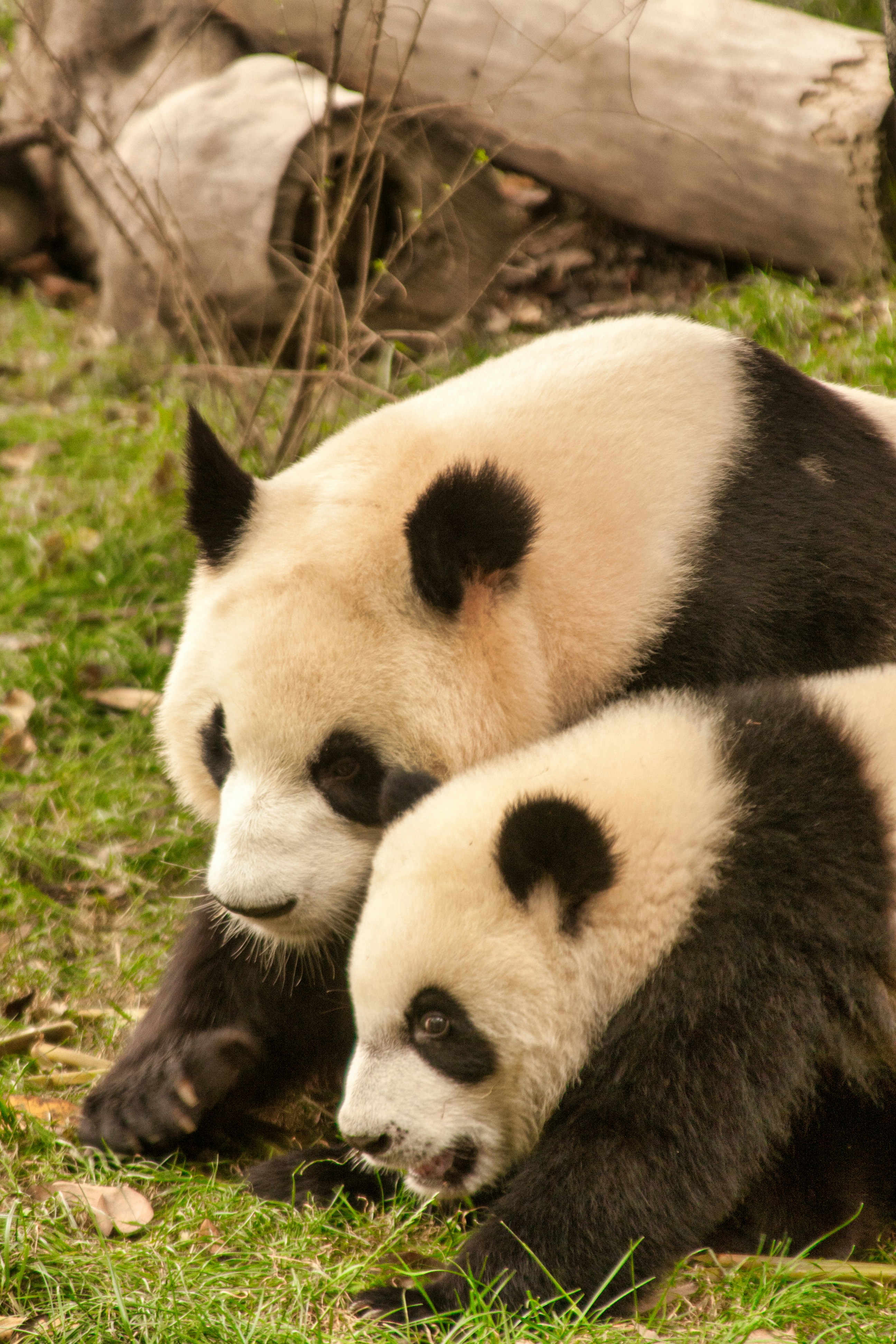
Introduction to Panda Breeding
Panda breeding has emerged as a focal point in conservation efforts aimed at ensuring the survival of this iconic species. Giant pandas, known for their distinct black and white fur, face a myriad of challenges that greatly affect their reproduction. One of the most significant hurdles in panda breeding is their notoriously low birth rates. Female pandas are only fertile for a short window each year, typically lasting just 2 to 3 days. This limited breeding window poses a considerable challenge for both natural mating and artificial insemination initiatives.
Furthermore, the reproductive behaviors of giant pandas are complex and not fully understood, which adds another layer of difficulty to breeding programs. Pandas can exhibit unusual mating behaviors and are often reluctant to mate in captivity. As a result, understanding their natural instincts and creating environments that encourage successful reproduction is crucial. This necessitates extensive observation and research to ensure that captive breeding initiatives align as closely as possible with their natural behaviors.
Efforts to breed giant pandas in captivity have seen success through dedicated breeding programs. These programs are essential not only for increasing panda populations but also for educating the public about the conservation status of these bears. By harnessing advanced reproductive technologies and creating nurturing habitats, conservationists work tirelessly to increase the birth rates among captive pandas. The importance of these breeding initiatives cannot be overstated, as they offer a lifeline for the species facing extinction due to habitat loss and poaching.
Understanding Panda Cubs: The Early Life of a Giant Panda
The early life of a giant panda is marked by several critical stages that significantly influence the survival of the young cubs. Panda reproduction is unique; gestation lasts around 95 to 160 days, with the average being approximately 135 days. This variability is attributed to the phenomenon of delayed implantation, where the fertilized egg does not immediately implant in the uterus, allowing the mother to better synchronize with environmental conditions.
Upon birth, panda cubs weigh a mere 100 to 200 grams, making them extremely vulnerable. They are born hairless, blind, and completely reliant on their mothers for survival. In the wild, only one cub typically survives if twins are born, as the mother allocates her limited resources to increase the chances of the stronger cub’s survival. In captive environments, however, keepers may intervene to ensure both cubs can thrive by providing supplemental care.
The initial care provided by mother pandas is crucial. After birth, the mother enters a crucial nurturing phase that includes constant interaction with her cubs. This bonding is vital for emotional and physical growth; the cubs’ initial exposure to their mother’s scents and vocalizations forms the basis of their social skills. A mother panda will nurse her cubs for six months to a year, transitioning them gradually to bamboo—a staple of the adult panda diet.
The survival of panda cubs is influenced by various factors, including maternal health, environmental conditions, and availability of food resources. Captive breeding programs have helped mitigate some challenges by providing controlled environments conducive to raising healthy cubs. As a result, the dedicated efforts toward panda breeding encompass not only protection from extinction but also the nurturing of young cubs to ensure a resilient future for this beloved species.
The Science Behind Wildlife Reproduction in Pandas
The reproductive success of the giant panda is influenced by various biological and environmental factors that contribute to their overall breeding patterns. Primarily, the breeding of pandas is dictated by their hormonal cycles, which can be complex and narrow in time frame. Female pandas exhibit estrous cycles that last roughly 2 to 3 days, occurring only once a year during the spring season. This limited window poses a challenge for successful mating, as the timing must be carefully coordinated with male pandas, who additionally possess a unique set of signals and behaviors that attract potential partners.
Mating behaviors among pandas are equally fascinating and often involve a series of vocalizations, scent markings, and physical displays. Typically, male pandas will engage in courtship rituals, showcasing their strength and dominance, which can create a bond with the female. These social interactions are crucial not only for mating but also for the establishment of future kinship and social structures, which are vital for the species’ genetic diversity in a controlled environment.
The role of zoos and conservation programs cannot be overstated in enhancing panda breeding efforts. Many of these facilities have adopted advanced techniques in wildlife reproduction that mimic natural behaviors and environmental cues found in the wild. Artificial insemination, for instance, has proven successful and is increasingly being applied as a tool to overcome the challenges faced by pandas in captivity. In addition, research is conducted in these conservation areas to better understand the reproductive health of both male and female pandas, allowing for targeted interventions to improve fertility rates.
Ultimately, a multifaceted approach to understanding and facilitating panda reproduction, combining scientific knowledge with practical conservation efforts, is essential for the recovery of this iconic species. Increasing awareness of their breeding needs will play a significant role in securing the future of giant pandas in their natural habitats.
Challenges in Panda Breeding Programs
Panda breeding programs face numerous challenges that jeopardize their success and hinder species recovery. One of the most significant issues is habitat loss. As urban development and agriculture encroach upon the natural habitats of giant pandas, the availability of food resources, particularly bamboo, diminishes. This reduction in habitat not only affects the adult pandas but also complicates the breeding process, leading to decreased reproductive rates.
Another significant challenge in these programs is genetic diversity. The limited population size of giant pandas in captivity often results in inbreeding, which can seriously affect the health and viability of the offspring. Genetic diversity is crucial for the long-term survival of any species, as it enhances resilience against diseases and environmental changes. Breeding programs must therefore strategically manage the genetic lineage of pandas to maximize diversity while still promoting successful mating.
Additionally, the complexities surrounding artificial insemination pose a substantial challenge to breeding programs. Although advancements have been made in reproductive technologies, factors such as the short fertility window of female pandas and the need for precise timing in insemination often lead to failed attempts. The process can be further complicated by the stress that artificial insemination procedures can cause to these sensitive animals, potentially impacting their willingness to mate in subsequent breeding cycles.
These multidimensional challenges require breeding programs to adopt innovative and multifaceted strategies to improve their success rates. By addressing habitat loss, enhancing genetic diversity, and perfecting artificial insemination techniques, conservationists and researchers can work towards a more successful future for this iconic species.
Success Stories: Notable Panda Breeding Achievements
Panda breeding programs around the world have made significant strides in the conservation of this endangered species. Among the most notable achievements is the breeding initiative at the Wolong National Nature Reserve in China. Established in the early 1980s, this reserve has become a pioneering institution for giant panda research and breeding. The efforts at Wolong have successfully increased the population of captive pandas, enabling crucial genetic diversity and enhancing global breeding initiatives.
Moreover, the Chengdu Research Base of Giant Panda Breeding has gained international recognition for its innovative approaches. By utilizing advanced veterinary care, nutritional planning, and habitat enrichment, this facility has dramatically improved the survival rates of both mothers and cubs. Since its inception, Chengdu has celebrated the birth of over 300 pandas, with an impressive percentage of cubs successfully maturing into adulthood. These achievements underscore the importance of comprehensive breeding programs in reversing the decline of panda populations.
Further afield, the Smithsonian Conservation Biology Institute in the United States has made noteworthy contributions to panda breeding. Through its collaboration with Chinese institutions, the institute has helped facilitate the birth of numerous cubs, fostering cross-continental conservation efforts. These breeding successes not only bolster the captive population but also promote educational initiatives regarding the importance of habitat preservation and species recovery.
In summary, institutions dedicated to giant panda breeding have produced remarkable success stories, significantly impacting the overall trajectory of panda conservation. The collaborative efforts between various facilities worldwide exemplify a collective commitment to ensure the future of this iconic species. Such endeavors highlight the critical role that targeted breeding programs play in the resurgence of giant pandas and offer hope for their continued survival in the wild.
The Role of Zoos and Conservation Efforts
Zoos and conservation organizations play a pivotal role in the breeding and recovery of the giant panda, a species that has faced numerous challenges due to habitat loss and low reproductive rates. By creating specialized breeding programs, these institutions aim to increase the panda population while also raising public awareness about the species’ plight.
One of the primary functions of zoos in panda conservation is education. Zoos serve as informative venues where visitors learn about the natural history of pandas, their habitats, and the threats they face. Through interactive exhibits and educational programs, zoos not only inform the public but also inspire visitors to contribute to conservation efforts. The information disseminated at these facilities fosters a connection between the public and the species, elevating awareness about the importance of wildlife preservation.
Moreover, many institutions actively participate in international breeding programs that facilitate genetic diversity among panda populations. By collaborating with other zoos and research institutions, they create a network through which they can share breeding knowledge, medical expertise, and genetic data. This collaboration is crucial, as it helps to prevent inbreeding and enhances the overall health of the panda population in captivity.
In addition to breeding, the role of zoos extends to habitat preservation. Many conservation organizations associated with these institutions are involved in efforts to safeguard natural panda habitats in the wild. By engaging in habitat restoration and conservation initiatives, they ensure that pandas have viable ecosystems to return to, should they be successfully bred in captivity. These conservation strategies are essential for the long-term survival of the species, as they provide a sustainable future for giant pandas, linking zoo efforts on breeding with wildlife habitat conservation.
The Importance of Genetic Diversity in Panda Populations
Genetic diversity is a crucial factor in the sustainability and resilience of panda populations. It refers to the variety of genes within a species and plays an essential role in their ability to adapt to environmental changes and resist diseases. For giant pandas (Ailuropoda melanoleuca), maintaining genetic diversity is particularly vital given their limited habitat and declining population numbers.
When genetic diversity is low, panda populations face increased risks such as inbreeding depression, which can lead to reduced fertility rates and a higher susceptibility to diseases. This condition can ultimately threaten the survival of the species. In contrast, a genetically diverse population is better equipped to cope with challenges, as it possesses a wider range of traits that may confer advantages in resilience and adaptability.
To manage genetic variability within breeding programs, various strategies have been implemented by conservationists and wildlife biologists. One pivotal strategy involves rigorous genetic monitoring to assess the genetic health of captive breeding populations. Programs utilize advanced genetic techniques, such as DNA analysis, to identify the genetic profiles of individual pandas. This information informs breeding decisions, ensuring that matings are conducted between genetically compatible partners to maximize genetic diversity.
Moreover, after assessing genetic variation, breeding programs often incorporate individuals from different geographical locations. This practice not only helps to enhance genetic diversity but also encourages the introduction of new genes that can bolster population resilience. Another promising approach is the establishment of wildlife corridors, which connect fragmented habitats and facilitate gene flow between different panda populations. By allowing pandas to intermingle and breed naturally, these corridors can greatly contribute to genetic diversity.
Future Directions in Panda Conservation
As we look to the future of panda conservation, significant advancements are anticipated in various arenas, particularly in reproductive technology, habitat restoration, and global collaboration. These innovations are essential for the sustainable recovery of the giant panda population, a species that has faced severe threats over the years.
One promising direction is the enhancement of reproductive technologies. Techniques such as artificial insemination and advanced genetic screening are becoming more refined, which can significantly improve the success rates of panda breeding programs. Innovations in cryopreservation may also allow for the long-term storage of genetic material, providing a safety net for future breeding initiatives. Such technologies offer not only insights into genetic diversity but can also facilitate breeding between pandas that might not otherwise have the opportunity to mate in a natural setting.
Furthermore, habitat restoration is crucial for supporting panda populations in the wild. The focus here will be on re-establishing and protecting the bamboo forests that serve as essential habitats for pandas. Developing ecological corridors can also enhance connectivity between fragmented populations, promoting genetic diversity and resilience in the species. These efforts require coordinated actions from local governments, conservation groups, and communities to ensure that panda habitats are preserved and expanded upon.
Global collaboration is another vital avenue for improving panda conservation outcomes. By fostering partnerships between countries, conservationists can share knowledge, resources, and strategies that have proven effective in preserving not just pandas, but other endangered species as well. These partnerships can lead to comprehensive conservation frameworks that address ecological, economic, and cultural aspects of panda preservation.
In conclusion, the future of panda conservation looks promising through the integration of advanced reproductive technologies, strategic habitat restoration, and the establishment of global partnerships aimed at species recovery. Fostering these areas will be vital to ensuring that giant pandas continue to thrive in their natural environments.
Conclusion: Hope for the Future of Pandas
The journey of panda breeding and conservation presents a compelling narrative of resilience and dedication. Throughout the years, numerous organizations and individuals have committed their efforts to ensure the survival of the giant panda, an iconic symbol of wildlife conservation. The challenges faced in this venture, particularly habitat loss, low birth rates, and conservation funding, have tested the resolve of conservationists worldwide. Nonetheless, significant strides have been made in recent years towards mitigating these challenges.
As we reflect on the progress achieved, it is imperative to acknowledge the successful breeding programs that have resulted in increased panda populations both in captivity and in the wild. The implementation of scientific research and innovative breeding techniques has highlighted the importance of genetics and animal behavior in promoting successful mating practices. Moreover, conservation efforts to restore natural habitats have played a crucial role in providing a safe environment for these animals to thrive.
The collaboration between governments, NGOs, and local communities has further enhanced the effectiveness of these initiatives. By promoting education and awareness about panda conservation, we can foster a deeper appreciation for the species and the critical ecosystems they inhabit. This collective responsibility is essential for ensuring that the giant panda does not merely survive but also flourishes in its natural habitat.
Looking forward, the continued dedication to panda breeding and conservation will be pivotal. Investment in research, habitat restoration, and public awareness campaigns will be instrumental in maintaining the momentum gained over recent years. With endeavors directed towards sustainable practices and enhanced global cooperation, there is a reason for hope. By uniting our efforts, we can ensure a future where giant pandas thrive in the wild, fulfilling their role in the ecosystem and embodying the success of conservation efforts across the globe.


