


Chapter 5
Noise and Sleep Disturbance: How Night-Time Noise Disrupts Sleep, Circadian Rhythms, and Cardiovascular Recovery
Introduction
Sleep is one of the most fundamental biological processes required for maintaining physical health, emotional well-being, cognitive performance, and cardiovascular function. During sleep, the body undergoes essential restorative processes that repair tissues, consolidate memory, regulate metabolism, strengthen the immune system, and allow the cardiovascular system to recover from the demands of daily life.
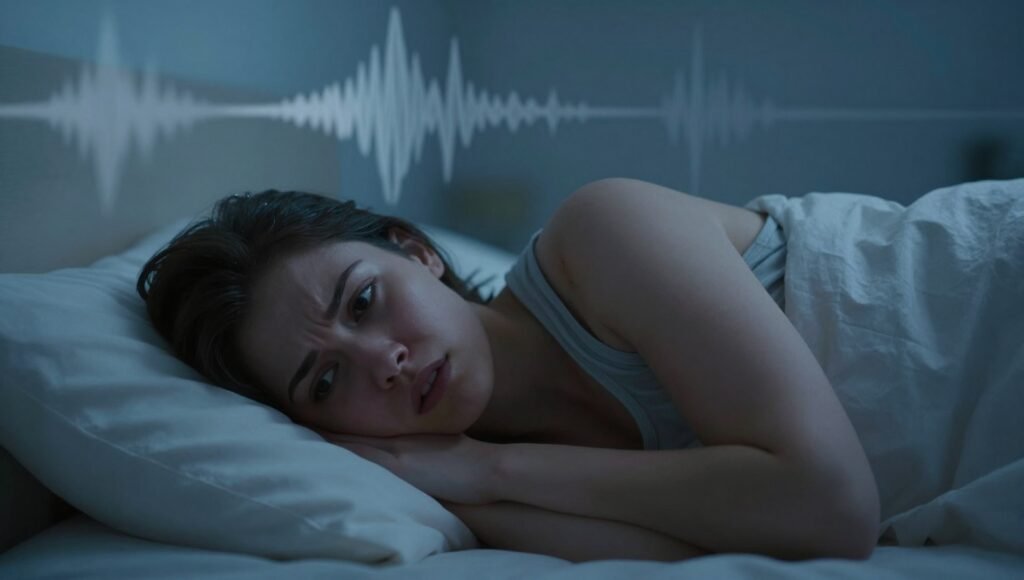
Environmental noise, particularly during the night, has emerged as one of the leading causes of sleep disturbance in urban populations. Unlike daytime noise, which may primarily cause annoyance or reduced concentration, night-time noise interrupts the body’s natural recovery processes. Even sounds that do not fully awaken an individual can activate the brain, increase heart rate, raise blood pressure, and trigger the release of stress hormones.
Research has shown that chronic sleep disturbance caused by environmental noise contributes to hypertension, obesity, diabetes, depression, impaired cognitive performance, myocardial infarction, and stroke. This chapter examines how noise affects sleep physiology and why protecting the nighttime sound environment is essential for cardiovascular health.
5.1 Why Sleep Is Essential for Health
Sleep is an active physiological process rather than a period of inactivity. During sleep, numerous biological systems undergo repair and regulation.
Functions of Healthy Sleep
Sleep is essential for:
- Restoring physical energy
- Repairing damaged tissues
- Regulating blood pressure
- Supporting immune function
- Consolidating memory
- Maintaining emotional stability
- Regulating metabolism
- Promoting cardiovascular recovery
- Clearing metabolic waste from the brain
Adults generally require 7–9 hours of quality sleep each night, although individual needs vary.
5.2 Sleep Architecture
Sleep occurs in repeating cycles, each lasting approximately 90–110 minutes. A healthy adult typically experiences four to six sleep cycles each night.
The two main categories of sleep are:
- Non-Rapid Eye Movement (NREM) Sleep
- Rapid Eye Movement (REM) Sleep
NREM Sleep
NREM sleep consists of three stages:
Stage N1 (Light Sleep)
- Transition between wakefulness and sleep
- Easily interrupted by environmental noise
- Reduced muscle activity
- Slowing of eye movements
Stage N2
- Heart rate slows
- Body temperature decreases
- Brain activity becomes more organized
- Accounts for approximately half of total sleep time
Stage N3 (Deep Sleep)
Also called slow-wave sleep, this is the most restorative phase.
During deep sleep:
- Blood pressure decreases
- Heart rate reaches its lowest level
- Growth hormone is released
- Tissue repair occurs
- Immune function improves
Deep sleep is particularly vulnerable to repeated nighttime noise.
REM Sleep
REM sleep is characterized by:
- Rapid eye movements
- Dreaming
- Active brain function
- Memory consolidation
- Emotional processing
Disruption of REM sleep has been associated with impaired learning, mood disorders, and cognitive decline.5.3 Circadian Rhythm and the Biological Clock
The human body operates according to an internal circadian rhythm, a roughly 24-hour cycle regulated by the suprachiasmatic nucleus (SCN) in the hypothalamus.
This biological clock controls:
- Sleep-wake cycles
- Hormone secretion
- Body temperature
- Blood pressure
- Metabolism
- Alertness
Although light is the primary regulator of circadian rhythm, environmental noise can interfere with normal sleep timing and quality.
5.4 How Environmental Noise Disrupts Sleep
Night-time noise affects sleep in several ways.
Delayed Sleep Onset
People living in noisy environments often take longer to fall asleep because traffic, aircraft, trains, or neighborhood noise repeatedly interrupts the transition into sleep.
Frequent Awakenings
Noise can produce:
- Complete awakenings
- Partial awakenings
- Brief arousals lasting only a few seconds
Many individuals do not remember these episodes the following morning, yet the physiological consequences remain significant.
Sleep Fragmentation
Repeated interruptions prevent normal progression through sleep stages.
Consequences include:
- Reduced deep sleep
- Reduced REM sleep
- Poor sleep efficiency
- Increased daytime fatigue
5.5 Micro-Arousals: The Invisible Disturbance
One of the most important discoveries in sleep medicine is the concept of micro-arousals.
These are extremely brief activations of the brain that may last only a few seconds and often occur without conscious awareness.
Even though a person remains asleep, micro-arousals can cause:
- Increased heart rate
- Temporary elevation of blood pressure
- Muscle activation
- Increased brain activity
- Release of stress hormones
Repeated hundreds of times over months or years, these physiological responses increase cardiovascular risk.
5.6 Night-Time Noise and Cardiovascular Recovery
During healthy sleep, the cardiovascular system enters a recovery phase.
Normal nighttime changes include:
- Reduced heart rate
- Lower blood pressure
- Increased parasympathetic activity
- Reduced stress hormone levels
Environmental noise interrupts this recovery.
Instead of resting, the cardiovascular system experiences repeated activation throughout the night.
The cumulative effects include:
- Increased vascular stress
- Persistent hypertension
- Endothelial dysfunction
- Increased myocardial oxygen demand
5.7 Stress Hormones During Sleep
Noise exposure stimulates the release of:
- Cortisol
- Adrenaline
- Noradrenaline
Normally, these hormones decrease during sleep.
Repeated nighttime noise exposure prevents this decline, resulting in:
- Elevated morning cortisol
- Increased blood pressure
- Higher resting heart rate
- Greater daytime fatigue
Persistently elevated stress hormones are associated with cardiovascular disease, obesity, insulin resistance, and depression.
5.8 Effects on Blood Pressure
Blood pressure follows a natural daily rhythm.
During healthy sleep, it decreases by approximately 10–20%, a phenomenon known as nocturnal dipping.
Environmental noise may:
- Prevent normal dipping
- Cause repeated blood pressure spikes
- Increase average nighttime blood pressure
- Promote sustained hypertension
Individuals with reduced nocturnal dipping have significantly higher risks of:
- Stroke
- Heart attack
- Kidney disease
- Heart failure
5.9 Night-Time Noise and Heart Rate
Studies have shown that even relatively moderate nighttime noise can increase heart rate.
Common responses include:
- Increased sympathetic activity
- Reduced heart rate variability
- Elevated myocardial workload
- Delayed cardiovascular recovery
Repeated increases in heart rate contribute to long-term cardiovascular stress.
5.10 Noise and Insomnia
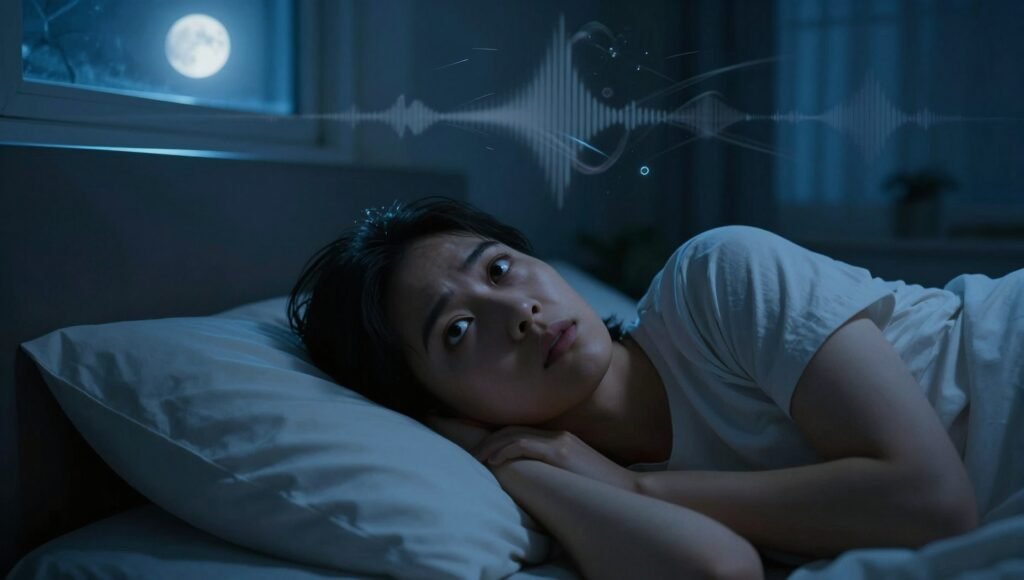
Chronic environmental noise is a common cause of insomnia.
Symptoms include:
- Difficulty falling asleep
- Frequent awakenings
- Early morning awakening
- Non-restorative sleep
- Excessive daytime sleepiness
Persistent insomnia affects work performance, mental health, and cardiovascular function.
5.11 Effects on Mental Health
Poor sleep caused by environmental noise contributes to:
- Anxiety
- Depression
- Irritability
- Emotional instability
- Reduced resilience to stress
Individuals experiencing chronic sleep disturbance often report lower quality of life and increased psychological distress.
5.12 Cognitive ConsequencesSleep is essential for brain function.
Chronic sleep disruption caused by noise may impair:
- Memory
- Learning
- Attention
- Decision-making
- Problem-solving
- Reaction time
Children are especially vulnerable because their brains are still developing.
Adults working in safety-critical occupations, such as healthcare, aviation, and transportation, may also experience increased risks of errors and accidents.
5.13 Vulnerable Populations
Certain groups are particularly susceptible to nighttime noise.
Older Adults
Older individuals often experience lighter sleep and awaken more easily.
Children
Children require more sleep than adults.
Sleep disruption during childhood may affect:
- Brain development
- Learning
- Emotional regulation
- Academic performance
Shift Workers
People who sleep during the day often encounter higher levels of environmental noise, making adequate rest more difficult.
Patients with Cardiovascular Disease
Individuals with hypertension, coronary artery disease, or heart failure may experience greater physiological responses to nighttime noise.
5.14 Practical Strategies to Improve Sleep in Noisy Environments
Reducing nighttime noise exposure can improve sleep quality and cardiovascular health.
Home-Based Measures
- Install double- or triple-glazed windows.
- Use heavy curtains or acoustic blinds.
- Seal gaps around doors and windows.
- Choose quieter household appliances.
- Position bedrooms away from busy roads when possible.
Personal Strategies
- Maintain a consistent sleep schedule.
- Limit caffeine and alcohol before bedtime.
- Avoid loud music in the evening.
- Practice relaxation techniques.
- Use white noise or a fan to mask intermittent sounds, if appropriate.
Community Measures
- Enforce nighttime noise regulations.
- Reduce traffic speed in residential areas.
- Restrict heavy vehicle movement during late-night hours.
- Establish quiet zones around hospitals and schools.
- Design urban spaces with effective noise barriers and green belts.
Table 5.1 Health Effects of Night-Time Noise
| Effect | Short-Term Consequences | Long-Term Consequences |
|---|---|---|
| Sleep fragmentation | Fatigue | Chronic insomnia |
| Elevated heart rate | Temporary stress | Increased cardiovascular risk |
| Increased blood pressure | Nighttime hypertension | Sustained hypertension |
| Stress hormone release | Morning tiredness | Metabolic disorders |
| Reduced deep sleep | Poor recovery | Reduced immune function |
| Reduced REM sleep | Impaired memory | Cognitive decline |
| Repeated micro-arousals | Poor sleep quality | Heart disease and stroke |
Figure 5.1. Pathway from Night-Time Noise to Cardiovascular Disease
Night-Time Environmental Noise
            │
            ▼
Sleep Disturbance
            │
            ▼
Micro-Arousals & Sleep Fragmentation
            │
            ▼
Activation of the Sympathetic Nervous System
            │
            ▼
↑ Cortisol • ↑ Adrenaline • ↑ Blood Pressure
            │
            ▼
Oxidative Stress & Endothelial Dysfunction
            │
            ▼
Persistent Hypertension
            │
            ▼
Coronary Artery Disease
            │
            ▼
Heart Attack • Stroke • Heart Failure
Key Takeaways
- Healthy sleep is essential for cardiovascular recovery, immune function, metabolism, and cognitive performance.
- Night-time environmental noise disrupts sleep by delaying sleep onset, causing awakenings, and fragmenting normal sleep architecture.
- Micro-arousals can activate stress responses even when individuals do not consciously wake up.
- Chronic sleep disruption increases cortisol, adrenaline, blood pressure, and heart rate, contributing to hypertension and cardiovascular disease.
- Vulnerable groups—including children, older adults, shift workers, and people with existing cardiovascular conditions—are particularly affected.
- Personal, architectural, and community-level interventions can significantly reduce nighttime noise exposure and improve sleep quality.
Chapter Summary
Environmental noise during the night is far more than a disturbance—it is a significant biological stressor that interrupts the body’s natural recovery processes. By fragmenting sleep, triggering repeated micro-arousals, and activating stress pathways, chronic night-time noise contributes to hypertension, endothelial dysfunction, metabolic abnormalities, impaired cognition, and increased risks of myocardial infarction and stroke. Protecting the nighttime acoustic environment is therefore a critical component of cardiovascular disease prevention and public health. As evidence continues to accumulate, reducing environmental noise is increasingly recognized as an essential strategy for promoting healthy sleep and improving long-term health outcomes.


