


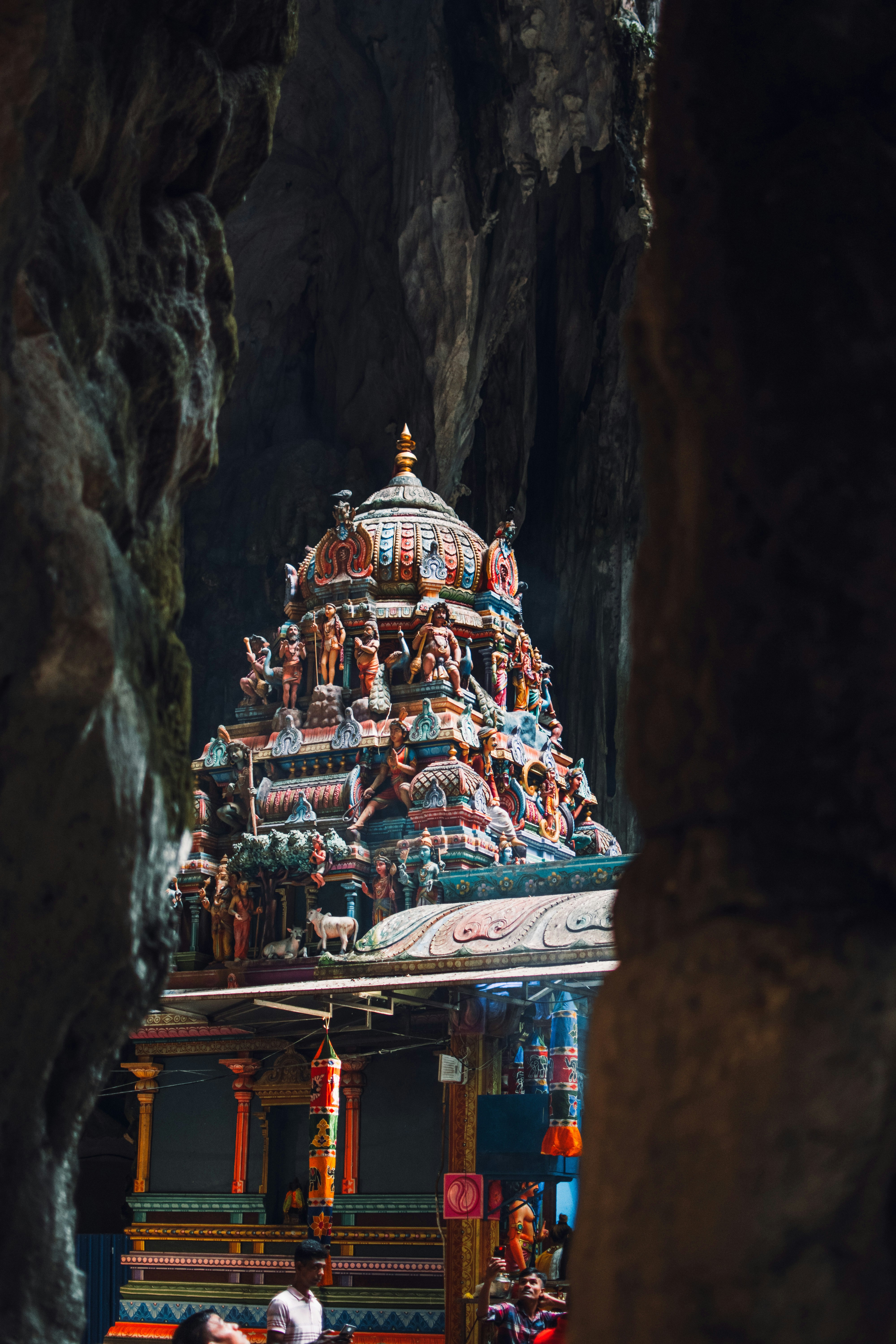
Introduction to Batu Caves
Batu Caves is an iconic limestone hill located just 11 kilometers north of Kuala Lumpur, Malaysia. This significant site is renowned for its majestic caves and Hindu temples, attracting countless visitors both from domestic and international backgrounds. It is a major tourist attraction, drawing thousands of travelers each year who seek to explore its natural beauty and spiritual richness. The site is characterized by its impressive limestone formation, which is believed to be around 400 million years old, making it a marvel of geological history.
More than just a scenic location, Batu Caves holds great importance for devotees of Hinduism, as it is dedicated to Lord Murugan, the Hindu god of war and victory. The annual Thaipusam festival, celebrated with fervor, sees thousands of pilgrims flocking to the caves adding to its reputation as a spiritual pilgrimage site. The bright golden statue of Lord Murugan, standing at a towering height of 42.7 meters, is a prominent landmark that welcomes visitors and worshippers alike. This shrine serves as a focal point for rituals and ceremonies, reinforcing Batu Caves’ status as a significant spiritual destination.
In addition to its religious importance, Batu Caves has also become a cultural hub. Offering a glimpse into Malaysia’s diverse cultural landscape, it features intricate sculptures and colorful murals, providing insight into Hindu mythology. The accessibility of Batu Caves, coupled with its captivating surroundings, makes it an ideal spot for tourists seeking both adventure and spiritual enlightenment. Visitors can explore the numerous caves, admire the breathtaking views, or engage in cultural activities, all of which contribute to a rich experience at this remarkable site, setting the stage for deeper exploration into its offerings.
The Spiritual Journey at Batu Caves
The Batu Caves, located just outside of Kuala Lumpur, Malaysia, serve as a significant spiritual site for followers of Hinduism. This sacred stretch of limestone hills houses an impressive network of caves and cave temples, dedicated primarily to Lord Murugan, the Hindu god of war and victory. Each year, thousands of devotees and tourists flock to these caves, drawn by the allure of spirituality and the opportunity to engage in religious practices.
At Batu Caves, the sacredness of the environment is palpable. Upon arrival, visitors are greeted by the towering golden statue of Lord Murugan, which stands at 42.7 meters tall, while steep steps lead visitors up into the main cave complex. This climb is not merely physical; it symbolizes the spiritual journey one undertakes toward enlightenment. The process of climbing the 272 steps serves as a form of penance and devotion, allowing worshippers to reflect on their intentions as they ascend.
Rituals performed at Batu Caves, especially during the Thaipusam festival, attract significant attention. Devotees engage in acts of devotion, including offerings, prayers, and even acts of physical endurance, which illustrate their commitment to their faith. The atmosphere during such festivities is electric, filled with the sounds of chanting and the vibrant colors of traditional attire, further enhancing the spiritual experience.
The essence of spirituality at Batu Caves transcends religious boundaries. Regardless of one’s beliefs, the site encourages all visitors to contemplate the deeper meanings of faith and community. The tranquil environment, punctuated by the natural beauty of the caves, serves as a reminder of the importance of spiritual reflection. Ultimately, a visit to Batu Caves is not just an exploration of Hindu culture but also an invitation to embark on a personal spiritual journey.
Reasons to Visit Batu Caves
Batu Caves, located just outside Kuala Lumpur, Malaysia, is a renowned destination that captivates travelers with its stunning natural beauty and rich cultural heritage. One of the primary reasons to visit Batu Caves is its breathtaking limestone hills and unique geological formations, which are estimated to be around 400 million years old. The impressive rock faces and lush greenery provide an excellent backdrop for photography enthusiasts and nature lovers alike. The distinct ancient caves formed within these hills add a layer of intrigue to the landscape, making it a perfect spot for exploration.
In addition to its natural allure, Batu Caves holds significant cultural and historical importance. The site is home to the famous Hindu shrine dedicated to Lord Murugan, which attracts pilgrims from around the world. This vibrant temple complex, with its towering golden statue and intricately decorated shrines, reflects the artistic and spiritual essence of Hindu culture. Visitors can experience the vibrant festivals celebrated at the temple, such as Thaipusam, which showcases colorful processions and rituals, offering a unique insight into the local customs.
The accessibility of Batu Caves also contributes to its appeal. It is conveniently located, making it an easy day trip for those staying in Kuala Lumpur. The well-maintained paths and staircases lead visitors through the caves, making it suitable for individuals of various fitness levels. Alongside the caves, visitors can explore the surrounding area that boasts charming shops and eateries, providing a full-day experience of relaxation and leisure. All these elements combined make Batu Caves a must-see destination, appealing not only for its scenic beauty but also for its cultural depth, ensuring it leaves a lasting impression on all who visit.
Experiencing the Pilgrimage at Batu Caves
The Batu Caves, a significant religious destination in Malaysia, not only attract tourists but also serve as an important pilgrimage site for Hindus. Every year, thousands of devotees embark on a spiritual journey to these limestone caves, engaging in various rituals that embody their faith and cultural heritage. The pilgrimage mainly centers around the Thaipusam festival, a vibrant celebration that draws countless pilgrims who perform acts of devotion that may include carrying kavadis, piercing the skin, or offering fruits to invoke blessings from Lord Murugan.
During Thaipusam, the atmosphere at the Batu Caves is undeniably electric, marked by a vibrant display of colors, sounds, and fervor. Pilgrims ascend the 272 steps to the main cave, often while carrying elaborate, decorative structures known as kavadis, which symbolize their devotion and are often a personal undertaking that can involve a significant commitment of time and effort. Each step taken towards the shrine symbolizes a step closer to divine grace, reinforcing the spiritual significance of the pilgrimage.
The rituals performed during this time reflect deeper spiritual meanings, often aimed at seeking forgiveness, fulfilling vows, or expressing gratitude for personal blessings. Participants take part in group chanting, music, and various offerings, creating a sense of camaraderie and communal spirit among the devotees. Each individual pilgrimage story is an embodiment of personal sacrifice and cultural identity, making the experience highly nuanced.
In addition to Thaipusam, other events and rituals throughout the year continue to attract pilgrims to Batu Caves. These moments of prayer and reflection become a vital part of spiritual life, fostering a connection to their faith and the vibrant Hindu culture. The pilgrimage at Batu Caves, thus, offers not just a physical journey but also an enriching experience steeped in devotion and tradition.
Traveling to Batu Caves: A How-To Guide
Batu Caves is a renowned tourist destination situated about 11 kilometers north of Kuala Lumpur, Malaysia. Reaching this iconic site is relatively simple due to various transportation options available. The most popular method for travelers is by taking the KTM Komuter train from Kuala Lumpur Sentral. The trip takes approximately 30 minutes and offers a direct route to Batu Caves, making it a convenient choice for visitors. Trains run frequently, ensuring accessibility for travelers throughout the day.
For those preferring a private mode of transport, taxis and ride-hailing services like Grab are readily available. These services provide the added benefit of door-to-door convenience, which is particularly useful for group travelers or those carrying extra luggage. Furthermore, visitors can also drive to Batu Caves, with ample parking available upon arrival. It’s advisable to arrive early to secure parking and avoid crowds.
Upon arrival at Batu Caves, visitors will find that the site is open daily from 7 AM to 7 PM, with the main temple accessible to the public during these hours. However, it is beneficial to check local events or holiday schedules, as these may affect opening times. Entry to the Batu Caves is free, although donations to the temple are encouraged. For first-time visitors, it is advisable to wear comfortable clothing and shoes, given the 272 steps leading up to the summit cave.
In addition to the caves, the surrounding area features various stalls and food options, so travelers can experience local Malaysian cuisine after exploring. Engaging with local vendors and learning about their crafts can offer a deeper insight into the region’s rich culture. Ultimately, planning ahead and being mindful of these details ensures a fulfilling and enjoyable visit to Batu Caves.
The Hindu Temple of Batu Caves
The Hindu Temple located within the Batu Caves is a remarkable symbol of cultural and spiritual significance, attracting millions of visitors each year. The temple is housed in a series of limestone caves, which are believed to have formed over 400 million years ago. The site’s architecture is a breathtaking fusion of nature and artistry, featuring a blend of traditional Indian temple motifs and intricate sculptures depicting various Hindu deities.
One of the most striking features of the Batu Caves temple is the towering statue of Lord Murugan, standing at 42.7 meters tall against the backdrop of the natural limestone cliffs. Lord Murugan, a revered deity in Hinduism, symbolizes victory and prosperity. The temple complex is dedicated primarily to him, and it also includes several smaller shrines dedicated to other deities such as Lord Ganesha and Lord Shiva, which reflect the diversity within Hindu worship practices.
The rituals and ceremonies conducted at the Batu Caves Temple are of paramount importance to the local Hindu community and include offerings, prayers, and traditional dances. During the annual Thaipusam festival, thousands of devotees flock to the caves, participating in a vibrant celebration that includes elaborate rituals, processions, and acts of devotion that often involve physical displays such as piercing and carrying kavadis. These practices not only emphasize the deep spiritual connection devotees have with their faith but also showcase the rich cultural heritage of Hindu traditions.
The temple serves as a vital space for religious gatherings, reflection, and community bonding, reinforcing the sense of belonging among devotees. The mesmerizing blend of its spiritual ambiance, architectural beauty, and vibrant cultural activities make the Hindu Temple of Batu Caves an essential pilgrimage site for Hindus and a must-visit for travelers interested in experiencing Malaysia’s diverse religious landscape.
Benefits of Spiritual Travel
Spiritual travel serves as a profound avenue for personal growth and self-discovery. Engaging with sacred sites, such as the Batu Caves in Malaysia, enables individuals to step away from their daily routines, fostering an environment conducive to introspection and reflection. This break from the norm often allows travelers to assess their life priorities, beliefs, and values, ultimately leading to a deeper understanding of oneself.
Additionally, spiritual journeys such as this can enhance mindfulness. When individuals immerse themselves in the serene surroundings of sacred locations, they often find it easier to engage in meditation practices or simply connect with their inner thoughts. The tranquility of places like Batu Caves facilitates a direct experience of the present moment, encouraging visitors to cultivate awareness of their surroundings and inner feelings. This heightened sense of mindfulness not only enriches the travel experience but can also have lasting benefits upon returning to everyday life.
Moreover, visiting spiritual sites can reaffirm and strengthen one’s faith. For many, discovering the rich history and symbolism of locations like Batu Caves fosters a connection with their spiritual beliefs. This connection can become a source of comfort and inspiration, enabling travelers to navigate their spiritual journey with increased confidence and clarity.
Finally, spiritual travel frequently results in a rejuvenating experience, both mentally and physically. Engaging with the spiritual ambiance of sacred places diminishes stress levels, promoting overall well-being. As travelers immerse themselves in the beauty and tranquility of locations such as the Batu Caves, they often feel a renewed sense of energy and purpose, enhancing their overall life satisfaction.
Cultural Heritage of Batu Caves
The Batu Caves are not only a natural wonder but also a significant cultural and spiritual hub in Malaysia. Located just outside Kuala Lumpur, this magnificent cave complex is primarily a site for Hindu worship, dedicated to Lord Murugan, the Hindu god of war. The rich cultural heritage of Batu Caves is deeply intertwined with its historical roots, which date back over 160 years, comprising various influences from Hinduism, Buddhism, and the indigenous Malay culture.
The most notable feature of Batu Caves is the impressive golden statue of Lord Murugan, which stands at 42.7 meters tall, making it one of the tallest statues of a Hindu deity in the world. This striking sculpture is not only an attraction but also symbolizes the vibrant Hindu culture present in Malaysia. As visitors ascend the 272 steps leading to the cave temple, they are enveloped in a sense of spirituality and reverence, which highlights the site’s importance in Hindu pilgrimage.
The influence of various cultures is evident in the architecture and festivals at Batu Caves, particularly during Thaipusam, a significant annual celebration attracting thousands of devotees and tourists alike. This event showcases a vibrant mix of traditional practices, music, dance, and colorful offerings, illustrating the dynamism of the cultural heritage surrounding Batu Caves. Moreover, the site serves as an example of multiculturalism with its blend of Indian, Chinese, and Malay influences, reflecting Malaysia’s diverse social fabric.
Through the lens of history, traditions at Batu Caves foster a unique atmosphere rich with heritage, where visitors can appreciate centuries-old customs alongside contemporary expressions. As the site continues to evolve, it remains a pivotal point for understanding the intertwined cultural narratives that shape Malaysia’s identity.
Reflection: Feelings After Visiting Batu Caves
Visiting Batu Caves often leaves a profound mark on travelers, giving rise to a myriad of feelings associated with the experience. Many reflect on their emotional journey, which frequently encompasses awe and serenity. The towering limestone cliffs and the majestic golden statue of Lord Murugan create an atmosphere that transcends mere sightseeing, inviting introspection and deep connection with the surrounding spirituality.
One traveler shared, “As I climbed the 272 steps leading to the temple, I felt an overwhelming sense of accomplishment and peace. The vibrant colors of the temples, combined with the sounds of chanting in the background, made me reflect on my own spirituality and the importance of faith in my life.” This sentiment is common among visitors, who often find themselves contemplating their personal beliefs and values amid such a historically and culturally rich setting.
Moreover, for many, the caves serve as a reminder of the beauty of resilience and community. A visitor stated, “Seeing so many people from different backgrounds gathering to admire and celebrate the beauty of Batu Caves reminded me of our shared human experience. It made me appreciate the diverse cultures that coexist in Malaysia and the strong sense of community that surrounds these sacred grounds.” Such reflections highlight how Batu Caves connects individuals from different walks of life, fostering a sense of unity.
Travelers also recount learning valuable life lessons during their stay. From the significance of patience while navigating the steps to understanding the history of Hindu culture, these lessons resonate long after leaving the site. One visitor remarked, “Batu Caves taught me that spiritual journeys can manifest both in physical and emotional forms, emphasizing the importance of taking the time to reflect and appreciate our surroundings.” The visit to Batu Caves undoubtedly transforms perspectives, leaving behind cherished memories that inspire continuous exploration and understanding of one’s personal journey.
Meditation and Self-Discovery at Batu Caves
Batu Caves, a magnificent limestone hill adorned with stunning caves and temples, offers a unique environment for meditation and self-discovery. Nestled within the sacred grounds is a tranquil atmosphere that encourages introspection and offers visitors an opportunity to engage in mindfulness practices. The serene surroundings are perfect for individuals seeking moments of peace and clarity amid the bustling energy of Kuala Lumpur.
As one traverses the steps leading up to the caves, a sense of calm often envelops the visitor. The gentle sounds of nature, combined with the soft echoes of chanting from the temple below, create a harmonious backdrop ideal for meditation. Many find that dedicating time to practice mindfulness among the lush greenery and the historic temple structures can enhance their spiritual journey. Various spots around Batu Caves, particularly near the entrance and in secluded alcoves, serve as suitable locations for meditation.
Personal accounts from visitors highlight how the experience at Batu Caves has facilitated significant personal revelations. Many have shared stories of finding clarity in times of confusion, while others have reported feeling a deepened sense of connection to their spiritual beliefs and themselves. The spacious atmosphere, adorned with art and history, allows for a reflective experience that aids in self-discovery. For those interested in yoga, workshops or informal group practice sessions often take place, fostering community and growth.
Whether one is an experienced practitioner or a novice seeking inner peace, the opportunities for meditation at Batu Caves are boundless. The integration of spiritual practice within this cultural landmark makes it an exceptional destination for those on a journey of self-discovery, inviting all who visit to reflect, recharge, and reconnect with their inner selves.


