


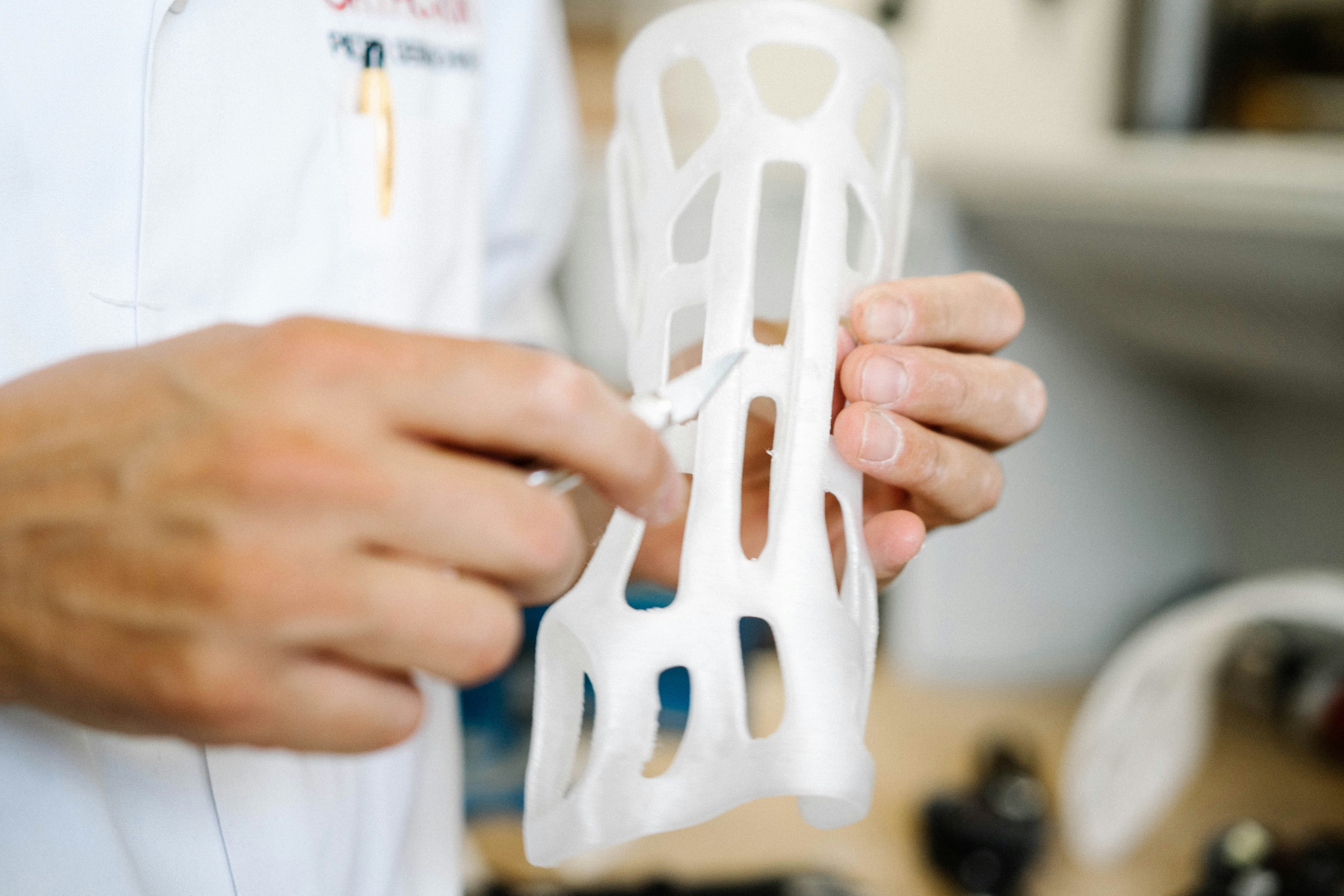
Introduction to Bone and Tendon Repair
The repair of bones and tendons is a multifaceted challenge in the field of medicine. These tissues serve crucial roles in the human body, providing structure, stability, and facilitating motion. When injuries occur, such as fractures or severe tendon tears, the complexity of these biological systems can hinder effective recovery. Bones, composed of mineralized tissues, exhibit remarkable rigidity and strength, while tendons consist mainly of collagen fibers that possess the ability to withstand tension yet remain flexible. This unique composition can pose difficulties when it comes to healing, especially when injuries transcend superficial damage.
Current medical treatments primarily include surgical interventions, immobilization, and physical therapy. Although these methods can be effective in many cases, they often fall short in promoting optimal healing, particularly in cases involving severe injuries or chronic conditions. Factors such as age, overall health, and pre-existing conditions can further complicate the healing process. Additionally, natural healing can take considerable time, sometimes leading to inadequate recovery or even re-injury, which underscores the necessity for improved treatment options.
There remains a significant demand for innovative solutions that can enhance the repair process for bones and tendons. Human-made materials, engineered to mimic the natural properties of bone and tendon tissues, hold great promise in this arena. These advanced materials aim to provide a supportive environment for tissue regeneration, potentially overcoming the limitations of natural healing and traditional medical approaches. By exploring the capabilities of synthetic scaffolds, bioactive coatings, and other composite materials, researchers strive to develop effective treatments that not only facilitate healing but also restore normal function and durability to injured tissues.
Understanding the Structure of Bones and Tendons
The human skeletal system is a complex and dynamic structure composed of bones that serve as the framework for the body. Bones are primarily made of a matrix of collagen fibers and mineral salts, particularly hydroxyapatite, which contributes to their strength and rigidity. This unique composite structure allows for both durability and some degree of flexibility, enabling bones to withstand tension and compressive forces during daily activities.
Bones are categorized into two types: cortical (compact) bone, which forms the outer layer and provides strength, and cancellous (spongy) bone, located within the interior and contributing to lightweight structural support. The organization of bone tissue is crucial for its functions, such as providing support, facilitating movement, and serving as a reservoir for minerals. Additionally, this critical structure plays a vital role in hematopoiesis, the process of blood cell formation occurring in the bone marrow.
On the other hand, tendons are connective tissues that anchor muscles to bones, enabling locomotion. Composed mainly of dense collagen fibers, tendons have a unique parallel arrangement that maximizes their tensile strength, allowing them to withstand the substantial loads exerted during muscle contractions. The structure of tendons facilitates efficient force transmission, ensuring that movements are cohesive and coordinated.
In terms of healing, both bones and tendons possess remarkable regenerative capabilities, though the processes differ significantly. Bone healing typically occurs in several stages: hematoma formation, inflammation, tissue proliferation, and remodeling. Conversely, tendon injuries often lead to complications, as tendons have a poor blood supply compared to bones, resulting in delayed healing. This paucity of vascularization presents challenges in treating tendon injuries, emphasizing the need for innovative repair methods using human-made materials to enhance recovery and restore functionality effectively.
Current Methods of Treatment
Treating bone and tendon injuries requires an understanding of the specific damage incurred and often utilizes conventional methods such as casting, surgical interventions, and rehabilitation programs. Each approach presents its own set of advantages and drawbacks, which impact the recovery trajectory of patients.
Casting is one of the most widely employed methods for bone fractures. By immobilizing the affected area, casting allows for natural healing processes to take effect. The benefits of this method include its non-invasive nature and effectiveness for various types of simple fractures. However, one major drawback is the complications associated with prolonged immobilization, including muscle atrophy and joint stiffness.
Surgical options become necessary for more complex injuries, such as severe fractures or tendon ruptures. Surgical intervention, often involving the insertion of plates, screws, or grafts, can provide precise management of the injury. For instance, a study of patients undergoing surgical repair for a torn Achilles tendon reported significantly improved outcomes compared to conservative treatments. Nevertheless, surgery carries risks such as infection, complications during recovery, and a longer rehabilitation period.
Rehabilitation is crucial following both casting and surgical treatment. A tailored rehabilitation program will typically include physical therapy, which focuses on restoring strength and functionality. The advantage of rehabilitation is its ability to enhance recovery through guided exercises and patient education. However, adherence to the rehabilitation program can vary among patients, affecting overall success rates.
In summary, while current methods for treating bone and tendon injuries have proven effective in many cases, they also come with certain limitations. Understanding these methods can illuminate avenues for innovation, particularly in the development of human-made materials designed to repair or regenerate such tissues.
Biomaterials play a crucial role in the field of regenerative medicine, particularly in the repair and regeneration of skeletal tissues such as bones and tendons. These materials, designed with biocompatibility in mind, are utilized to facilitate the healing process by mimicking the natural properties of tissues, as well as providing structural support and promoting cellular activities essential for regeneration.
For bone repair, biomaterials come in various forms including ceramics, polymers, and composites. Ceramic biomaterials like hydroxyapatite are favored for their osteoconductive properties, which facilitate new bone formation. They can closely resemble natural bone mineral, promoting integration with existing bone structures. Polymers, such as polylactic acid (PLA) and polyglycolic acid (PGA), are used for their favorable mechanical properties and biodegradability. These materials can be tailored to exhibit varying degrees of stiffness or flexibility, making them ideal for specific applications in bone repair.
In tendon repair, the focus shifts to the development of flexible biomaterials that can withstand tensile stresses while promoting cellular adhesion and proliferation. Natural polymers like collagen and silk fibroin are often employed due to their excellent biocompatibility and ability to mimic the extracellular matrix of tendons. Additionally, synthetic polymers, including polyurethane and polycaprolactone, provide a means for customization in mechanical performance, thereby allowing for various applications based on the specific demands of tendon regeneration.
The advancements in biomaterial technologies have greatly enhanced their functional capabilities. Current research emphasizes bioactive materials that not only support structural integrity but also encourage cellular signaling and tissue formation. By understanding how these human-made materials interact with biological systems, researchers continue to improve strategies for effective bone and tendon repair.
Recent Advances in Human-Made Materials
Recent years have witnessed significant advancements in the development of human-made materials specifically tailored for the repair of bones and tendons. These innovations encompass a variety of technologies, including composites, scaffolds, and biologically active materials, each contributing to improved healing outcomes.
One notable advancement involves the use of composite materials, which combine different substances to achieve superior mechanical properties and enhanced biocompatibility. For instance, the integration of bioactive glass and polymer matrices has yielded scaffolds that not only support cellular growth but also facilitate the repair processes required for bone regeneration. Such composite materials have proven effective in mimicking the natural bone structure while promoting the integration of native tissues.
Scaffolding technologies have also progressed significantly, with researchers developing 3D-printed scaffolds that closely resemble the architecture of genuine bone and tendon tissues. These scaffolds provide a framework for the infiltration of cells and blood vessels, essential for effective healing. Innovations such as the utilization of hydrogel-based scaffolds allow for the delivery of growth factors and other therapeutic agents directly to the site of injury, thereby enhancing the healing response.
Moreover, biologically active materials have emerged as an innovative component in the landscape of bone and tendon repair. These materials are engineered to release specific bioactive molecules that stimulate cellular activity and promote healing. For example, materials that release platelet-rich plasma or stem cell attractants have shown promise in enhancing tissue regeneration and aligning with the body’s natural healing processes.
In summary, the latest advancements in human-made materials have set a promising foundation for the future of orthopedic medicine. By improving the functionality and compatibility of these materials, researchers continue to pave the way for more effective treatments for bone and tendon injuries, ultimately leading to better patient outcomes.
Case Studies and Success Stories
Over the past decade, numerous clinical studies have highlighted the efficacy of human-made materials in the repair of bones and tendons, providing tangible evidence of their potential in regenerative medicine. One landmark study published in the Journal of Orthopedic Research showcased the use of a synthetic bone scaffold made from biocompatible polymers. In this trial, 80 patients with significant bone fractures received implants comprised of this innovative material. The results were remarkable, with an 85% success rate in complete bone regeneration and restoration of functionality within six months of surgery. The polymer scaffold provided structural integrity while promoting natural bone growth, significantly reducing recovery time.
Another notable case involved a group of athletes who suffered from chronic tendon injuries. The research team employed an engineered tendon graft derived from human-designed materials that mimic the properties of natural tendons. Following the procedure, a follow-up study indicated that 90% of participants reported a return to sports activities within four months, with no significant complications or re-injuries noted. These results underline the regenerative capacity of human-made materials, particularly in demanding applications.
Further emphasizing the promise of these materials, a recent clinical trial focusing on 3D-printed scaffolds for cartilage repair demonstrated significant cartilage regeneration in patients with knee injuries. The trial concluded that the 3D-printed scaffolds not only supported the healing process but also elicited positive outcomes in patient mobility and pain reduction. These case studies collectively illustrate the transformative impacts of human-made materials in orthopedic applications, reshaping our understanding of surgical interventions.
Challenges and Limitations
The integration of human-made materials for repairing bones and tendons presents a myriad of challenges and limitations that researchers must navigate. One of the primary concerns is biocompatibility. It is vital that the materials used in surgical interventions do not provoke an adverse immune response, as this could lead to rejection of the implant or other complications. Materials must be designed to mimic the natural environment of the body’s tissues, ensuring that they are not only accepted but also actively support healing and integration.
Another significant challenge is achieving seamless integration with the host tissue. This requires that human-made materials promote effective bonding with surrounding biological structures, such as bone or tendon, and that they facilitate the regeneration of the natural tissue. Insufficient integration can lead to instability or failure of the implant, negatively impacting patient outcomes. Researchers are therefore focusing on developing surface modifications and composite materials that encourage cell attachment and proliferation.
Additionally, regulatory hurdles continue to pose a barrier to the advancement of these technologies. The pathway to approval for new biomaterials can be lengthy and complex, involving rigorous testing for safety and efficacy. Regulatory agencies require substantial evidence to support the use of new materials in clinical settings, which can slow down the translation of research findings into practical applications.
In response to these challenges, ongoing research is focused on innovative strategies to enhance the biocompatibility and integration of human-made materials. This includes exploring bioactive coatings that stimulate cellular activity and using 3D printing techniques to create tailored implants that align with individual patient’s anatomical features. By addressing these obstacles, the promise of using human-made materials to effectively repair bones and tendons may eventually be realized, offering new hope for patients facing long-term recovery challenges.
The Future of Bone and Tendon Repair
The landscape of bone and tendon repair is on the cusp of transformation, driven by advancements in human-made materials and innovative technologies. As research progresses, materials that closely mimic the natural biomechanical properties of bone and tendons are being developed, promising enhanced healing and integration. These developments are expected to play a critical role in addressing some of the limitations associated with traditional repair methods.
One significant trend on the horizon is personalized medicine in orthopedics. By utilizing patient-specific data, medical professionals can tailor repair materials and techniques to enhance recovery outcomes. This approach not only considers the patient’s unique anatomy but also integrates genetic and environmental factors that may influence healing. Such tailored interventions may significantly reduce recovery times and improve overall results.
Additionally, 3D printing is set to revolutionize the way we approach bone and tendon repair. The ability to print biomaterials on demand allows for the creation of custom implants that precisely match the defective areas of the patient’s anatomy. As the technology advances, we may witness the production of scaffolds that not only support the growth of new tissue but also encourage the natural healing processes by mimicking the bone’s microstructure.
The future will likely see a convergence of these technological advancements, with hybrid solutions that incorporate smart materials capable of releasing growth factors in response to the biological environment. Such innovations could significantly accelerate tissue regeneration and improve the overall quality of life for individuals with bone and tendon injuries.
As research continues, the combination of personalized medicine, advanced manufacturing techniques, and innovative material science holds great promise for the future of bone and tendon repair, paving the way for the next generation of orthopedic treatments.
Conclusion and Call to Action
The exploration of human-made materials in the realm of orthopedics signifies a transformative approach to repairing bones and tendons. Throughout this blog post, we have examined the various advancements in biomaterials, including biocompatible scaffolds and innovative adhesives, which hold significant potential for enhancing the healing process. These technologies not only aim to restore functionality but also to reduce recovery times and improve overall patient outcomes.
Furthermore, we have seen how research is continually evolving, unveiling new possibilities in the integration of synthetic materials with biological systems. As these developments progress, they pave the way for more effective treatments for conditions such as fractures and tendon injuries, often leading to a more streamlined and efficient recovery.
As we look to the future, it is crucial for readers to stay informed about ongoing research and advancements in this exciting area of medicine. The potential benefits of human-made materials in orthopedic applications are vast, promising enhanced repair techniques that could revolutionize patient care. Engaging with current literature, attending conferences, and following reputable medical news sources can provide valuable insights.
In conclusion, the promise that human-made materials hold for repairing bones and tendons is profound. It is essential for both medical professionals and patients alike to remain proactive in understanding these advancements. By fostering a dialogue around these breakthroughs and their implications, we can contribute to a future where orthopedic solutions are more effective, safe, and widely accessible.


