




Parc Animalier de Sainte-Croix: A Haven for Wildlife and Nature
A good place for nature lover. Parc Animalier de Sainte-Croix is a renowned wildlife park in northeastern France, located near Rhodes in the Moselle region. Surrounded by forests, lakes, and beautiful countryside, the park provides visitors with an opportunity to experience European wildlife in naturalistic surroundings. Rather than simply displaying animals, Sainte-Croix focuses strongly on wildlife conservation, education, and the protection of biodiversity. It has become a popular destination for people who want to discover nature and learn more about the animals that share our planet.
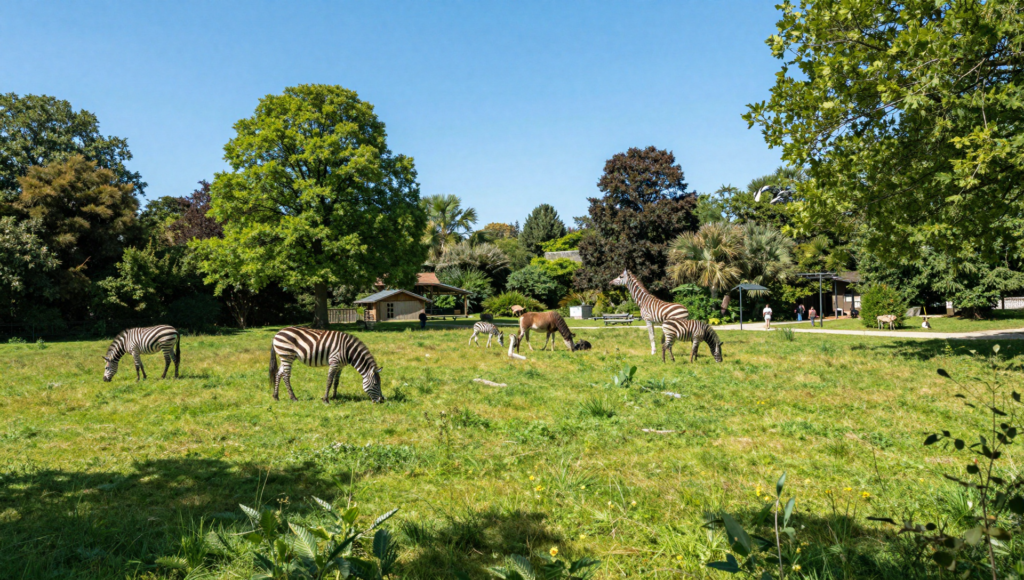
Parc Animalier de Sainte-Croix represents an important connection between people, wildlife, and nature.
The park is particularly well known for its collection of European wildlife. Visitors can encounter fascinating species such as grey wolves, Arctic wolves, lynx, bears, deer, and many different types of birds. The animals live in large habitats designed to reflect aspects of their natural environments. This allows visitors to observe their behavior while gaining a better understanding of how wild animals live and interact with their surroundings.
Wolves are among the most fascinating animals associated with Sainte-Croix. These highly intelligent and social predators live in close-knit family groups and communicate through body language, scent marking, and vocalizations. Their presence in wildlife parks can help visitors understand the important ecological role of predators. Wolves help regulate prey populations and contribute to the balance of ecosystems. By learning about them in a responsible environment, visitors may develop a greater appreciation for a species that has often been misunderstood.
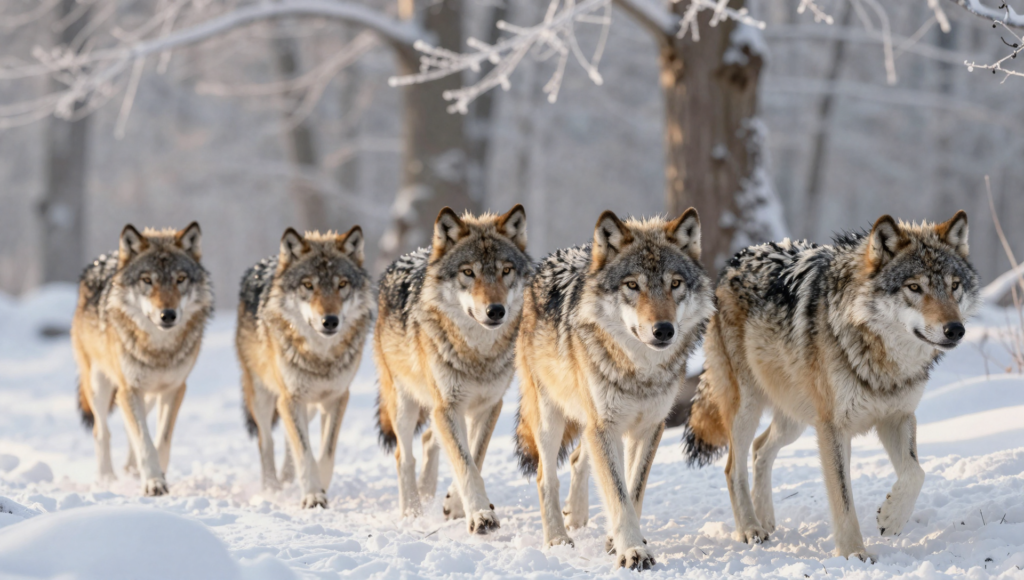
Wolves are among the most fascinating animals in the natural world. Known for their intelligence, strength, adaptability, and complex social behavior. They are highly adaptable.
The park also plays an important role in environmental education. For many people, especially children, seeing an animal in person can create a much stronger connection than simply reading about it in a book. Visitors can learn about animal behavior, habitats, food chains, conservation challenges, and the importance of protecting biodiversity. Educational experiences can encourage people to think more carefully about how human activities affect wildlife and the environment.
Sainte-Croix also demonstrates how wildlife parks can contribute to the broader goal of conservation. Many wild animals face serious threats because of habitat destruction, pollution, climate change, illegal hunting, and conflicts between humans and wildlife. Responsible wildlife parks can help raise public awareness about these challenges and encourage support for conservation programs. They can also provide opportunities for research, breeding programs, and cooperation with other conservation organizations.
The natural surroundings of the park offer another important attraction. Forests, grasslands, ponds, and lakes create a peaceful environment where visitors can slow down and reconnect with nature. In today’s busy world, people often spend much of their time surrounded by traffic, technology, and urban noise. A visit to a natural environment can provide a welcome opportunity to relax and observe the rhythms of the living world.
Spending time in nature can also contribute to mental well-being. Watching animals move through a natural landscape, listening to birds, or walking beside a lake can create a feeling of calm and reflection. The experience encourages visitors to focus on the present moment rather than the pressures of everyday life. For some people, a wildlife park can therefore become more than a tourist attraction—it can be a place of peace and emotional renewal.

Nature is a good place for relaxation. Spending thime in natural park can make your body and mind fit.
Sainte-Croix also has an international connection through wildlife conservation. Animals may sometimes be transferred between accredited zoological and wildlife institutions as part of carefully managed conservation and animal-welfare programs. In the recent case involving New Forest Wildlife Park in Hampshire, a young male grey wolf from Parc Animalier de Sainte-Croix travelled to England to join a new female wolf. The pair were brought together as part of an effort to establish a new social group.
Ultimately, Parc Animalier de Sainte-Croix represents an important connection between people, wildlife, and nature. Its work demonstrates that responsible wildlife parks can educate the public, encourage conservation, and inspire respect for the natural world. By giving people the chance to observe magnificent animals such as wolves, bears, and lynx in naturalistic settings, the park helps remind us that wildlife is not simply something to admire—it is something we have a responsibility to understand and protect.


