


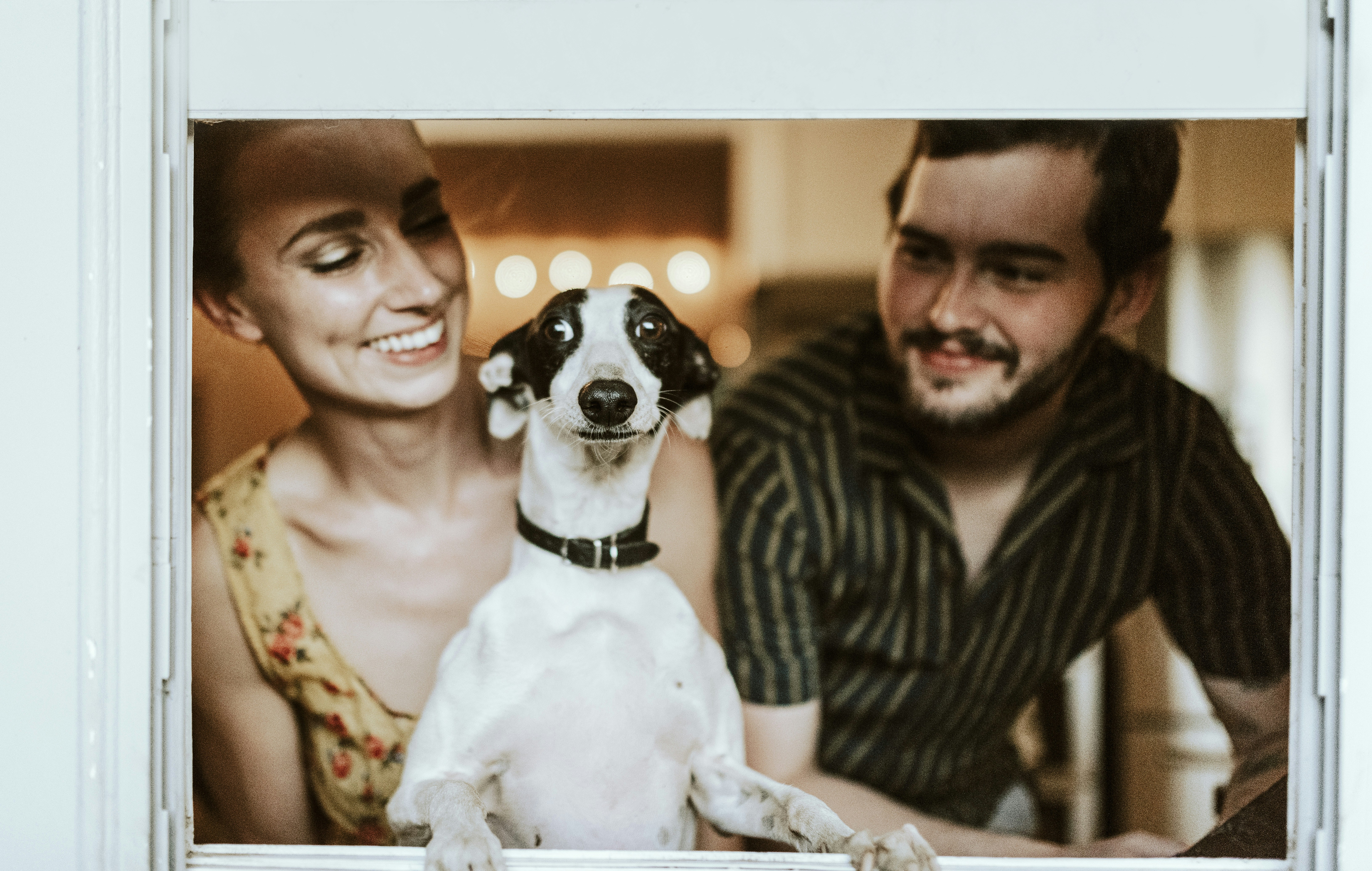
Understanding Canine Loyalty
Loyalty, in the context of dogs, is a profound emotional bond that manifests as faithfulness and attachment to their human companions. This innate characteristic has evolved as a cornerstone of the human-pet relationship, deeply rooted in the pack behavior that dogs exhibit. Historically, dogs have been social animals, thriving in communal structures; their tendency to form strong bonds is an essential survival trait. When a dog considers a human as part of its pack, loyalty emerges as an integral aspect of its psyche.
Dogs exhibit loyalty through various behaviors that emphasize their commitment to their human companions. One of the most notable expressions of canine loyalty is protection. Many breeds, such as German Shepherds and Rottweilers, are instinctively inclined to safeguard their owners from perceived threats. This protective nature is an embodiment of loyalty, as these dogs are willing to confront danger to ensure the safety of their pack.
Moreover, companionship plays a vital role in demonstrating loyalty. Dogs are innately social animals and thrive on interactions with their humans. Their joy in being near their owners and seeking physical affection, such as cuddling or play, exemplifies their loyalty to the relationship. Dogs also provide emotional support, often standing by their owners in times of distress. They possess an uncanny ability to sense human emotions, offering comfort just by being present, further solidifying their role as not just pets but loyal companions who enhance our emotional well-being.
The unwavering loyalty of dogs is a testament to their nature. Their instinctual behaviors, encapsulated in protection, companionship, and emotional support, underline the significance of the bond between dogs and humans. This loyalty enriches the human experience, fostering a relationship built on trust and mutual affection that transcends mere companionship.
The Significance of the Human-Pet Relationship
The relationship between humans and their pet dogs plays a vital role in the emotional and social development of both parties. This unique bond goes beyond mere companionship; it contributes substantially to our well-being and the well-being of our dogs. Trust is the cornerstone of this relationship, as it fosters a sense of security and safety for pets. Dogs, being pack animals, thrive in environments where they feel valued and protected. This relationship encourages them to develop their loyalty and affection towards their owners, creating a strong emotional connection.
Mutual care is another crucial element in the human-pet dynamic. Dog owners are responsible for meeting their pets’ physical and emotional needs. This includes proper feeding, grooming, and regular veterinary care. In return, dogs offer unwavering loyalty, love, and companionship. The act of caring for a pet also provides a sense of purpose for dog owners, enhancing their overall quality of life. Engaging in activities such as walking or playing together not only strengthens the bond but also promotes physical health for both parties.
Affectation plays a significant role in the quality of life shared between dogs and their owners. Dogs have an innate ability to reciprocate love and affection, offering their owners stress relief and emotional support. This bond can be particularly beneficial for individuals facing loneliness or mental health challenges, as the presence of a loyal dog can significantly improve their emotional state. The physical affection exchanged, such as petting or cuddling, releases hormones such as oxytocin, fostering feelings of happiness and connection.
Ultimately, the interplay of trust, care, and affection nurtures a profound relationship, enhancing the lives of both humans and dogs. This symbiotic relationship highlights the importance of investing time and effort into fostering strong human-pet connections, enriching both parties’ lives in numerous meaningful ways.
Dogs as Family Pets: The Role of Canine Companionship
Dogs have long been celebrated as loyal and loving companions within family dynamics. Their integration into family life is a testament to their ability to adapt and form deep connections with humans. Beyond being mere pets, dogs play a pivotal role as emotional supporters, helping to enhance interpersonal relationships among family members. The presence of a dog can foster a sense of unity and encourage regular family interactions that may not occur otherwise.
Companionship provided by dogs has been associated with numerous emotional benefits for families. Studies have shown that the unconditional love and acceptance that dogs offer can significantly reduce stress levels and promote feelings of happiness. For children, having a dog can teach valuable life lessons about responsibility, empathy, and nurturing relationships. The bond formed between children and their canine companions often leads to mutual growth; children learn to care for their pets, while dogs provide unwavering loyalty and affection.
However, it is essential to recognize that with the joy of dog ownership comes a set of responsibilities. Families adopting a dog must commit time, effort, and resources to ensure the well-being of their pet. This includes proper training, regular exercise, and routine veterinary care. Furthermore, families should consider their lifestyle and the specific needs of the breed they are choosing to adopt. Each dog’s personality and temperament can differ greatly, making it crucial to find a pet that aligns with the family’s dynamics and lifestyle.
In conclusion, dogs significantly enhance family life, offering companionship and emotional support while also requiring commitment and responsibility from their owners. A well-integrated canine companion not only enriches the household but also serves as a reminder of the profound bond that exists between humans and pets.
Emotional Wellbeing: How Dogs Contribute to Mental Health
The companionship of dogs has long been recognized for its profound impact on human emotional well-being. Numerous scientific studies have validated the therapeutic role dogs play in mitigating mental health issues such as stress, anxiety, and depression. Research from institutions like the American Psychological Association highlights that interacting with dogs can significantly lower cortisol levels, a hormone closely linked to stress. This physiological response is complemented by the release of oxytocin—the ‘love hormone’—which fosters a sense of connection and happiness among dog owners.
Moreover, dogs provide a unique form of support that extends beyond mere companionship. For instance, individuals grappling with anxiety may find comfort in their dog’s presence, as the act of petting a dog has been shown to release endorphins, which enhance mood. Furthermore, studies have indicated that dog ownership can encourage physical activity, which is another avenue through which mental health is improved. The routine walks and playtime not only benefit the animal but also serve as a vital exercise regimen for the owner, thereby reducing symptoms of depression and fostering a more active lifestyle.
Testimonials from dog owners further illuminate the emotional benefits of having an animal companion. Many recount experiences where their dogs provided necessary emotional support during difficult times, offering unwavering loyalty and companionship. The daily bond shared with a dog can impart a sense of purpose and encourage social interaction, positively influencing the owner’s overall mental health. Through these affirmations and scientific backing, it is evident that dogs do not merely fill the role of a pet; they significantly enhance their owner’s sense of emotional stability and general happiness.
Canine Behavior and Understanding Your Dog’s Needs
Understanding dog behavior is crucial for pet owners aiming to cultivate a deep, meaningful relationship with their canine companions. Canines, like all animals, have unique ways of communicating their feelings, desires, and needs. A fundamental aspect of this communication involves body language. For instance, a wagging tail can indicate excitement or happiness, while a tucked tail might suggest fear or submission. By observing these non-verbal cues, owners can begin to decipher their dog’s emotional state, which leads to better interactions and a stronger bond.
Additionally, dogs may display various behaviors that indicate their desires or discomfort. Barking is a primary form of communication, but understanding the context is key. A dog barking at the door may indicate excitement at a visitor, while continuous barking could stem from anxiety or a need for attention. Recognizing these nuances allows pet owners to respond appropriately, be it through positive reinforcement, training, or providing comfort when necessary.
Furthermore, it is essential to consider the environment in which the dog is placed. Dogs thrive on routine and predictability, and any changes can lead to stress or behavioral issues. It is crucial for owners to remain observant, noting significant changes in their dog’s behavior. For instance, if a previously sociable dog begins to show signs of withdrawal, this may necessitate a reevaluation of their environment or social interactions.
In fostering a harmonious relationship, owners must prioritize consistent training, socialization, and mental stimulation. Engaging with dogs through regular exercise and interactive play not only fulfills their physical needs but also satisfies their thirst for connection. By learning to read and respond to their canine’s signals and behaviors effectively, pet owners can build a trusting partnership, enhancing loyalty and overall well-being.
Strengthening the Bond: Activities to Enhance Loyalty
Engaging in activities with your dog is essential for cultivating a strong bond and enhancing loyalty. Regular walks not only provide physical exercise but also stimulate your dog’s senses and facilitate exploration. The rhythmic pace of walking allows for bonding moments, where you can communicate and enjoy shared experiences. Dogs thrive on routine, so establishing a regular walking schedule can enhance their sense of security and attachment.
Playtime is another aspect that should not be overlooked. Activities such as fetching, tug-of-war, or interactive games can significantly bolster the bond between you and your pet. Play serves as an outlet for energy, helping to prevent behavioral issues while simultaneously fostering trust and companionship. Furthermore, quality playtime encourages positive reinforcement and improves your dog’s overall well-being.
Training sessions are a vital part of enhancing loyalty and strengthening the bond between you and your dog. Teaching basic commands, tricks, or even participating in agility training not only sharpens their skills but also reinforces your role as a leader. Consistent training fosters respect and understanding, making your dog feel more secure in the relationship. Incorporating regular training sessions into your routine can stimulate your dog’s mental capacities, further embedding loyalty.
Socialization is equally important. Exposing your dog to various environments, people, and other dogs can positively influence their behavior and perception of the world. This shared exploration enhances the bond through mutual experiences and helps your dog feel more confident and adaptable. Consider arranging playdates with other dogs or visiting dog parks, where your pet can thrive in social settings.
In conclusion, engaging in regular activities such as walks, play, training, and socialization not only strengthens the bond between dogs and their owners but also enhances the overall well-being of our canine companions. By fostering loyalty through these shared experiences, we can ensure a fulfilling relationship that lasts a lifetime.
The Impact of Training on Dog Loyalty and Behavior
Training plays a crucial role in shaping not only a dog’s behavior but also its loyalty towards its owner. Proper training techniques can significantly improve a dog’s obedience, lowering the likelihood of behavioral issues while reinforcing a positive bond between the pet and the owner. Various training methods, such as positive reinforcement, clicker training, and obedience classes, can establish clear communication between dogs and their humans, resulting in a more harmonious relationship.
Positive reinforcement, in particular, has proven to be one of the most effective methods for encouraging desired behaviors in dogs. By rewarding a dog with treats, praise, or affection when it performs a desired action, the owner can build a sense of trust. This approach fosters a dog’s motivation to learn and behave in ways that please its owner. Over time, this increased trust translates into heightened loyalty, as the dog learns that its needs—including companionship, support, and validation—are fulfilled through their human counterpart.
In addition to shaping behavior, the training process itself can serve to strengthen the emotional bond between dog and owner. Engaging in training activities creates shared experiences that allow for deeper understanding and mutual respect. Couple this with regular interactive play and socialization opportunities, and one can amplify the overall impact of training on a dog’s loyalty. Dogs that are adequately trained tend to exhibit behaviors that signify strong loyalty, including protective instincts and a desire to stay close to their owners.
In essence, the importance of effective training cannot be overstated. It not only enhances a dog’s behavioral repertoire but also fortifies the fundamental trust upon which loyalty is built. As owners embark on the journey of training their pets, they cultivate a relationship characterized by companionship, respect, and unwavering loyalty.
Dog Loyalty in Different Breeds: What to Expect
Dog loyalty is a trait that resonates deeply with pet owners and potential adopters. However, it is essential to note that the extent and expression of loyalty can significantly vary among different dog breeds. Understanding these differences can help prospective owners make informed decisions when selecting a breed that aligns with their lifestyle and expectations.
For instance, some breeds are renowned for their unwavering loyalty and protective instincts. The German Shepherd is often cited as one of the most loyal breeds, displaying both devotion and a strong desire to protect its family. They are not only intelligent and highly trainable but also form deep emotional connections with their owners, making them excellent companions.
On the other hand, breeds such as the Jack Russell Terrier may exhibit loyalty in a more playful and energetic manner. While they may not have the same protective instincts as some larger breeds, their loyalty manifests through their spirited nature and willingness to engage in play and companionship. This breed is ideal for active individuals or families who can match their energy levels.
Additionally, the Labrador Retriever is frequently recognized for its friendly demeanor and loyalty. Known for their sociable temperament, Labradors are likely to form strong bonds with their families, making them top choices for families with children. Their enthusiasm and affection, combined with a calm disposition, underscore their loyalty as they seek to please their owners.
In contrast, independent breeds like the Basenji, while loyal, may display their loyalty differently. They often possess a strong independent streak, which might make them less overtly affectionate compared to more dependent breeds. Understanding these traits is crucial for prospective owners to foster a healthy relationship with their dogs.
Ultimately, assessing loyalty involves considering each breed’s unique characteristics and aligning them with one’s lifestyle. This awareness fosters a relationship built on mutual understanding and respect between the dog and the owner.
Conclusion: Embracing the Lifelong Journey of Loyalty
Reflecting on the profound loyalty exhibited by dogs, it becomes increasingly evident that the bond shared between humans and their canine companions transcends mere companionship. This relationship is forged through mutual love, respect, and commitment, representing a lifelong journey that significantly enriches the lives of both parties.
Being a responsible pet owner entails more than just providing food and shelter; it includes fostering an enriching environment wherein the dog feels secure and valued. Dog loyalty stems from the trust built through daily interactions, training, and moments of joy. This trust is foundational in developing a profound emotional connection that often leads to genuine companionship. Such relationships remind us of the inherent responsibilities that must be met to nurture this bond effectively.
Moreover, the loyalty of dogs serves as a lesson in unconditional love, resilience, and emotional support. Many pet owners recount how their loyal companions have been a source of comfort during challenging times, highlighting the significant role dogs play in human emotional well-being. As such, pet owners are encouraged to appreciate these canines, recognizing the depth of the emotional connection that is cultivated over the years.
Ultimately, embracing the lifelong journey of loyalty means accepting both the joys and challenges that accompany pet ownership. Responsibilities include regular veterinary care, proper training, and ample time spent engaging in activities that strengthen the bond. Acknowledging the significance of dog loyalty fosters a deeper appreciation of the human-pet relationship, making the experience incredibly rewarding.


