


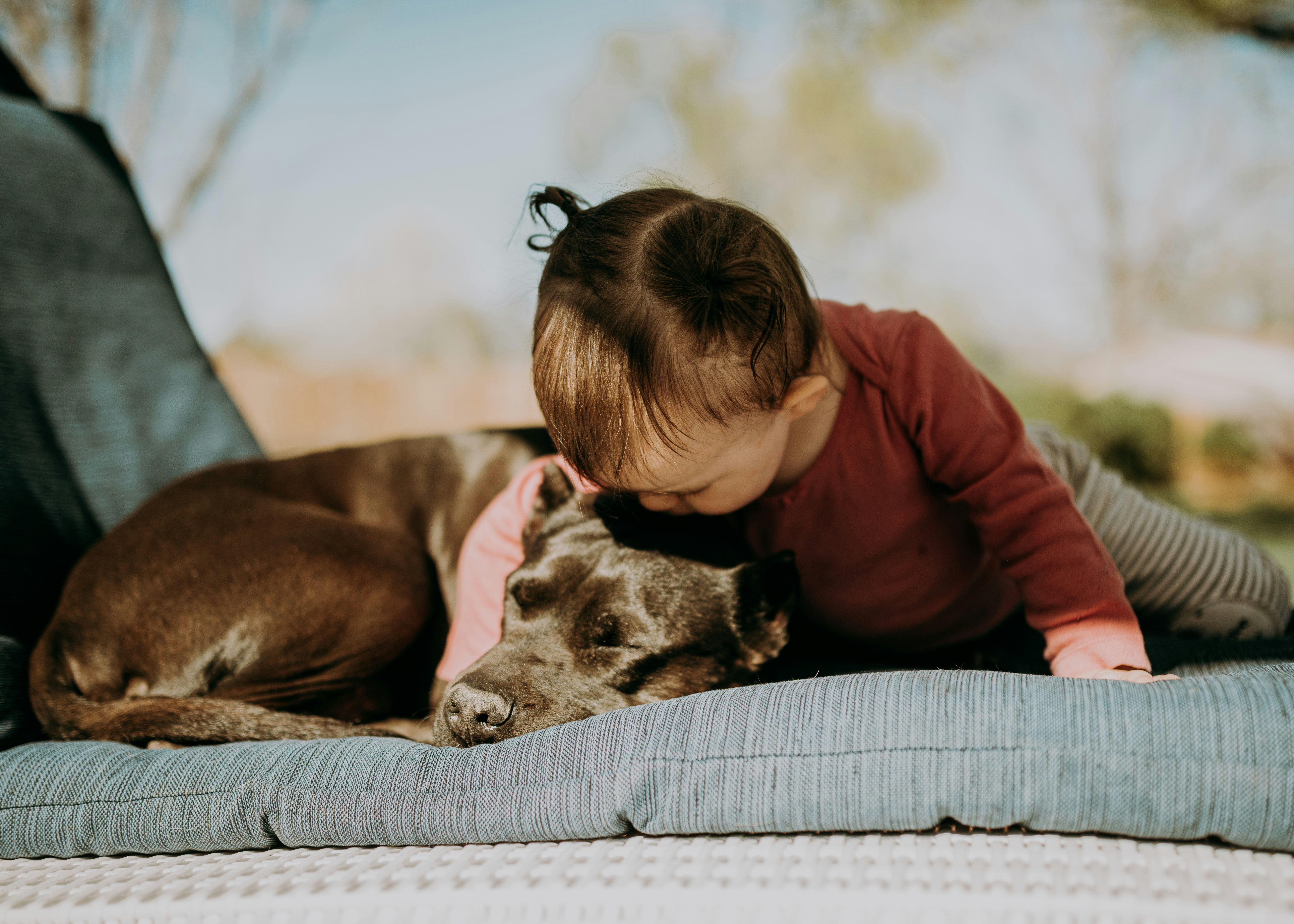
The Importance of Early Childhood Development
Early childhood development is a fundamental period that lays the framework for a child’s future. It encompasses various domains including emotional, social, cognitive, and physical growth, each contributing significantly to the overall development of the child. During these formative years, children are particularly sensitive to experiences and interactions that shape their personality and capabilities.
Emotional development is crucial in early childhood. Children begin to understand their own emotions and those of others. Nurturing relationships, such as those formed with family dogs, offer enriching experiences that promote emotional intelligence. Interacting with pets encourages children to express affection, develop empathy, and learn social cues, fostering strong emotional bonds that contribute to their overall well-being.
Social growth is equally vital, as children learn to navigate their relationships with others. Engaging with a family dog can facilitate social skills through companionship and play. These interactions often serve as a foundation for learning how to establish friendships and cooperate with peers, thereby enhancing communication abilities and building confidence.
Cognitive development involves the enhancement of thought processes and problem-solving skills. Research highlights that positive experiences, such as reading to a pet, not only promote literacy but also improve cognitive skills. Such activities stimulate curiosity and imagination, which are essential for understanding complex concepts later in life.
Physical growth cannot be overlooked either. Active play with a family dog encourages outdoor activities, fostering physical health through exercise. Additionally, such engagement offers numerous benefits for fine and gross motor skills development.
Various theories, including Erikson’s stages of psychosocial development, emphasize the importance of nurturing relationships during this critical phase. The bond that children share with their pets, particularly dogs, enriches their learning capacities and facilitates holistic development. In this light, the role of family dogs transcends companionship and evolves into a significant aspect of the child’s developmental journey.
The Benefits of Reading to Pets
Reading to pets, particularly family dogs, presents an engaging method for children to cultivate a love for literacy. This unique experience not only entertains the canine companion but also enhances various aspects of a child’s development. Many parents have noted that when children read aloud to their dogs, they can focus better on the material, embracing the process of storytelling without fear of judgment.
This environment fosters improved literacy skills by allowing children to practice reading in a non-threatening setting. The family dog acts as a patient audience, encouraging the child to navigate through the text at their own pace. This creates a low-pressure situation that can help boost confidence as children learn to articulate words and concepts without the anxiety that often accompanies reading in front of peers or adults.
Moreover, reading to pets serves as a safe space for children to express themselves. As they narrate stories, kids may share their thoughts, feelings, or experiences that they might hesitate to discuss with others. The non-judgmental nature of dogs allows children to express their emotions freely, helping them develop emotional intelligence. This dynamic not only strengthens the bond between the child and dog but also promotes empathy, as children learn to understand and articulate their feelings through storytelling.
In essence, the act of reading to family dogs creates an enriching atmosphere where children can thrive. They practice literacy, gain confidence, and learn to articulate their emotions—all while building a special relationship with their pet. This unique interaction not only benefits the child but also enhances the overall family dynamic, fostering an environment that supports learning and emotional growth.
Building Empathy Through Interaction with Dogs
Interactions with family dogs serve as a critical avenue for fostering empathy in children. Dogs are inherently expressive animals, often communicating their feelings and needs through non-verbal cues such as body language and vocalizations. When children engage with dogs, they learn to interpret these signals, which enhances their ability to understand emotional expressions in other beings, both animal and human. This non-verbal communication fosters the development of empathy—a foundational skill in emotional intelligence.
Activities that involve caring for dogs play a significant role in this learning process. For instance, grooming, feeding, and walking family pets can teach children responsibility and the importance of attending to another being’s needs. These tasks require children to recognize when a dog is happy, anxious, or uncomfortable, translating these experiences into better awareness of their peers’ emotions. As children learn to care for their pets, they build a sense of empathy that extends beyond their immediate surroundings.
Moreover, sharing experiences with dogs can help children navigate social complexities while developing interpersonal skills. For example, when a child learns to play fetch with a dog, they must understand the dog’s excitement, patience, and sometimes frustration. This shared activity teaches the child about the give-and-take nature of relationships, encouraging them to be attentive and responsive to the feelings of others, which in turn enhances their ability to forge meaningful connections with their peers.
Through consistent and caring interactions with family dogs, children not only learn to empathize with their pets but also cultivate valuable social skills that will be essential as they grow into adults. The lessons learned from these interactions are invaluable, establishing a foundation of understanding that can lead to more compassionate and empathetic human relationships later in life.
Supporting Childhood Wellbeing with Pets
Childhood wellbeing encompasses a range of factors that contribute to a child’s physical, emotional, and social health. Family pets, particularly dogs, play a significant role in enhancing these aspects, proving to be invaluable companions during the formative years of a child’s life. The presence of dogs in a household can foster emotional stability in children, providing comfort and security through their unconditional love and companionship.
Research indicates that interactions with dogs can lead to positive adjustments in a child’s emotional health. For instance, the act of petting a dog can significantly reduce stress levels, promoting a sense of relaxation and calm. This mental and emotional support is crucial, especially during challenging times, helping children navigate their feelings and develop resilience.
Moreover, owning a dog encourages children to engage in physical activity, such as walking, playing fetch, or engaging in other outdoor games. Regular physical activity is crucial not only for maintaining physical health but also for developing social skills as children often play with their peers during such activities. These outdoor adventures foster a sense of responsibility in children, as they learn the importance of caring for another living being and the duties associated with pet ownership.
To cultivate a healthy environment for children alongside furry companions, it is essential for parents to establish routines regarding pet care, including feeding, grooming, and regular veterinary visits. This not only ensures the well-being of the dog but also instills a sense of responsibility and routine in children. Encouraging children to participate in these tasks can lead to a nurturing relationship between them and their family dog, further enhancing their overall emotional and social development.
In conclusion, family dogs contribute significantly to childhood wellbeing by fostering emotional stability, promoting physical health through activity, and encouraging responsibility. The bond between children and their dogs creates a nurturing environment that supports holistic development throughout their early years.


