




Introduction to Regenerative Medicine
Regenerative medicine is an innovative field that aims to repair, replace, or regenerate damaged tissues and organs in the human body. Its significance is grounded in the potential to provide solutions for conditions that currently have limited treatment options, including degenerative diseases, traumatic injuries, and congenital abnormalities. By harnessing biological processes and leveraging advancements in science, regenerative medicine presents a transformative approach that moves beyond traditional methodologies of treatment and focuses on restoration and healing.
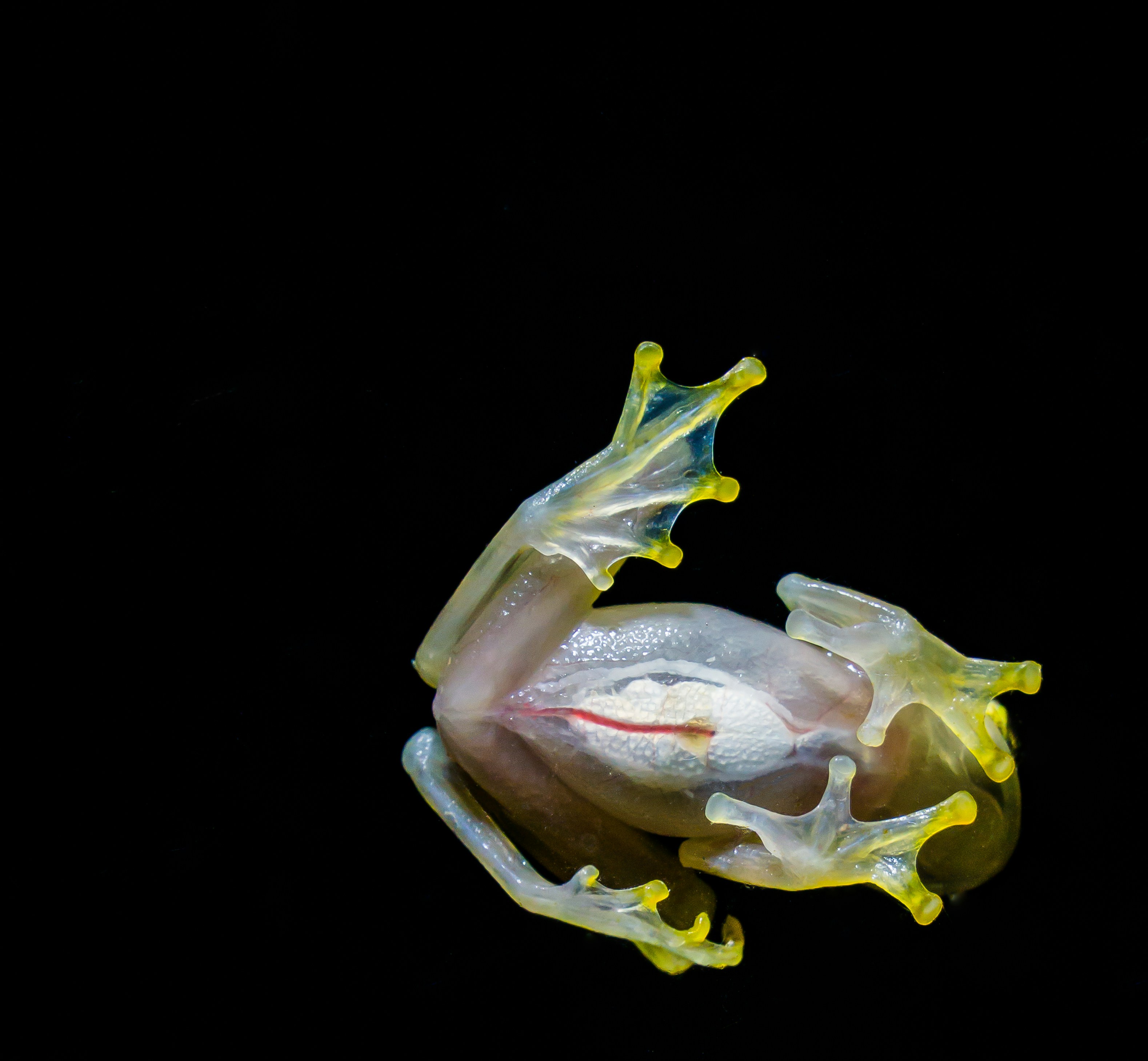
The principles behind regeneration can be observed in certain species within the animal kingdom, notably amphibians such as frogs. These organisms possess remarkable abilities to regenerate lost limbs, tails, and other parts, which provide valuable insights into the underlying mechanisms of tissue regeneration. Studying these biological processes sheds light on the potential applications for human medicine, where similar regenerative capabilities could revolutionize treatment strategies.
At its core, regenerative medicine involves the use of stem cells, tissue engineering, and biomaterials to stimulate the body’s natural healing processes. Stem cells, with their unique capacity to differentiate into various cell types, play a critical role in regenerative therapies. Furthermore, advances in biomaterials technology enable scientists to create scaffolds that support cell growth and tissue formation, facilitating the regeneration of complex structures. The combination of these components holds the promise of not only repairing but fully restoring functionality to damaged tissues.
As researchers delve deeper into the biological mechanisms behind regeneration in species like frogs, the potential implications for human health are becoming increasingly apparent. The knowledge gained from these studies is driving the development of novel therapies and medical interventions that could one day lead to breakthroughs in regenerative medicine.
The Remarkable Biology of Frogs
Frogs possess fascinating biological traits that underscore their exceptional capability for limb regeneration. Their evolutionary adaptations have positioned them as one of the leading models in regenerative medicine research. Unlike many other species, frogs have unique cellular mechanisms that allow them to not only heal wounds but also to regenerate complex structures such as limbs that have been lost due to injury or predation. This remarkable ability is primarily attributed to their specialized muscle cells, which can shift roles in the regenerative process.
At the cellular level, frogs utilize a process known as dedifferentiation, wherein mature cells revert to a more primitive state, allowing them to develop into different types of cells necessary for limb regrowth. This process is crucial as it enables the transformation of various cell types into progenitor cells that can then proliferate and differentiate into specialized tissues, including cartilage, muscle, and skin. Notably, the presence of a blastema—a mass of cells capable of growth and regeneration—is critical during the limb regeneration phase. The frog’s limb regrowth unfolds through distinct stages, including the formation of this blastema, followed by the outgrowth and differentiation phases.
Environmental factors also play a significant role in the regenerative capacity of frogs. Their habitats, typically moist and rich in resources, facilitate cellular activities and provide the required nutrients for regeneration. The aquatic stages of their lifecycle offer additional advantages, as these environments can mitigate the effects of predatory threats, thus enhancing their chances of successful limb regrowth. Understanding the unique biology and regenerative processes in frogs not only illuminates how these amphibians adapt to their environments but also guides scientists in unraveling the complex mechanisms behind limb regeneration, with potential implications for advanced regenerative therapies in humans.
Recent Breakthroughs in Frog Limb Regeneration
Recent advancements in the field of regenerative medicine have brought significant insights into the mechanisms of limb regeneration in frogs, particularly those of the species Xenopus laevis. Various scientific studies have revealed intricate biological processes that enable these amphibians to regrow lost limbs, raising the potential for similar applications in human medicine.
One of the pivotal breakthroughs emerged from a study published in Nature, where researchers identified specific molecular pathways involved in the regeneration process. Researchers found that after an amputation, a unique structure known as the “blastema” forms at the injury site, serving as a reservoir of stem cells. This blastema is crucial for rebuilding the limb, as it assimilates signals that trigger cellular differentiation and tissue growth. Understanding the signaling pathways that govern the formation and development of the blastema is vital for potential regenerative applications in humans.
Additionally, another significant study has explored the role of the extracellular matrix (ECM) in amphibian regeneration. The ECM provides a scaffold for cellular attachment and communication during healing. Scientists have aimed to replicate the conditions of the ECM in laboratory settings after analyzing frog specimens—a process that could enhance regenerative outcomes across other species. Furthermore, the secretion of specific growth factors during the regeneration phase has opened new avenues for research, pointing towards the possibility of developing therapies based on these biological signals.
Collectively, these breakthroughs in understanding frog limb regeneration present a promising frontier in regenerative medicine. They not only deepen our comprehension of biological regrowth mechanisms but also inspire innovative approaches towards limb regeneration therapies for humans, potentially overcoming current limitations in surgical recovery and tissue engineering.
Can This Research Be Applied to Humans?
The remarkable ability of some amphibians, particularly frogs, to regenerate lost limbs has sparked considerable interest in the field of regenerative medicine. Researchers have identified various biological mechanisms that govern this process in frogs, suggesting that similar principles might be leveraged to enhance healing and regeneration in humans. However, the translation of these findings into clinical applications remains fraught with challenges and questions.
One significant hurdle is the discrepancy between amphibian and human biology. Frogs possess unique regenerative capabilities, largely attributed to their evolutionary adaptations. For example, amphibian limb regrowth relies heavily on a structure known as the blastema, which facilitates the regrowth process. Humans, conversely, do not have a naturally occurring equivalent of the blastema, making direct applications of frog limb regeneration research complicated. The fundamental differences in cellular structure, genetic makeup, and the intricate signaling pathways between species pose significant challenges for scientists attempting to bridge this gap.
Moreover, understanding the role of stem cells in regeneration is crucial. While frogs can mobilize stem cells to facilitate tissue regrowth, the factors that trigger this response are not fully understood. Scientists are investigating whether similar mechanisms can be induced in human cells to stimulate regeneration. In addition, ethical considerations arise when contemplating the manipulation of genetic information or stem cell therapy for regenerative purposes. Safety, efficacy, and long-term outcomes remain paramount in research efforts aimed at future therapeutic interventions.
In conclusion, while the study of frog limb regeneration offers promising insights, significant scientific and ethical hurdles must be addressed before applying this knowledge to human medicine. Continued research may one day unveil methods to mimic regenerative processes, paving the way for groundbreaking advancements in treating limb loss and other injuries in humans.
The Science Behind Tissue Regeneration
Tissue regeneration stands as one of the most fascinating phenomena in biology, with diverse organisms exhibiting remarkable capabilities for repair and regrowth. A key player in this process is stem cells, which possess unique properties enabling them to differentiate into various cell types. In species such as frogs, the regeneration of limbs is a well-studied example, demonstrating the intricate interplay of cellular mechanisms involved.
At the onset of regeneration, the formation of a blastema—a mass of cells capable of growth and regeneration—occurs at the site of the wound. This process is stimulated by the activation of stem cells, which migrate to the injury site and proliferate. Signaling pathways, particularly those involving Wnt, FGF (Fibroblast Growth Factor), and BMP (Bone Morphogenetic Protein), play crucial roles in guiding these cells. Understanding the role of these pathways is pivotal for scientists seeking to apply regenerative medicine principles in human healthcare.
Tissue engineering further complements natural regeneration by utilizing scaffolds and biomaterials to support cell growth and tissue formation. The combination of stem cells and engineered materials can replicate the microenvironment needed for successful regeneration. Gene expression regulation is another critical aspect of tissue regeneration. Specific genes must be activated or silenced to control the differentiation of stem cells into desired tissues, ensuring that the regenerated structures function properly, similar to their original counterparts.
The study of genes that govern regeneration opens doors to potential applications in treating injuries and degenerative diseases in humans. As researchers delve deeper into the molecular intricacies of regeneration in animals like frogs, it becomes increasingly clear that understanding these processes has vast implications for advancing regenerative medicine. Potential breakthroughs in therapies could lead to novel treatments that mimic the extraordinary regenerative abilities observed in nature.
Ethical Considerations in Regenerative Research
The pursuit of advancements in regenerative medicine, particularly through the study of animal models such as frogs, raises significant ethical considerations. Central to these concerns is the welfare of the animals involved in the research process. Researchers are tasked with adhering to strict ethical standards that govern the treatment of animals, ensuring that their use is justified and humane.
Animal welfare considerations encompass a range of factors, including the conditions in which the animals are kept, the procedures they undergo, and the potential pain and suffering they may experience. It is paramount for scientists to employ practices that minimize discomfort and adhere to guidelines established by regulatory bodies and ethical review boards. This commitment not only safeguards the well-being of animal subjects but also upholds the integrity of the scientific research being conducted, as compromised welfare can lead to biased results.
Moreover, scientists have a responsibility to ensure that their research contributes to meaningful outcomes that can benefit both human and animal health. This necessitates a clear justification for the use of animal models, as well as transparency regarding the potential implications of their findings. Ethical research practices demand that researchers consider alternative methods before resorting to animal studies. Techniques such as in vitro models or computer simulations can sometimes provide reliable data without the need for live subjects, highlighting the importance of maximizing the relevance and efficiency of scientific inquiry.
In conclusion, while the exploration of regenerative medicine through the lens of animal research presents promising avenues, it is imperative that ethical considerations remain at the forefront. By prioritizing animal welfare and maintaining rigorous ethical standards, scientists can advance their research responsibly, ultimately leading to significant breakthroughs in the field of regenerative medicine.
Future Directions for Regenerative Medicine
The advancements in regenerative medicine, particularly inspired by studies on amphibians such as frogs, highlight a promising future for therapeutic applications and innovative research directions. The remarkable ability of these creatures to regenerate limbs not only fascinates scientists but also serves as a vital blueprint for human medicine. In the pursuit of understanding the mechanisms behind limb regrowth, researchers are delving into genetic, cellular, and molecular processes that govern regeneration in frogs. These insights could pave the way for breakthroughs in treating debilitating injuries and congenital disabilities in humans.
One potential area for development is the application of gene editing technologies, such as CRISPR-Cas9, to modify human cells to mimic the regenerative capabilities of frogs. This innovative approach might enable the activation of dormant pathways for tissue regeneration, ultimately leading to significant advancements in limb reconstruction and healing therapies. Furthermore, understanding the signaling pathways involved in frog regeneration could shed light on enhancing natural healing processes in humans, particularly post-surgery or after traumatic injuries.
Additionally, integrating tissue engineering with scaffold technology represents another promising avenue within the field of regenerative medicine. By creating biocompatible scaffolds that provide structural support, scientists hope to cultivate new tissues that can integrate seamlessly with existing biological structures. This bioprinting technology is on the rise and has already begun to show potential in producing customized grafts that could revolutionize transplant medicine.
As the landscape of regenerative medicine continues to evolve, collaborative efforts between researchers in genetics, bioengineering, and clinical practice will be essential. By drawing inspiration from the natural world, particularly amphibians like frogs, the future of regenerative medicine may not only redefine how we approach healing human injuries but could also ultimately enhance the quality of life for countless individuals seeking restoration and recovery.
Real-World Applications: Current Treatments and Innovations
The field of regenerative medicine is steadily evolving, with existing treatments increasingly inspired by the remarkable regenerative capabilities observed in various species, including frogs. These advancements highlight the potential to harness the principles of regeneration for therapeutic purposes. One notable application is organ transplantation, which has greatly benefited from innovations in tissue engineering and regenerative medicine techniques. For instance, bioengineered organs and tissues are being developed to reduce the reliance on donor organs, thereby addressing the critical shortage of available transplants.
Moreover, advanced wound healing strategies exemplify ongoing innovations in regenerative medicine. Techniques such as the application of stem cells and growth factors promote faster healing of wounds while reducing scarring. For instance, the use of platelet-rich plasma (PRP) therapy has gained traction in clinical settings, leveraging the body’s own healing components to accelerate recovery in soft tissue injuries.
Beyond these applications, regenerative principles are increasingly applied in treating degenerative diseases. Cell-based therapies and gene editing technologies are paving the way for interventions that can restore normal function to damaged tissues and organs. For example, researchers are exploring methods to use induced pluripotent stem cells (iPSCs) to generate patient-specific cell types for transplantation, minimizing the risk of rejection and improving treatment outcomes.
The incorporation of bioprinting technology in creating tissue scaffolds further exemplifies the innovative applications stemming from regenerative research. This groundbreaking approach allows for the precise arrangement of cells within a biomaterial framework, mimicking the structure of natural tissues. As these advancements in regenerative medicine continue to develop, they hold the promise of transforming how we approach treatment for various medical conditions, enhancing patient care and improving quality of life.
Conclusion: A Leap Forward in Medicine
The ongoing research into the limb regeneration capabilities of frogs represents a significant milestone in the field of regenerative medicine. Frogs, particularly species such as the African clawed frog (Xenopus laevis), showcase remarkable abilities to regrow limbs after injury, paving the way for a deeper understanding of the biological mechanisms behind this phenomenon. The insights gained from studying these amphibians could have transformative implications for human medicine, particularly in the treatment of traumatic injuries and degenerative diseases.
As scientists decode the genetic and molecular pathways that facilitate limb regeneration in frogs, the possibility of applying similar principles to human biology becomes more promising. Studies have shown that certain mechanisms, such as the activation of specific genes and the role of stem cells, are pivotal in the regeneration process. Understanding these processes could lead to breakthroughs in therapies that could enable humans to heal from injuries that would otherwise be permanent.
The prospects of regenerative medicine are indeed encouraging. The use of biomaterials, bioengineering, and advanced cellular therapies continues to evolve, aiming at mimicking the regenerative abilities observed in frogs and other organisms. Such advancements hold the potential to revolutionize treatment strategies, offering hope for those suffering from limb loss or severe injuries.
In conclusion, the studies on frog limb regeneration not only advance our knowledge of biological healing but also inspire further research into regenerative approaches for human applications. As scientists delve deeper into this intriguing area, the horizon for regenerative medicine expands, suggesting a future where regeneration is not just a natural phenomenon for some species, but a reality for humankind as well.


