




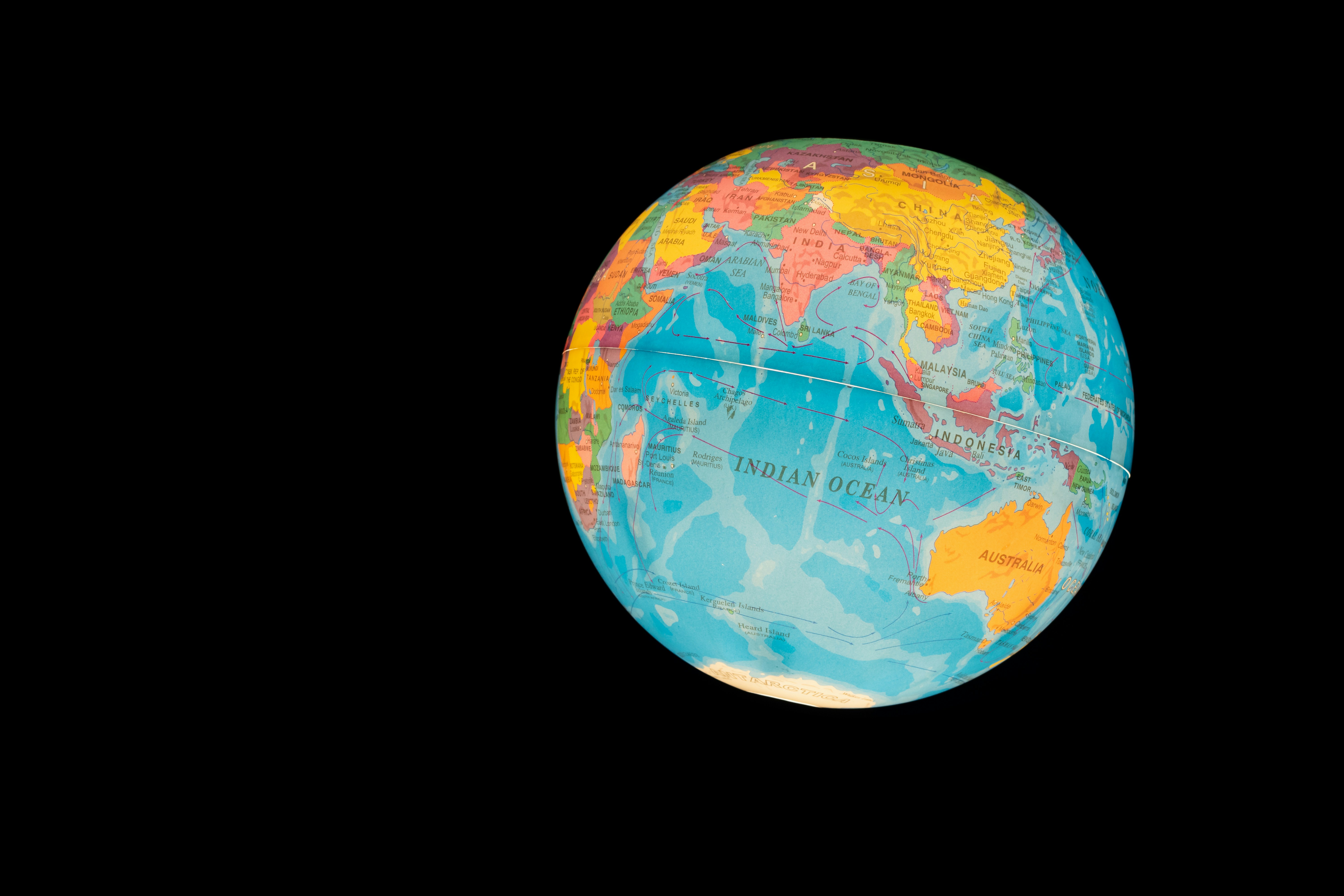
Understanding Earth’s Oceans: Coverage and Distribution
Oceans are vast bodies of saltwater that cover approximately 71% of the Earth’s surface and play a crucial role in shaping the planet’s climate and weather patterns. They are essential components of the global ecosystem, contributing to biodiversity and serving as habitats for a wide variety of marine life. The significance of oceans extends beyond mere physical presence; they are vital for human existence, providing food, transportation, and recreational opportunities, while also being a source of renewable energy and materials.
The oceans are divided into five major regions: the Pacific, Atlantic, Indian, Southern, and Arctic Oceans. Each of these oceans has unique characteristics in terms of depth, temperature, salinity, and biodiversity. The Pacific Ocean, for example, is the largest and deepest ocean, while the Atlantic is known for its significant role in maritime trade and exploration. Understanding the coverage and distribution of these oceans is critical for several reasons, including the impact of climate change, marine conservation efforts, and the management of ocean resources.
The oceans also play a key role in regulating the Earth’s climate by absorbing carbon dioxide and heat from the atmosphere. This natural process helps mitigate the effects of climate change but is increasingly threatened by pollution, overfishing, and habitat destruction. Therefore, awareness and understanding of the oceans’ coverage and distribution are imperative for fostering an environmentally sustainable future. By studying the composition and health of our oceans, we can enhance our ability to address environmental challenges and promote better management of ocean resources.
Global Ocean Coverage: An Overview
Earth is often referred to as the “Blue Planet” due to the extensive coverage of its oceans, which constitute approximately 71% of the planet’s surface. This staggering proportion highlights the significance of oceans not only as vast bodies of water but also as critical components influencing our global ecosystem. The oceans play a pivotal role in regulating the world’s climate by absorbing solar radiation and controlling temperature fluctuations. They act as a major heat reservoir, influencing both local and global weather patterns.
Moreover, the distribution of oceans affects the planet’s biodiversity. The different oceanic regions, including the Atlantic, Pacific, Indian, Arctic, and Southern Oceans, each host unique ecosystems and marine life. These areas are home to millions of species, many of which are still undiscovered. The vastness of the oceans allows for a diversity of habitats, from coral reefs to deep-sea trenches, enabling various organisms to thrive. However, this biodiversity is increasingly threatened by human activities, including overfishing, pollution, and climate change.
Furthermore, the oceans play a crucial role in carbon sequestration, absorbing significant amounts of carbon dioxide from the atmosphere. This process helps mitigate the effects of global warming; however, increasing levels of ocean acidification due to heightened carbon absorption pose new challenges to marine life. The interconnectivity of climate, biodiversity, and ocean coverage underscores the importance of preserving and understanding these vital bodies of water. The implications of such coverage extend beyond environmental concerns to social and economic factors, including fisheries, tourism, and maritime navigation.
Water Distribution on Earth
The Earth is often referred to as the “Blue Planet” due to the vast expanse of water that covers approximately 71% of its surface. This aquatic landscape primarily consists of oceans, which account for about 96.5% of the total volume of Earth’s water. The extensive saline waters are integral to various climatic and ecological processes, influencing weather patterns and sustaining marine life. Among the five major oceans—Atlantic, Pacific, Indian, Arctic, and Southern—each plays a crucial role in global hydrology.
In addition to the saline waters of the oceans, fresh water also holds significant importance, although it constitutes a mere 2.5% of the total water on Earth. The majority of this freshwater is trapped in glaciers and ice caps, particularly in regions like Antarctica and Greenland. These frozen reserves play a vital role in regulating sea levels and the climate. Estimates suggest that approximately 68.7% of fresh water is stored in ice, while only about 30.1% is found in groundwater, a source that plays a critical role in drinking water and irrigation.
Moreover, surface water sources such as rivers, lakes, and reservoirs contribute to the overall distribution of fresh water. Rivers, while covering a relatively small area, are essential for transporting nutrients and supporting biodiversity within ecosystems. For instance, the Amazon River system is pivotal for maintaining the health of the rainforest as it nourishes wildlife and serves human populations along its banks. Additionally, underground aquifers represent a crucial reservoir of groundwater that is tapped for agricultural and urban use, showcasing the multifaceted nature of water distribution on our planet. Understanding these different sources of water is essential for sustainable management and conservation efforts, given the increasing pressures from climate change and population growth.
Statistics about Earth’s Oceans
Earth is a planet dominated by water, and its oceans play a pivotal role in shaping the Earth’s environment. The total volume of water in our oceans is estimated to be around 1.332 billion cubic kilometers. This immense amount of water is distributed across five main oceans: the Pacific, Atlantic, Indian, Southern, and Arctic. Among these, the Pacific Ocean stands out as the largest, covering an area of approximately 63 million square miles (165 million square kilometers). This accounts for nearly 46% of the world’s oceans, highlighting the ocean’s vastness compared to land areas, with the total land area of Earth being roughly 57 million square miles (148 million square kilometers).
The average depth of the oceans also accentuates their significance and mystery. The average depth is about 3,800 meters (12,500 feet), eclipsing land elevation significantly. The deepest part of the ocean, known as the Mariana Trench, reaches a staggering depth of about 10,994 meters (36,070 feet), a stark contrast to the highest point on land, Mount Everest, which stands at approximately 8,848 meters (29,029 feet). Therefore, if one were to position Mount Everest into the Mariana Trench, it would remain submerged beneath the ocean’s surface.
When considering the entire surface area of all oceans combined, it amounts to around 361 million square kilometers. Comparatively, this spatial extent dominates the limited surface area of continents, underscoring the oceans’ overarching presence. Furthermore, oceans not only support marine biodiversity but also play a critical role in regulating global climate patterns. These statistics reflect just how significant the oceans are to our planet, serving as an effective reminder of their importance in the Earth’s ecosystem.
The Surface Area of the Ocean
The Earth’s oceans cover a remarkable surface area of approximately 361 million square kilometers, which constitutes about 71% of the planet’s entire surface. This vast expanse is significantly greater than the total land area, which is estimated at around 149 million square kilometers, making the ocean a dominant feature of Earth’s geography. The size of the ocean plays a crucial role not only in marine navigation but also in ecological balance.
Among the five major oceans, the Pacific Ocean stands out as the most extensive, spanning about 168 million square kilometers. This immense body of water is larger than all the continents combined and includes various islands and atolls. The Atlantic Ocean, covering about 85 million square kilometers, is the second largest, serving as a vital corridor for maritime trade and cultural exchange between North America and Europe. Following closely is the Indian Ocean, which has a surface area of approximately 70 million square kilometers and has become increasingly important for shipping routes and fishing.
The Southern Ocean encircles Antarctica and covers about 21 million square kilometers, playing a significant role in climate regulation through ocean currents. The Arctic Ocean, while the smallest of the five, has an area of about 15 million square kilometers and is crucial for global weather patterns. Understanding the surface area of these oceans is essential for multiple reasons, including navigation, as marine routes are heavily influenced by oceanic geography. Additionally, the vastness of the oceans contributes to diverse habitats that support a variety of marine life, thereby emphasizing the significance of these bodies of water in maintaining ecological equilibrium.
Marine Geography Facts
Marine geography plays a crucial role in understanding the intricate interplay between the physical characteristics of the oceans and the life they support. Covering more than 70% of the Earth’s surface, oceans are not just vast bodies of water; they harbor a complex tapestry of geographical features that influence climate and marine biodiversity. One such prominent feature is oceanic trenches, which are the deepest parts of the ocean floor, reaching depths that can exceed 10,000 meters. The Mariana Trench, for example, is known for its extreme conditions yet hosts unique life forms adapted to withstand immense pressure.
Mid-ocean ridges are another fascinating aspect of marine geography, representing underwater mountain ranges formed by tectonic activity. These ridges are significant not only for their geological importance but also as hotspots of marine life, where hydrothermal vents provide nutrients and support diverse ecosystems. The unique environmental conditions in these areas foster species that are not found anywhere else on the planet.
Continental shelves, the submerged edges of continents, serve as critical habitats for various marine organisms. These regions are characterized by shallow waters, which allow sunlight to penetrate and support rich biodiversity. The food web here is pivotal for marine life, as it nurtures countless species that thrive in these productive ecosystems. Furthermore, the distribution of these marine features directly influences ocean currents and, consequently, global climate patterns.
Lastly, various marine ecosystems such as coral reefs, mangroves, and seagrass beds contribute to marine geography by providing vital services like coastal protection and carbon sequestration. Understanding these geographical attributes of the oceans is essential for addressing environmental challenges and conserving marine resources.
World Ocean Coverage Data and Maps
The Earth’s surface is overwhelmingly covered by oceans, which collectively account for approximately 71% of the planet’s surface area. This substantial coverage plays a critical role in regulating the Earth’s climate, supporting diverse marine ecosystems, and providing resources for human use. An analysis of global ocean coverage data showcases how these vast bodies of water encapsulate the land masses, forming a complex interaction between terrestrial and aquatic environments.
Recent mapping technologies, combined with satellite imagery, offer detailed visualizations of ocean distribution across the globe. These maps reveal how oceans like the Pacific, Atlantic, Indian, Southern, and Arctic envelop various continents, influencing weather patterns and biodiversity. For instance, the Pacific Ocean, the largest of all oceans, is particularly noted for its extensive coverage, while regions like the Arctic feature unique characteristics and challenges due to their changing ice levels.
Utilizing ocean coverage maps allows for better understanding of marine boundaries as well as the significant areas of influence each ocean holds over the world’s climate and water systems. These visual tools not only demonstrate the geographical expanse of oceanic water but also highlight critical zones such as the coral triangle in the Pacific and the biodiversity hotspots located in various ocean regions. Understanding ocean coverage is essential not only for ecological research but also for effective management of marine resources.
In summary, examining global ocean coverage data through maps provides invaluable insight into the interconnectedness of the Earth’s oceans and land masses. By visualizing these relationships, we gain a clearer perspective on how oceanic systems operate and the implications of their vast presence on both ecological and human systems.
The Hydrosphere: An Overview
The hydrosphere encompasses all the waters on Earth, including the oceans, rivers, lakes, glaciers, and underground reservoirs. Of this vast hydrosphere, oceans represent the most significant component, covering approximately 71% of the planet’s surface. These immense bodies of saltwater are not only pivotal for supporting life but also play a crucial role in regulating the Earth’s climate systems.
Oceans interact dynamically with both the atmosphere and lithosphere, creating a multi-faceted environment essential for sustaining natural ecosystems. Through the process of evaporation, oceans transfer water vapor into the atmosphere, which contributes to weather patterns and precipitation. Additionally, oceans absorb a substantial amount of solar radiation, helping to moderate Earth’s surface temperature. This heat distribution ensures that the planet does not experience extreme temperature fluctuations, which could adversely impact various biological processes.
Moreover, oceans act as a carbon sink, absorbing about 30% of the atmospheric carbon dioxide produced by human activities. This interaction between oceans and the atmosphere is vital for regulating greenhouse gases and, thus, plays a significant role in global climate change. The hydrosphere also interacts with the lithosphere, as geological activities such as volcanic eruptions can influence ocean chemistry and temperature, while sedimentation and erosion processes contribute nutrients to marine ecosystems.
The interplay of these three spheres—hydrosphere, atmosphere, and lithosphere—highlights the complex and interdependent nature of Earth’s systems. Understanding the hydrosphere’s role not only enhances our knowledge of environmental processes but also underscores the importance of protecting oceanic health to maintain global biodiversity and climate stability.
Conclusion: The Importance of Ocean Coverage
Understanding the coverage and distribution of the Earth’s oceans is of paramount importance for several reasons that extend beyond mere geographic knowledge. Covering approximately 71% of the Earth’s surface, oceans play a crucial role in regulating climate, supporting diverse ecosystems, and providing resources essential for human survival. The vastness of the marine environment directly influences weather patterns and climate change, making it imperative that we closely monitor and comprehend these dynamics.
Moreover, the oceans are home to an unparalleled diversity of life, acting as vital habitats for countless marine species. This biodiversity is not only critical for ecological balance but also for the livelihoods of communities dependent on fishing and marine resources. Understanding ocean coverage aids in effective marine conservation efforts, ensuring we can protect these habitats while allowing for sustainable practices that meet human needs.
As the world grapples with increasing challenges such as climate change, pollution, and overfishing, a deep understanding of oceanic patterns and shifts becomes essential. Awareness and education surrounding ocean coverage empower policymakers and the global community to make informed decisions aimed at preserving our oceans. Sustainable management initiatives hinge on accurate data regarding ocean systems, directly influencing the health of our planet and future generations.
In conclusion, grasping the significance of ocean coverage is critical not only for scientific understanding but also for implementing practical solutions to global challenges. As stewards of the Earth, it is our responsibility to foster a sustainable relationship with our oceans, recognizing their value in maintaining the planet’s ecological integrity and supporting human endeavors.


