


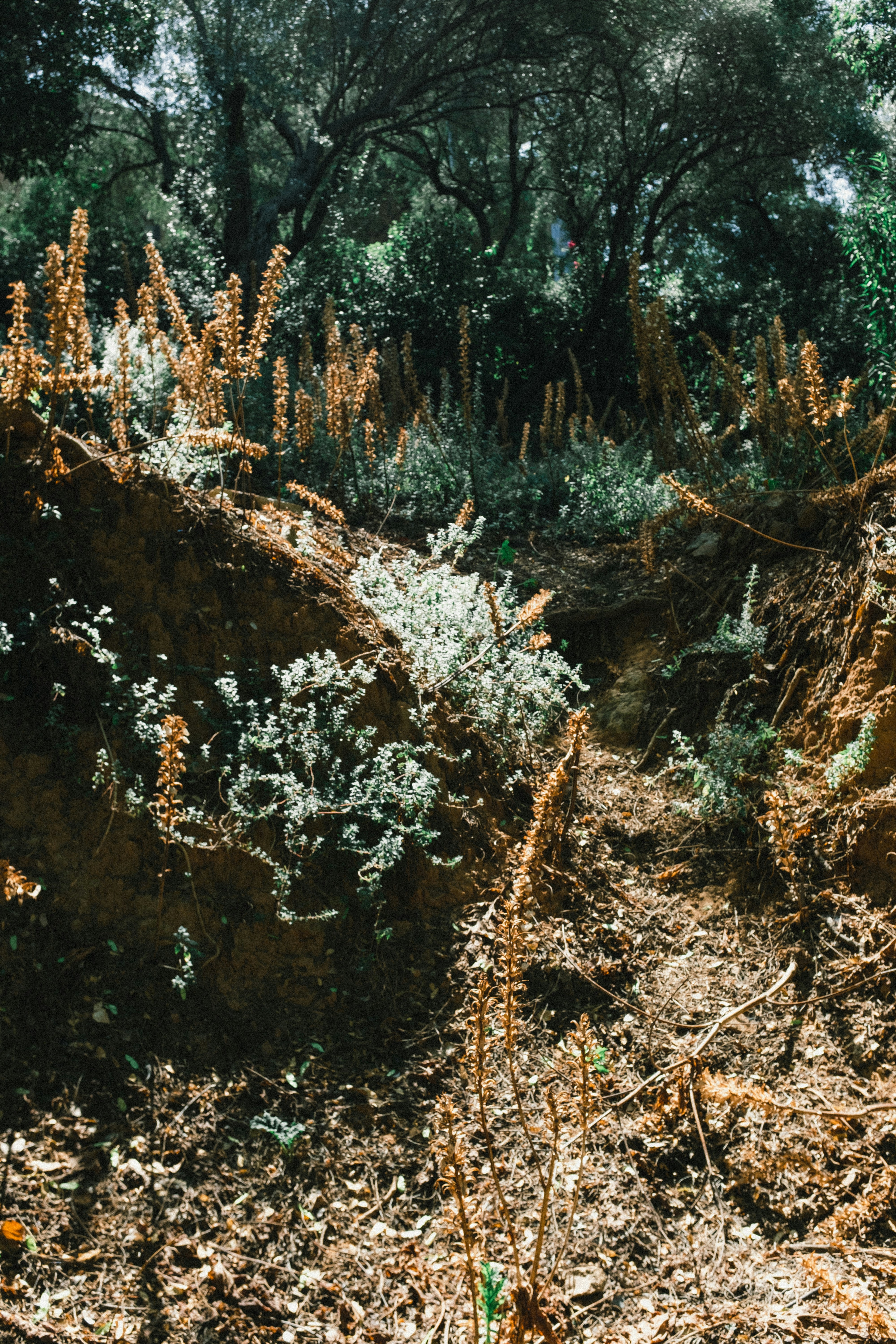
Introduction to Nature
Nature, often viewed as the physical universe, encompasses an expansive array of living organisms, environmental elements, and various phenomena that exist independently from human intervention. This intricate web of life is not merely a backdrop for human activity; it forms the very foundation of existence itself. From the vast oceans teeming with biodiversity to the minute microorganisms that play critical roles in ecosystem health, nature is a complex and interconnected system that is vital to our understanding of life.
When we speak of nature, we refer to both the biotic and abiotic components that interact to sustain life. Biotic factors include all living organisms—plants, animals, fungi, and microorganisms—while abiotic factors encompass elements such as soil, water, air, and sunlight. Together, these components create the myriad ecosystems that allow life to flourish. Understanding nature requires an appreciation of these relationships and the delicate balance that sustains them.
The significance of nature extends beyond mere survival; it plays a pivotal role in shaping human culture, health, and well-being. The natural world has provided humanity with resources necessary for survival, including food, raw materials, and medicinal compounds. Furthermore, nature influences psychological wellness, offering spaces for recreation and relaxation that are critical for mental health. As urbanization and technology advance, the imperative to comprehend nature’s workings becomes increasingly pertinent. Recognizing the intrinsic value of nature fosters a sense of stewardship, encouraging sustainable practices that ensure its preservation for future generations.
In delving deeper into the functions of nature, we will uncover not only its role in supporting life but also its profound impact on human experience. From the cycles of growth and decay to the vast landscapes that inspire awe, nature is a multi-faceted entity that deserves our respect and understanding.
The Laws of Nature
The laws of nature form the fundamental principles that govern the behavior of the physical universe and the living organisms within it. These unchangeable laws dictate how natural systems interact, maintaining the delicate balance that sustains life on Earth. Among these principles, the laws of conservation, evolution, and physics are pivotal in understanding ecological dynamics and the sustainability of life.
The law of conservation, particularly the laws of conservation of mass and energy, asserts that within an isolated system, matter and energy cannot be created or destroyed; they can only change forms. This principle ensures that ecosystems operate within fixed limits, recycling nutrients and energy through processes such as photosynthesis and decomposition. For instance, plants use sunlight to convert carbon dioxide and water into glucose, which sustains not only themselves but also herbivores and, subsequently, predators in the food chain.
Evolution, another key law of nature, explains how species adapt over time through the process of natural selection. Organisms with traits that better suit their environments have higher survival and reproductive rates, leading to gradual changes in populations. This principle is crucial for understanding biodiversity and the complexities of interspecies relationships, as well as the ongoing impact of human activities on the planet’s ecosystems.
Additionally, the laws of physics govern interactions at both macroscale and microscale levels, dictating the motion of celestial bodies and the behavior of atoms. These laws are integral in understanding natural phenomena from gravity to electromagnetism, shaping the physical world around us. Understanding these laws enables researchers and policymakers to develop sustainable practices that align with nature’s guidelines, crucial for preserving the health of the planet.
Nature’s Role in Human Life
Nature plays a crucial role in sustaining human life, providing essential resources that are fundamental to our survival and well-being. At the core of this relationship lies the air we breathe, which is vital for our existence. Forests and oceans act as natural air purifiers, absorbing carbon dioxide and releasing oxygen. This symbiotic process underscores the importance of preserving these ecosystems to ensure that future generations continue to benefit from clean air.
Water, another indispensable natural resource, is essential not only for drinking but also for agriculture, sanitation, and industry. Freshwater ecosystems, such as rivers and lakes, supply the freshwater we require, while wetlands serve as crucial buffers against flooding and serve to filter pollutants. The depletion and pollution of these water sources have significant implications for human health and food security, highlighting the need for sustainable management of our water resources.
In addition to air and water, nature provides us with food. Agricultural systems depend on fertile soil, biodiversity, and a stable climate to produce crops and livestock. The interdependence between humans and nature is evident in this context, as practices that harm the environment can lead to diminished food production and increased food insecurity. Sustainable agricultural practices that maintain soil health and promote biodiversity are essential for ensuring food security for the growing global population.
Furthermore, raw materials sourced from nature are crucial for industries ranging from construction to pharmaceuticals. A balanced approach to resource extraction is necessary to minimize ecological impact while meeting human needs. The interplay of human activity and natural systems emphasizes the importance of a sustainable relationship with our environment, ensuring that natural resources are available for future generations.
Biodiversity: The Web of Life
Biodiversity refers to the variety of life on Earth, encompassing the different species of plants, animals, fungi, and microorganisms, as well as the ecosystems they form. This intricate web of life is essential for maintaining ecological balance and sustaining the planet. Each species plays a unique role in its ecosystem, through interactions that include predation, competition, and symbiosis. These relationships are crucial, as they help regulate populations, fertilize soils, and recycle nutrients, ultimately supporting the overall health of ecosystems.
The importance of biodiversity extends beyond mere species counts; it reflects the complexity of life and the interactions that occur within ecosystems. For instance, pollinators such as bees and butterflies are vital for the reproduction of many flowering plants. Their decline due to habitat loss or pesticide use can have dire consequences for food production and the stability of various ecosystems. Similarly, predators help control prey populations, preventing overgrazing or overpopulation which could lead to habitat degradation.
Preserving biological diversity is paramount for a healthy planet and resilient ecosystems. Each component of biodiversity contributes to ecosystem functions that are essential for human well-being, including clean air and water, climate regulation, and food security. The loss of a single species can have cascading effects, disrupting these processes and jeopardizing the services they provide to humanity. Therefore, efforts to conserve biodiversity—such as habitat restoration, protected areas, and sustainable resource management—are critical not only for wildlife but also for the countless benefits that ecosystems provide to people.
Nature’s Forces: The Natural Phenomena
The forces of nature encompass a variety of phenomena that play a crucial role in shaping our environment and influencing human activities. Among these forces, weather patterns stand out due to their immediate impact on daily life. Weather, influenced by atmospheric conditions, varies significantly across different regions, creating diverse climates and ecosystems. From the gentle breezes of coastal areas to the fierce storms of the tropics, these weather variations determine agricultural practices, urban planning, and disaster preparedness strategies.
Geological activities represent another fundamental force of nature. The Earth’s crust is subject to various dynamic processes, including plate tectonics, volcanic eruptions, and earthquakes. These activities not only reshape the planet’s landscape but also enrich the soil, create natural resources, and sometimes pose risks to human settlements. Understanding these geological phenomena is vital for both anticipating natural disasters and harnessing the Earth’s resources responsibly.
Ocean currents also constitute a significant natural force with profound environmental implications. Driven by wind patterns, temperature differences, and the Earth’s rotation, these currents regulate climate by distributing heat across the globe. They influence marine life migration, weather systems, and even global trade routes. The interconnected nature of ocean currents and atmospheric conditions illustrates the complex web of natural relationships that sustain life on Earth.
As we observe these natural forces, it becomes evident that they are integral to the functioning of our planet. Their interplay not only supports ecosystems but also challenges and shapes human endeavors. Understanding these phenomena creates an essential foundation for addressing environmental issues and planning for a sustainable future.
The Impact of Human Activity on Nature
Human activity has significantly impacted the environment, with consequences that can be observed on various levels. One of the most pressing concerns is pollution, which encompasses air, water, and soil contamination arising from industrial processes, vehicular emissions, and improper waste disposal. Pollutants released into ecosystems can lead to the degradation of natural habitats, adversely affecting the flora and fauna dependent on these environments.
Deforestation, driven largely by agriculture, logging, and urban sprawl, further compounds the challenges facing the natural world. By clearing vast areas of forest, we disrupt the balance of ecosystems essential for sustaining biodiversity. This loss of habitat not only threatens countless species but also diminishes the planet’s capacity to absorb carbon dioxide, amplifying the risks associated with climate change.
Climate change itself, primarily fueled by greenhouse gas emissions from human activities, poses an existential threat to the natural environment. Rising temperatures, altered precipitation patterns, and increasing frequency of extreme weather events are just a few manifestations of this global phenomenon. These alterations impact not only the climate but also the species that inhabit these shifting landscapes, forcing many to adapt, migrate, or face extinction.
Urbanization plays a critical role in these environmental challenges. As urban areas expand, the natural landscapes are replaced by concrete, and green spaces are often compromised. This not only leads to habitat loss but also affects local wildlife and contributes to the urban heat island effect, further stressing the natural elements of nearby ecosystems. As cities grow, the demand for resources escalates, leading to unsustainable practices that can permanently alter ecological systems.
To mitigate these impacts, adopting sustainable practices is essential. Emphasizing renewable energy sources, sustainable agriculture, and conservation efforts can significantly lessen human activities’ adverse effects on nature. Through conscientious actions, society can strive to restore the balance between development and environmental stewardship.
Conservation Efforts and Nature Restoration
Conservation efforts play a vital role in maintaining the integrity of natural ecosystems and combating the degradation caused by human activity. Various initiatives, both at local and global levels, aim to protect biodiversity and restore environments that have suffered from deforestation, pollution, and climate change. One significant approach to conservation is the establishment of protected areas, such as national parks and wildlife reserves. These areas are designated to preserve the habitats of endangered species and allow ecosystems to thrive without the interference of development and exploitation.
Moreover, community engagement and governmental support are crucial for the success of conservation initiatives. Many projects have demonstrated that involving local communities in conservation efforts leads to more sustainable outcomes. For instance, community-based conservation programs empower individuals to manage natural resources, thus ensuring the protection of local wildlife while simultaneously supporting the livelihoods of those who depend on these resources. A notable example can be found in Madagascar, where local groups manage protected areas, resulting in significant regeneration of native flora and fauna.
Additionally, various organizations work to rehabilitate degraded lands through restoration ecology. This entails the process of assisting in the recovery of ecosystems that have been damaged or destroyed. Restoration projects often focus on reforestation, wetland restoration, and the reintroduction of native species. Success stories in these areas often demonstrate the importance of a multifaceted approach that includes scientific research, community involvement, and adequate funding. For example, the restoration of the Kissimmee River in Florida illustrates how concerted efforts among governmental agencies, non-profits, and local citizens can lead to the revival of a vital ecosystem, improving both biodiversity and water quality.
Ultimately, the collaborative nature of these conservation efforts highlights the need for shared responsibility among governments, organizations, and individuals. By working together, we can ensure the protection of our planet’s precious natural resources and facilitate efforts toward a more resilient and biodiverse future.
Nature in Art and Culture
Throughout history, nature has served as a profound source of inspiration for artists, writers, and various cultural expressions. From the intricate landscapes of the Impressionists to the vivid depictions seen in traditional Asian art, the manifestations of nature are boundless. Various cultures interpret and represent nature through their artistic practices, showcasing its significance not just as a backdrop but as a crucial component of human experience.
In many Indigenous cultures, nature is often at the heart of spiritual beliefs and artistic expression. Natural elements such as rivers, mountains, and wildlife are frequently embedded in ancient stories and legends, symbolizing the interconnectedness of all living beings. These representations highlight the deep respect and reverence these cultures have for the natural world, imbuing their art with spiritual significance.
Literature, too, reflects humanity’s relationship with nature. Poets like William Wordsworth, who celebrated the beauty and tranquility of the natural world, have profoundly influenced how society perceives nature. Nature-themed literature often evokes emotions such as peace, nostalgia, or even longing, which speaks to innate human connections with the environment. Works can be seen as both a reflection of nature’s beauty and a commentary on the human condition in relation to the changing landscapes around us.
Moreover, the modern era has witnessed a growing movement towards environmentalism in artistic practices. Contemporary artists are increasingly using their work as a platform to raise awareness about ecological issues, ensuring that the message of preserving nature resonates within culture. This evolving relationship signifies more than just artistic inspiration; it embodies humanity’s urgent need to safeguard the environment amid pressing challenges. By exploring nature in art and culture, one can appreciate the capacity of this relationship to shape our understanding of existence, identity, and the world we inhabit.
The Future of Nature and Humanity
As humanity continues to progress and evolve, the integral relationship with nature is becoming increasingly significant. The future of this relationship hinges on our collective ability to embrace environmental stewardship and institute sustainable living practices. The rapid industrialization and urbanization over the past century have led to a myriad of environmental challenges, prompting a necessary reevaluation of our interaction with the natural world. The consequences of neglecting our duty towards nature are dire, impacting biodiversity, climate stability, and the health of ecosystems.
To ensure the health of our planet for future generations, it is imperative that we adopt practices that conserve natural resources and promote ecological balance. Environmental stewardship encapsulates the idea that humanity is responsible for managing and protecting the environment. This can be achieved through various forms of sustainable living, such as reducing waste, utilizing renewable energy sources, and supporting conservation efforts. The collective adoption of these practices can lead to a more resilient planet, capable of supporting both human endeavors and the myriad forms of life that share our home.
Moreover, education plays a pivotal role in shaping a future where humanity can coexist harmoniously with nature. By fostering awareness and understanding of environmental issues, we can instill a sense of responsibility in younger generations. Encouraging eco-conscious behaviors, such as recycling, conservation, and respecting wildlife, will be fundamental in cultivating a culture of sustainability.
Looking ahead, the relationship between nature and humanity must evolve towards mutual respect and interdependence. Our survival and well-being are inexorably tied to the health of the Earth. As we embrace environmental stewardship and sustainable practices, we not only protect our planet but also ensure a better future for the generations to come.


