




Anak Krakatau Erupts, Sending Ash 15 Kilometres Into the Sky
Indonesia — September 5, 2026: Indonesia’s Anak Krakatau volcano erupted strongly early Saturday, sending volcanic ash to an altitude of around 15 kilometres (48,000 feet) above sea level, according to volcanic ash monitoring reports. The eruption occurred at around 12:50 a.m. local time, with satellite observations showing a high-altitude ash plume moving westward at roughly 74 km/h. A separate ash layer reached about 5.5 kilometres and was moving south.
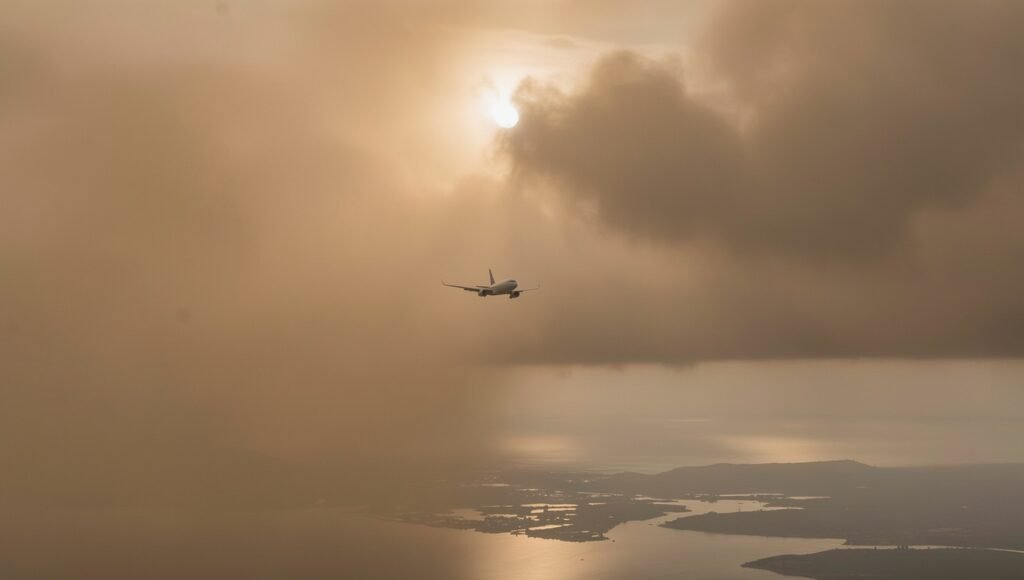
The high-altitude ash prompted aviation warnings covering parts of the Jakarta and Melbourne flight-information regions. Volcanic ash can pose a serious hazard to aircraft because it can damage engines and reduce visibility. Anak Krakatau sits in Indonesia’s Sunda Strait between Java and Sumatra and is the volcano that emerged from the remnants of the historic Krakatau system. Authorities and aviation agencies continue to monitor the eruption and the movement of the ash cloud.
Anak Krakatau: A Remarkable Volcanic Island
Discover the geological story, formation, activity and importance of Anak Krakatau, one of Indonesia’s most famous volcanic islands.
What Is Anak Krakatau?
Anak Krakatau is an active volcanic island that developed from the remains of the Krakatoa volcanic system. It is one of the world’s best-known examples of a new volcanic island forming and growing through repeated eruptions.
The island is part of a highly active volcanic region of Indonesia. Magma rising beneath the Sunda Strait has repeatedly produced lava, ash and other volcanic material, allowing the volcanic cone to grow above the surrounding sea.
How Did the Volcanic Island Form?
The history of Anak Krakatau is closely connected with the enormous eruption of Krakatoa in 1883. That catastrophic eruption dramatically changed the volcanic landscape of the Sunda Strait.
After the destruction of the old Krakatoa volcanic structure, volcanic activity continued beneath the sea. A new volcanic cone gradually emerged from the water and became known as Anak Krakatau.
The island continued to grow through successive eruptions. Lava, volcanic ash and fragmented rock accumulated around the vent, creating new layers and increasing the size and elevation of the island.
An Active Volcanic Island
Unlike many islands that remain geologically quiet for long periods, Anak Krakatau is highly active. Its appearance can change as eruptions add new volcanic material or remove parts of the cone.
Eruptions can produce ash plumes, lava flows, volcanic gases and explosions. The surrounding waters can also be affected by falling volcanic material and changes to the shape of the island.
The 2018 Collapse
One of the most significant events in Anak Krakatau’s recent history occurred in December 2018, when a large portion of the volcanic cone collapsed into the sea.
The collapse generated a tsunami that affected coastal areas around the Sunda Strait. The event demonstrated how volcanic activity can create hazards beyond lava and ash, particularly when unstable volcanic material enters the ocean.
Why Does Anak Krakatau Matter to Scientists?
Anak Krakatau provides scientists with a valuable natural laboratory. Because the island has developed relatively recently, researchers can study how volcanic landscapes are constructed and modified over time.
Scientists can observe changes in the volcanic cone, lava flows, volcanic deposits and surrounding marine environment. Such observations can improve understanding of volcanic processes and help researchers assess future hazards.
Volcanoes and Marine Ecosystems
Volcanic islands do not exist separately from the surrounding ocean. Eruptions can introduce ash and minerals into marine environments while changing coastlines and underwater habitats.
The Sunda Strait is also an important marine region. Fish and other marine organisms depend on surrounding waters for food and shelter. Learn more about small schooling marine fish in our article about sardines.
Interesting Facts About Anak Krakatau
- Anak Krakatau means “Child of Krakatoa.”
- It is located in Indonesia’s Sunda Strait.
- The island formed after the historic 1883 Krakatoa eruption.
- It remains an active volcanic system.
- Its shape and size can change because of volcanic eruptions.
- A major volcanic flank collapse occurred in 2018.
- The 2018 collapse generated a destructive tsunami.
- The island provides scientists with an important natural laboratory for studying volcanism.
Anak Krakatau as a Natural Laboratory
The continuing growth and erosion of Anak Krakatau allow researchers to observe geological processes that normally take place over much longer periods. New lava and ash deposits can be examined to understand how volcanic islands are constructed.
At the same time, the island demonstrates that volcanic landscapes are constantly changing. Eruptions may build land, while explosions, erosion and landslides can remove it. This makes Anak Krakatau a particularly fascinating example of Earth’s dynamic geology.
Conclusion
Anak Krakatau is much more than a volcanic island in the Sunda Strait. It represents an ongoing geological process in which magma, eruptions, ocean waves and erosion continually reshape the landscape.
Its connection to the historic Krakatoa eruption, continuing volcanic activity and dramatic 2018 collapse make Anak Krakatau an important subject for volcanology and natural-hazard research.
Explore More on The Science Online
Learn more about marine life and ocean ecosystems through our Sardine article.
You can also explore other science, wildlife and marine-life articles available throughout The Science Online.


