




Introduction to Gunung Lambak
Gunung Lambak, located in Johor, Malaysia, is a prominent mountain that stands as a significant geographical landmark in the region. Rising to an elevation of approximately 510 meters, it offers not only breathtaking scenery but also serves as an important habitat for a rich array of flora and fauna. Its geographical significance is underscored by its strategic position within Southeast Asia, a region known for its exceptional biodiversity. Gunung Lambak is enveloped by lush rainforests, which are some of the most biologically diverse ecosystems on the planet.
The mountain is characterized by a variety of ecological niches that contribute to its status as a biodiversity hotspot. Various species of plants, mammals, birds, and insects thrive in this environment, making it a critical area for conservation efforts. The temperate climate and abundant rainfall create optimal conditions for the survival of numerous endemic species, some of which are unique to this locale. As a result, Gunung Lambak provides valuable ecosystem services, including carbon sequestration, water filtration, and soil stabilization.
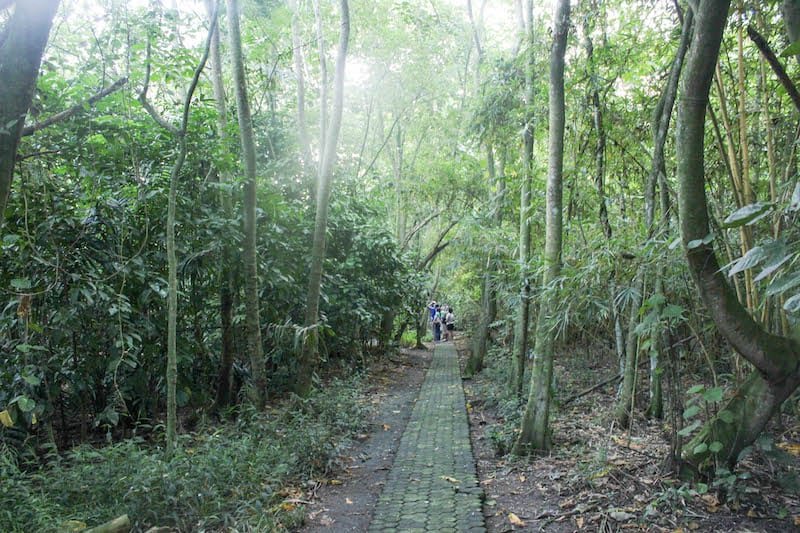
Moreover, Gunung Lambak’s rich biodiversity is complemented by its historical and cultural significance to the local communities. The mountain is not only a natural treasure but also a site of various cultural practices. As visitors hike its trails, they are afforded the opportunity to engage with the diverse ecosystems that flourish here. These elements together highlight the importance of preserving Gunung Lambak, not just for its natural wealth but also for its role in supporting the livelihood of local populations and promoting ecotourism.
The Ecosystem of Gunung Lambak
The ecosystem of Gunung Lambak is a vibrant tapestry of life, rich in biodiversity, and comprising various habitats that play crucial roles in maintaining ecological balance. The primary habitat found in this area is the tropical rainforest, characterized by dense vegetation and a high level of rainfall. This rainforest provides a unique environment, fostering the growth of an extensive range of plant species, including towering trees, shrubs, and ground cover that serve as the foundation for the ecosystem.
In addition to the rainforest, Gunung Lambak features several waterfalls and rivers that contribute significantly to its ecological diversity. Waterfalls serve as natural habitat for various species, offering necessary moisture and cooling effects that support both aquatic and terrestrial life. The rivers, flowing through the mountain’s landscape, sustain a myriad of organisms, from fish and amphibians to diverse invertebrates. These water bodies also act as ecological corridors, facilitating the movement and migration of species, which is vital for genetic diversity and population stability.
The interdependence of flora and fauna in these ecosystems is fundamental. Various plant species provide food and shelter for an array of animal life, while animals contribute to the pollination of plants and the dispersal of seeds. This mutualistic relationship aids in the maintenance of ecological integrity, promoting a stable and resilient ecosystem. As a result, Gunung Lambak not only supports a wide variety of species but also plays a pivotal role in preserving the delicate balance of nature. The intricate interactions within this ecosystem emphasize the importance of conservation efforts to protect such biodiverse areas.
Flora of Gunung Lambak
Gunung Lambak, a renowned tropical mountain in Malaysia, boasts diverse flora that plays a vital role in maintaining ecological balance. The rich biodiversity found here includes a wide array of native plant species, which can be categorized into various types of vegetation. Deciduous and evergreen trees dominate the higher elevations, while lower altitudes feature lush understory plants that contribute to the ecosystem’s complexity.
Among the towering trees, species such as the Dipterocarpus and Shorea are prominent, offering habitats for countless organisms. These trees have developed adaptations like thick bark and deep roots, allowing them to withstand tropical storms and survive in nutrient-poor soils. As one climbs the slopes of Gunung Lambak, one can also find ferns and shrubs peeking through the forest floor, thriving in the humid environment created by the shaded canopies above.
Underneath the rich green foliage, the understory hosts a plethora of smaller plants, including various types of orchids and medicinal herbs. These flora not only contribute aesthetically but also possess significant ecological functions. For example, many understory plants are crucial for soil stabilization and play a role in water retention, reducing erosion and enhancing soil fertility. Other plants, such as wild ginger and epiphytic bromeliads, exhibit unique adaptations, such as growing on tall trees and absorbing moisture from the air.
This variety in plant life greatly contributes to the vibrancy of the ecosystem in Gunung Lambak, serving as food and shelter for numerous animals, from insects to birds and mammals. Moreover, the preservation of this biodiversity is essential for ongoing ecological research and conservation efforts, ensuring that future generations can appreciate this tropical treasure.
Fauna of Gunung Lambak
Gunung Lambak is recognized for its rich and diverse wildlife, offering a unique home to various animal species that contribute significantly to the ecological balance of the region. Among the mammals that inhabit this tropical rainforest, one can find species such as the Malayan sun bear, the leopard cat, and various types of primates including the long-tailed macaque. These mammals play vital roles within the ecosystem, such as seed dispersal and population control of insects, which helps maintain the health of their habitat.
Birdwatchers will find Gunung Lambak an exhilarating destination, as it is home to numerous avian species. Notable birds include the Malayan hornbill and various kingfishers and woodpeckers. Birds are essential to the ecosystem, serving as pollinators and seed dispersers, which fosters plant diversity and contributes to the forest’s richness.
In addition to mammals and birds, Gunung Lambak is also inhabited by a wide array of reptiles, such as geckos, snakes, and monitor lizards. These reptiles often regulate the populations of smaller animals and insects, showcasing their importance in controlling the food chain. Furthermore, the area is rich in insect species, including butterflies, beetles, and ants, all of which perform critical ecological functions like pollination and decomposition.
The interconnectedness of these various fauna highlights the importance of maintaining wildlife diversity. Each species, regardless of its size, plays a specific role in the ecosystem, enhancing resilience and stability. The biodiversity of Gunung Lambak is not only a treasure to explore but also a crucial element for sustaining the health of tropical forests and the larger environment.
Endangered Species in Gunung Lambak
Gunung Lambak, a rich tapestry of biodiversity, is home to an array of flora and fauna, some of which are classified as endangered. These species play a pivotal role in maintaining ecological balance, supporting the complex web of life within the tropical rainforest ecosystem. Among the notable endangered species found in this region are the Malayan pangolin, the Asian elephant, and various species of birds such as the green magpie. Their limited populations underscore the pressing need for conservation efforts tailored to their specific needs and threats.
The threats faced by these endangered species in Gunung Lambak stem from various human activities and natural challenges. Habitat destruction due to deforestation and urbanization severely impacts the living and breeding conditions of vulnerable wildlife. Additionally, illegal poaching poses a direct risk to species such as the Malayan pangolin, which is heavily sought after for its scales and meat. Furthermore, climate change adds another layer of complexity, affecting food availability and habitat suitability for numerous species.
Conservation initiatives have emerged to address these pressing challenges and promote biodiversity in Gunung Lambak. Local conservation groups, in collaboration with government agencies, are actively working to protect these endangered species through habitat restoration, anti-poaching campaigns, and public awareness programs. These efforts aim to not only safeguard existing populations but also to foster a greater appreciation of biodiversity among local communities and visitors. By recognizing the importance of protecting endangered species, we can contribute to preserving the delicate ecological balance of Gunung Lambak.
Conservation Challenges and Efforts in Gunung Lambak
The rich biodiversity of Gunung Lambak is currently facing significant conservation challenges due to various factors including deforestation, climate change, and human activities. Deforestation is primarily driven by agricultural expansion, urbanization, and logging, which severely disrupts the habitats of numerous species endemic to this region. As forests are cleared or fragmented, many species lose their homes, leading to a decline in biodiversity.
Climate change exacerbates these problems by altering weather patterns, affecting rainfall and temperature, which can further threaten the delicate ecosystems of Gunung Lambak. For instance, increased temperatures can lead to shifts in plant and animal distributions, as species may be unable to adapt quickly enough to the changing conditions. Additionally, unpredictable weather events like heavy rainfall can lead to soil erosion, further compromising the integrity of this vital habitat.
Human activities, including tourism and recreational use, also present challenges to conservation efforts. While ecotourism has the potential to raise awareness and fund conservation initiatives, it can also result in habitat degradation if not managed sustainably. Local communities often rely on the forest for their livelihoods, increasing the pressure on natural resources.
In response to these powerful challenges, various conservation programs have been implemented to protect the biodiversity of Gunung Lambak. Government and non-governmental organizations are working collaboratively to establish protected areas and promote sustainable land-use practices that benefit both the ecosystem and local communities. Initiatives include reforestation projects, community education programs, and the establishment of wildlife corridors to facilitate species movement and genetic exchange.
In summary, addressing the conservation challenges faced in Gunung Lambak is crucial for maintaining the rich biodiversity of this tropical treasure. Collective efforts from various stakeholders will be necessary to ensure that the environment and its inhabitants are effectively protected for future generations.
The Role of Sustainable Forest Management
In the context of Gunung Lambak, sustainable forest management (SFM) plays a critical role in preserving biodiversity while facilitating responsible economic activities. SFM is founded on principles that aim to balance ecological health with social and economic needs. By promoting practices that protect and enhance the forest’s natural resources, SFM ensures that valuable ecosystems are maintained for future generations.
A key aspect of sustainable forest management involves the assessment of forest conditions and biodiversity. This means identifying diverse species and their habitats, alongside recognizing the intrinsic value of shared ecosystems. Implementing effective monitoring systems allows for informed decision-making regarding conservation efforts and resource utilization. This approach enables stakeholders to manage forests not only for timber production but also for the conservation of flora and fauna endemic to Gunung Lambak.
Moreover, SFM encourages community involvement and engagement, which has proven to be vital in achieving sustainability goals. By fostering partnerships among local communities, conservation organizations, and governmental bodies, shared responsibilities can arise ensuring that everyone has a stake in preserving the forest’s biodiversity. Sustainable practices such as selective logging and agroforestry can provide economic benefits while simultaneously restoring and protecting vital habitats.
Particularly, the integration of ecotourism as an economic incentive highlights the potential for sustainable practices in Gunung Lambak. By offering educational tours and experiences that promote awareness about the region’s exceptional biodiversity, local communities can generate income while instilling a sense of stewardship towards forest preservation. Importantly, all economic engagements must align with sustainability principles to safeguard the ecological integrity of the area, ensuring that Gunung Lambak continues to thrive as a tropical treasure.
The Ecological Importance of Gunung Lambak
Gunung Lambak, a stunning tropical destination known for its rich biodiversity, plays a crucial role in ecological systems both locally and globally. One of its primary ecological functions is climate regulation. The dense vegetation found in this mountainous region contributes significantly to carbon sequestration, helping to mitigate the impacts of greenhouse gas emissions. As trees and plants absorb carbon dioxide during photosynthesis, they aid in maintaining a balanced atmosphere, which is essential for combating climate change.
In addition to climate regulation, Gunung Lambak is vital for water conservation. The mountain’s forests act as natural sponges, absorbing rainfall and gradually releasing it into streams and rivers. This process not only ensures a consistent water supply for surrounding communities but also helps in maintaining the hydrological cycle within the region. The biodiversity present within Gunung Lambak—including various species of flora and fauna—contributes to the maintenance of these ecosystems, fostering a healthy environment for both aquatic and terrestrial species.
Moreover, Gunung Lambak serves as an essential habitat for numerous endemic species. The unique topography and climatic conditions create niches that support a variety of wildlife, some of which may be found nowhere else in the world. This rich biodiversity promotes ecological resilience, enabling ecosystems to withstand environmental stresses and adapt to changes. Protecting Gunung Lambak is therefore not only vital for the survival of these species but also for preserving overall ecological health.
The conservation of Gunung Lambak will have lasting impacts—not just on the local environment, but also on the global stage. By safeguarding this natural treasure, we ensure that its ecological functions continue to benefit future generations, highlighting the importance of preserving such biodiverse landscapes.
Conclusion and Future Directions in Biodiversity Conservation
The biodiversity of Gunung Lambak is an invaluable ecological asset, showcasing a remarkable variety of flora and fauna that contribute to the region’s unique environmental significance. Throughout this blog post, we explored the rich ecosystems present in this tropical treasure, highlighting the vital role that species diversity plays in maintaining ecological balance. As the impacts of climate change and human activities continue to threaten natural habitats, the need for robust biodiversity conservation efforts has never been more urgent.
Future directions for biodiversity conservation in Gunung Lambak must focus on several key strategies. Firstly, ongoing research and monitoring of the region’s biodiversity are essential to assess the health and changes within these ecosystems. By utilizing modern technology and methodologies, we can better understand species interactions, habitat requirements, and the effects of environmental stressors.
Additionally, collaboration between local authorities, conservation organizations, and the community is crucial. Engaging local stakeholders in conservation efforts can foster a sense of stewardship and responsibility towards the environment. Educational programs that raise awareness about the importance of biodiversity can empower individuals to take action, such as participating in conservation initiatives or responsible tourism.
Moreover, establishing protected areas within Gunung Lambak can provide a sanctuary for vulnerable species, ensuring their survival amid increasing habitat degradation. Conservation policies must be enforced to curtail illegal activities that threaten wildlife and their habitats. Implementing sustainable practices in agriculture and tourism will also alleviate pressures on natural resources while promoting the biodiversity of the region.
In conclusion, preserving the biodiversity of Gunung Lambak is a shared responsibility that requires collective efforts from all sectors of society. By acknowledging the importance of this tropical ecosystem and taking proactive steps toward its conservation, we can help ensure that future generations enjoy the beauty and benefits of this remarkable natural heritage.


