




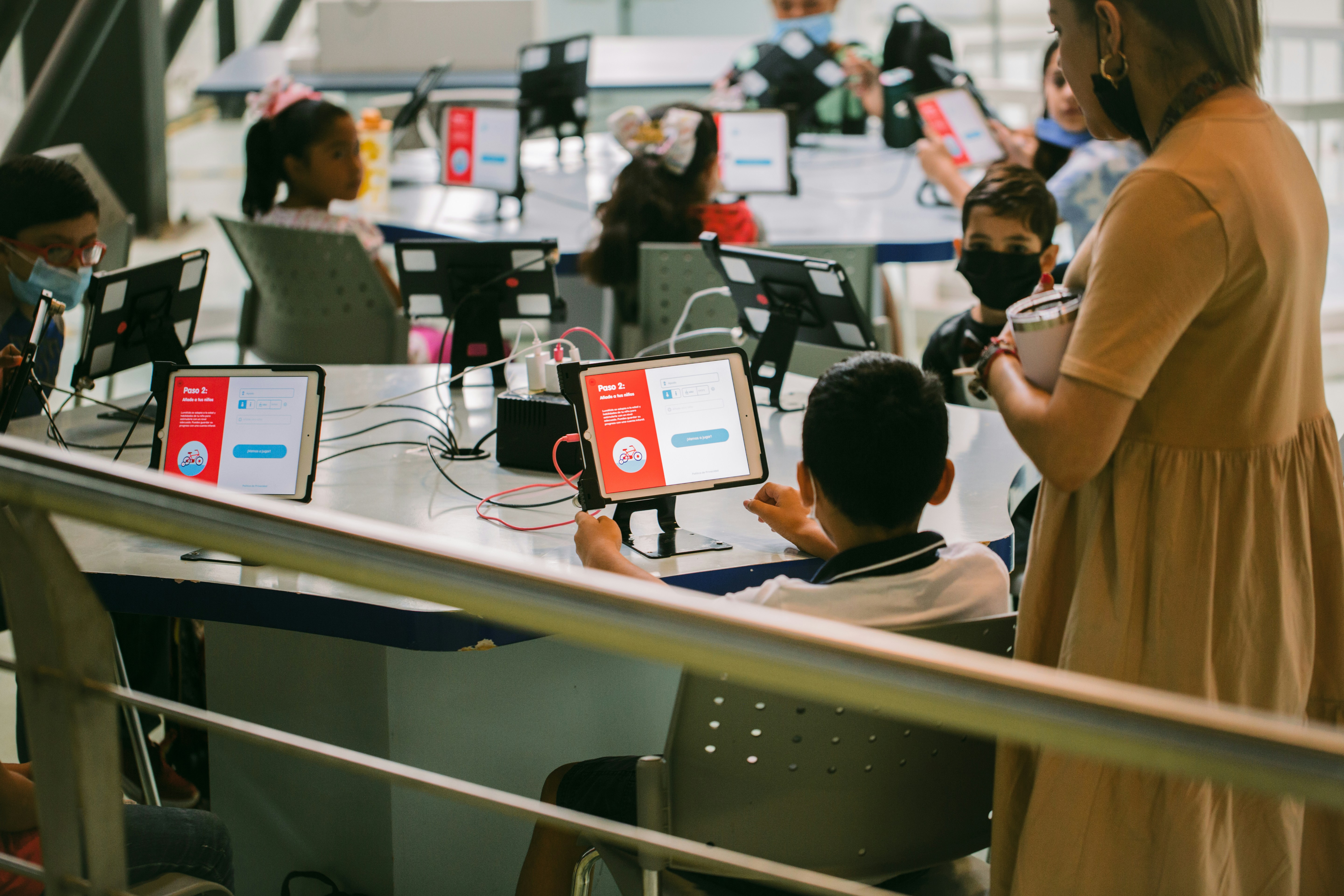
Understanding Transformative Education
Transformative education is an approach designed to fundamentally alter the way individuals perceive and engage with learning. At its core, transformative education emphasizes critical reflection, self-awareness, and the capacity for change. Unlike traditional educational models that often focus solely on knowledge acquisition, this educational philosophy aims to cultivate deeper understanding and meaningful engagement with content, ultimately fostering social change. The innovative learning can benefit the society as:
- 🧠 Encourages Critical Thinking and Problem Solving – Innovative learning methods help people think creatively and solve real-world social challenges more effectively.
- 💻 Expands Access to Education – Digital and AI-based learning tools make education available to remote and underserved communities.
- 🚀 Boosts Skill Development for Future Jobs – Modern learning systems focus on practical skills needed in technology, healthcare, and engineering sectors.
- 🤝 Promotes Collaborative Learning – Group projects and online platforms encourage teamwork and shared knowledge, strengthening community bonds.
- 🌍 Addresses Real-World Problems – Innovative education often focuses on sustainability, climate change, and social issues that benefit society directly.
- 📱 Increases Digital Literacy – Learners become more confident with technology, improving productivity and communication in modern society.
- 🎯 Personalized Learning Experience – Adaptive learning systems help students learn at their own pace, improving overall educational outcomes.
- 💡 Encourages Creativity and Entrepreneurship – Innovative learning inspires new ideas, startups, and social innovations that create jobs and solutions.
- 🏫 Improves Education Quality and Engagement – Interactive tools like simulations and gamification make learning more engaging and effective.
- 🌱 Supports Lifelong Learning Culture – It motivates people to continuously learn and adapt, helping society stay competitive and informed.
The fundamental principles of transformative education include promoting critical thinking skills and encouraging self-exploration among learners. This approach allows individuals to challenge preconceived notions and societal norms, thereby equipping them to question the status quo. By fostering an environment where learners are encouraged to think critically about their lived experiences, transformative education empowers them to develop a greater understanding of themselves and their place in the world.
In contemporary educational landscapes, the relevance of transformative education cannot be overstated. As society continues to evolve and face complex challenges, educational systems are tasked with preparing learners not just for academic success, but also for active participation in their communities. Transformative education encourages the development of social awareness and responsibility, prompting individuals to engage with pressing social issues, such as inequality and environmental sustainability. By promoting these values, transformative education plays a crucial role in nurturing informed, empathetic citizens who are committed to effecting positive change.
In summary, transformative education transcends conventional methods by facilitating a process of critical reflection and social engagement. Its emphasis on personal growth and societal responsibility equips learners with the skills necessary to navigate and contribute to an increasingly complex world. As such, it is essential for educational institutions to embrace transformative educational practices in order to foster a generation capable of shaping a more equitable and dynamic future.
The Need for Innovative Learning Methods
In today’s fast-paced and ever-changing world, the importance of innovative learning methods in education cannot be overstated. Traditional approaches to teaching often struggle to engage today’s students, who are accustomed to the dynamic and interactive nature of digital technology. Consequently, educators must adapt their strategies to not only meet the demands of modern learners but also prepare them for a future where critical thinking and creativity are paramount.
One of the primary challenges faced by educators is the growing diversity of student learning styles and needs. In a classroom, students come from various backgrounds, possessing a wide range of abilities and interests. This diversity necessitates a shift towards more personalized and adaptable teaching methods. Innovative learning techniques, such as project-based learning, flipped classrooms, and blended learning environments, contribute to creating a more inclusive educational experience that caters to individual strengths and weaknesses.
Furthermore, as the global job market evolves, the skills required for success are changing. Employers increasingly seek individuals who are not only knowledgeable but also possess problem-solving abilities and the flexibility to adapt to new challenges. This shift highlights the need for education systems to foster such skills during the formative years of learning. Integrating innovative teaching methods enables educators to cultivate an environment where creativity and collaboration flourish, equipping students with essential skills for future success.
In conclusion, the necessity for innovative learning methods in modern education is evident. By embracing adaptability and creativity in teaching approaches, educators can better address the challenges posed by a rapidly evolving world, thus preparing students to thrive in their future endeavors.
Modern Education Strategies: A Shift from Tradition
In recent years, the landscape of education has undergone significant transformation, moving away from traditional rote learning methodologies towards innovative strategies that prioritize student engagement and active participation. Modern education strategies emphasize various approaches that foster a deeper understanding of content while encouraging critical thinking and collaboration among learners.
One notable method is inquiry-based learning, which invites students to explore topics through questioning, research, and discussion. This approach allows learners to take an active role in their education, promoting curiosity and a desire for knowledge. By engaging in inquiry-based tasks, students learn to formulate their questions and hypotheses, fostering a sense of ownership and motivating them to seek answers actively.
Another effective strategy is project-based learning (PBL), which immerses students in real-world projects that require critical thinking and problem-solving skills. Students work collaboratively to address open-ended questions or challenges, developing solutions while acquiring knowledge across various subject areas. This hands-on approach not only enhances comprehension but also prepares students for future collaborative work environments.
Collaborative learning further reinforces the shift from traditional education by promoting peer-to-peer interaction and teamwork. In this strategy, students work in groups to complete tasks or solve problems, allowing them to learn from one another and develop crucial social skills. Collaborative learning environments foster communication, respect for diverse perspectives, and shared accountability, resulting in a richer educational experience.
Collectively, these modern education strategies stand in stark contrast to traditional educational practices that often prioritize memorization and passive learning. By embracing inquiry-based learning, project-based learning, and collaborative techniques, educators aim to create a more dynamic and engaging learning environment, ultimately equipping students with the skills necessary to thrive in an increasingly complex world.
Key Drivers and Trends in Educational Transformation
The landscape of education is undergoing significant changes, influenced by a host of key drivers and emerging trends. Technology stands at the forefront of this transformation, reshaping the way knowledge is imparted and received. The integration of digital tools and resources in educational environments facilitates personalized learning experiences and expands access to resources previously limited to traditional classrooms. Online platforms and virtual learning environments enable students to engage with content at their own pace, catering to various learning styles and preferences.
Globalization also plays a pivotal role in educational transformation. As borders diminish in significance, educational institutions are increasingly emphasizing global awareness and cross-cultural competence. This shift not only prepares students for a competitive job market but also fosters a sense of interconnectedness and collaboration among diverse populations. International partnerships and exchange programs further enrich curricula, allowing students to gain insights into different cultures and perspectives.
Shifts in societal expectations are shaping the skills deemed essential for future success. Today’s learners are expected to develop critical skills such as problem-solving, creativity, and emotional intelligence. Educational frameworks are evolving to prioritize these competencies alongside traditional academic achievements. This trend reflects a broader understanding that soft skills are increasingly important in the workforce, helping individuals navigate complex challenges and work effectively within teams.
In conclusion, the key drivers and trends influencing educational transformation emphasize the necessity for adaptive learning environments. As technology, globalization, and evolving societal needs converge, educational systems must embrace innovative approaches to prepare students for the dynamic future that lies ahead. Consequently, these transformations pave the way for a more inclusive and skill-oriented educational framework, ensuring that learners are equipped not just with knowledge, but with the essential tools for their success in an ever-changing world.
Student-Centered Learning: Prioritizing the Learner Experience
In the context of transformative education, student-centered learning emerges as a pivotal element that reshapes the educational landscape. This approach emphasizes the importance of tailoring educational experiences to align with the diverse needs of each learner. By prioritizing the individual learner, educators can create a more inclusive environment that fosters personal growth, engagement, and academic success.
The fundamental premise of student-centered learning is that education should revolve around the learner, acknowledging their unique backgrounds, interests, and learning styles. In contrast to traditional teaching methods that often focus on a one-size-fits-all curriculum, student-centered approaches advocate for adaptable strategies that empower students to take ownership of their learning journey. This shift encourages active participation, critical thinking, and collaboration among students, ultimately leading to a deeper understanding of the subject matter.
Incorporating elements such as differentiated instruction and personalized learning plans, educators can effectively address the varied capabilities and motivations present in a classroom. By utilizing technology and innovative pedagogical practices, teachers can facilitate a collaborative atmosphere where learners are encouraged to engage with the material actively and meaningfully. Moreover, fostering a culture of feedback, where students are invited to reflect on their learning experiences, reinforces the student-centered approach.
Furthermore, the inclusion of diverse perspectives in the curriculum enhances the learner experience, promoting cultural sensitivity and global awareness. Students are less likely to disengage or feel marginalized when their identities and experiences are recognized and valued. Therefore, student-centered learning not only enhances academic outcomes but also contributes to the development of empathetic and socially responsible individuals.
The Role of Digital Learning Solutions in Education
In today’s evolving educational landscape, digital learning solutions have established themselves as vital components in enhancing the quality and accessibility of education. Online platforms, educational apps, and virtual classrooms provide the necessary framework for a more flexible and personalized approach to learning. By integrating these innovative tools, educational institutions can effectively respond to diverse learning needs, transforming the traditional educational process.
One of the most significant advantages of digital learning solutions is their ability to increase accessibility. Students from remote areas or those with mobility challenges can now participate in educational programs without the constraints imposed by geographical boundaries. This democratization of education allows for a richer, more diverse learning environment, which is crucial for fostering global citizenship among learners. Furthermore, this flexibility also applies to the timing of education, as online learning enables students to engage with material at their own pace, contributing to improved retention and understanding of subject matter.
Furthermore, digital learning tools enable personalized learning experiences that cater to individual student needs. For instance, adaptive learning technologies can analyze a student’s progress and tailor the educational content accordingly, ensuring that each learner receives the support they require. This level of customization not only fosters engagement among students but also empowers educators to identify and address learning gaps more effectively.
Incorporating digital learning solutions into educational practices presents a myriad of opportunities for enhancing student engagement and fostering an inclusive learning environment. As these technologies continue to develop, their role in reshaping educational paradigms is expected to expand, offering intuitive and innovative methods of instruction that resonate with the dynamic nature of today’s world.
Personalizing Education: A Path to Student Success
Personalized education is an approach that tailors learning experiences to meet the unique needs of each student. By focusing on individual strengths, weaknesses, and interests, personalized education aims to enhance student engagement and success. One key method for personalizing learning is through comprehensive assessments. These assessments help educators identify where each student is in their educational journey, allowing them to design learning pathways that are more suited to individual capabilities and learning styles.
Feedback plays a crucial role in this personalized approach. It provides students with insights into their performance and areas for improvement, fostering a growth mindset. Constructive feedback encourages students to take ownership of their learning, enabling them to set achievable goals. Additionally, it ensures that learners remain motivated and understand the relevance of their efforts in the broader context of their educational experience.
Adaptive learning technologies have also revolutionized personalized education. These technologies utilize data-driven insights to create customized learning experiences that adapt in real-time as students progress. For instance, learning platforms can analyze how a student interacts with content, identifying which areas they grasp easily and which require more focus. By leveraging these innovative tools, educators can adjust pedagogical strategies instantly, thus optimizing learning outcomes.
Moreover, personalized education promotes the development of critical soft skills such as self-regulation and self-assessment. As students learn to monitor their own progress and make necessary adjustments, they become more autonomous, paving the way for lifelong learning. By incorporating and advancing such techniques within the educational framework, personalized education stands as a significant element in enhancing student success and engagement in the 21st century.
Effective Teaching Techniques for Engaging Students
Innovative learning methods have transformed the landscape of education, emphasizing the importance of engaging students through effective teaching techniques. One such approach is formative assessment, which allows educators to evaluate student understanding throughout the learning process, rather than solely at the end of a unit. This technique promotes a supportive learning atmosphere, as it encourages continuous feedback, enabling students and teachers to identify areas needing improvement.
Another prominent strategy is differentiated instruction, tailored to meet the diverse learning needs of students. This approach recognizes that learners have varying abilities, interests, and learning styles. By providing a range of activities and resources, educators can ensure that all students are included in the learning experience. Differentiated instruction not only fosters engagement but also helps students to take ownership of their learning journey, thereby enhancing their motivation.
Active participation techniques are also crucial in promoting an engaging classroom environment. Techniques such as collaborative learning, where students work in groups to solve problems or complete tasks, can significantly enhance peer interaction and knowledge sharing. Additionally, incorporating technology through tools like interactive quizzes and online discussion boards can provoke student interest and facilitate deeper understanding of the subject matter.
Furthermore, teachers can implement inquiry-based learning, where students are encouraged to explore topics through questions and investigations. This method not only promotes critical thinking skills but also empowers students to become active participants in their education. By combining these effective teaching techniques, educators can foster an engaging and supportive atmosphere conducive to dynamic learning experiences.
Looking Ahead: The Future of Education
The future of education is poised for significant transformation, driven by advancements in technology and innovative pedagogical practices. As we look ahead, several emerging trends are set to redefine the learning experience, making it more engaging, inclusive, and effective. Among these trends, artificial intelligence (AI), virtual reality (VR), and gamification stand out as pivotal forces reshaping the educational landscape.
AI is revolutionizing education by providing personalized learning experiences tailored to individual student needs. Intelligent tutoring systems can analyze student performance in real time, identifying areas where additional support is necessary. This targeted assistance fosters a more adaptive learning environment, allowing educators to focus their efforts where they are most needed. Furthermore, AI can streamline administrative tasks, enhancing the efficiency of both teaching and management within educational institutions.
Virtual reality is another compelling development, offering immersive learning experiences that were previously unimaginable. By allowing students to explore complex environments and scenarios in a safe, controlled setting, VR can enhance understanding of subjects ranging from history to science. This experiential learning encourages active participation, fostering critical thinking and collaboration among students.
Gamification further engages learners by incorporating game-like elements into educational settings, such as badges, leaderboards, and interactive challenges. This approach not only makes learning enjoyable but also promotes motivation and persistence. By transforming traditional instructional methods into interactive experiences, gamification addresses the diverse learning styles of students and provides instant feedback, reinforcing knowledge retention.
As we embrace these innovative learning methods, the educational sector will continue to evolve, emphasizing the importance of adaptability and creativity. The integration of AI, virtual reality, and gamification will undoubtedly shape a brighter future for education, creating opportunities for lifelong learning and preparing students for a dynamic world ahead.


