


Chapter 9: Managing Stress Every Day
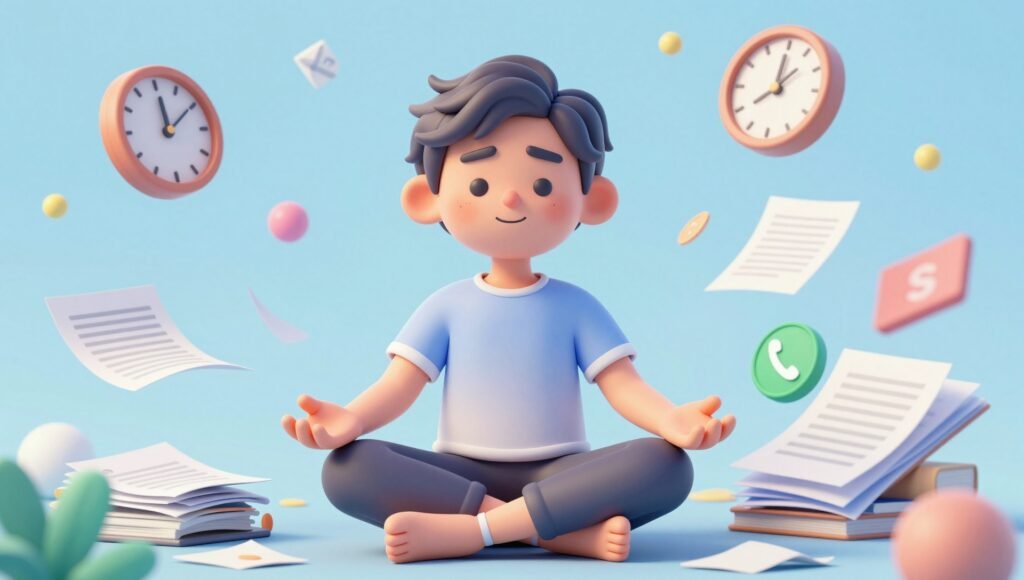
Practical Strategies for Staying Calm, Focused, and Resilient
Introduction
Stress is a natural part of life. Every person experiences it—students preparing for examinations, parents raising children, employees meeting deadlines, business owners managing responsibilities, and older adults adapting to life changes. Stress itself is not always harmful. In fact, a moderate amount of stress can motivate us to work harder, solve problems, and respond quickly in challenging situations.
However, when stress becomes frequent, intense, or prolonged, it can affect both mental and physical health. Chronic stress may interfere with sleep, reduce concentration, increase irritability, weaken the immune system, and contribute to conditions such as high blood pressure, anxiety, depression, and heart disease.
The good news is that stress can be managed. Although we cannot eliminate every challenge, we can learn healthier ways to respond to them. By developing practical coping strategies and healthy daily habits, we can reduce the impact of stress and improve our overall well-being.
This chapter explores the causes of stress, how it affects the mind and body, and practical techniques for managing stress in everyday life.
What Is Stress?
Stress is the body’s natural response to a challenge, demand, or change. When the brain perceives a situation as demanding, it activates the body’s stress response.
This response prepares us to react quickly by:
- Increasing heart rate
- Raising blood pressure
- Releasing stress hormones such as cortisol and adrenaline
- Increasing alertness
- Directing more blood to muscles
- Temporarily reducing non-essential functions like digestion
This response is often called the “fight, flight, or freeze” response.
In emergencies, it can be life-saving. But if activated continuously, it may begin to affect health.
Good Stress vs. Bad Stress
Not all stress is harmful.
Positive Stress (Eustress)
Positive stress motivates and energizes us.
Examples include:
- Starting a new job
- Preparing for a competition
- Learning a new skill
- Planning a wedding
- Giving an important presentation
Positive stress is usually temporary and helps us perform at our best.
Chronic Stress (Distress)
Chronic stress occurs when pressure continues for weeks or months without adequate recovery.
Examples include:
- Financial difficulties
- Long-term caregiving
- Ongoing workplace pressure
- Family conflict
- Persistent health problems
- Social isolation
Without effective coping strategies, chronic stress can gradually affect both mental and physical health.
Common Causes of Daily Stress
Stress arises from many different sources.
Work-Related Stress
- Heavy workloads
- Tight deadlines
- Long working hours
- Job insecurity
- Poor communication
- Workplace conflict
Family Stress
- Parenting responsibilities
- Relationship difficulties
- Caring for elderly relatives
- Household responsibilities
Financial Stress
- Debt
- Unexpected expenses
- Rising living costs
- Saving for future goals
Health-Related Stress
- Chronic illness
- Pain
- Medical treatments
- Caring for a sick family member
Social Stress
- Loneliness
- Bullying
- Social comparison
- Community conflicts
Digital Stress
- Constant notifications
- Information overload
- Social media comparisons
- Excessive screen time
Recognizing the sources of stress is the first step toward managing it effectively.
Signs and Symptoms of Stress
Stress affects the entire body.
Emotional Signs
- Irritability
- Anxiety
- Sadness
- Feeling overwhelmed
- Mood swings
- Frustration
Physical Signs
- Headaches
- Muscle tension
- Fatigue
- Rapid heartbeat
- Digestive discomfort
- Difficulty sleeping
Cognitive Signs
- Poor concentration
- Forgetfulness
- Racing thoughts
- Difficulty making decisions
Behavioral Signs
- Overeating or loss of appetite
- Increased alcohol or tobacco use
- Avoiding responsibilities
- Social withdrawal
- Reduced productivity
Everyone experiences stress differently. Becoming aware of your own signs can help you take action early.
The Stress Cycle
Stress often follows a repeating pattern.
Step 1: A Challenge Appears
For example, a large work project.
↓
Step 2: The Brain Interprets the Situation
“If I fail, everything will go wrong.”
↓
Step 3: Emotional Response
Anxiety develops.
↓
Step 4: Physical Response
Heart rate increases, muscles tighten.
↓
Step 5: Behavior
Procrastination or excessive worry.
↓
Step 6: More Stress
The unfinished project increases pressure.
Breaking this cycle requires changing either our thinking, our behavior, or both.
Practical Strategies for Managing Stress
1. Identify What You Can Control
Many people spend energy worrying about things beyond their control.
Instead, ask:
- What can I change?
- What action can I take today?
- What must I accept?
Focusing on controllable actions reduces feelings of helplessness.
2. Organize Your Day
Poor organization often increases stress.
Helpful habits include:
- Writing a daily to-do list
- Prioritizing important tasks
- Breaking large projects into smaller steps
- Allowing time for breaks
- Avoiding unnecessary multitasking
Planning creates a greater sense of control.
3. Practice Deep Breathing
Deep breathing activates the body’s relaxation response.
Simple exercise:
- Inhale through your nose for four seconds.
- Hold for two seconds.
- Exhale slowly through your mouth for six seconds.
- Repeat for five to ten minutes.
Many people notice a calmer state after just a few minutes.
4. Stay Physically Active
Exercise is one of the most effective natural stress-management tools.
Regular activity can:
- Improve mood
- Reduce muscle tension
- Increase energy
- Support better sleep
- Enhance emotional resilience
Choose activities you enjoy, such as walking, cycling, swimming, dancing, or gardening.
5. Sleep Well
Lack of sleep makes stress more difficult to manage.
To improve sleep:
- Follow a consistent schedule.
- Keep the bedroom comfortable.
- Avoid heavy meals before bed.
- Limit screen time in the evening.
- Develop a calming bedtime routine.
Quality sleep improves emotional regulation and problem-solving.
6. Eat for Energy
Skipping meals or eating excessive amounts of highly processed foods may affect energy and mood.
Choose balanced meals that include:
- Fruits
- Vegetables
- Whole grains
- Lean protein
- Healthy fats
Eating regularly helps maintain steady energy throughout the day.
7. Talk to Someone You Trust
Sharing concerns with a trusted friend, family member, mentor, or counselor can reduce emotional burden.
Sometimes another person’s perspective helps us see solutions we had not considered.
Seeking support is a sign of strength, not weakness.
8. Spend Time in Nature
Natural environments often provide a calming effect.
Consider:
- Walking in a park
- Gardening
- Sitting under a tree
- Visiting a lake
- Watching birds
Even short periods outdoors can help reduce stress and improve mood.
9. Limit Information Overload
Constant exposure to news and social media can increase stress.
Healthy digital habits include:
- Checking news at scheduled times
- Turning off unnecessary notifications
- Taking regular screen breaks
- Avoiding upsetting content before bed
Choose information carefully rather than consuming everything.
10. Practice Relaxation
Relaxation is not a luxury—it is an important part of maintaining mental health.
Examples include:
- Reading
- Listening to music
- Meditation
- Prayer or spiritual reflection
- Creative hobbies
- Gentle stretching
Schedule relaxation just as you schedule work.
Time Management Reduces Stress
Many stressful situations result from feeling overwhelmed.
Effective time management includes:
Prioritize
Complete important tasks first.
Break Tasks Into Smaller Steps
Instead of:
“Write a report.”
Try:
- Research
- Outline
- First draft
- Review
- Final editing
Small steps feel more manageable.
Avoid Procrastination
Waiting until the last moment often increases stress unnecessarily.
Starting early provides flexibility and reduces pressure.
Building Emotional Resilience
Resilience is the ability to recover after setbacks.
Resilient people:
- Accept change
- Learn from mistakes
- Maintain hope
- Ask for help
- Focus on solutions
- Continue moving forward
Resilience grows through experience and practice.
Managing Stress at Work
Helpful workplace habits include:
- Organize your workspace.
- Take short breaks.
- Communicate clearly.
- Set realistic expectations.
- Avoid checking emails continuously.
- Maintain healthy boundaries between work and personal life.
Remember that regular breaks often improve productivity rather than reducing it.
Managing Stress at Home
Home should be a place of recovery whenever possible.
Ideas include:
- Share household responsibilities.
- Eat meals together.
- Spend quality time with family.
- Discuss problems respectfully.
- Maintain regular routines.
- Encourage laughter and relaxation.
Healthy family relationships provide emotional support during stressful times.
A Daily Stress Management Routine
Morning
- Wake at a consistent time.
- Stretch.
- Practice gratitude.
- Plan your priorities.
Afternoon
- Take short breaks.
- Stay hydrated.
- Walk for ten minutes.
- Eat a balanced lunch.
Evening
- Exercise or enjoy a hobby.
- Spend time with loved ones.
- Limit screen time.
- Reflect on the day’s achievements.
- Sleep at a regular hour.
When to Seek Professional Help
Stress is a normal part of life, but professional support may be helpful if:
- Stress persists for weeks or months.
- It interferes with work, school, or relationships.
- You have ongoing trouble sleeping.
- You feel persistently anxious, hopeless, or overwhelmed.
- You find it difficult to carry out daily responsibilities.
Healthcare professionals, psychologists, counselors, and other qualified mental health providers can offer evidence-based support tailored to your needs.
Chapter Summary
Stress is an unavoidable part of life, but it does not have to control our well-being. Understanding how stress affects the brain and body empowers us to respond more effectively. By recognizing stress early, organizing our time, staying physically active, eating nutritious foods, sleeping well, practicing relaxation, and seeking support when needed, we can build resilience and maintain emotional balance.
Managing stress is not about eliminating every challenge. It is about developing the skills, habits, and mindset that allow us to face life’s demands with confidence and flexibility.
Daily Stress Management Checklist
✓ Slept well.
✓ Drank enough water.
✓ Ate balanced meals.
✓ Exercised or stayed active.
✓ Took regular breaks.
✓ Practiced deep breathing or relaxation.
✓ Limited unnecessary screen time.
✓ Talked with someone you trust.
✓ Focused on what you can control.
✓ Reflected on today’s successes rather than only its difficulties.
Key Takeaways
- Stress is a natural response to challenges and is not always harmful.
- Chronic stress can affect both mental and physical health.
- Recognizing the signs of stress allows for earlier intervention.
- Healthy habits such as sleep, exercise, nutrition, and relaxation help reduce stress.
- Good time management and realistic planning can prevent unnecessary pressure.
- Building resilience and seeking support when needed are essential for long-term mental well-being.


