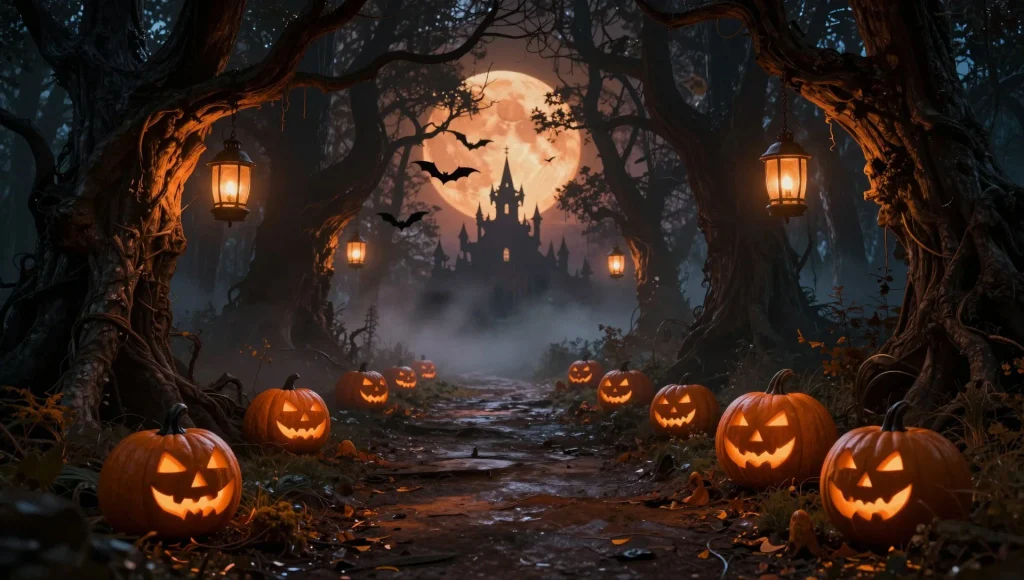




The History of Halloween
When Halloween Met Christmas
Disclosure: This article contains Amazon affiliate links. If you purchase through these links, I may earn a commission at no additional cost to you.
Skeleton Halloween
Halloween has its roots in the ancient Celtic festival of Samhain, traditionally celebrated around October 31. The festival marked the end of the harvest season and the beginning of winter. Celtic communities believed that on this night the boundary between the living and the dead became less distinct, allowing spirits to return to the earthly world. People lit large bonfires and sometimes wore costumes or disguises as part of traditional celebrations. Over time, Christian traditions influenced the festival, and November 1 became All Saints’ Day, with October 31 known as All Hallows’ Eve—eventually shortened to Halloween.
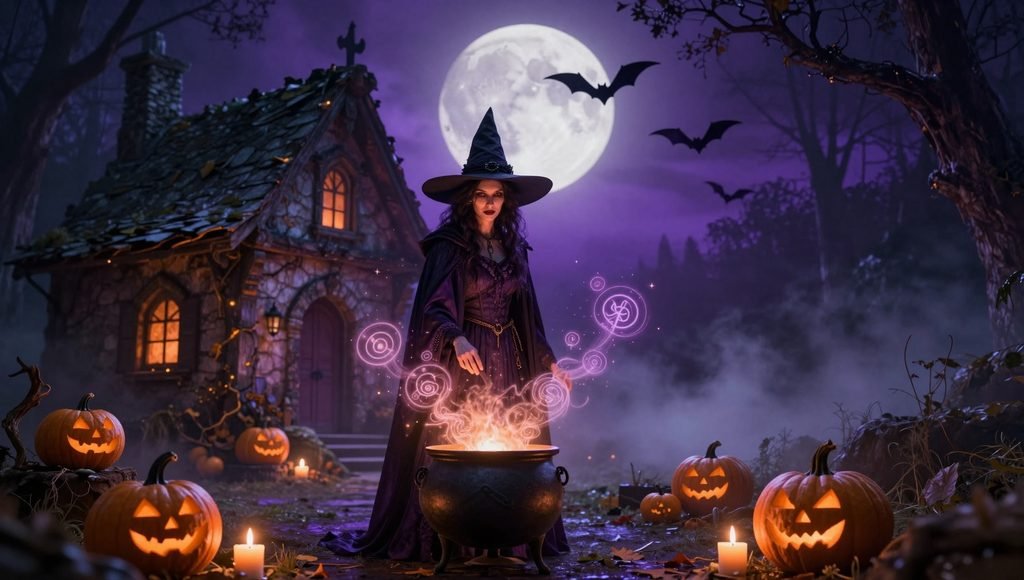
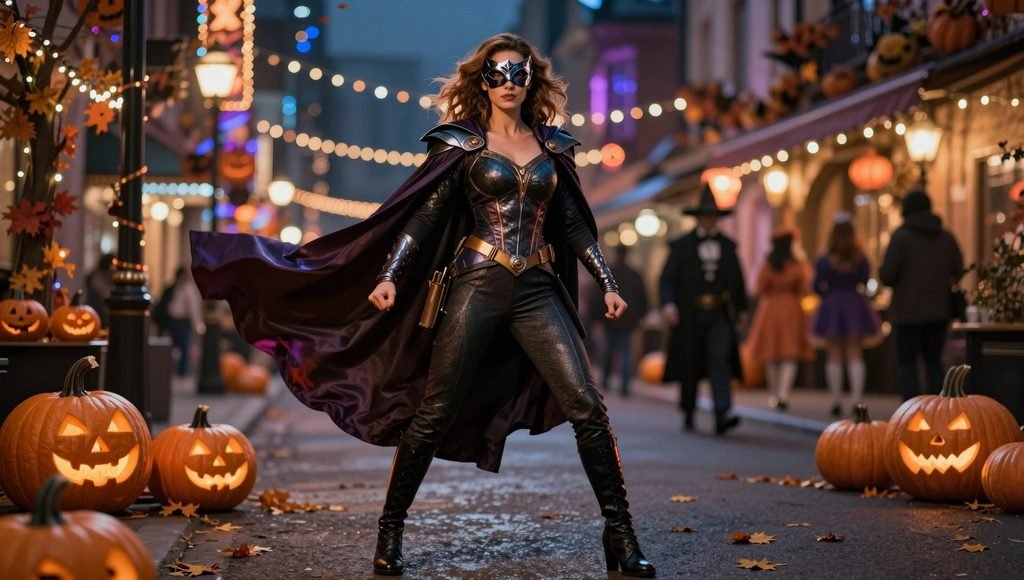
Halloween traditions continued to evolve as they spread through Europe and later to North America. In the United States and Canada, the celebration gradually became a popular community event featuring costumes, decorated homes, parties, pumpkin carving, and trick-or-treating. Today, Halloween is celebrated in many countries around the world, combining ancient seasonal traditions with modern entertainment and creativity. Although its customs have changed considerably over centuries, Halloween remains a fascinating example of how cultural traditions can evolve and continue to influence modern celebrations.
Animal Halloween
Disclosure: This article contains Amazon affiliate links. If you purchase through these links, I may earn a commission at no additional cost to you.