


Fatty Fish: A Heart-Healthy Food That Helps Protect Your Arteries
Heart disease remains one of the leading causes of death worldwide. While genetics, age, and lifestyle all influence heart health, diet plays a crucial role in preventing cardiovascular disease. Among the healthiest foods recommended by nutritionists and cardiologists is fatty fish. Rich in omega-3 fatty acids, high-quality protein, vitamins, and minerals, fatty fish can significantly improve heart health when consumed regularly. Although no food can completely eliminate or reverse severe artery blockage, eating fatty fish as part of a balanced diet can lower several important risk factors associated with heart disease.
What Is Fatty Fish?
Fatty fish are fish species that contain a relatively high amount of healthy fats, particularly omega-3 fatty acids, in their flesh. Unlike lean fish, fatty fish store beneficial oils throughout their muscles rather than only in the liver. These healthy fats are primarily composed of two essential omega-3 fatty acids: eicosapentaenoic acid (EPA) and docosahexaenoic acid (DHA). EPA and DHA cannot be produced efficiently by the human body in sufficient quantities, making dietary sources especially important. These nutrients are essential for maintaining healthy blood vessels, supporting brain function, reducing inflammation, and protecting the heart.
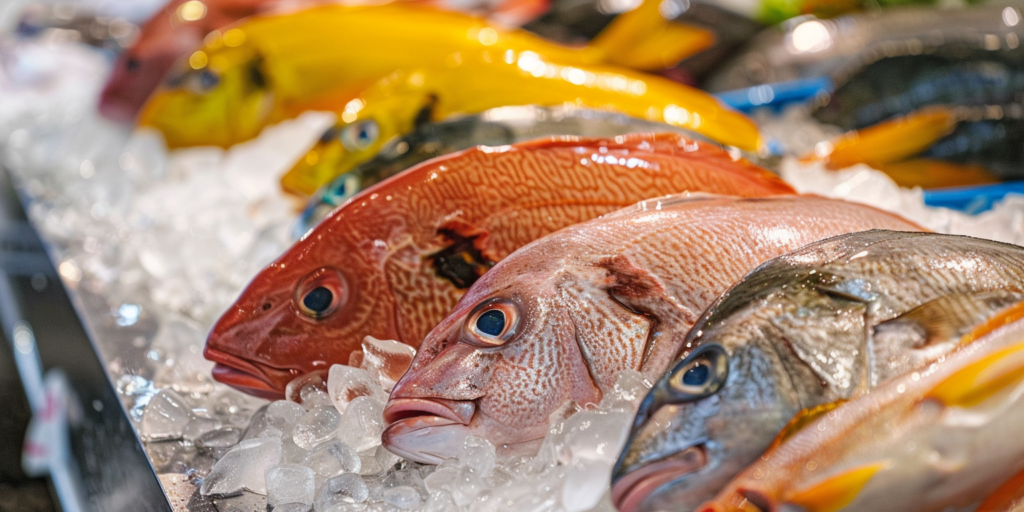
Types of Fatty Fish
Many fish species are considered fatty fish because they are naturally rich in omega-3 fatty acids. Common examples include:
- Salmon
- Sardines
- Mackerel
- Herring
- Anchovies
- Tuna (especially albacore and bluefin)
- Trout (particularly rainbow trout)
- Atlantic cod liver (oil source)
- Hilsa (Ilish), a popular fish in South Asia
- Arctic char
Each of these fish provides varying amounts of omega-3 fatty acids, but all are excellent additions to a heart-healthy diet.
Where Are Fatty Fish Found?
Fatty fish are found in both oceans and freshwater environments across the world.
Marine fatty fish are commonly found in:
- The Atlantic Ocean
- The Pacific Ocean
- The Arctic Ocean
- The Mediterranean Sea
- Coastal waters of Europe, North America, and Asia
Examples include salmon, sardines, herring, tuna, anchovies, and mackerel. Freshwater fatty fish are found in rivers, lakes, and freshwater farms. Rainbow trout is one of the best-known freshwater fatty fish. In Bangladesh and neighboring countries, Hilsa (Ilish) is one of the richest natural sources of omega-3 fatty acids and is widely enjoyed as a traditional food.
Nutritional Value of Fatty Fish
Fatty fish provide much more than healthy fats. They are packed with nutrients that support overall health.
A typical serving of fatty fish contains:
- High-quality protein
- Omega-3 fatty acids (EPA and DHA)
- Vitamin D
- Vitamin B12
- Selenium
- Iodine
- Potassium
- Phosphorus
These nutrients work together to support the immune system, strengthen bones, improve brain function, and maintain cardiovascular health.
Fatty Fish as Part of a Healthy Diet
Health experts recommend eating two servings of fatty fish each week, with each serving being approximately 100–150 grams (3.5–5 ounces). This amount provides enough omega-3 fatty acids to offer significant cardiovascular benefits for most healthy adults.
Healthy cooking methods include:
- Grilling
- Baking
- Steaming
- Boiling
- Air frying
Avoid deep-frying fish because excessive oil and high temperatures can reduce some nutritional benefits and increase unhealthy fat intake.
Fatty fish pair well with vegetables, whole grains, brown rice, quinoa, salads, and legumes, creating balanced meals that support long-term health.
How Fatty Fish Help Prevent Heart Blockage
Heart blockage develops when fatty deposits known as atherosclerotic plaques gradually accumulate inside the coronary arteries. These plaques narrow the arteries and reduce blood flow to the heart muscle, increasing the risk of angina, heart attack, and stroke.
Omega-3 fatty acids help reduce the risk of this process in several important ways.
1. Lowering Blood Triglycerides
High triglyceride levels are associated with an increased risk of cardiovascular disease. EPA and DHA can significantly reduce triglyceride concentrations, making blood healthier and reducing strain on blood vessels.
2. Reducing Inflammation
Chronic inflammation contributes to the formation and progression of arterial plaques. Omega-3 fatty acids possess natural anti-inflammatory properties that help calm inflammation within blood vessels.
3. Improving Blood Vessel Function
Healthy arteries are flexible and able to expand when blood flow increases. Omega-3 fatty acids improve the function of the blood vessel lining (endothelium), allowing arteries to relax and maintain healthy circulation.
4. Supporting Healthy Cholesterol Levels
Regular consumption of fatty fish may slightly increase HDL (“good”) cholesterol while improving the overall balance of blood lipids. HDL helps transport excess cholesterol away from arteries.
5. Reducing Blood Clot Formation
Omega-3 fatty acids reduce the tendency of platelets to stick together excessively. This lowers the likelihood of harmful blood clots that can suddenly block narrowed arteries and trigger heart attacks.
6. Stabilizing Existing Plaques
Research suggests that omega-3 fatty acids may help stabilize existing plaques, making them less likely to rupture. Plaque rupture is one of the major causes of heart attacks.
7. Helping Control Blood Pressure
Regular intake of fatty fish may produce modest reductions in blood pressure, decreasing stress on artery walls over time.
Can Fatty Fish Remove Existing Heart Blockage?
It is important to understand that fatty fish cannot dissolve or remove established artery blockages. Severe coronary artery disease often requires medications, lifestyle changes, or procedures such as angioplasty or bypass surgery.
However, consuming fatty fish regularly can help slow the progression of atherosclerosis, reduce inflammation, improve cholesterol and triglyceride levels, and lower the risk of future cardiovascular events. When combined with regular exercise, smoking cessation, weight management, blood pressure control, and medical treatment, fatty fish become an important part of a comprehensive heart-protection strategy. Fatty fish are among the most nutritious foods available and are strongly associated with better heart health. Rich in omega-3 fatty acids, protein, vitamins, and essential minerals, they support healthy blood vessels, reduce inflammation, improve blood lipid levels, and decrease the risk factors that contribute to artery blockage. Including two servings of fatty fish in your weekly diet—alongside fruits, vegetables, whole grains, and regular physical activity—can help protect your heart for years to come. While fatty fish are not a cure for existing heart blockages, they are one of the best natural dietary choices for maintaining a healthy cardiovascular system and reducing the likelihood of future heart disease.


