


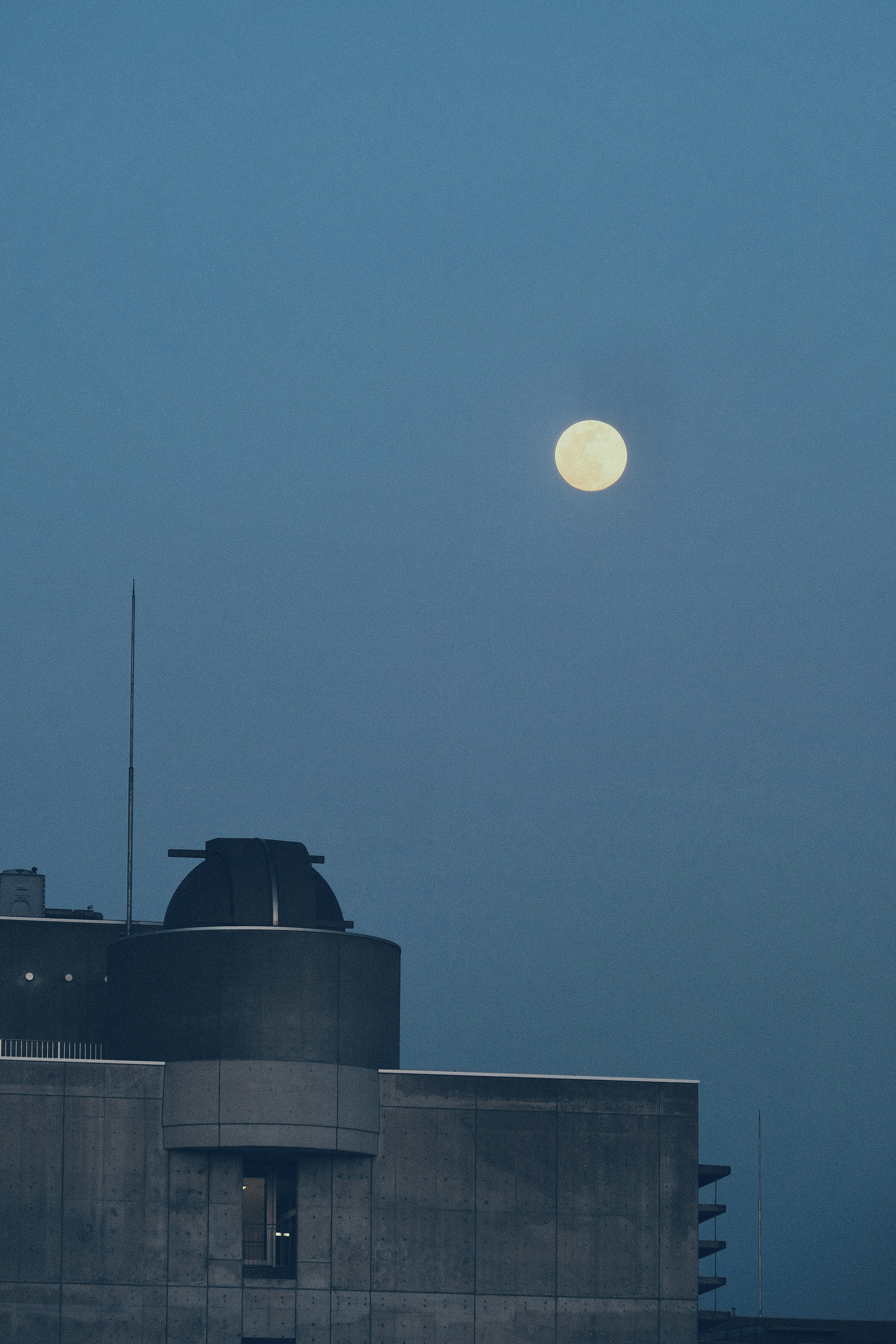
Understanding Blue Moons: What They Are and Their Significance
A blue moon is traditionally defined as the second full moon occurring within a single calendar month. While this definition has gained popularity, there exists a more historical interpretation, which identifies a blue moon as the third full moon in a season that contains four full moons, instead of the usual three. This duality in definitions contributes to both the intrigue and confusion surrounding the phenomenon.
Statistically, blue moons happen approximately every two to three years, making them quite a rare occurrence. In recent years, various organizations and enthusiasts have become more aware of these uncommon events, leading to an increased interest in fully appreciating their beauty. Unlike typical full moons, a blue moon doesn’t change the color of the lunar surface. The term is purely metaphorical, evoking a sense of rarity akin to the phrase “once in a blue moon.”
The cultural significance of blue moons is profound, as they have long inspired folklore and various traditions. Many cultures historically associated the blue moon with times of change, reflection, and even as an auspicious moment to engage in rituals. Astronomically, blue moons serve as an interval for astronomers and skywatchers to marvel at lunar cycles and the intricacies of the lunar calendar.
Over the years, several notable blue moons have captured the attention of observers. One historic example occurred in August 1988, when a blue moon shone brightly, prompting gatherings and celebrations across numerous communities. The event provided enthusiasts an excellent opportunity for skywatching, encouraging connections between nature and humanity.
In essence, blue moons symbolize opportunity and the rare chance to witness a phase of the moon that evokes curiosity and wonder, encapsulating the shared human experience of observation and awe in the celestial realm.
The Micromoon Phenomenon: When and Why It Occurs
The term ‘micromoon’ refers to a full moon that occurs when the Moon is at its apogee, the point in its orbit that is farthest from Earth. This astronomical event is the opposite of a supermoon, whereby the Moon is at its closest point (perigee) to Earth, resulting in a larger and brighter appearance. The micromoon is often less noticed due to its subtle visual differences; typically, it appears smaller and dimmer in the night sky compared to its supermoon counterpart.
A micromoon occurs periodically, depending on the lunar cycle, and is defined not just by its distance from Earth but also its timing within the lunar calendar. The Moon takes approximately 27.3 days to orbit around Earth, leading to multiple full moons each year. However, the micromoon occurs when the timing aligns with the Moon’s apogee, which can vary significantly. Observers may find the micromoon to be an intriguing event for amateur astronomy, offering an opportunity to study the varying sizes of the lunar phases.
The next occurrence of a micromoon will take place on [insert specific date], aligning with the full moon of May 2026. This provides an excellent opportunity for moon gazers to observe how the apparent size of the Moon can change due to its position in relation to our planet. Understanding the variations between a regular full moon and a micromoon can deepen one’s appreciation for lunar phenomena and the remarkable mechanics of celestial movements.
May 2026 Full Moon: An Astronomical Event to Watch
The full moon occurring in May 2026 presents a noteworthy celestial event for enthusiasts and casual observers alike. Scheduled for May 5, 2026, this full moon, commonly referred to as the “Flower Moon”, marks the peak of lunar visibility. During this period, the moon will be fully illuminated, offering an ideal opportunity for moon gazing and various observational activities.
This full moon will reach its maximum illumination at 17:37 UTC, providing an excellent chance for observers to engage in lunar appreciation neatly coinciding with evening twilight in various regions. In most places, the full moon will be visible and prominent in the night sky, maximized by clear weather conditions. Such visibility will enable both amateur astronomers and broader audiences to experience the moon’s beauty firsthand.
Throughout the month leading up to this full moon, enhanced visibility can be anticipated, as the moon waxes each night, gradually transforming from a thin crescent into a spectacular orb. It is valuable to take note of the moonrise times; typically, the full moon rises shortly after sunset, creating a stunning backdrop against the evening sky.
For those looking to enhance their observational experience, consider utilizing telescopes or binoculars to explore the lunar surface’s features, such as craters and maria. Moreover, those engaging in photography during the full moon can benefit by utilizing a tripod, with settings adjusted to low ISO to capture detailed images without overexposure. Engaging in moon observation not only enriches one’s appreciation of our natural satellite but also encourages a deeper connection with the cosmos, especially during such an iconic event.
The Art of Moon Observation: Tips and Techniques for Enthusiasts
Observing the moon can be a captivating experience, whether during a blue moon, micromoon, or a regular full moon. To maximize your enjoyment and enhance your celestial exploration, there are several key techniques and tools that can be employed.
First, selecting the right equipment is essential. While the naked eye can offer a basic view of the moon, utilizing binoculars or a telescope significantly enhances the details visible on the lunar surface. For beginners, binoculars with a magnification factor of 10x to 15x are adequate for observing craters, maria, and lunar features. Enthusiasts may prefer telescopes, which allow for even greater magnification and clarity. A telescope with a decent aperture can provide stunning views of the moon’s topography.
Location plays a crucial role in the quality of moon observation. For the best results, seek out areas with minimal light pollution, such as parks or rural settings away from city lights. Higher elevations can also improve visibility, offering clearer atmospheric conditions. Additionally, planning your observation session around the moon’s phases is advisable. Each phase presents different lighting angles, highlighting various lunar features, particularly during the first and last quarters.
Techniques such as using filters can enhance the viewing experience. For instance, a lunar filter can reduce glare and improve contrast, making it easier to see details. Observing during the moonrise and moonset can also provide stunning opportunities, as the moon appears larger on the horizon due to atmospheric distortion.
Safety precautions are important when observing the night sky. Avoid looking directly at bright sources of light, as this can impair night vision. It is also wise to check weather conditions beforehand to ensure clear skies, and to dress appropriately for cold temperatures. For those interested in expanding their knowledge, numerous online resources and local astronomy clubs provide valuable information and community support.


