




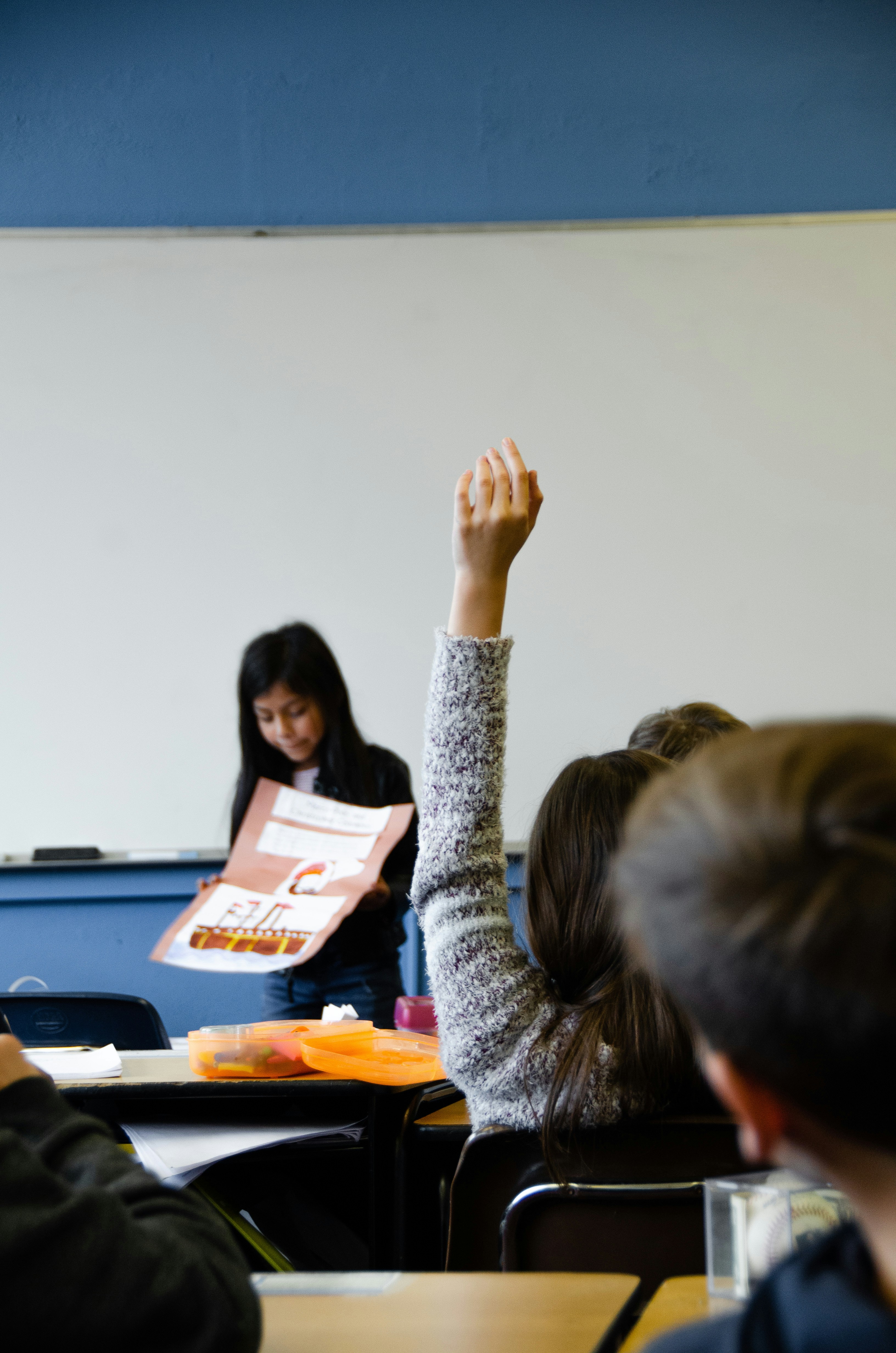
Introduction to Real World Applications in Education
The concept of real-world applications in education refers to the integration of practical experiences with theoretical knowledge, enhancing the learning process. This approach emphasizes the necessity of connecting classroom learning with the realities faced by students outside school. By exposing students to real-life scenarios, educators can foster a deeper understanding of the material being taught.
Experiential learning plays a significant role in this educational framework. It allows students to engage directly with their subjects through hands-on activities, internships, or community service. Experiential learning encourages active participation rather than passive absorption of information and creates opportunities for students to apply their knowledge in practical settings. This method not only aids in retaining information but also helps to develop critical thinking and problem-solving skills that are essential in everyday situations.
Contextual learning is another crucial element in relating education to real-life applications. By providing context to the lessons, students can better appreciate how the information fits into a broader framework. It cultivates a relevant learning environment, enabling students to make connections between their studies and the world around them. This relevance enhances engagement, motivation, and ultimately, student success.
Furthermore, the significance of preparing students for real-life scenarios cannot be overstated. In an increasingly complex global landscape, equipping learners with practical skills and experiences is essential. This readiness gives them a competitive edge in the workforce and fosters adaptability in their personal and professional lives. By prioritizing practical applications in education, schools can cultivate well-rounded individuals who are prepared not only for academic success but also for fulfilling careers and responsible citizenship.
The Role of Experiential Learning Methods
Experiential learning methods play a crucial role in bridging classroom concepts with real-world applications, allowing students to engage actively with the material they are studying. These methods facilitate a deeper understanding through direct involvement and reflect on their experiences, promoting cognitive and emotional engagement. Among the various experiential learning strategies, project-based learning, internships, and study trips stand out for their effectiveness in education.
Project-based learning (PBL) is a widely adopted technique that places students at the center of their learning process. This approach encourages learners to explore real-world problems and challenges through collaborative projects. By working in teams, students develop critical thinking, problem-solving, and communication skills, which are vital for their future careers. For example, a group of high school students might collaborate to create a sustainable garden to learn about ecology, nutrition, and teamwork. Such projects not only reinforce academic concepts but also cultivate a sense of responsibility and initiative.
Internships further enrich the educational landscape by providing students with hands-on experience in their chosen fields. These opportunities allow learners to apply theoretical knowledge in a professional context, helping them understand the realities of the workplace. The practical exposure gained through internships helps students build professional networks and enhances their employability upon graduation. More importantly, it offers insights into their potential career paths, guiding them in making informed decisions about their futures.
Additionally, study trips serve as effective experiential learning tools, as they immerse students in diverse environments and cultures. By visiting historical sites, museums, or businesses, learners gain firsthand experience that enhances their understanding of specific subjects. Such trips can stimulate interests, spark curiosity, and deepen the overall learning experience, further connecting academic learning to everyday life.
Practical Science Education: Bridging Theory and Practice
In contemporary education, the necessity for practical science education has become increasingly recognized as a pivotal element in improving student understanding and retention of theoretical concepts. Practical applications in science, such as hands-on experiments, lab work, and field studies, play a crucial role in bridging the gap between abstract theories and their real-world applicability. These methodologies encourage students to engage with the material actively, fostering a deeper comprehension of scientific principles.
One of the most significant advantages of practical science education is the enhancement of critical thinking skills. By participating in experiments and conducting research, students learn to formulate hypotheses, design experiments, collect data, and analyze results. This experiential learning not only confirms theoretical knowledge but also cultivates problem-solving abilities that are essential in real-life scenarios. For instance, when students investigate biological processes through dissection or analyze chemical reactions in a lab setting, they are directly engaging with the concepts they have studied in theory.
Moreover, field studies allow students to apply scientific concepts in real-world environments, further solidifying their learning experience. These outings provide tangible examples of how scientific knowledge is utilized in various fields, including environmental science, biology, and astronomy. Observing ecological processes in a natural habitat or collecting data on local fauna and flora instills a sense of connection between learners and the natural world.
Incorporating practical applications within science education not only enriches the learning environment but also aligns with diverse learning styles. Different students benefit from varied methods of instruction; hands-on activities cater to kinesthetic learners while promoting engagement among visual and auditory learners as well. Ultimately, practical science education transforms theoretical knowledge into practical skills, preparing students for both academic pursuits and careers in science-related fields.
Applied Learning Techniques in Modern Education
Applied learning techniques are increasingly becoming integral to modern education, as they help bridge the gap between theoretical concepts and real-world applications. These techniques encourage active participation, critical thinking, and collaboration among students, thereby enhancing their learning experience. One prominent method is service-learning projects, which allow students to apply their knowledge to address community issues. Through these projects, learners develop a sense of civic responsibility and gain hands-on experience, making their education more relevant and meaningful.
Another effective applied learning technique is simulations. In a simulated environment, students can engage in realistic scenarios that mirror real-life challenges related to their academic subjects. For instance, business students often partake in simulations to manage virtual companies, allowing them to explore decision-making processes without the associated risks. These engaging experiences not only reinforce theoretical knowledge but also cultivate essential skills such as teamwork, communication, and problem-solving.
Problem-based learning (PBL) is also gaining traction as a method that fosters inquiry and discovery among students. By presenting learners with complex, open-ended problems, educators guide them to research, collaborate, and develop solutions. PBL promotes critical thinking and nurtures creativity, as students are encouraged to investigate and explore various perspectives and solutions. This approach has proven to be effective in enhancing students’ understanding of course material while simultaneously engaging them in collaborative learning.
In conclusion, applied learning techniques such as service-learning projects, simulations, and problem-based learning are essential components of contemporary education. These methods not only make learning more relevant and engaging but also prepare students to navigate the complexities of the real world, ultimately enriching their overall educational journey.
Hands-On Learning Experiences: Engaging Students
Hands-on learning experiences have emerged as a critical component in contemporary educational practices, playing a significant role in engaging students. These tactile and interactive methods facilitate deeper understanding and retention of knowledge, which can be challenging through traditional lecture-based approaches. By incorporating practical applications into the curriculum, educators can capture the attention of students and stimulate their curiosity, promoting a more active learning environment.
Engagement is paramount in education, and hands-on experiences are a proven strategy to enhance student involvement. Activities that involve manipulation of physical materials, experimentation, or real-world problem-solving allow students to apply theoretical concepts in practical contexts. This not only aids retention but also fosters critical thinking skills, as learners are often required to make decisions, analyze outcomes, and innovate solutions during these activities.
Moreover, hands-on learning experiences are conducive to collaborative learning. When students engage in group tasks, they develop not only academic skills but also interpersonal skills that are essential in today’s workforce. Working together encourages the sharing of ideas, enhances communication skills, and helps foster a sense of community within the classroom. This collaborative environment can lead to a more enriched learning experience, as students learn from one another and develop a diverse range of perspectives.
In conclusion, integrating hands-on learning experiences into educational frameworks is crucial for engaging students effectively. These methods not only enhance knowledge retention but also stimulate curiosity and encourage critical thinking. As educators continue to explore innovative teaching strategies, hands-on experiences remain a vital tool in connecting classroom learning to real life.
Educating Through Natural Phenomena
Integrating natural phenomena into the educational experience presents a unique opportunity for educators to enhance student learning and engagement. By utilizing outdoor classrooms, nature walks, and environmental science projects, teachers can create hands-on learning experiences that connect students to their environment. This approach not only stimulates curiosity but also fosters a deeper understanding of scientific concepts.
Outdoor classrooms allow for experiential learning where students can observe and interact with their surroundings. For instance, conducting a lesson on plant biology outside enables students to examine different species firsthand, encouraging them to identify the unique characteristics of each plant. Such interactions between students and their natural surroundings facilitate practical applications of theoretical knowledge, bridging the gap between classroom learning and real-world experiences.
Nature walks can serve as an effective method for discovering local ecosystems and understanding biodiversity. Educators can guide students to observe wildlife, plant lifecycle, and environmental changes in real-time, prompting discussions and reflections on ecological interdependence. This immersive exploration nurtures critical thinking and observation skills, essential components in scientific education.
In addition to outdoor classrooms and nature walks, environmental science projects play a pivotal role in connecting students with real-life applications. Projects focused on local environmental issues—such as waste management, conservation, or water quality testing—enable students to apply classroom knowledge meaningfully. By engaging in community-based projects, students not only contribute positively to their surroundings but also reinforce their understanding of sustainability and ecological responsibility.
In essence, leveraging natural phenomena in educational practices not only enhances learning but also empowers students to see the relevance of their education in everyday life. By transforming lessons into relevant, hands-on experiences, educators can cultivate a generation that appreciates and understands the intricate connections between nature and human activity.
Contextual Learning Strategies for Diverse Classrooms
In today’s educational landscape, accommodating diverse learning styles and varied backgrounds is crucial for fostering effective learning environments. Contextual learning strategies play a significant role in achieving this goal, offering personalized approaches that resonate with each student’s unique experiences. One of the most effective strategies is differentiated instruction, a teaching framework where educators modify and adjust their instruction methods and resources to cater to students’ individual learning needs. By tailoring lessons to fit students’ varying abilities, interests, and preferred learning modalities, teachers can promote engagement and enhance understanding.
Another essential approach is the implementation of culturally relevant pedagogy. This strategy acknowledges and values the cultural backgrounds of students, integrating these perspectives into the curriculum. By incorporating culturally relevant content, educators not only affirm students’ identities but also make learning more meaningful and relatable. This inclusivity fosters a deeper connection to the subject matter and motivates students to participate actively in their education. Teachers can achieve this by selecting texts, materials, and examples that reflect students’ diverse backgrounds and experiences.
Collaborative learning approaches further bolster the effectiveness of contextual learning in diverse classrooms. Through group work and peer interactions, students can explore different perspectives and learn from one another. Collaborative projects facilitate communication and social skills development, essential for real-world applications. These strategies promote a sense of community within the classroom, allowing students to feel valued and heard, which is instrumental in their overall academic success. By harnessing the power of collaboration, educators can create an inclusive environment that encourages peer support and empathy among students.
Authentic Learning Experiences: Real-World Relevance
In contemporary educational paradigms, the emphasis on authentic learning experiences has gained significant traction. These experiences enable students to engage with material in a manner that mirrors the complexities and challenges of real-world situations. By integrating practical applications within the curriculum, educators can equip students with the skills and knowledge necessary to navigate their future career paths successfully.
One of the most effective ways to facilitate authentic learning is through community projects. For instance, students can collaborate with local non-profit organizations to develop solutions for pressing community issues, such as homelessness or environmental sustainability. Not only do these projects provide students with hands-on experience, but they also foster a sense of civic responsibility and empower them to make tangible contributions to their communities.
Industry partnerships represent another pivotal approach to creating authentic learning experiences. Schools that establish relationships with local businesses can provide students with internships or job shadowing opportunities. Such interactions grant students insight into various professions, allowing them to apply theoretical knowledge in practical settings. For example, a partnership with a technology firm could enable students to work on real software development projects, honing their skills while simultaneously gaining valuable feedback from industry professionals.
Real-life case studies also serve as a robust framework for authentic learning. By examining actual events or scenarios, students can develop critical thinking skills and learn how to analyze data and make informed decisions. For instance, a business class might analyze a successful company’s strategic decisions, exploring the factors that contributed to its growth. This investigative process not only enhances understanding but also prepares students to tackle similar challenges in their future careers.
Conclusion: The Future of Education and Real-World Applications
As we have explored throughout this article, the integration of real-world applications within education is not merely an innovative trend; it represents a critical evolution in our teaching methodologies. The traditional academic environments, often detached from practical experiences, are increasingly being replaced by frameworks that prioritize authentic learning opportunities. Educators are recognizing that education does not exist in isolation; rather, it is inherently linked to the skills required in the workforce and daily life.
The push towards experiential learning, where students engage in hands-on activities, project-based assignments, and collaborative problem-solving, underscores the necessity of linking classroom knowledge with practical application. Such approaches not only enrich the learning experience but prepare students for the complexities of contemporary life. The shift towards incorporating technology and real-life challenges into curricula exemplifies a forward-thinking approach, catering to the diverse needs of today’s learners.
Looking ahead, it is imperative that educational institutions continue to innovate and adapt their practices to include more real-world applications. This evolution will require collaboration among educators, industry leaders, and policymakers to ensure that teaching strategies reflect the evolving landscape of knowledge and skill requirements. By emphasizing critical thinking, adaptability, and interdisciplinary approaches, the future of education can produce individuals who are not only knowledgeable but also equipped to navigate real-life scenarios confidently.
In conclusion, prioritizing practical applications in education is essential for fostering meaningful learning experiences. As we embrace this shift, we pave the way for a generation of learners who are prepared for the future, capable of applying their knowledge effectively in various aspects of their lives. The ongoing commitment to enhancing educational practices through real-world relevance is crucial for nurturing a workforce ready to meet the challenges of tomorrow.


